Will Betta Fish Eat Other Fish

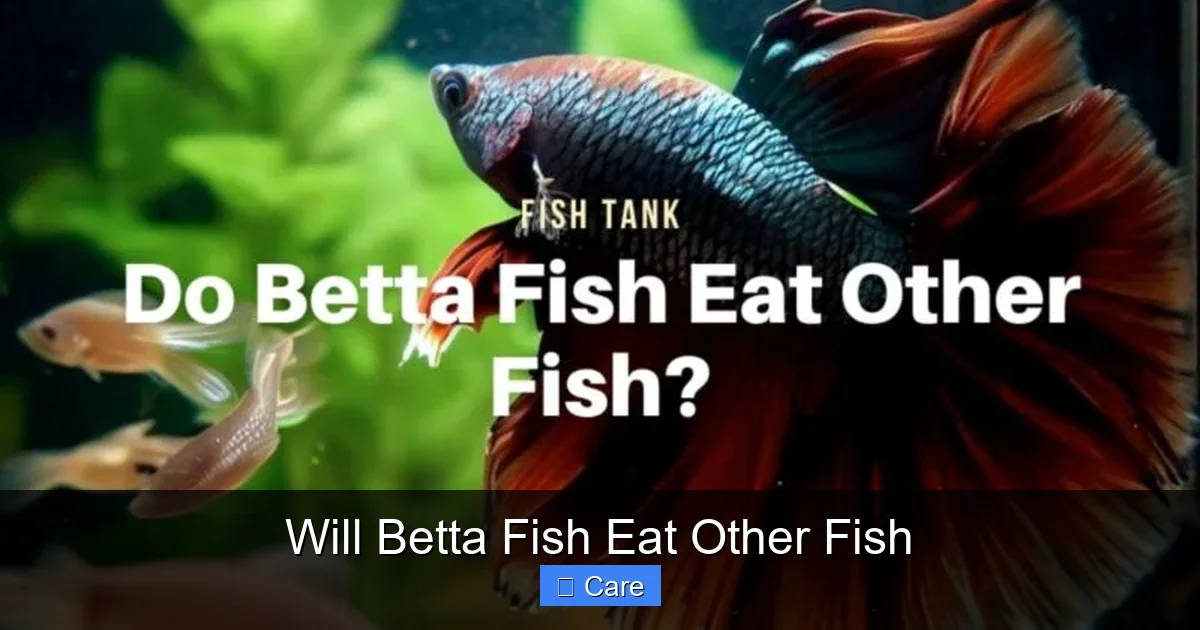
Betta fish are known for their striking colors and feisty personalities, but will they eat other fish? In most cases they prefer to chase, not chow down, yet size, temperament, and hunger can change the outcome. Understanding their natural instincts helps you choose compatible tank mates and avoid costly losses.
Key Takeaways
- Betta aggression varies: Male bettas are more territorial, while females are usually less hostile.
- Size matters: A betta will only attempt to eat fish it can fit in its mouth.
- Hunger can trigger predation: Under‑feeding increases the chance a betta will nip at smaller tank mates.
- Safe tank mates exist: Peaceful, fast‑swimming species that are too large to be swallowed are the best companions.
- Environment reduces conflict: Plenty of plants, caves, and visual barriers give each fish its own space.
- Monitor behavior daily: Early signs of stress or aggression let you act before injuries occur.
- Feeding the right diet matters: A balanced betta diet satisfies cravings and lessens the urge to hunt.
📑 Table of Contents
- Introduction: The Curious Case of the Fighting Fighter
- 1. What Drives a Betta’s Appetite?
- 2. Common Misconceptions: “Will Betta Fish Eat Snails, Shrimp, or Goldfish?”
- 3. Choosing Safe Tank Mates
- 4. Setting Up a Community Tank for Betta and Friends
- 5. Feeding Strategies to Prevent Predatory Behavior
- 6. Recognizing Warning Signs and Acting Fast
- Conclusion: Making an Informed Decision
Introduction: The Curious Case of the Fighting Fighter
Betta fish, often called Siamese fighting fish, are famous for their flamboyant fins and feisty demeanor. When a newcomer asks, “Will betta fish eat other fish?” the answer isn’t a simple yes or no. It depends on many factors—size, gender, hunger, and the type of fish you’re considering as a roommate.
In this guide we’ll break down the science behind betta aggression, share real‑world examples, and give you a step‑by‑step plan for building a community tank that keeps everyone safe. By the end, you’ll know exactly when a betta might become a predator and how to prevent it.
1. What Drives a Betta’s Appetite?
Natural instincts in the wild
In their native Thai rice paddies, bettas hunt small insects, crustaceans, and larvae that fall onto the water’s surface. Their mouths are designed for quick, upward strikes, not for chewing large prey. This predatory instinct is still present in home aquariums.
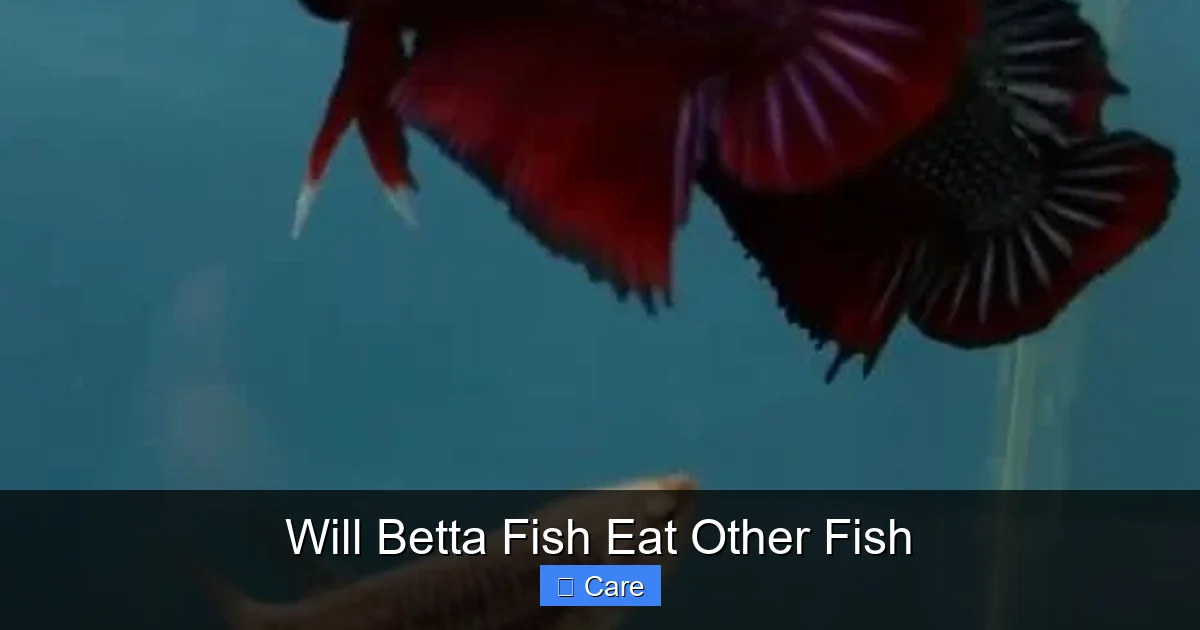
Visual guide about Will Betta Fish Eat Other Fish
Image source: animalslog.com
The role of hunger
When a betta is under‑fed, it will look for any moving bite‑size item. A tiny neon tetra or a fry can become an easy snack. Feeding a balanced diet two to three times a day reduces the urge to hunt.
Gender differences
Male bettas are territorial fighters; they guard a defined space and will chase intruders. Females, especially when kept in a sorority, are generally less aggressive and less likely to view other fish as food.
Size and mouth capacity
A betta’s mouth can open only so wide—roughly the length of its own head. Anything larger than that is simply too big to swallow, even if the betta tries to bite.
2. Common Misconceptions: “Will Betta Fish Eat Snails, Shrimp, or Goldfish?”
Snails and shrimp
Betta fish often nip at snails and shrimp, especially if the crustaceans are slow or injured. However, they rarely eat an adult snail whole. For a deeper dive, see our article on Will Betta Fish Eat Snails.
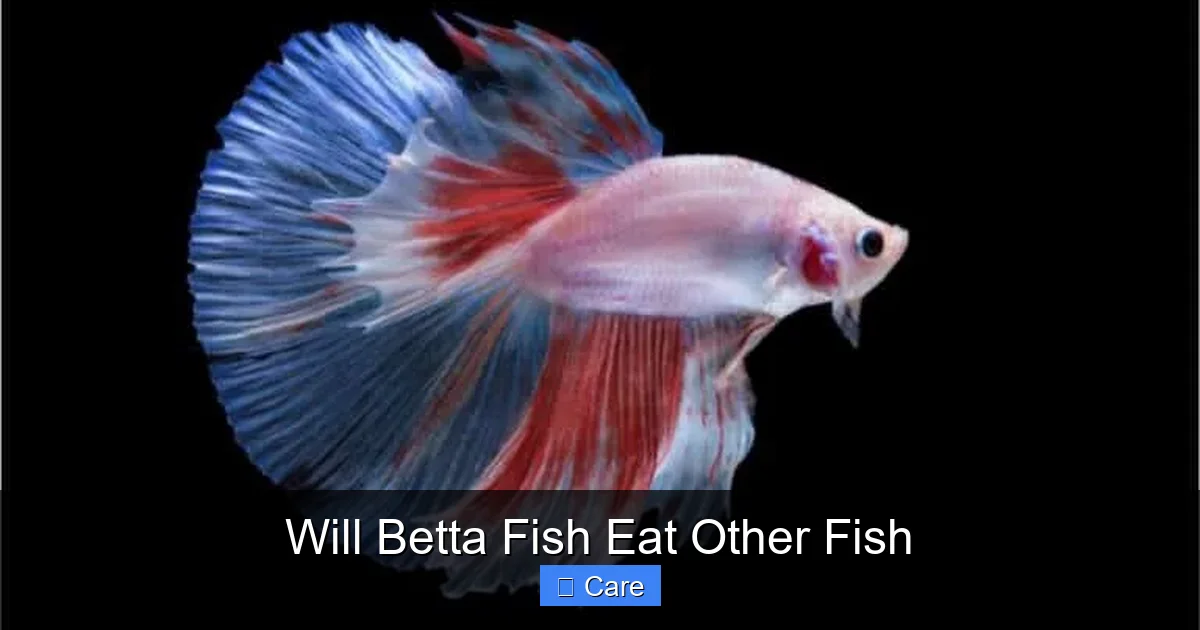
Visual guide about Will Betta Fish Eat Other Fish
Image source: ouraquariumlife.com
Goldfish
Goldfish are far too large for a betta to consume, but the betta may harass them, causing stress. Goldfish also produce a lot of waste, which can harm a betta’s delicate gills.
Other small fish
Very tiny fish—like guppies or neon tetras—can be at risk if they’re the same size or smaller than the betta. The betta may try to bite them, and if the bite is strong enough, the small fish could be injured or even swallowed.
3. Choosing Safe Tank Mates
Size‑appropriate companions
Pick fish that are at least twice the length of your betta. Species such as kuhli loaches, rasboras, and larger tetras are fast enough to avoid a curious betta’s bite.
Visual guide about Will Betta Fish Eat Other Fish
Image source: theaquaadvisor.com
Peaceful, non‑aggressive personalities
Community fish that keep to the mid‑ or bottom‑levels reduce the chance of direct encounters. Corydoras catfish, for example, stay near the substrate and are rarely noticed by a betta.
Plants and décor as visual barriers
Live plants, driftwood, and caves break up sight lines. A betta that can’t see a potential “prey” is less likely to chase it. Java fern, Anubias, and dense moss are excellent choices.
Recommended tank mates
- Harlequin rasboras – bright, fast, and big enough to stay out of a betta’s reach.
- Cherry barbs – active swimmers that tolerate the betta’s occasional flare.
- Otocinclus catfish – tiny algae eaters that stick to glass, making them less tempting.
When to avoid certain species
Long‑finned or flowing‑fin fish (e.g., fancy guppies) can be mistaken for another betta and trigger aggression. Likewise, slow‑moving bottom dwellers that are too small may become accidental snacks.
4. Setting Up a Community Tank for Betta and Friends
Tank size matters
A minimum of 10 gallons is recommended for a single betta with a few small companions. More space means fewer territorial disputes.
Water parameters
Betta fish thrive at 78‑80°F (25‑27°C) with a pH of 6.5‑7.5. Keep the water stable; sudden changes can make the betta more irritable.
Filtration and flow
Use a gentle filter that creates a low current. Betta fish are “surface breathers,” so strong currents can stress them, making them more prone to aggression.
Decor placement
Arrange plants and ornaments in a way that creates separate territories. A common layout is a “front garden” of floating plants, a “middle zone” of tall stems, and a “back corner” of caves.
Acclimation process
Introduce the betta first, let it claim a spot, then slowly add the community fish using a drip acclimation method. Watch for any flare-ups during the first 24‑48 hours.
5. Feeding Strategies to Prevent Predatory Behavior
Balanced diet basics
High‑quality betta pellets, frozen or live brine shrimp, and occasional bloodworms provide protein and keep the betta satisfied.
Feeding schedule
Offer small portions 2‑3 times a day. Over‑feeding leads to water quality issues; under‑feeding fuels hunting instincts.
Feeding the whole tank
Distribute food across the tank so that all fish get a chance to eat. This reduces competition and keeps the betta from chasing food‑starved tank mates.
Interactive feeding
Use a feeding ring or a floating feeder to target the betta’s area, then scatter a few pellets for the community fish. This method satisfies the betta while still feeding the others.
Special treats for bettas
Occasional live foods (e.g., daphnia) trigger natural hunting behavior in a controlled way, reducing the urge to hunt live tank mates.
6. Recognizing Warning Signs and Acting Fast
Behavioral red flags
- Frequent flaring toward another fish.
- Chasing or “bumping” other fish repeatedly.
- Sudden loss of color or lethargy in the betta.
Physical injuries to look for
Torn fins, ragged spots, or missing scales on the other fish are clear indicators of aggression. If you see these, separate the betta immediately.
Quick intervention steps
- Turn off lights for a few minutes to calm the fish.
- Move the aggressive betta to a temporary quarantine tank.
- Re‑evaluate tank size, décor, and feeding routine.
- Consider a different community setup or a single‑species betta tank.
When to say goodbye
If the betta continues to attack despite adjustments, the safest choice is a species‑only tank. A happy betta in a solo setup is better than a stressed community.
Conclusion: Making an Informed Decision
Will betta fish eat other fish? The short answer is: they rarely eat fish that are too large, but they can and will bite or even swallow very small tank mates if they’re hungry, stressed, or overly territorial. By understanding the betta’s natural instincts, providing a spacious, well‑decorated environment, and feeding a balanced diet, you can greatly reduce the risk of predation.
Remember, each betta is an individual. Observe your fish daily, choose compatible companions, and be ready to adjust your setup. With the right approach, you’ll enjoy the vivid beauty of a betta alongside a lively, peaceful community.
Frequently Asked Questions
Will a betta fish eat a fish that is the same size?
Yes, if the other fish is small enough to fit in the betta’s mouth, it may try to bite or swallow it, especially when hungry.
Can I keep a betta with neon tetras?
Neon tetras are often too small and can become prey. If you really want them together, use a large tank with plenty of hiding spots and keep the betta well‑fed.
Do female bettas eat other fish?
Female bettas are generally less aggressive than males, but they can still nip at very small fish if they’re under‑fed.
How can I tell if my betta is just curious or truly aggressive?
Curiosity is usually brief and ends without injury. Aggression involves repeated chasing, flaring, and may result in torn fins or missing scales.
Is it safe to feed my betta live food in a community tank?
Live food can satisfy hunting instincts, but make sure the prey is larger than any small tank mates to avoid accidental predation.
What should I do if my betta has already injured another fish?
Separate the betta immediately, treat any injuries with a mild antiseptic, and reassess your tank setup. Consider moving the betta to a solo tank if aggression continues.