Which Is Better Fish Oil or Krill
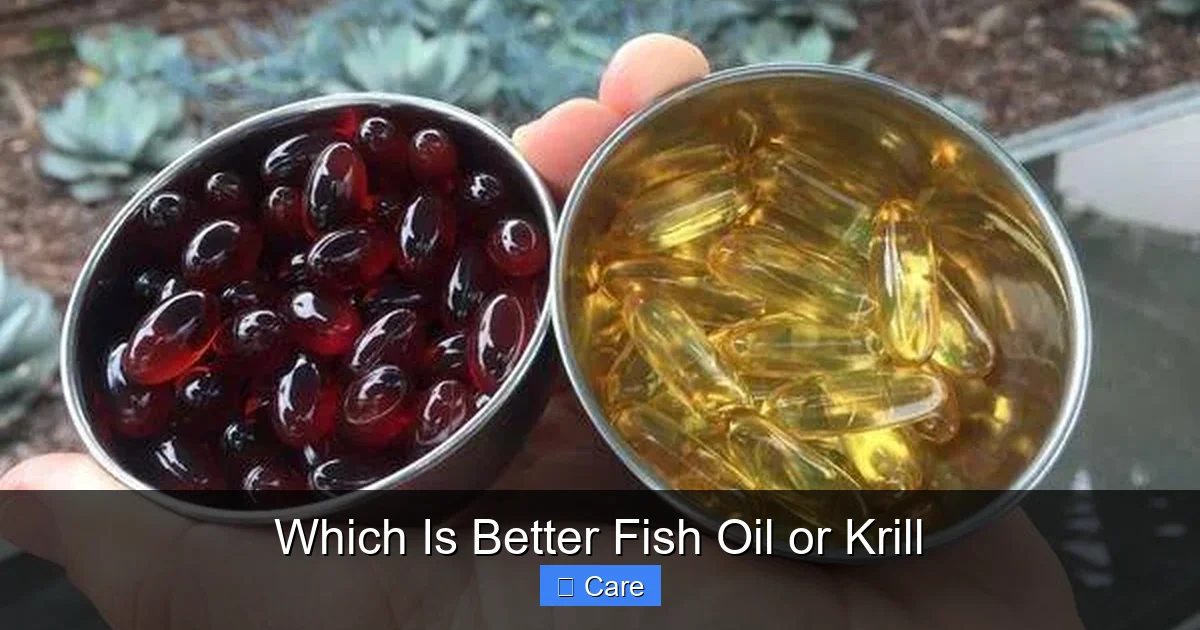
Choosing between fish oil and krill oil depends on your health goals, budget, and dietary preferences. Both provide essential omega‑3s, but krill offers better absorption and antioxidants, while fish oil delivers higher EPA/DHA doses at a lower cost.
Key Takeaways
- Omega‑3 content: Fish oil generally contains more EPA and DHA per serving than krill oil.
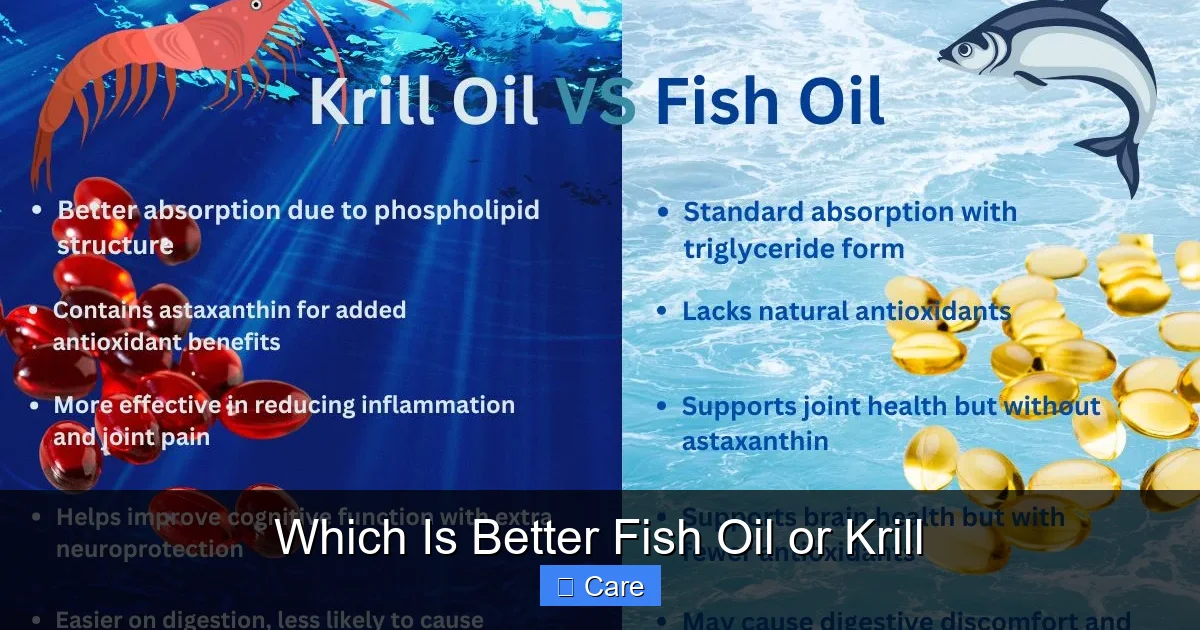
- Absorption: Krill’s phospholipid form may be absorbed more efficiently than the triglyceride form in most fish oils.
- Antioxidants: Krill naturally includes astaxanthin, a powerful antioxidant absent in standard fish oil.
- Cost: Fish oil is usually cheaper per EPA/DHA gram, making it a budget‑friendly option.
- Environmental impact: Krill harvesting is regulated, but over‑fishing concerns remain for some fish oil sources.
- Allergy & taste: Krill oil has a milder fishy aftertaste and fewer reported allergies.
- Best use case: Choose krill for joint health and antioxidant support; choose fish oil for high‑dose EPA/DHA needs.
📑 Table of Contents
- Introduction: Why the Debate Matters
- 1. How Omega‑3s Work in the Body
- 2. Nutrient Profile Comparison
- 3. Health Benefits: What the Research Says
- 4. Practical Considerations
- 5. Which One Fits Your Lifestyle?
- 6. How to Choose a Quality Product
- Conclusion: The Verdict on Which Is Better Fish Oil or Krill
Introduction: Why the Debate Matters
When you hear the words “omega‑3,” you probably think of fish oil. In recent years, krill oil has entered the conversation, promising better absorption and a natural antioxidant called astaxanthin. The question many of us ask is simple: which is better fish oil or krill for our health?
Both supplements aim to boost the same essential fats—EPA (eicosapentaenoic acid) and DHA (docosahexaenoic acid). Yet they differ in source, molecular structure, price, and extra nutrients. Understanding these differences helps you match the supplement to your goals, whether it’s heart health, joint comfort, or brain function.
1. How Omega‑3s Work in the Body
EPA and DHA: The Power Duo
EPA and DHA are long‑chain omega‑3 fatty acids that support cell membranes, reduce inflammation, and help produce hormone‑like compounds called eicosanoids. These eicosanoids regulate blood clotting, blood pressure, and immune responses.
Visual guide about Which Is Better Fish Oil or Krill
Image source: drfarrahmd.com
Triglycerides vs. Phospholipids
Most fish oil delivers EPA/DHA in triglyceride form. After digestion, enzymes break triglycerides into free fatty acids before they can enter cells. Krill oil, on the other hand, binds EPA/DHA to phospholipids, which are a major component of cell membranes. This structure can allow the fats to slip directly into cells, potentially improving bioavailability.
2. Nutrient Profile Comparison
EPA/DHA Content per Serving
Typical fish oil capsules provide 300–1,000 mg of combined EPA and DHA per softgel. Krill oil usually offers 100–250 mg per softgel because the phospholipid form is more concentrated. If you need a high dose for therapeutic reasons—such as lowering triglycerides—fish oil may be more practical.
Visual guide about Which Is Better Fish Oil or Krill
Image source: krillarcticfoods.com
Astaxanthin: The Antioxidant Edge
Krill oil’s bright red color comes from astaxanthin, a carotenoid antioxidant that protects the delicate omega‑3s from oxidation. This means krill oil stays fresher longer and may provide extra skin, eye, and anti‑inflammatory benefits. Fish oil lacks this natural antioxidant unless it’s added during processing.
3. Health Benefits: What the Research Says
Heart Health
Both fish oil and krill oil lower triglycerides and modestly raise HDL (“good”) cholesterol. A 2021 meta‑analysis found no significant difference in triglyceride reduction between the two, but fish oil’s higher EPA/DHA dose made it slightly more effective for patients needing aggressive lipid control.
Visual guide about Which Is Better Fish Oil or Krill
Image source: i.pinimg.com
Joint and Inflammation Support
Krill oil’s phospholipid structure and astaxanthin may give it a small edge for joint health. A 2018 trial on arthritis patients showed reduced joint pain scores with krill oil versus placebo, while similar fish‑oil studies reported mixed results. For those focusing on inflammation, krill could be the winner.
Brain and Mood
DHA is crucial for brain cell membranes. Studies comparing the two supplements show comparable improvements in memory and mood when total EPA/DHA intake is matched. This means you can achieve similar brain benefits with either product, as long as you take enough.
4. Practical Considerations
Cost and Value
Fish oil is generally 2–4 times cheaper per gram of EPA/DHA. If you’re on a tight budget and need higher doses, fish oil offers better value. Krill oil’s premium price reflects its harvesting process and the added astaxanthin.
Taste and Digestive Tolerance
Many users report a milder aftertaste with krill oil, and fewer “fish burps.” The phospholipid form may also cause less gastrointestinal upset for some people.
Allergies and Purity
People with fish allergies should avoid both, but krill oil sometimes triggers fewer reactions because it contains less total protein. Look for products certified by third‑party labs for heavy metals, PCBs, and dioxins.
5. Which One Fits Your Lifestyle?
Goal‑Based Decision Tree
- High EPA/DHA dose needed (e.g., triglyceride management): Choose fish oil.
- Joint pain, skin health, or antioxidant boost: Choose krill oil.
- Budget constraints: Fish oil wins.
- Sensitive stomach or dislike of fishy aftertaste: Krill oil may be more pleasant.
Combining Both?
Some health coaches suggest rotating or stacking low‑dose fish oil with occasional krill to capture both high EPA/DHA and antioxidant benefits. Always discuss with a healthcare professional before mixing supplements.
6. How to Choose a Quality Product
Third‑Party Testing
Look for certifications from IFOS, USP, or NSF. These ensure the product meets purity standards for contaminants.
Sustainability Labels
Marine Stewardship Council (MSC) and Antarctic and Southern Ocean Stewardship (ASOS) certifications indicate responsible harvesting.
Formulation Types
Softgels are most common, but liquid fish oil and krill oil are available for those who dislike swallowing pills. Liquid forms often require refrigeration to prevent oxidation.
Conclusion: The Verdict on Which Is Better Fish Oil or Krill
There is no one‑size‑fits‑all answer. If you need a high dose of EPA/DHA for cardiovascular reasons, fish oil is the cost‑effective choice. If you value better absorption, a natural antioxidant, and a milder taste, krill oil may be worth the extra cost. Assess your health goals, budget, and any dietary restrictions, then pick the supplement that aligns best with your personal plan.
For a deeper dive into the side‑by‑side comparison, check out our related article Which Is Better To Take Fish Oil Or Krill Oil. If joint health is your main concern, you might also read Which Is Better For Arthritis Krill Oil Or Fish Oil. Finally, explore the broader context of omega‑3 sources in Which One Is Better Fish Oil Or Omega 3.
Frequently Asked Questions
Is krill oil more effective than fish oil for heart health?
Both lower triglycerides, but fish oil often provides higher EPA/DHA doses, making it slightly more effective for aggressive lipid management.
Can I take fish oil and krill oil together?
Yes, but it’s best to consult a healthcare professional to avoid excessive EPA/DHA intake and to ensure you don’t exceed recommended limits.
Which supplement has a stronger fishy aftertaste?
Fish oil is more likely to cause a fishy aftertaste or “burps,” while krill oil’s phospholipid form usually tastes milder.
Do vegans or vegetarians benefit from krill oil?
No, krill is an animal product. Vegans should consider algae‑derived omega‑3 supplements instead.
How does astaxanthin in krill oil help my skin?
Astaxanthin is a potent antioxidant that can reduce oxidative stress on skin cells, potentially improving elasticity and reducing signs of aging.
What should I look for on the label to ensure purity?
Seek third‑party testing seals (IFOS, USP, NSF) and check for low levels of mercury, PCBs, and dioxins. Sustainability certifications are a bonus.