What Plants Are Good for Betta Fish
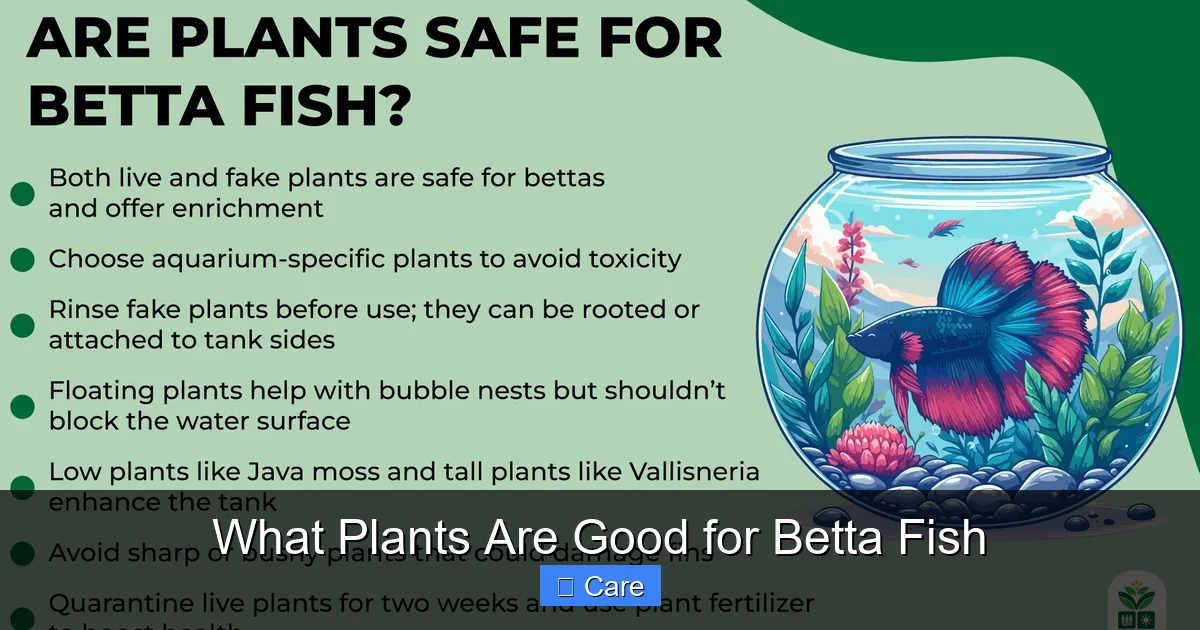
Betta fish thrive with lush, soft‑leafed plants that mimic their natural habitat and provide hiding spots. Choosing the right live or artificial flora improves water quality, encourages natural behavior, and makes your tank a visual delight.
Key Takeaways
- Live plants boost water quality: They absorb nitrates and produce oxygen, creating a healthier environment.
- Soft‑leafed species are safest: Betta’s delicate fins can get snagged on tough, sharp leaves.
- Low‑light plants work in most tanks: You don’t need powerful lighting to keep hardy species thriving.
- Artificial plants offer safety and variety: High‑quality silk or mesh options give visual interest without maintenance.
- Proper substrate and CO₂ help live plants succeed: Use nutrient‑rich soil or add liquid fertilizer for stronger growth.
- Regular trimming prevents overgrowth: Keeps the tank open for swimming and prevents algae spikes.
- Combine plants with décor: Add driftwood, rocks, and caves for a complete, betta‑friendly landscape.
📑 Table of Contents
- Introduction: Why Plants Matter for Betta Fish
- 1. Live Plants That Betta Fish Love
- 2. Choosing the Right Plants for Your Tank Size
- 3. Artificial Plants: When and Why to Use Them
- 4. Setting Up the Plant‑Friendly Betta Tank
- 5. Maintenance Tips to Keep Plants and Betta Happy
- Conclusion: A Lush Habitat for a Happy Betta
Introduction: Why Plants Matter for Betta Fish
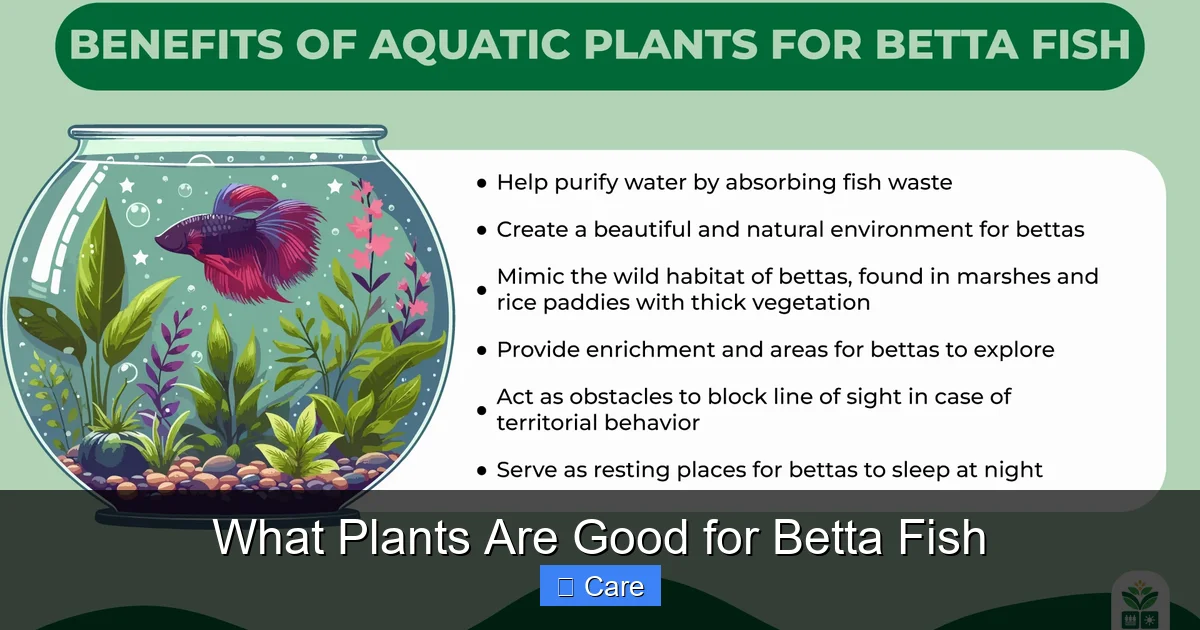
When you first bring a betta home, the most obvious need is a clean tank and good water. But seasoned hobbyists know that a planted aquarium does far more than look pretty. Live plants act like a natural air‑conditioning system – they soak up harmful ammonia and nitrite, release oxygen, and help stabilize pH. For a betta, whose long, flowing fins are prone to damage, soft, flowing foliage offers safe hiding spots and reduces stress.
In this guide we’ll walk through the best plant choices, explain how to care for them, and share practical set‑up tips. Whether you run a 2‑gallon nano tank or a 10‑gallon community, you’ll find options that fit your space, lighting, and budget.
1. Live Plants That Betta Fish Love
1.1. Anubias (Anubias barteri)
Anubias is a classic betta favorite. Its thick, rubbery leaves are tough enough to resist tearing but soft enough that a betta’s fins won’t snag. It thrives in low‑light conditions and can be attached to driftwood or rocks, keeping the tank floor clear.
Visual guide about What Plants Are Good for Betta Fish
Image source: agribotix.com
- Light: Low to moderate
- Water temperature: 75‑82°F (24‑28°C)
- Care tip: Use a small piece of fishing line to tie the plant to a rock; it will root over weeks.
1.2. Java Fern (Microsorum pteropus)
Java fern’s fronds sway gently with water flow, creating a calming backdrop. Like Anubias, it prefers to be attached to décor rather than buried in substrate, making it perfect for bettas that like to explore the mid‑level.
- Light: Low to medium
- Water temperature: 68‑82°F (20‑28°C)
- Care tip: Trim any dead leaf tips to prevent decay and keep water clear.
1.3. Marimo Moss Balls
These fuzzy green spheres are actually a type of algae, but they behave like plants. They roll gently with currents, providing a moving “playground” for curious bettas. Marimo also help absorb nitrates, improving water quality.
- Light: Low
- Water temperature: 68‑78°F (20‑26°C)
- Care tip: Rinse weekly and gently roll to keep shape.
1.4. Cryptocoryne (Crypt) Species
Crypts come in many colors—green, brown, and even reddish tones. Their soft, ribbon‑like leaves are perfect for shy bettas that need cover. They prefer a stable environment; sudden changes in water parameters can cause “crypt melt,” where leaves turn transparent and die back, but new growth soon follows.
- Light: Low to medium
- Water temperature: 72‑78°F (22‑26°C)
- Care tip: Plant in a substrate rich in iron; add a liquid fertilizer if growth slows.
1.5. Hornwort (Ceratophyllum demersum)
Floating or rooted, hornwort offers a “forest canopy” look. Its feathery stems provide excellent cover for male bettas who like to hide when they’re not showing off.
- Light: Medium
- Water temperature: 68‑82°F (20‑28°C)
- Care tip: Trim back fast growth to prevent it from shading other plants.
1.6. Dwarf Water Sprite (Ceratopteris thalictroides)
This fast‑growing fern adds a light, airy texture. Its tiny leaves are gentle on fins, and it can be planted in substrate or left floating.
- Light: Medium
- Water temperature: 70‑80°F (21‑27°C)
- Care tip: Remove excess to keep the tank from becoming too “jungle‑like.”
2. Choosing the Right Plants for Your Tank Size
2.1. Small Tanks (2‑5 gallons)
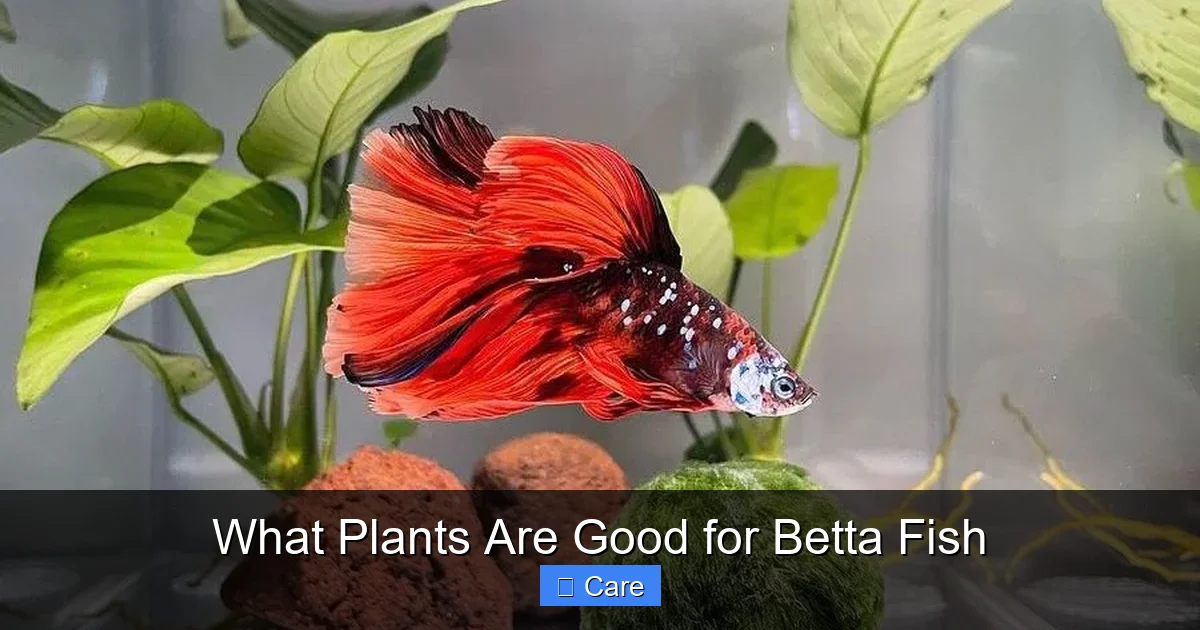
In a nano setup, space is at a premium. Stick to low‑light, slow‑growing plants like Anubias, Java fern, and a single Marimo ball. Over‑planting can reduce swimming room and increase waste buildup.
Visual guide about What Plants Are Good for Betta Fish
Image source: ouraquariumlife.com
2.2. Medium Tanks (10‑20 gallons)
Here you can mix a few foreground plants (e.g., dwarf Crypts) with mid‑level Java fern and a small patch of hornwort. This creates depth while still leaving open water for your betta to flare its fins.
2.3. Large Tanks (30+ gallons)
With more surface area, you can create a “plant wall” using taller species like Amazon sword (if you have strong lighting) and a carpet of floating plants. Even in large tanks, keep a clear central zone for the betta to display.
3. Artificial Plants: When and Why to Use Them
3.1. Benefits of High‑Quality Silk Plants
Silk or mesh plants are lightweight, easy to clean, and won’t wilt. They’re ideal for beginners who aren’t ready for the maintenance of live plants. Choose ones with soft, wide leaves to avoid fin damage.
Visual guide about What Plants Are Good for Betta Fish
Image source: agribotix.com
3.2. How to Choose Safe Artificial Plants
- Texture: Avoid sharp, plastic leaves that can tear fins.
- Weight: Heavier bases prevent the plant from floating and blocking the filter.
- Material: Silk blends are more realistic and less likely to harbor bacteria.
3.3. Cleaning and Maintenance
Every two weeks, remove the plant, soak in a mild bleach solution (1 % concentration), rinse thoroughly, and place back. This prevents algae and slime buildup that could harm your betta.
4. Setting Up the Plant‑Friendly Betta Tank
4.1. Substrate Matters
A nutrient‑rich substrate like aquarium soil or a layer of laterite under gravel gives roots a food source. For plants that don’t root (e.g., Anubias), a simple sand base works fine.
4.2. Lighting Essentials
Most betta‑friendly plants thrive under 2‑3 watts per gallon of LED light. If you want to keep low‑light species, a modest 2‑hour photoperiod is enough. Over‑lighting can cause algae, which hides your betta’s colors.
4.3. CO₂ and Fertilization
In a small betta tank, liquid carbon supplements (e.g., Seachem Excel) are easier than pressurized CO₂. Add a drop or two each dosing cycle. For heavy plant loads, consider a liquid fertilizer with iron and micronutrients.
4.4. Water Parameters
Maintain a stable temperature of 78‑80°F (25‑27°C) and a pH between 6.5‑7.5. Consistent parameters keep both plants and betta healthy. For more details on water quality, see our guide on what water to use for betta fish.
4.5. Filtration and Flow
A gentle sponge filter provides both filtration and a soft current that helps plants receive nutrients without tiring your betta. Avoid strong powerheads that can stress the fish.
5. Maintenance Tips to Keep Plants and Betta Happy
5.1. Weekly Checks
Inspect each leaf for yellowing or rot. Trim any dead portions with clean scissors. This prevents decay from fouling the water.
5.2. Nutrient Management
If you notice slow growth, add a liquid fertilizer once a week. Watch for algae spikes; if they appear, reduce lighting or nutrient dosing.
5.3. Re‑planting and Propagation
Many species, like Java fern and Anubias, propagate by clipping a leaf and attaching it to a new surface. This is a fun way to expand your jungle without buying more plants.
5.4. Balancing Décor and Open Space
While plants add beauty, bettas need room to swim and display. Aim for a “plant island” on one side of the tank, leaving a clear swimming lane opposite.
Conclusion: A Lush Habitat for a Happy Betta
Choosing the right plants transforms a plain glass box into a thriving ecosystem where your betta can explore, hide, and show off its brilliant colors. Live plants like Anubias, Java fern, and Crypts improve water quality and provide natural shelter, while high‑quality artificial plants give a low‑maintenance alternative. By matching plant size to your tank, providing gentle lighting, and keeping up with simple maintenance, you’ll enjoy a vibrant aquarium that benefits both fish and plant.
Ready to get planting? Start with a few hardy species, watch them grow, and watch your betta flourish. For more ideas on tank setup, check out our article on how to set up a tank for a betta fish. Happy planting!
Frequently Asked Questions
What are the safest live plants for betta fish?
Soft‑leafed plants like Anubias, Java fern, and Cryptocoryne are ideal because they won’t tear a betta’s delicate fins.
Can I keep a betta in a fully planted 5‑gallon tank?
Yes, as long as you leave enough open swimming space and avoid overcrowding with fast‑growing species.
Do artificial plants harm betta fish?
High‑quality silk or mesh plants are safe, but avoid sharp plastic leaves that can snag fins.
How often should I trim my live plants?
Trim dead or overgrown leaves every 1‑2 weeks to keep water clear and prevent algae.
Do I need CO₂ for a betta tank?
For low‑light, slow‑growing plants, a liquid carbon supplement is sufficient; pressurized CO₂ is optional.
Where can I buy live plants for my betta?
Many local fish stores carry starter kits, and online retailers specialize in aquarium plants. A good guide is where to buy live plants for betta fish.