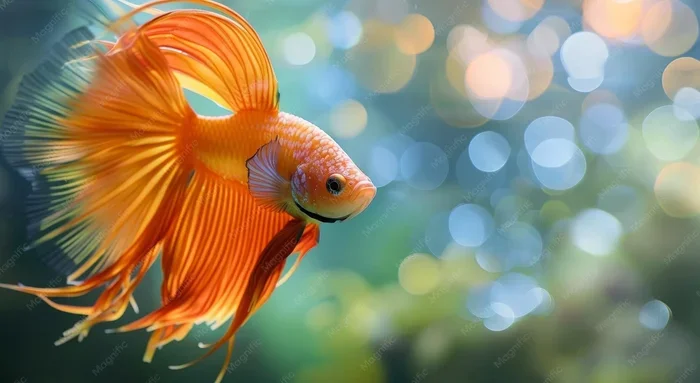
How to Know If Your Betta Fish Is Happy

Wondering if your betta fish is truly content? Look for active swimming, bright colors, and playful behavior. Good water, proper diet, and enrichment are key to keeping your betta happy and healthy.
Key Takeaways
- Active swimming: A happy betta moves confidently and explores its environment.
- Vibrant colors: Bright, consistent coloration signals a stress‑free fish.
- Normal appetite: Regular feeding indicates good health and happiness.
- Playful behavior: Interaction with toys or bubbles shows mental stimulation.
- Clean water: Proper parameters keep stress low and mood high.
- Comfortable décor: Plants, caves, and proper tank size create a safe space.
- Observation: Daily checks help you catch changes before they become problems.
📑 Table of Contents
Introduction
Betta fish, also called Siamese fighting fish, are popular for their dazzling fins and feisty personalities. Many beginners wonder, “how to know if your betta fish is happy?” The answer isn’t hidden in a complex test; it’s right in front of you, in the way your fish moves, eats, and interacts with its surroundings.
In this guide we’ll walk through the most reliable happiness cues, the tank conditions that support a cheerful betta, and practical steps you can take today. Think of it as a friendly chat over a cup of coffee—simple, clear, and full of useful tips.
1. Physical Signs of a Happy Betta
Bright, Consistent Color
When a betta is content, its scales display a rich, even hue. Stress can cause fading or dull patches. If you notice your fish’s colors staying vivid after a feeding or a water change, you’re likely doing something right.

Visual guide about How to Know If Your Betta Fish Is Happy
Image source: japanesefightingfish.org
Active Swimming and Exploration
A happy betta isn’t a couch‑potato. It will glide from the bottom to the surface, investigate décor, and even chase bubbles. Sudden floating or staying glued to the glass often signals illness or poor water quality.
Flared Fins and Playful Displays
While bettas are known for flaring when threatened, a relaxed flare while watching you or a toy shows confidence. Gentle fin spreads while swimming are a good sign of comfort.
Normal Appetite
Consistent eating—usually 2–3 small meals per day—is a reliable happiness indicator. A picky or refusing betta may be stressed, sick, or experiencing unsuitable water conditions.
2. Environmental Factors That Influence Mood
Water Quality Is the Foundation
Even the happiest fish will become miserable if the water isn’t right. Keep temperature between 76‑82°F (24‑28°C), pH around 6.5‑7.5, and ammonia/nitrite at 0 ppm. Regular partial water changes (20‑30% weekly) keep toxins low.

Visual guide about How to Know If Your Betta Fish Is Happy
Image source: tankarium.com
Tank Size and Layout
Although bettas can survive in small bowls, a 5‑gal (or larger) tank gives them space to explore and reduces stress. Add silk or live plants, smooth rocks, and a small cave for hiding. Avoid sharp décor that can tear delicate fins.
Enrichment and Entertainment
Betta fish are intelligent and love stimulation. Floating toys, mirrors (used sparingly), and gentle water currents encourage natural hunting and curiosity. For more ideas, see our article on how to entertain your betta fish.
Lighting and Day/Night Cycle
Provide 10‑12 hours of subdued lighting daily. A consistent cycle reduces stress. A dim corner or a floating leaf can give a sense of security during “night” hours.
3. Behavioral Clues to Watch
Interaction with You
Some bettas learn to recognize their owner’s face and may follow your finger or come to the glass when you approach. This friendly behavior is a strong indicator of a happy, confident fish.

Visual guide about How to Know If Your Betta Fish Is Happy
Image source: tropicflow.com
Bubble Nest Building
Male bettas often build bubble nests when they feel secure and ready to breed. A well‑constructed nest shows the fish is healthy and content, though you don’t need to encourage breeding unless you plan for it.
Response to Food
Watch how quickly your betta darts for food. A swift, enthusiastic response means the fish feels safe and has a good appetite. Slow or absent feeding may signal stress.
Social Signals
If you keep a single male betta, avoid mirrors or other aggressive stimuli that can cause chronic stress. A calm, non‑aggressive demeanor is a happiness sign.
4. Common Mistakes That Reduce Happiness
Overfeeding
Too many pellets lead to bloating and water fouling. Feed only what your betta can consume in 2–3 minutes.
Cold Water
Betas are tropical; a drop below 76°F slows metabolism and can cause lethargy. Use a reliable heater and a thermometer.
Incompatible Tank Mates
While some peaceful species can share a large, well‑planted tank, many fin‑nipping fish will stress a betta. When in doubt, keep your betta alone.
Sharp or Rough Decorations
Plastic plants with rough edges can tear fins, leading to infections and reduced confidence.
Neglecting Water Changes
Even small spikes in ammonia can make a betta miserable. Stick to a regular cleaning schedule.
5. How to Boost Your Betta’s Happiness
Upgrade to a Proper Tank
If you’re still using a bowl, consider moving to a 5‑gallon tank with a gentle filter. This alone often transforms a fish’s demeanor.
Introduce Live Plants
Java fern, Anubias, and Marimo moss are hardy, easy to care for, and provide natural hiding spots.
Provide Enrichment Toys
Floating ping‑pong balls, plastic tunnels, or a simple piece of driftwood can keep your betta mentally active. Remember to rotate toys every few weeks to keep interest high.
Maintain Consistent Feeding Routines
Offer high‑quality betta pellets, occasional frozen or live foods (like daphnia or bloodworms), and keep feeding times the same each day.
Regular Health Checks
Spend a few minutes daily watching your betta’s behavior. Early detection of color fading, fin damage, or lethargy lets you act fast. If you’re ever unsure, compare notes with our guide on how to tell if your betta fish is dying to differentiate between stress and serious illness.
Learn From Others
Join betta forums, watch videos, or read other hobbyists’ stories. The more you see happy bettas thriving, the better you’ll understand the subtle cues.
Conclusion
Knowing how to tell if your betta fish is happy is less about fancy equipment and more about attentive observation. Look for bright colors, active swimming, a healthy appetite, and playful behavior. Keep the water clean, the tank enriched, and the routine consistent, and you’ll reward your betta with a joyful, vibrant life.
Remember, a happy betta reflects the love and care you provide. By following these simple guidelines, you’ll enjoy a beautiful, content companion for years to come.
Frequently Asked Questions
How can I tell if my betta fish is stressed?
Signs of stress include faded colors, clamped fins, rapid breathing, and hiding constantly. Check water parameters and reduce any aggressive stimuli.
What temperature is best for a happy betta?
Maintain a stable temperature between 76°F and 82°F (24°C‑28°C). Sudden drops or spikes can cause stress and illness.
How often should I change my betta’s water?
Perform a 20‑30% water change weekly. This keeps nitrate levels low and maintains water clarity, both essential for a happy fish.
Can I keep a betta with other fish?
Only if the tank is large (10+ gallons) and the tank mates are peaceful, non‑fin‑nipping species. Even then, monitor interactions closely.
Why does my betta build a bubble nest?
A bubble nest signals that the male feels secure, healthy, and possibly ready to breed. It’s a good happiness indicator.
What should I feed my betta for optimal health?
High‑quality betta pellets form the staple diet. Supplement with occasional frozen or live foods like daphnia, brine shrimp, or bloodworms for variety.