How Often to Change a Betta Fish Water
Keeping your betta’s water fresh is the cornerstone of good health. Most experts recommend a partial water change every 1‑2 weeks, but the exact timing depends on tank size, filtration, and feeding habits. Follow these simple guidelines and practical tips to create a routine that works for you and your vibrant betta.
Key Takeaways
- Partial changes are key: Replace 25‑30 % of the water weekly or bi‑weekly for optimal water quality.
- Tank size matters: Smaller bowls need more frequent changes than larger, filtered tanks.
- Test water regularly: Monitor ammonia, nitrite, nitrate, and pH to fine‑tune your schedule.
- Temperature consistency: Match new water temperature to the tank to avoid stress.
- Use a gentle siphon: Prevent disturbing plants and substrate while removing water.
- Observe your betta: Cloudy water, faded colors, or lethargy signal it’s time for a change.
- Routine matters: Stick to a calendar; consistency reduces disease risk.
📑 Table of Contents
- Introduction: Why Water Changes Matter for Betta Fish
- How Often Should You Change a Betta’s Water?
- Step‑by‑Step: Performing a Proper Water Change
- Factors That Can Extend or Shorten the Change Interval
- Creating a Water‑Change Calendar
- Common Mistakes and How to Avoid Them
- Conclusion: Consistency Is the Secret Ingredient
Introduction: Why Water Changes Matter for Betta Fish
Betta fish are hardy, but they are not immune to poor water conditions. In the wild, they glide through flowing streams where waste is constantly diluted. In our homes, the water sits still, and every bite of food or waste product adds to the chemical load. If you ignore these changes, ammonia can spike, nitrate can climb, and the delicate balance your betta relies on will crumble.
Changing the water isn’t just about “making it look pretty.” It’s a health‑boosting ritual that removes toxins, restores oxygen levels, and stabilizes temperature. The right schedule keeps your betta’s fins bright, its appetite strong, and its lifespan longer.
How Often Should You Change a Betta’s Water?
The short answer: partial water changes every 1‑2 weeks for most setups. However, the exact frequency depends on several factors that we’ll break down below.
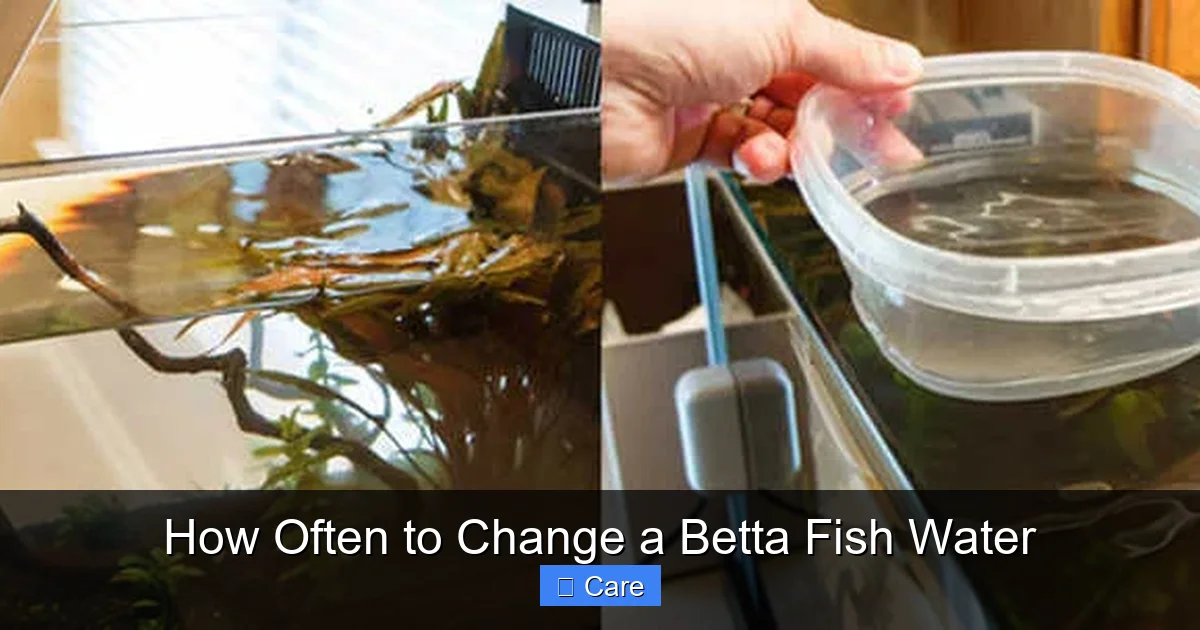
Visual guide about How Often to Change a Betta Fish Water
Image source: uploads-ssl.webflow.com
1. Tank Size and Type
- Bowls (under 2 gallons): These tiny habitats have limited water volume, so waste concentration rises quickly. Aim for a 30‑40 % change every 3‑4 days.
- Small tanks (2‑5 gallons): A 25‑30 % change once a week works well.
- Medium to large tanks (5‑10 gallons+): You can stretch to a bi‑weekly schedule, still swapping out 25‑30 % of the water.
2. Filtration Presence
If you have a gentle filter, it will help keep ammonia low, allowing you to move toward the longer, bi‑weekly interval. Without filtration, stick to the weekly or even twice‑weekly routine.
3. Feeding Frequency and Quantity
More food means more waste. Betta fish that are fed twice daily will need more frequent changes than those fed once every other day. Over‑feeding is a common mistake that accelerates water fouling.
4. Water Test Results
Testing kits are inexpensive and give you real data. If ammonia or nitrite reads above 0 ppm, change at least 50 % of the water immediately. Nitrate levels above 20 ppm suggest it’s time for a routine change.
Step‑by‑Step: Performing a Proper Water Change
Now that you know *how often to change a betta fish water*, let’s walk through the actual process. Follow these steps to keep stress to a minimum.
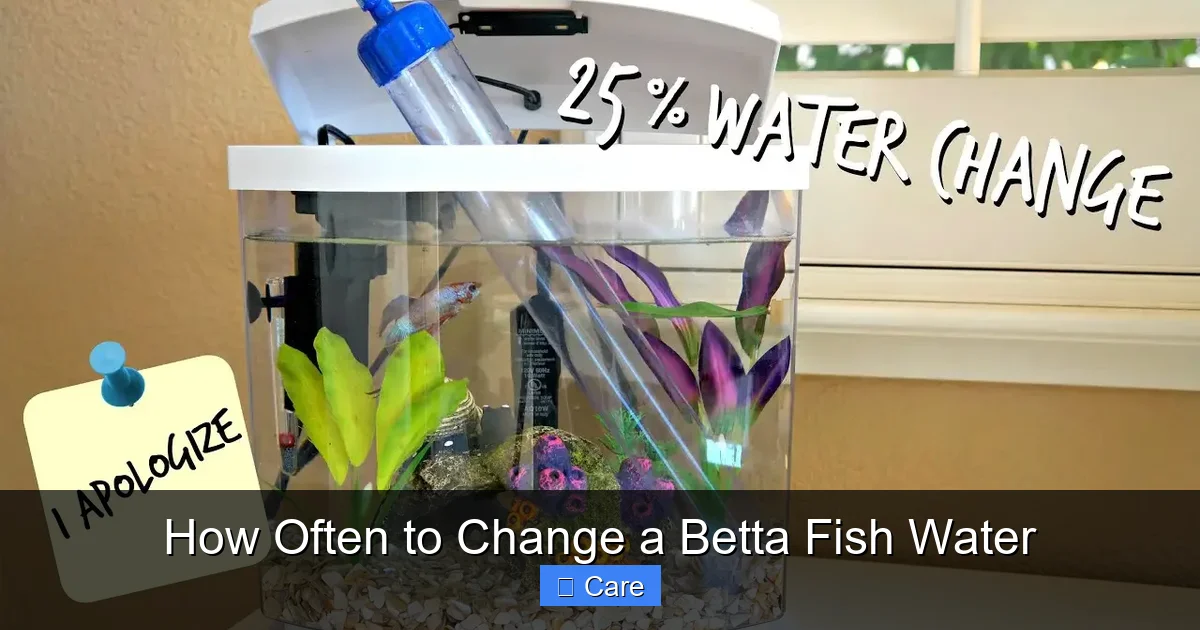
Visual guide about How Often to Change a Betta Fish Water
Image source: bettafishworld.com
Gather Your Supplies
- Siphon or turkey baster
- Bucket (dedicated for aquarium use only)
- Conditioner to remove chlorine/chloramine
- Thermometer
- Water test kit (ammonia, nitrite, nitrate, pH)
Step 1: Prepare Fresh Water
Fill your bucket with tap water that has been treated with a water conditioner. Aim for the same temperature as the tank (usually 76‑80°F or 24‑27°C). Use a thermometer to verify.
Step 2: Turn Off Equipment
Switch off the heater and filter for a few minutes. This prevents a sudden surge of water flow that could stress your betta.
Step 3: Remove the Old Water
Insert the siphon into the tank, aiming for the bottom where debris settles. Pull out 25‑30 % of the water (measure with a cup). If you have a bowl, you may need to tilt gently and pour out the water instead.
Step 4: Clean the Substrate (Optional)
If you notice uneaten food or waste on the gravel, use the siphon to vacuum those areas. Avoid stirring up too much substrate, as it can release trapped ammonia.
Step 5: Add Fresh Water
Slowly pour the conditioned water back into the tank, aiming for the side to reduce current. Turn the heater and filter back on once the water level is restored.
Step 6: Test and Observe
Run your water test kit to confirm parameters are within safe ranges. Watch your betta for a few minutes; it should resume normal swimming within a short time.
For a more visual guide, check out our detailed tutorial on how to do a water change for betta fish.
Factors That Can Extend or Shorten the Change Interval
Even with a solid schedule, life throws curveballs. Here are some situations that may require you to adjust your routine.

Visual guide about How Often to Change a Betta Fish Water
Image source: fishkeepertank.com
Live Plants
Plants absorb nitrates and help maintain water quality. A well‑planted tank can often go a full two weeks between changes.
Heavy Breeding Activity
If you’re raising fry, waste spikes dramatically. Increase to a 20‑25 % change every 2‑3 days.
Temperature Fluctuations
Sudden drops or spikes stress bettas. Matching new water temperature (see how to change betta fish water temperature) is crucial.
Signs Your Betta Needs a Faster Change
- Cloudy water
- Faded coloration
- Lethargic behavior
- Frequent hiding
If you notice any of these, perform a 50 % water change right away, even if it’s ahead of schedule.
Creating a Water‑Change Calendar
Writing down dates may feel old‑school, but a visual calendar helps you stay consistent. Here’s a simple template you can copy:
- Monday: Test water parameters
- Wednesday: 25 % water change
- Saturday: Clean substrate, check filter
Adjust the days based on your personal schedule. The key is regularity, not perfection.
Common Mistakes and How to Avoid Them
Changing Too Much Water at Once
Removing more than 50 % can shock the betta’s system, especially if the new water temperature or pH differs. Stick to partial changes unless a crisis demands a larger swap.
Using Untreated Tap Water
Chlorine and chloramine are deadly to fish. Always treat water with a conditioner specifically labeled for aquarium use.
Skipping Temperature Matching
Cold water can cause a betta to gasp at the surface, while hot water can raise the tank temperature too quickly. Use a thermometer and let the new water sit for a few minutes to equalize.
Neglecting the Filter
Even in a small bowl, a sponge filter can dramatically extend the time between changes. Clean the filter media monthly, but never replace it all at once.
Conclusion: Consistency Is the Secret Ingredient
Understanding *how often to change a betta fish water* isn’t a one‑size‑fits‑all answer. It’s a balance of tank size, filtration, feeding, and observation. By testing water regularly, following a simple change routine, and watching your betta’s behavior, you’ll create a healthy environment that lets those brilliant fins shine for years.
Ready to dive deeper? Learn more about the exact steps in how to change the water in a betta fish tank and explore the broader care guide at how often change betta fish water.
Frequently Asked Questions
How often should I change the water in a betta bowl?
For a bowl under 2 gallons, aim for a 30‑40 % change every 3‑4 days. Smaller volumes accumulate waste quickly.
Can I change all the water at once?
It’s not recommended. Replacing 100 % of the water can shock the fish due to temperature and pH shifts. Stick to partial changes.
Do I need a filter if I change the water regularly?
A gentle filter helps keep ammonia low and can extend the interval between changes, but diligent weekly changes can work without one.
What temperature should the new water be?
Match the tank’s temperature, typically 76‑80°F (24‑27°C). Use a thermometer and let the conditioned water sit for a few minutes before adding.
How can I tell if my betta needs a water change sooner?
Cloudy water, faded colors, lethargy, or excessive surface gasping are signs that water quality has dropped and a change is needed.
Is it okay to use bottled water for a betta tank?
Bottled water can work if it’s free of chlorine and minerals, but it’s often more expensive than treating tap water with a conditioner.