What Causes Ick on Betta Fish
What causes ick on betta fish? The tiny parasite Ichthyophthirius multifiliis is the main culprit, but stress, poor water quality, and sudden temperature drops weaken your fish’s defenses and invite infection. This guide covers every cause, symptom, and treatment option so you can keep your betta healthy and spot-free.
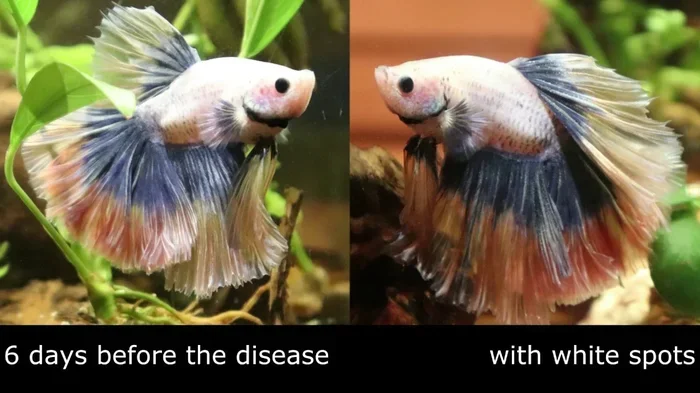
If you have ever noticed tiny white dots on your betta fish like someone sprinkled salt on its body, you have likely encountered ick. Also known as white spot disease, ick on betta fish is one of the most common health problems aquarium owners face. The good news? It is very treatable once you understand what causes it.
What causes ick on betta fish comes down to a few key factors. A tiny parasite called Ichthyophthirius multifiliis is always lurking in most aquariums. But it only causes problems when your betta’s immune system gets weak. Things like stress, bad water quality, and sudden temperature changes open the door for this parasite to attack. In this article, we will break down every cause, every symptom, and every treatment option you need to know.
Whether you are a beginner or a seasoned fish keeper, understanding ick is essential for betta fish care. Let us dive right in.
Key Takeaways
- The Ich parasite is the root cause: A microscopic protozoan called Ichthyophthirius multifiliis attaches to your betta and creates white spots.
- Stress is the biggest trigger: Poor water quality, overcrowding, and sudden environment changes lower your betta’s immune system.
- Temperature swings matter a lot: Cold water slows your betta’s metabolism and makes it easier for ick to take hold.
- New fish and plants spread ick: Introducing untreated additions to your tank is one of the most common ways ick arrives.
- Treatment works fast if caught early: Raising tank temperature and using aquarium salt or medication can clear ick within days.
- Prevention beats cure: Regular water changes, quarantine new arrivals, and keep water parameters stable to stop ick before it starts.
📑 Table of Contents
What Is Ick on Betta Fish?
Ick (short for Ichthyophthirius multifiliis) is a single-celled parasite that lives in freshwater tanks. It is almost always present in aquariums, but a healthy betta fish can fight it off without any problems. The trouble starts when something weakens your fish’s immune system.
Once the parasite finds a weakened host, it burrows into the skin and gills. It feeds on your betta’s cells and grows. After a few days, it falls off and releases hundreds of new parasites into the water. This cycle repeats fast, which is why ick can spread through a tank like wildfire.
The most obvious sign is those tiny white spots that look like grains of salt or sugar. But ick can also cause other symptoms you should watch for:
- White dots on the body, fins, and gills
- Flashing — your betta rubs against rocks or decorations
- Rapid breathing or gasping at the surface
- Loss of appetite or refusing food
- Clamped fins held close to the body
- Lethargy and hiding more than usual
If you notice any of these signs, act quickly. Early treatment makes a huge difference. You can also check out our guide on how to cure ick on betta fish for step-by-step treatment instructions.
Top Causes of Ick on Betta Fish
Now let us get to the heart of the matter. What causes ick on betta fish to flare up? There are several triggers, and most of them are tied to husbandry and environment. Here is a detailed look at each one.
Poor Water Quality
The number one cause of ick outbreaks is dirty water. When ammonia and nitrite levels rise in a tank, your betta becomes stressed. Stressed fish have weakened immune systems, and that gives the Ich parasite the perfect opportunity to multiply.
Here are common water quality mistakes that lead to ick:
- Skipping regular water changes — aim for 25 to 30 percent weekly
- Overfeeding — excess food rots and spikes ammonia
- Dirty filter media — rinse it in old tank water, never tap water
- Overcrowding — too many fish means more waste
- No water testing — test kits are cheap and essential
Keeping your water parameters stable is the foundation of preventing ick. Your betta needs a cycled tank with zero ammonia, zero nitrite, and nitrates below 20 ppm.
Temperature Stress and Sudden Drops
Betta fish are tropical fish. They thrive in warm water between 76 and 82 degrees Fahrenheit. When the water temperature drops too low, your betta’s metabolism slows down. This makes it harder for the body to fight off infections like ick.
Common causes of temperature stress include:
- Placing the tank near a drafty window or air vent
- Room temperature dropping at night
- Using a heater that is too weak or broken
- Doing large water changes with cold water
If you want to learn more about the ideal conditions for your betta, check out our article on what water temperature betta fish like. Maintaining a stable, warm environment is one of the best defenses against ick.
Stress from Tank Mates and Environment
Betta fish are known for being semi-aggressive. Housing them with the wrong tank mates can cause constant stress. And stressed fish get sick much more easily. When your betta is always on edge, its body diverts energy away from immune function.
Some environmental stressors that contribute to ick include:
- Aggressive tank mates — fin nippers or overly active fish
- Bright lights all the time — bettas need a day/night cycle
- Lack of hiding spots — bettas feel safer with plants and caves
- Sudden changes in the tank setup — moving decorations or rearranging the tank
- Handling or tapping on the glass — this startles your fish constantly
For tips on choosing compatible companions, read our guide on what types of fish can live with a betta. A peaceful tank environment keeps your betta calm and healthy.
Introducing New Fish or Plants Without Quarantine
This is one of the sneaky ways ick enters your tank. New fish, plants, or decorations from other tanks can carry the Ich parasite without showing any symptoms. Your new arrival looks perfectly healthy, but underneath it is hosting dozens of parasites.
When you add these untreated items to your main tank, the parasite finds a new host — your betta. This is why quarantine is so important.
Follow these steps to protect your tank:
- Quarantine new fish for at least 2 to 4 weeks in a separate tank
- Inspect new plants carefully and rinse them thoroughly
- Disinfect decorations from unknown sources
- Observe quarantined fish for any signs of white spots or unusual behavior
If you have ever wondered whether bettas can even get ick, the answer is yes. Our article do betta fish get ick explains this in more detail.
Weak Immune System from Poor Nutrition
A healthy diet builds a healthy immune system. If your betta eats the same low-quality flakes every day, it may not get all the nutrients it needs. A weakened body is more vulnerable to parasites like Ich.
Boost your betta’s nutrition with these tips:
- Feed high-quality betta pellets as the staple diet
- Add variety with frozen or live bloodworms and brine shrimp
- Soak pellets before feeding to prevent swim bladder issues
- Feed small amounts 1 to 2 times a day, not one large meal
- Fast your betta for one day per week to support digestion
For more on feeding, visit our guide on what to feed a betta fish. Good nutrition is a powerful shield against disease.
How Ick Spreads in a Tank
Understanding the life cycle of the Ich parasite helps you see why ick spreads so fast. The parasite has three main stages:
- Trophont — the parasite feeds inside your betta’s skin and gills. This is the stage where you see white spots.
- Tomont — the parasite drops off your fish and attaches to surfaces in the tank. It divides and creates up to 1,000 new parasites.
- Theront — the newborn parasites swim freely and look for a new host to infect. This is the most dangerous stage.
The entire cycle can repeat every 3 to 7 days depending on water temperature. Warmer water speeds up the cycle, which is why raising the temperature is a common treatment strategy. If you do not treat ick during the free-swimming stage, the parasites will find new hosts and the outbreak gets worse.
This is also why ick can spread so quickly in community tanks. One infected fish can put every other fish at risk. If you notice ick symptoms, act immediately to protect all your fish.
How to Treat Ick on Betta Fish
Treating ick early gives your betta the best chance of a full recovery. There are several proven methods you can use at home.
Method 1: Raise the Water Temperature
Gradually increase the tank temperature to about 82 to 84 degrees Fahrenheit. Warmer water speeds up the Ich life cycle, which makes the parasites vulnerable to treatment faster. Raise the temperature slowly — no more than 2 degrees per day — so you do not shock your betta.
Method 2: Use Aquarium Salt
Add aquarium salt (sodium chloride) to the tank at a rate of 1 teaspoon per 5 gallons. Salt helps heal the wounds the parasite creates on your betta’s skin and gills. It also creates an environment that is harder for the parasite to survive in.
Important: Remove any activated carbon from your filter before adding salt, as it will absorb the salt and make it ineffective.
Method 3: Use Medication
If the outbreak is severe, you may need to use a commercial ick medication. Products containing formalin or malachite green are effective against the Ich parasite. Always follow the dosage instructions carefully and remove invertebrates from the tank before treating.
For a complete treatment walkthrough, see our detailed guide on how to cure ick on betta fish.
Method 4: Improve Water Quality
No matter which treatment method you choose, improving water quality is essential. Do a 25 to 30 percent water change before starting treatment. Clean water reduces stress and helps your betta heal faster.
Check your water parameters regularly during treatment. Ammonia and nitrite levels should stay at zero. If they spike, do an additional water change.
Preventing Ick on Your Betta Fish
The best way to deal with ick is to prevent it from ever happening. Prevention is simpler and less stressful for your betta than treating an active outbreak. Here is what you can do.
- Keep water clean — perform regular water changes and test your parameters weekly
- Maintain stable temperature — use a reliable heater and monitor the temperature daily
- Quarantine new arrivals — always isolate new fish and plants for 2 to 4 weeks
- Feed a balanced diet — variety and quality strengthen the immune system
- Avoid overcrowding — give your betta plenty of space and a calm environment
- Reduce stress — provide hiding spots, dim lighting, and gentle tank mates
Prevention comes down to consistency. A well-maintained tank with stable conditions gives your betta the best chance of staying ick-free for life.
Common Mistakes When Treating Ick
Many fish owners make mistakes that either delay recovery or make the problem worse. Here are the most common ones to avoid.
- Waiting too long to treat — by the time you see spots, the infection is already well underway
- Raising the temperature too fast — this shocks your betta and makes things worse
- Using too much medication — overdose can harm your fish and beneficial bacteria
- Ignoring water changes — treatment works best in clean water
- Treating only the symptoms — address the root cause, not just the white spots
- Not quarantining sick fish — letting an infected fish stay in the main tank spreads the parasite
Avoiding these mistakes will save you time, money, and most importantly, your betta’s health.
When to See a Vet
Most ick cases can be treated at home. But there are times when you should seek professional help. If your betta stops eating completely, starts losing large patches of skin, or shows signs of secondary infections like fin rot, a vet visit is a good idea.
Also, if you have tried treatment for more than a week with no improvement, something else might be going on. Sometimes ick-like symptoms can be caused by other conditions. A fish veterinarian can give you a proper diagnosis and targeted treatment plan.
Final Thoughts on What Causes Ick on Betta Fish
What causes ick on betta fish really comes down to a combination of a parasite and a weakened immune system. The Ich protozoan is always present in aquariums, but it only causes problems when conditions are right. Poor water quality, temperature swings, stress, and poor nutrition all create the perfect storm for an ick outbreak.
The good news is that you have the power to prevent and treat ick. Keep your tank clean, maintain stable water parameters, feed your betta well, and quarantine new additions. These simple habits go a long way toward keeping your fish healthy and happy.
If your betta does develop white spots, do not panic. Start treatment right away with temperature adjustments, aquarium salt, or medication. Your betta can recover fully from ick with quick and proper care. Stay observant, stay consistent, and your betta will thrive.
Frequently Asked Questions
Can ick kill a betta fish?
Yes, if left untreated, ick can be fatal. The parasite damages the gills and skin, making it hard for your betta to breathe and fight off secondary infections. Early treatment is essential for a full recovery.
How long does it take for ick to go away after treatment?
With proper treatment, white spots should start disappearing within 5 to 7 days. Complete recovery usually takes about 2 weeks. Continue treatment for a few days after the spots vanish to make sure all parasites are gone.
Is ick contagious to other fish in the tank?
Absolutely. Ick is highly contagious and spreads quickly through shared water. If one fish shows signs, treat the entire tank immediately. The parasite is present in the water and on all surfaces.
Can ick go away on its own?
In rare cases, a very healthy betta with a strong immune system might fight off a mild ick infection. However, relying on this is risky. The parasite will likely multiply and cause serious harm before the fish can recover on its own.
Do I need to remove carbon from my filter during ick treatment?
Yes, you should. Activated carbon absorbs medications and aquarium salt, reducing their effectiveness. Remove the carbon during treatment and add it back once the treatment is complete.
Can I use tap water to treat ick?
Tap water contains chlorine and chloramine that are harmful to fish. Always use dechlorinated water or treated water for any water changes during ick treatment. Never replace tank water with untreated tap water.