What Causes Betta Fish Stress
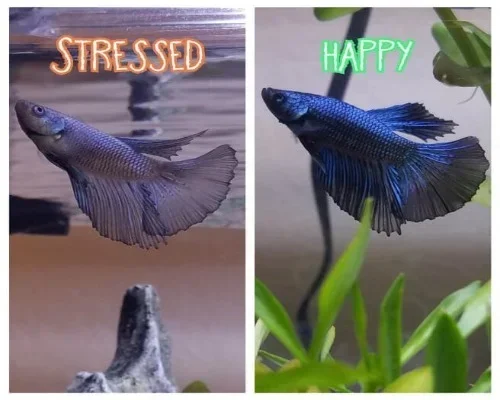
Betta fish stress can stem from poor water quality, wrong tank temperatures, aggressive tank mates, and overfeeding. Understanding what causes betta fish stress is the first step toward preventing serious health problems and helping your fish live a long, happy life.
Every betta fish owner wants their colorful companion to thrive. But sometimes, these beautiful fish show signs of distress that leave us worried and confused. What causes betta fish stress? The answer is more complex than you might think. From water quality issues to incompatible tank mates, many everyday factors can push your betta into a stressed state. This guide breaks down every major cause of betta fish stress in simple, easy-to-understand terms.
Understanding the root causes of stress is essential because prolonged stress weakens your betta’s immune system. A weakened immune system opens the door to diseases like swim bladder disease, fungal infections, and fin rot. By the end of this article, you will know exactly what to avoid and how to create a calm, healthy environment for your fish.
If you have ever wondered why your betta fish suddenly stopped eating or started hiding, this article is for you. Let us dive into the most common causes of betta fish stress and explore practical solutions you can use today.
Key Takeaways
- Poor Water Quality: Dirty water with high ammonia or nitrite levels is one of the biggest causes of stress in betta fish.
- Wrong Temperature: Water that is too cold or too hot triggers stress and weakens your betta’s immune system.
- Aggressive Tank Mates: Housing bettas with fin-nipping or territorial fish creates constant stress and danger.
- Overfeeding and Poor Diet: Feeding too much or the wrong foods leads to health issues and behavioral stress.
- Small or Bare Tanks: Tanks that are too small or lack hiding spots and plants cause anxiety in bettas.
- Sudden Environment Changes: Abrupt shifts in lighting, noise, or tank setup can shock your betta fish.
- Stress Can Be Fatal: Chronic stress weakens the immune system and can lead to deadly diseases if left unchecked.
📑 Table of Contents
1. Poor Water Quality
Water quality is the single most important factor in keeping your betta fish healthy. Dirty water filled with ammonia and nitrite creates a toxic environment that causes constant stress. Even small amounts of these chemicals can irritate your betta’s gills and skin.
How Ammonia Builds Up
Ammonia comes from fish waste, uneaten food, and decaying plant matter. In a tank without proper filtration or cycling, ammonia levels rise quickly. Your betta fish has no way to escape this toxic buildup. The result is ongoing physical stress and behavioral changes.
- Cloudy or foul-smelling water
- Red or inflamed gills
- Lethargy and loss of appetite
- Rapid breathing at the water surface
Signs Your Water Quality Is Poor
Watch for these warning signs that your tank water needs attention. If you notice any of these symptoms, test your water immediately using a liquid test kit. Water parameters for betta fish should always include zero ammonia, zero nitrite, and nitrate levels below 20 ppm. Regular water changes of 25 to 30 percent every week help maintain safe conditions.
Using the right kind of water to use for betta fish also matters. Tap water often contains chlorine and chloramine, which are harmful to fish. Always use a water conditioner before adding water to your tank. This simple step removes dangerous chemicals and keeps your betta comfortable.
Many beginners overlook the importance of tank cycling. A properly cycled tank grows beneficial bacteria that break down waste products. Without this biological filter, your betta fish faces a constant barrage of toxins. What causes betta fish stress most often comes down to neglected water maintenance.
2. Incorrect Water Temperature
Bettas are tropical fish that need warm, stable water temperatures. When the temperature drops too low or spikes too high, your fish experiences physical stress. Temperature swings are especially dangerous because they shock your betta’s system.
The Ideal Temperature Range
The best temperature for a betta fish tank is between 78 and 80 degrees Fahrenheit (about 25 to 27 degrees Celsius). At this range, your betta’s metabolism works efficiently, and their immune system stays strong. Water that falls below 74 degrees Fahrenheit slows down their body functions and makes them vulnerable to illness.
On the other hand, water above 82 degrees Fahrenheit reduces oxygen levels and causes discomfort. What temperature do betta fish like is warm and consistent. Investing in a reliable aquarium heater with a thermostat helps maintain stable temperatures year-round.
Why Temperature Fluctuations Are Dangerous
Sudden temperature changes are worse than slightly incorrect temperatures. A cold draft near the tank or placing it near a sunny window can cause rapid fluctuations. These swings weaken your betta’s immune response and trigger stress behavior. If you want to know more about keeping your betta comfortable, check out what water temperature do betta fish like for detailed guidance.
- Place the heater near the filter outflow for even heat distribution
- Avoid placing the tank near doors, windows, or vents
- Use a thermometer to check the temperature daily
- Choose a heater rated for your tank size
3. Aggressive or Incompatible Tank Mates
Choosing the right tank mates for your betta fish is crucial. Bettas are territorial by nature, and housing them with aggressive or fin-nipping fish causes constant stress. Even fish that seem peaceful can bother a betta by chasing or nipping at its long fins.
Fish to Avoid With Bettas
Some fish species are notorious for causing stress in bettas. Bright-colored fish with flowing fins often trigger aggression because bettas see them as rivals. Fast-moving fish like tiger barbs or serpae tetras nip at betta fins and create a hostile environment.
Large or boisterous fish like goldfish and cichlids are far too active for a peaceful betta setup. They outcompete bettas for food and space. If you are unsure about compatibility, always research before adding any new fish. Learn more about what types of fish can live with a betta to make informed choices.
The Best Tank Mates for Bettas
Peaceful, non-fin-nipping species work best with bettas. Snails, ghost shrimp, and small Corydoras catfish are popular choices. These companions do not threaten your betta and help keep the tank clean. The goal is a calm community where every fish feels safe.
Remember that even with compatible tank mates, some bettas prefer to live alone. Every betta has a unique personality. If your fish shows signs of stress around others, consider a solo setup. What causes betta fish stress through tank mate conflicts is entirely preventable with proper research.
4. Overfeeding and Poor Diet
Feeding your betta fish might seem simple, but mistakes happen easily. Overfeeding is one of the most common problems betta owners make, and it leads to both physical and mental stress. A bloated belly from too much food causes discomfort and health problems.
How Much Should You Feed a Betta Fish?
Feed your betta two to three small meals per day. Each meal should be about the size of your betta’s eye. Bettas are carnivores that need protein-rich foods like bloodworms, brine shrimp, and high-quality pellets. Variety in their diet supports good health and natural behavior.
Overfeeding leads to obesity, constipation, and swim bladder issues. Uneaten food also decays in the tank, which spikes ammonia levels and ruins water quality. This creates a cycle of stress that affects your fish in multiple ways.
If your betta stops eating, it could be a sign of stress or illness. Check out what to do when your betta fish won’t eat for helpful tips on addressing feeding problems.
Best Foods for Betta Fish
High-quality betta pellets should form the foundation of your fish’s diet. Supplement with frozen or live foods for variety. What to feed betta fish besides fish food includes daphnia, mosquito larvae, and chopped earthworms. Always thaw frozen foods before feeding to avoid digestive issues.
Avoid feeding your betta bread, crackers, or human snacks. These foods offer no nutritional value and can cause serious digestive problems. A balanced diet keeps your betta active, colorful, and stress-free.
5. Inadequate Tank Size and Environment
The size and setup of your betta’s tank play a huge role in their stress levels. Many people keep bettas in tiny bowls or vases, which is harmful and stressful. A cramped environment restricts movement and prevents natural behavior.
What Size Tank Does a Betta Fish Need?
A minimum tank size of 5 gallons is recommended for a single betta fish. Larger tanks provide more swimming space and better water stability. In a small bowl, waste chemicals concentrate quickly, making it harder to maintain clean water. What size tank should betta fish live in is at least 5 gallons, though 10 gallons or more is even better.
Creating a Comfortable Environment
Bettas need more than just water and a heater. They thrive in environments that mimic their natural habitat. Adding live plants, hiding spots, and gentle lighting creates a sense of security for your fish. Plants also help absorb ammonia and produce oxygen naturally.
Bright, harsh lighting causes stress and anxiety. Bettas prefer dim or subdued lighting that mimics the shaded waters of their native rice paddies and streams. Floating plants like water lettuce or frogbit provide natural shade and make your betta feel safe.
Avoid placing the tank in high-traffic areas where noise and vibrations are constant. Loud sounds and sudden movements near the tank startle bettas and keep them on edge. If you want to learn more about reducing stress in your fish, read do betta fish get over stress for helpful insights on recovery.
6. Sudden Changes and Handling Mistakes
Even with perfect water quality and a great tank, sudden changes can stress your betta fish. Bettas are creatures of habit, and disruptions to their routine trigger anxiety and behavioral problems.
Common Stress Triggers
Moving the tank to a new location, changing the décor, or introducing new equipment all cause temporary stress. Even rearranging plants and decorations disrupts your betta’s sense of territory. These changes seem small to us but feel enormous to a fish confined to a tank.
Handling your betta roughly during tank maintenance or netting causes physical stress and removes their protective slime coat. Always use a soft net and move gently. What causes betta fish stress through handling is often overlooked but easy to prevent with care and patience.
The Role of Noise and Vibrations
Placing your betta tank near a television, speaker, or frequently opened door creates constant noise stress. Vibrations travel through the water and startle your fish. Over time, this chronic stress affects their health and lifespan. A quiet location away from high-traffic areas is ideal for your betta’s well-being.
If your betta shows signs of stress after a change, give them time to adjust. Some fish recover quickly, while others need several days to settle in. Maintaining stable conditions is the best way to prevent unnecessary stress. You can also explore using stress coat products for betta fish to help soothe anxious fish during transitions.
How Stress Affects Your Betta Fish
Understanding what happens inside your betta’s body during stress helps you take action faster. When a betta feels threatened or uncomfortable, its body releases cortisol, a stress hormone. Short bursts of cortisol are manageable, but chronic stress leads to serious health decline.
Stressed bettas often lose their vibrant colors. Their fins may clump together, and they become less active. Some fish stop eating entirely, while others develop erratic swimming patterns. These visible signs should never be ignored.
Chronic stress opens the door to secondary infections. Bacteria, fungi, and parasites that a healthy immune system would normally fight off take advantage of a weakened fish. In severe cases, stress can be fatal. Can a betta fish die from stress? Yes, prolonged stress significantly shortens a betta’s lifespan and can lead to death.
Common stress-related diseases include ich (white spot disease), fin rot, velvet disease, and bacterial infections. Each of these conditions requires treatment, but the real solution is addressing the underlying cause of stress. Preventing stress is always easier and more effective than treating diseases after they appear.
Quick Tips to Reduce Betta Fish Stress
Here are simple, actionable tips you can start using today to keep your betta fish calm and happy:
- Test your water weekly and perform regular water changes to keep ammonia and nitrite at zero.
- Maintain a stable temperature between 78 and 80 degrees Fahrenheit with a reliable heater.
- Feed small amounts twice a day and remove any uneaten food after five minutes.
- Choose peaceful tank mates or keep your betta alone in a well-planted tank.
- Provide hiding spots using plants, caves, or driftwood to give your betta a sense of security.
- Keep the tank in a quiet location away from loud noises and high-traffic areas.
- Avoid sudden changes to the tank setup, and make adjustments gradually if needed.
- Observe your betta daily so you can catch signs of stress early and respond quickly.
Conclusion
What causes betta fish stress? The answer covers many aspects of tank care, from water quality and temperature to diet and tank mates. Every betta fish owner has a responsibility to create a safe, stable, and enriching environment. By addressing the root causes of stress, you protect your fish from illness and help them live their longest, happiest life.
Small changes make a big difference. Test your water regularly, feed wisely, and choose compatible companions for your betta. Watch your fish closely and learn their unique behaviors. A calm, confident betta is a healthy betta, and your effort will be rewarded with years of beautiful companionship.
Remember that preventing stress is always better than treating stress-related diseases. Stay proactive, stay informed, and your betta fish will thrive in the comfort of a well-maintained home.
Frequently Asked Questions
Can stress kill a betta fish?
Yes, chronic stress weakens a betta’s immune system and can lead to fatal diseases. Prolonged exposure to stressful conditions like poor water quality or wrong temperatures significantly shortens a betta’s lifespan. This is why preventing stress is so important for your fish’s health.
How do I know if my betta fish is stressed?
Common signs include clamped fins, loss of color, hiding constantly, loss of appetite, and rapid breathing. Erratic swimming or darting around the tank also indicates stress. If you notice these behaviors, test your water and check for environmental triggers immediately.
What water temperature causes stress in betta fish?
Water below 74 degrees Fahrenheit or above 82 degrees Fahrenheit causes stress. Temperature swings are especially harmful, so maintaining a stable range of 78 to 80 degrees is essential. For more details, check out what temperature is too hot for a betta fish to understand heat-related stress.
Can a betta fish recover from stress?
Yes, most bettas recover from stress once the underlying cause is removed. Improving water quality, adjusting temperature, and providing a calm environment help your fish bounce back. Some fish may need a few days to return to normal behavior. For guidance on helping stressed fish, read do betta fish get over stress for helpful recovery tips.
Does overfeeding cause stress in betta fish?
Yes, overfeeding causes physical discomfort and health problems that lead to stress. Bloating, constipation, and swim bladder issues all result from too much food. Uneaten food also pollutes the water, compounding the stress. Feed small amounts and remove leftovers to keep your betta healthy and stress-free.
What should I do if my betta fish is stressed?
First, test your water parameters and temperature to identify the problem. Perform a partial water change to improve water quality, and check for aggressive tank mates. Feed a small, easily digestible meal and reduce lighting and noise around the tank. If your betta stops eating due to stress, what to do if my betta fish won’t eat can provide helpful steps to encourage feeding again.