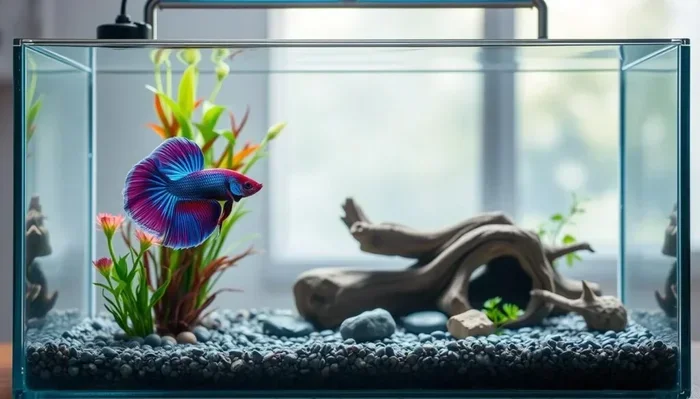
What Causes Betta Fish Not to Eat
When a betta fish stops eating, it can worry any pet owner. The most common causes of betta fish not eating include poor water quality, stress, swim bladder disease, overfeeding, and sudden changes in their environment. Understanding these triggers helps you act quickly and keep your betta healthy and happy.
Watching your betta fish ignore food is a stressful moment for any aquarium owner. You place a pellet or a tiny worm near their mouth, and they just swim away. It raises an immediate question: what causes betta fish not to eat? The answer is not always simple. Several factors can lead to appetite loss in bettas, and most of them are fixable once you identify the root cause.
Betta fish are naturally hardy and eager eaters. When they suddenly stop feeding, it is a clear signal that something is off. Whether it is a tiny change in water temperature or a more serious health issue, catching the problem early makes a big difference. This guide walks you through every major reason your betta might refuse food and gives you practical steps to bring their appetite back.
Understanding betta fish appetite loss starts with knowing their basic needs. Bettas thrive in warm, clean water and respond well to a consistent feeding routine. When any of these factors shift, their body reacts. Let us dive into the most common causes and what you can do about each one.
Key Takeaways
- Poor water conditions are the #1 reason betta fish refuse to eat.
- Stress from new environments or tank mates can suppress their appetite.
- Swim bladder disease and constipation make it painful or impossible to eat.
- Overfeeding leads to bloating and long-term appetite loss.
- Illness symptoms like lethargy and clamped fins often accompany food refusal.
- Quick water changes and proper feeding habits can restore your betta’s appetite fast.
- Knowing when to seek help from a fish vet prevents serious health decline.
📑 Table of Contents
- Poor Water Quality: The Silent Appetite Killer
- Stress and Environmental Changes
- Swim Bladder Disease and Digestive Issues
- Overfeeding and Dietary Problems
- Common Illnesses That Cause Appetite Loss
- Temperature and Tank Conditions
- How to Get Your Betta Eating Again
- When to Seek Professional Help
- Prevention: Keeping Your Betta Healthy and Hungry
- Final Thoughts on What Causes Betta Fish Not to Eat
Poor Water Quality: The Silent Appetite Killer
The single biggest cause of betta fish not eating is poor water quality. Bettas are sensitive to changes in their environment. Even small spikes in ammonia, nitrite, or nitrate can make them feel unwell and refuse food entirely.
How Dirty Water Affects Your Betta
When waste builds up in the tank, harmful chemicals rise quickly. Betta fish breathe through their gills, so they absorb toxins directly from the water. This causes physical stress that shuts down their hunger. Here are the most common water problems that lead to appetite loss:
- High ammonia levels burn the gills and cause immediate stress.
- Elevated nitrite prevents oxygen from binding properly in the blood.
- Excess nitrate buildup creates long-term sluggishness and food refusal.
- pH swings outside the 6.5 to 7.5 range unsettle your betta.
- Cold water below 76°F slows metabolism and kills appetite.
If your betta stops eating suddenly, test the water first. A simple aquarium water test kit can reveal hidden problems. Most betta owners learn quickly that regular water changes are the foundation of healthy feeding habits. A 25% water change every week keeps toxins low and appetite steady.
Using the right water for your tank also plays a huge role. Tap water with chlorine or chloramine will stress your betta fast. Always use a water conditioner before adding new water to the aquarium.
Stress and Environmental Changes
Betta fish are more sensitive than many people realize. They do not handle stress well, and stress is a leading reason why your betta fish won’t eat. Even small changes in their surroundings can trigger a full appetite shutdown.
Common Stress Triggers for Bettas
Several everyday situations cause stress in bettas. Recognizing these triggers helps you prevent appetite problems before they start:
- New tank setup. A freshly cycled tank overwhelms bettas with unfamiliar smells and water parameters.
- Loud noises or vibrations. Bettas near TVs or speakers often hide and stop feeding.
- Aggressive tank mates. Even peaceful fish can nip at betta fins and create constant tension.
- Bright or flickering lights. Harsh lighting makes bettas feel exposed and anxious.
- Moving the tank. Relocating the aquarium disrupts their sense of security.
When a betta feels threatened, their body releases cortisol. This stress hormone directly suppresses hunger signals. The fish enters survival mode and focuses on staying safe rather than searching for food. Removing the stress source and giving your betta time to adjust usually restores their eating within a few days.
If you just added a betta to a new tank, give them a few days to settle in. What to do when your betta fish won’t eat often starts with patience and stable water conditions. Avoid tapping on the glass or chasing your betta around the tank during this adjustment period.
Swim Bladder Disease and Digestive Issues
One of the most well-known causes of betta fish not eating is swim bladder disease. This condition affects the organ that controls buoyancy. When it malfunctions, your betta may struggle to swim, float oddly, or simply stop wanting to eat.
What Triggers Swim Bladder Problems
Several factors contribute to swim bladder issues in bettas. Understanding these helps you prevent and treat the condition effectively:
- Overfeeding causes constipation, which puts pressure on the swim bladder.
- Eating dry food too quickly leads to air gulping and bloating.
- Cold water temperatures slow digestion and increase constipation risk.
- Bacterial infections can directly inflame the swim bladder organ.
- Physical injury from sharp decorations or aggressive fish causes swelling.
Swim bladder disease in betta fish often resolves with simple home treatment. Fasting your betta for two to three days helps clear blockages. Then offer a single cooked pea (shelled) to promote healthy digestion. Many owners see their betta eating again within 48 hours of starting this routine.
Constipation in bettas is closely related to swim bladder problems. A constipated fish feels full all the time and has no interest in food. Prevention is straightforward: feed small amounts twice a day, use high-quality pellets, and soak dry food before offering it to your fish.
Overfeeding and Dietary Problems
It is easy to love your betta with too much food. Overfeeding is one of the most common mistakes new betta owners make. The result is often betta fish appetite loss caused by bloating, sluggish digestion, and long-term health decline.
How Much Should You Feed a Betta?
A betta’s stomach is roughly the size of their eye. That gives you a clear picture of how little they actually need. Here is a simple feeding guide:
- Adult bettas: 2 to 3 pellets or a small pinch of food twice daily.
- Baby bettas: 3 to 4 tiny meals per day with micro-food or brine shrimp.
- Fasting days: Skip one feeding per week to let the digestive system reset.
Overfeeding does more than kill appetite. Excess food rots in the tank and spikes ammonia levels. This creates a vicious cycle where dirty water and bloated digestion combine to make your betta feel terrible. What to feed betta fish matters just as much as how much you feed them. A varied diet of pellets, frozen bloodworms, and occasional live food keeps your betta healthy and eager to eat.
Common Illnesses That Cause Appetite Loss
Sometimes the reason your betta fish not eating points to a deeper health problem. Illness in bettas often shows its first sign through food refusal. Recognizing these symptoms early gives you the best chance of successful treatment.
Illnesses That Suppress Appetite in Bettas
Several diseases directly cause bettas to stop eating. Here are the most common ones to watch for:
- Fin rot. Bacterial infection that damages fins and causes overall lethargy. Affected fish often hide and refuse food.
- Columnaris. A fast-acting bacterial disease that causes white patches and rapid appetite loss.
- Parasitic infections. Internal parasites steal nutrients and make your betta feel constantly unwell.
- Fungal infections. These often follow injuries and create a general sense of sickness in the fish.
- Viral diseases. Less common but harder to treat, viral infections can cause prolonged food refusal.
If your betta shows additional symptoms like clamped fins, white spots, redness, or unusual swimming patterns alongside appetite loss, take action quickly. Why does my betta fish not want to eat often links back to one of these treatable conditions. Quarantining a sick fish and consulting a fish veterinarian can save your betta’s life.
Temperature and Tank Conditions
Betta fish are tropical creatures that need warm, stable water. When the temperature drops, their metabolism slows dramatically. A cold betta becomes sluggish, stops swimming actively, and loses interest in food completely.
The Ideal Temperature Range for Bettas
Keep your betta’s tank between 78°F and 80°F for optimal health. Here is what happens when the temperature drifts outside this range:
| Temperature Range | Effect on Betta | Appetite Response |
|---|---|---|
| Below 74°F | Metabolism slows severely | Refuses food entirely |
| 74°F to 77°F | Sluggish and low energy | Eats very little or skips meals |
| 78°F to 80°F | Active and healthy | Normal eating behavior |
| Above 82°F | Stressed and oxygen-deprived | May eat less or refuse food |
Using a reliable aquarium heater with a thermostat keeps the temperature steady. Bettas also need gentle filtration because strong currents tire them out and suppress their desire to eat. A sponge filter works perfectly for most betta setups.
How to Get Your Betta Eating Again
Once you identify the cause of appetite loss, the next step is simple: take action. Most bettas resume eating within a few days once the problem is addressed. Here is a step-by-step approach to restoring your betta’s hunger.
Step-by-Step Recovery Plan
- Test the water. Check ammonia, nitrite, nitrate, and pH levels immediately.
- Do a partial water change. Replace 25% of the tank water with conditioned, temperature-matched water.
- Remove stressors. Turn off loud devices, dim the lights, and give your betta space.
- Fast for 2 to 3 days. Skip feedings to clear any digestive blockages or constipation.
- Offer small, tempting food. Try live brine shrimp or a single soaked pellet after fasting.
- Monitor closely. Watch for improvement over 48 to 72 hours.
If your betta still refuses food after a week of these steps, it is time to consult a professional. Persistent appetite loss often signals an underlying health condition that needs targeted treatment.
When to Seek Professional Help
Most cases of betta fish not eating resolve with simple adjustments. But some situations require expert intervention. If your betta shows any of the following signs alongside food refusal, do not wait too long:
- Visible bloating that does not improve after fasting.
- White spots or fuzzy growth on the body or fins.
- Labored breathing or gasping at the surface.
- Inability to swim normally or staying at the bottom constantly.
- No eating at all for more than five days.
A qualified fish veterinarian or experienced aquarium specialist can diagnose conditions that are not visible to the naked eye. Early treatment for infections, parasites, or internal blockages gives your betta the best chance of a full recovery.
Prevention: Keeping Your Betta Healthy and Hungry
The best way to deal with appetite loss is to prevent it from happening in the first place. A well-maintained tank and consistent routine keep your betta in top condition year-round. Here are the core habits that support a healthy appetite:
- Test water weekly and perform regular partial water changes.
- Feed small amounts twice a day and never more than your betta can consume in two minutes.
- Maintain stable temperature between 78°F and 80°F with a reliable heater.
- Avoid overcrowding the tank and choose peaceful tank mates carefully.
- Offer variety in diet with pellets, frozen, and live foods rotated regularly.
- Watch for early warning signs like reduced activity or disinterest in food.
- Keep the tank clean with appropriate filtration and regular gravel vacuuming.
Building these habits into your routine means you will rarely face the stressful situation of a betta fish refusing food. Prevention is always easier and kinder than treatment.
Final Thoughts on What Causes Betta Fish Not to Eat
Betta fish not eating is a common problem with many possible causes. Poor water quality, stress, swim bladder disease, overfeeding, illness, and incorrect temperatures all play a role. The good news is that most of these causes are preventable and treatable with simple, consistent care.
Pay attention to your betta’s environment and behavior. A healthy betta eagerly swims to the surface at feeding time. When that changes, it is your signal to investigate. Start with water quality and temperature, then move through the stress and health factors systematically. You will usually find the answer and get your fish eating again within days.
Remember that patience is your greatest tool. Bettas need time to adjust to changes, and their bodies respond best to gentle, steady care. By understanding what causes betta fish not to eat, you are already ahead of most aquarium owners. Your betta depends on you for a healthy home, and your awareness makes all the difference.
For more guidance on handling feeding challenges, check out what to do if your betta fish won’t eat and why your betta fish don’t want to eat. These resources give you additional strategies for keeping your betta healthy, active, and eager at mealtime.
Frequently Asked Questions
How long can a betta fish go without eating?
A healthy adult betta can survive 10 to 14 days without food, but this should never be intentional. Appetite loss lasting more than three to five days usually signals a problem that needs attention. Monitor water quality and behavior closely during any period of food refusal.
Why did my betta fish suddenly stop eating?
Sudden appetite loss in bettas is most often caused by poor water quality, a temperature drop, or a stressful event in their environment. Test the water parameters first, then look for signs of illness or stress. Quick action usually resolves the issue within a few days.
Can overfeeding cause a betta fish to stop eating?
Yes, overfeeding is a leading cause of appetite loss in bettas. Excess food causes bloating, constipation, and swim bladder issues that make eating uncomfortable. Feeding small amounts twice a day and including fasting days prevents this common problem.
What should I do if my betta fish won’t eat for two days?
Do not panic after just two days. Check your water parameters, ensure the temperature is in the 78°F to 80°F range, and remove any visible stressors. Offer a small amount of tempting food like live brine shrimp after a brief fast. If the refusal continues past three days, start investigating health issues more thoroughly.
Is it normal for a new betta fish to not eat for the first few days?
Yes, it is very normal. A new betta needs time to adjust to its surroundings and feel safe. Most bettas start eating within three to five days of being placed in a new tank. Keep the environment calm, dim the lights, and avoid disturbing them during this adjustment period.
Can illness cause betta fish to stop eating completely?
Absolutely. Many betta fish illnesses, including bacterial infections, parasitic diseases, and swim bladder disorder, cause complete appetite loss as an early symptom. If food refusal continues alongside other signs like lethargy, clamped fins, or unusual swimming, seek treatment promptly to give your betta the best chance of recovery.