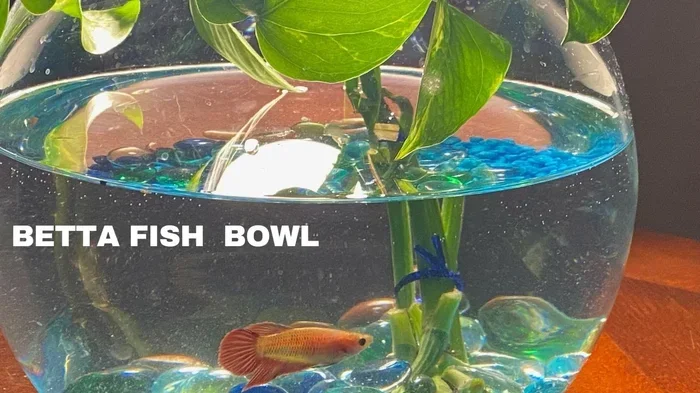
What Can You Train a Betta Fish to Do
You can train a betta fish to do several fun and engaging tricks, from following your finger to swimming through hoops. Betta fish are smarter than most people think, and with patience and the right approach, you can teach them simple commands and behaviors. This guide covers the best tricks to try, step-by-step training methods, and tips to keep your betta fish healthy and mentally stimulated.
This is a comprehensive guide about what can you train a betta fish to do.
Key Takeaways
- Betta fish can learn tricks: With patience, you can teach your betta to follow your finger, swim through hoops, and respond to feeding cues.
- Food rewards work best: Using small treats during training sessions keeps your betta motivated and engaged.
- Short sessions are key: Training should last only 3 to 5 minutes to avoid stressing your fish out.
- Bonding matters: Regular gentle interaction helps build trust and makes training easier.
- Avoid common mistakes: Don’t overtrain, use harsh chemicals, or expect instant results.
- Mental stimulation is vital: Enrichment activities keep your betta fish happy and healthy long-term.
[FEATURED_IMAGE_PLACEHOLDER]
Have you ever watched your betta fish glide through the water and wondered if there is more to them than just a pretty face? The truth is, betta fish are surprisingly intelligent creatures. They can recognize their owners, respond to signals, and even learn simple tricks. If you have ever asked yourself, “what can you train a betta fish to do,” you are in the right place.
Training your betta fish is not only possible, it is also a fun way to bond with your pet. Many fish owners do not realize that bettas have the capacity to learn basic behaviors and routines. From following your finger to swimming through small hoops, the possibilities are more exciting than most people expect. In this article, we will walk you through everything you need to know about betta fish training in a simple and easy-to-follow way.
Whether you are a complete beginner or have had bettas for years, this guide will give you practical tips and real-world examples. You will learn what tricks work best, how to set up training sessions, and what mistakes to avoid. Let us dive in and explore the wonderful world of training betta fish at home.
Understanding Betta Fish Intelligence
Before you start any training, it helps to understand how your betta fish thinks. Bettas are not just colorful decorations floating in a tank. They are curious, alert, and capable of learning. Many people underestimate betta fish intelligence, but research and owner experiences show otherwise.
How Smart Are Betta Fish?
Betta fish have small brains, but they are surprisingly capable. They can recognize patterns, remember routines, and respond to stimuli. For example, many betta owners report that their fish swim to the front of the tank when they approach. This is not random behavior. Your betta is learning who feeds them and when.
Betta fish learning happens through repetition and positive reinforcement. Just like dogs respond to treats, bettas respond to food rewards. The key is consistency and patience. You cannot expect your fish to master a trick overnight. Give it time, and you will see progress.
Why Mental Stimulation Matters
A betta fish in a bare tank with nothing to do can become bored. Boredom leads to stress, and stress leads to health problems. Providing mental stimulation for betta fish through training is one of the best things you can do for your pet. It keeps their mind active and their body moving.
Think of training as a form of betta fish enrichment. It is not just about teaching tricks. It is about creating a richer environment for your fish. When you engage with your betta daily, you are improving their quality of life in a meaningful way.
Top Tricks You Can Teach Your Betta Fish
Now that you understand the basics, let us get into the fun part. What can you train a betta fish to do? Here are some of the most popular and achievable tricks for home aquarists.
Following Your Finger
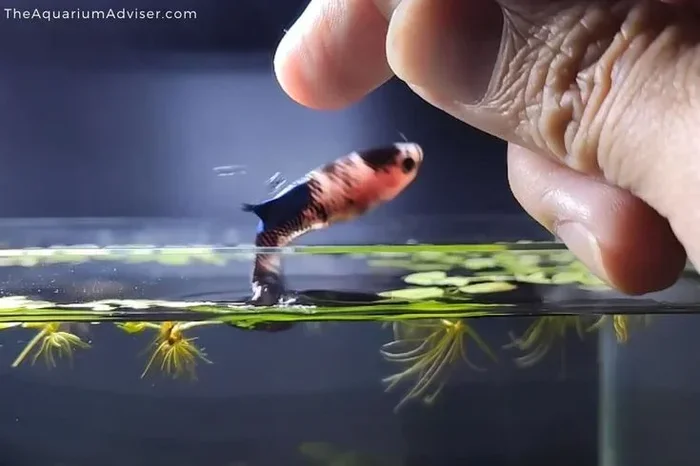
This is the most basic and rewarding trick to start with. Simply place your finger on the outside of the tank and wait for your betta to notice. Move your finger slowly, and your fish will likely follow it. Over time, your betta will associate your finger with attention and betta fish food rewards.
Start by holding your finger still for a few seconds. Then move it very slowly. Reward your fish with a tiny treat when it follows. Within a week or two, most bettas will follow your finger consistently.
Swimming Through a Hoop
Once your betta masters following your finger, you can try a hoop trick. You can make a simple hoop using a plastic pipe cleaner or a small hoop sold for fish training. Hold the hoop in the water and guide your fish through it with a treat on the other side.
This trick requires more patience. Start with a large hoop and gradually make it smaller as your fish gets better. Teaching betta fish tricks like this one is incredibly rewarding to watch and shows just how clever these little fish can be.
Responding to a Signal or Sound
Bettas can learn to associate specific sounds or signals with feeding time. You might tap the glass gently or use a small bell before you feed. Over time, your betta will learn that the sound means food is coming, and they will swim to the surface eagerly.
This is one of the simplest forms of betta fish commands you can teach. It also helps you monitor your fish’s health. If your betta does not respond to the signal, it could be a sign that something is off and you should check on them.
Target Training
Target training is a more advanced trick but still very doable at home. You use a small object, like the tip of a pen or a dedicated fish target, and guide your betta to touch it with their mouth. Each time they touch the target, you reward them with food.
This trick builds on the same principles of positive reinforcement used in other animal training. It is excellent for building trust between you and your fish. Many experienced betta owners use target training as a foundation for more complex tricks.
How to Train Your Betta Fish Step by Step
Training a betta fish is not complicated, but it does require a consistent approach. Here is a simple step-by-step process you can follow at home.
Step 1: Set Up the Right Environment
Before training begins, make sure your fish tank is clean and comfortable. A stressed fish will not learn well. Check that your water parameters are stable and that your betta fish tank setup includes proper heating and filtration. If you are unsure about what equipment you need, check out our guide on what do you need for a betta fish beginners for a full checklist.
A calm, well-maintained tank is the foundation of successful betta fish training. Your fish needs to feel safe before it can focus on learning new behaviors.
Step 2: Choose the Right Time
Train your betta when it is alert and active. Most bettas are most responsive during feeding times. Do not train right after a big meal, as a full fish will be less motivated. Aim for a time when your betta is hungry but not desperate.
Keep sessions short, around 3 to 5 minutes. Any longer and your fish will lose interest or get stressed. Consistency matters more than duration. A few minutes every day is far better than one long session once a week.
Step 3: Use High-Value Rewards
Find a treat that your betta loves. Bloodworms, brine shrimp, or small pieces of frozen food work great. Use these exclusively during training so your fish sees them as special rewards. You can also check our article on what human foods are safe for betta fish for more ideas on treats.
Give the reward immediately after your fish performs the desired behavior. This creates a clear connection between the action and the reward. Over time, your betta will repeat the behavior to earn the treat.
Step 4: Be Patient and Consistent
Every betta learns at its own pace. Some fish pick up tricks in a few days, while others take weeks. Do not get frustrated if progress is slow. The most important thing is to stay calm and never force your fish to do anything.
Repeat the same signal or cue each time. Consistency helps your betta understand what you want. If you change signals or get frustrated, your fish will pick up on the negative energy and training will stall.
Common Mistakes When Training Betta Fish
Training betta fish is straightforward, but there are a few common pitfalls that even experienced owners fall into. Avoiding these mistakes will make your training sessions much more productive.
Overtraining Your Fish
One of the biggest mistakes is training for too long or too often. Betta fish need rest just like any other animal. Pushing them beyond their limits causes stress and can actually harm their health. Stick to short daily sessions and watch for signs of fatigue.
Signs of an overtired or stressed betta include hiding, refusing food, or erratic swimming. If you notice any of these, stop training and give your fish time to recover. Betta fish enrichment should always be fun, not exhausting.
Using Dirty Water or Harsh Chemicals
Never use soap or chemical cleaners near your betta fish tank. Even small residues can be deadly to your fish. Always use clean, treated water for any tank maintenance. If you are wondering about cleaning products, read our article on can you use soap to clean a betta fish tank to understand the risks.
Clean water is essential for a healthy, happy betta. A fish living in poor conditions will not have the energy or focus to learn anything.
Expecting Too Much Too Soon
It is easy to get excited and expect your betta to perform complex tricks right away. Remember that training betta fish at home is a gradual process. Start with the simplest tricks and build up from there. Celebrate small wins along the way.
Building a Strong Bond Through Training
Training is about more than just tricks. It is a way to build a deeper connection with your betta fish. When you spend time interacting with your fish daily, they begin to recognize you and feel more comfortable in your presence.
Many owners notice that their bettas become more active and responsive over time. This is a sign of trust and bonding. Regular, gentle interaction with your betta fish creates a positive association between you and your pet.
Some owners even report that their bettas swim to the top of the tank when they approach, almost as if greeting them. This kind of behavior shows that your fish is not just surviving, it is thriving because of your care and attention. Training strengthens that bond every single day.
Keeping Your Betta Fish Healthy During Training
Training should never come at the expense of your betta’s health. Here are a few tips to make sure your fish stays healthy while you work on new tricks.
- Maintain a clean tank: Regular water changes and proper filtration keep your fish in top condition.
- Feed a balanced diet: High-quality pellets and occasional treats support both physical and mental health.
- Monitor water temperature: Bettas need warm water, ideally between 76 and 82 degrees Fahrenheit.
- Watch for signs of stress: Loss of color, clamped fins, or hiding are all warning signs.
- Keep the tank environment stable: Avoid sudden changes in lighting, temperature, or noise levels.
Your betta fish needs a healthy foundation to support any training efforts. A well-cared-for fish is a happy, curious fish that is eager to learn. If you want to learn more about keeping your betta in optimal condition, read our article on do betta fish have to be in a filtered tank for essential tank setup tips.
Conclusion
So what can you train a betta fish to do? The answer is more than most people realize. From following your finger to target training and responding to signals, betta fish are capable learners that thrive on mental stimulation and interaction. Training is not just about showing off cool tricks, it is about enriching your fish’s life and building a meaningful bond with your pet.
Start with simple tricks, use positive reinforcement, keep sessions short, and always prioritize your fish’s well-being. With patience and consistency, you will be amazed at what your betta can learn. The journey of training a betta fish is one of the most rewarding parts of fish ownership. Enjoy every moment of it.
Frequently Asked Questions
Can all betta fish be trained to do tricks?
Most betta fish can learn simple tricks with patience and consistency. However, every fish has its own personality. Some bettas are more curious and eager to learn, while others may be more shy or slow to respond. The key is to be patient and never force your fish to do anything it is uncomfortable with.
How long does it take to train a betta fish?
Training timelines vary depending on the trick and the individual fish. Simple tricks like following your finger can be learned within one to two weeks. More complex tricks like swimming through hoops may take several weeks of consistent practice. Short daily sessions of 3 to 5 minutes work best for steady progress.
What is the best food to use as a training reward for betta fish?
Small pieces of bloodworms, brine shrimp, or high-quality frozen treats make excellent training rewards. These are high in protein and most bettas find them irresistible. Use them sparingly during training to keep your fish motivated without overfeeding. Remember to factor these treats into your overall feeding schedule to avoid excess food in the tank.
Is it safe to put my hand in the tank during training?
Gentle hand interaction can be safe if your hands are clean and free of soap or chemicals. Always wash your hands thoroughly before reaching into the tank. Some bettas enjoy having their owner’s hand nearby, which helps build trust. For more details on safe tank interaction, you can read our guide on can you put your hand inside a betta fish bowl.
Can betta fish learn their owner’s name or voice?
While bettas cannot understand words like a dog might, they can learn to associate your voice and presence with feeding and attention. Over time, many bettas become more active when their owner is near or speaking. This recognition is a sign of a strong bond between fish and owner.
What should I do if my betta fish refuses to participate in training?
If your betta is not interested in training, do not force it. The fish may be stressed, sick, or simply not in the mood. Check water parameters, make sure the tank is clean, and try again another day. Sometimes taking a break and returning later with fresh food rewards is all it takes to reignite your fish’s interest in learning.