What Can Cause a Betta Fish to Die Quoraquora
Understanding what can cause a betta fish to die is the first step toward keeping your colorful companion healthy and happy. From poor water quality and overfeeding to stress and disease, multiple everyday factors can shorten a betta’s life. This guide breaks down each cause in simple terms and gives you actionable tips to prevent tragedy.
You asked what can cause a betta fish to die Quoraquora-style, and we have the answers you are looking for. Losing a betta fish can feel devastating, especially when you are not sure what went wrong. Many new betta owners face this heartbreak without understanding the root causes.
The truth is that several common mistakes and environmental factors can shorten a betta’s life faster than you might think. From the water they swim in to the food they eat, every detail matters. In this guide, we break down the most common causes of betta fish death in plain language so you can protect your pet.
Key Takeaways
- Poor water quality is the number one silent killer of betta fish and often goes unnoticed by new owners.
- Overfeeding can lead to fatal conditions like swim bladder disease and bloating in bettas.
- Stress from aggressive tank mates or wrong water parameters weakens a betta’s immune system over time.
- Recognizing early warning signs like lethargy, faded colors, and clamped fins can save your fish’s life.
- Regular tank maintenance and proper cycling prevent ammonia and nitrite spikes that poison bettas.
- Temperature shock from sudden water changes or incorrect heater settings is a common and preventable cause of death.
📑 Table of Contents
- 1. Poor Water Quality: The Silent Betta Killer
- 2. Overfeeding: A Common Cause of Betta Death
- 3. Temperature Shock and Incorrect Tank Conditions
- 4. Disease and Illness That Kill Betta Fish
- 5. Stress: The Hidden Betta Fish Killer
- 6. Recognizing When a Betta Fish Is About to Die
- 7. How to Prevent Betta Fish Death
- Conclusion
1. Poor Water Quality: The Silent Betta Killer
Bad water quality causes more betta deaths than almost anything else. Many beginners do not realize how quickly toxins build up in a small tank. Even if your betta looks fine one day, dangerous chemicals can be lurking beneath the surface.
How Ammonia and Nitrite Poison Betta Fish
Fish waste, uneaten food, and decaying plants release ammonia into the water. In an uncycled tank, ammonia levels spike fast. This invisible gas burns a betta’s gills and organs. Nitrite, which forms next in the nitrogen cycle, is equally deadly. Together, these two compounds create a toxic environment that stresses and kills bettas over time.
You cannot always see or smell these toxins. That is what makes them so dangerous. A betta might seem perfectly healthy one morning and be dead by evening. This is why regular water testing is essential for every betta owner.
How Often Should You Change Betta Tank Water?
For a small tank under five gallons, changing 25 to 30 percent of the water every week helps keep toxins in check. Larger tanks with proper filtration can go longer between changes, but you still need to monitor water parameters. A liquid test kit is far more reliable than test strips. Testing your water takes just a few minutes and can save your betta’s life.
Quick Tip: Always use a water conditioner like Seachem Prime when adding new water. It neutralizes chlorine and chloramine that are harmful to bettas. Never add tap water directly to your tank.
2. Overfeeding: A Common Cause of Betta Death
Overfeeding is one of the most frequent mistakes betta owners make. It is easy to think that a full belly means a happy fish. But the truth is that too much food can actually kill your betta.
What Happens When You Overfeed a Betta?
Excess food that your betta does not eat decays at the bottom of the tank. This decay spikes ammonia levels fast. Beyond that, overfeeding directly causes bloating and constipation in bettas. When a betta’s digestive system gets backed up, it can lead to a condition called swim bladder disease.
Can A Betta Fish Die From Being Overfed? Absolutely yes. An overfed betta may stop eating altogether, lose its buoyancy, and eventually die from organ failure.
The Right Feeding Schedule for Betta Fish
Feed your betta two to three small meals per day. Each meal should be no larger than what fits in their tiny mouth. High-quality betta pellets are the best staple food. You can also offer frozen or live bloodworms and brine shrimp as occasional treats. Remember, a hungry betta is a healthier betta than an overfed one.
Common Mistake: Many owners dump a large pinch of flakes into the tank once a day. This is not enough nutrition and can lead to malnutrition over time. Balance is key.
3. Temperature Shock and Incorrect Tank Conditions
Bettas are tropical fish that need warm, stable water temperatures. When the temperature in their tank drops too low or rises too high, it can shock their system and prove fatal.
Why Betta Fish Need Warm Water
The ideal temperature range for a betta fish is between 76 and 82 degrees Fahrenheit. Below 74 degrees, a betta becomes sluggish and its immune system weakens. Above 86 degrees, the oxygen level in the water drops dangerously low. Both extremes can kill a betta quickly.
Temperature shock often happens during water changes. If you add cold tap water to a warm tank, the sudden drop can send your betta into shock. Always match the temperature of new water to the tank water before adding it.
Quick Tip: Invest in a reliable aquarium heater with a thermostat. A good heater keeps the water stable even in cooler room temperatures. Cheap heaters can malfunction and cause dangerous temperature swings.
Does Tank Size Matter for Betta Survival?
Yes, tank size plays a bigger role than many people think. A tank smaller than three gallons is extremely difficult to keep stable. Small volumes of water fluctuate in temperature and chemistry much faster than larger ones. A five-gallon tank is the minimum recommended size for a single betta. Larger tanks give you more room for error and make maintenance easier.
4. Disease and Illness That Kill Betta Fish
Diseases are another major cause of betta fish death. Many illnesses are preventable with proper care, but they spread fast when conditions are poor. Knowing the signs of common betta diseases can help you act quickly.
Swim Bladder Disease and Its Dangers
Swim bladder disease affects a betta’s ability to control its buoyancy. Infected fish may float upside down, sink to the bottom, or struggle to stay upright. This condition often results from overfeeding, constipation, or bacterial infection.
Can A Betta Fish Die From Swim Bladder Disease? In severe cases, yes. If left untreated, swim bladder issues can become fatal. The good news is that early intervention with fasting and warm water can often cure mild cases.
Fin Rot and Bacterial Infections
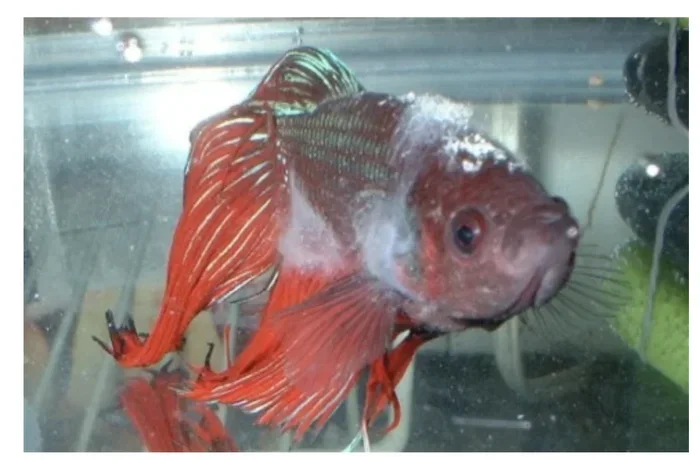
Fin rot is a bacterial infection that eats away at a betta’s beautiful fins. It starts as ragged edges and progresses to deep tissue damage if untreated. Poor water quality is the leading cause of fin rot. Stress and injury also make bettas more vulnerable to infections.
Bacterial infections like columnaris can spread rapidly and kill a betta within days. Symptoms include white patches on the body, frayed fins, and loss of appetite. Treating these infections early with aquarium salt or appropriate medication can save your fish.
Dropsy: The Most Feared Betta Disease
Dropsy is one of the most serious conditions a betta can face. It causes the fish’s body to swell with fluid, giving it a pinecone-like appearance. Dropsy is usually a sign of kidney failure and is very difficult to treat. By the time symptoms appear, the damage is often too severe to reverse.
Prevention is the only real strategy against dropsy. Maintaining pristine water quality and reducing stress are the best ways to keep your betta safe from this devastating disease.
5. Stress: The Hidden Betta Fish Killer
Stress weakens a betta’s immune system and makes it susceptible to every disease mentioned above. Many betta owners do not realize that their fish is stressed until it is too late.
What Stresses Out a Betta Fish?
Several factors cause chronic stress in bettas:
- Aggressive tank mates like cichlids or fin-nipping tetras
- Bright lights left on 24 hours a day
- Loud noises or vibrations near the tank
- Small cramped tanks with no hiding spots
- Sudden changes in water chemistry
- Being housed in a vase or tiny bowl
Each of these stressors takes a toll on your betta over time. A stressed betta stops eating, becomes lethargic, and develops faded colors. These are all signs that something is wrong.
Can A Betta Fish Die From Stress? Yes, prolonged stress can absolutely lead to death. It may not kill your betta directly, but it opens the door to infections and diseases that finish the job.
How to Create a Stress-Free Betta Environment
Provide your betta with a properly sized tank that has plenty of plants and hiding spots. Live plants like java fern and anubias work great. Keep the lighting on a natural day-night cycle of 8 to 10 hours. Choose peaceful tank mates if you decide to add other fish. And most importantly, keep the water clean and stable.
6. Recognizing When a Betta Fish Is About to Die
Knowing the warning signs can help you intervene before it is too late. A dying betta often shows clear symptoms that attentive owners can spot early.
Key Warning Signs to Watch For
Look out for these red flags in your betta’s behavior and appearance:
- Lethargy: Your betta spends most of the time lying at the bottom or hovering motionless
- Loss of appetite: Refusing food for more than two days
- Faded or pale colors: A vibrant betta that suddenly looks dull is often sick
- Clamped fins: Fins held close to the body instead of spread out
- Labored breathing: Gasping at the surface or rapid gill movement
- Swimming erratically: Spiraling, flipping, or rubbing against decorations
- Swollen body: A bloated or pinecone-like appearance signals serious illness
If you notice any combination of these symptoms, act fast. Test your water parameters immediately and quarantine the fish if possible. Early treatment gives your betta the best chance of survival.
When A Betta Fish Is About To Die, the window for intervention is often very small. That is why daily observation of your fish is so important. Spend a few minutes each day watching your betta’s behavior and appearance. You will learn what is normal for your fish and notice changes quickly.
7. How to Prevent Betta Fish Death
The good news is that most causes of betta death are preventable. With the right knowledge and a little effort, you can give your betta a long and healthy life. Bettas typically live three to five years with proper care, and some even reach seven years.
The Essential Betta Care Checklist
- Cycle your tank before adding your betta. This builds beneficial bacteria that process toxins.
- Test water weekly for ammonia, nitrite, nitrate, and pH levels.
- Perform regular water changes of 25 to 30 percent every week.
- Use a heater to maintain stable tropical temperatures.
- Feed appropriately with high-quality pellets and occasional treats.
- Choose compatible tank mates or keep your betta alone.
- Observe your fish daily for any changes in behavior or appearance.
- Keep the tank clean by removing uneaten food and decaying plant matter promptly.
Following this checklist dramatically reduces the risk of losing your betta to preventable causes. Every betta deserves a safe and healthy home.
Can You Bring a Betta Fish Back to Life?
If your betta is showing signs of distress, quick action can sometimes reverse the damage. Moving the fish to clean, warm water and fasting it for one to two days can help with overfeeding and mild swim bladder issues. For more serious conditions, appropriate medication and water parameter adjustments may be needed. However, not all cases are reversible, which is why prevention is always better than treatment.
Can You Bring A Betta Fish Back To Life? In some cases, yes. But the sooner you act, the better the chances of a full recovery.
Conclusion
Understanding what can cause a betta fish to die Quoraquora-style gives you the power to protect your beloved pet. Poor water quality, overfeeding, temperature shock, disease, and stress are the top culprits behind most betta deaths. Each of these causes is preventable with the right knowledge and consistent care.
Take the time to cycle your tank, test your water, feed your betta properly, and watch for warning signs every day. These simple habits make all the difference between a short, unhappy life and a long, vibrant one for your betta fish. Your betta counts on you to be its advocate. Armed with the information in this guide, you are now ready to give your fish the best life possible.
Frequently Asked Questions
What is the most common cause of betta fish death?
Poor water quality is the number one killer of betta fish. Ammonia and nitrite spikes in uncycled or poorly maintained tanks poison bettas slowly and silently. Regular water testing and changes are the best defense against this invisible threat.
Can a betta fish die from stress?
Yes, chronic stress weakens a betta’s immune system and makes it vulnerable to diseases that can be fatal. Stress from aggressive tank mates, wrong water parameters, or a noisy environment can slowly wear a betta down over time.
How do I know if my betta fish is dying?
Common signs include lethargy, loss of appetite, faded colors, clamped fins, labored breathing, and erratic swimming. If you notice these symptoms, test your water immediately and consider treatment options based on the specific signs your fish is showing.
Can overfeeding really kill a betta fish?
Yes, overfeeding can kill a betta directly through bloating, constipation, and swim bladder disease. Uneaten food also decays and spikes ammonia levels, creating a toxic environment. Feed small amounts two to three times daily and remove any leftovers promptly.
What water temperature is dangerous for betta fish?
Water below 74 degrees Fahrenheit causes lethargy and immune suppression. Water above 86 degrees reduces oxygen levels and stresses bettas. The ideal range is 76 to 82 degrees Fahrenheit, and stability matters just as much as the exact number.
Can a betta fish come back to life after showing signs of dying?
In some cases, yes. If you catch the problem early and act quickly, many bettas can recover from mild stress, overfeeding, or early-stage infections. However, advanced diseases like dropsy are often too far gone to reverse. Prevention and early detection are always your best tools.