What Betta Fish to Get
Choosing the right betta fish starts with understanding the different varieties, colors, and types available. This guide helps you pick a healthy, vibrant betta that fits your space and experience level. We cover everything from male and female options to the best breeds for beginners.
So you want to get a betta fish. Great choice! These little creatures are full of personality and come in stunning colors. But with so many options out there, it can feel overwhelming to decide what betta fish to get. There are different breeds, colors, tail types, and care levels to think about.
This guide breaks it all down for you. We will walk through the best betta fish varieties, how to pick a healthy fish, and what to consider before you bring one home. Whether you are a complete beginner or a seasoned fish keeper, you will find useful tips here. Let us dive right in.
Key Takeaways
- Choose the right variety: Halfmoon, Crowntail, Plakat, and Veiltail are the most popular betta fish types to consider.
- Pick healthy fish: Look for bright colors, active behavior, and clean fins when selecting your betta.
- Consider your setup: The tank size, temperature, and tank mates matter when deciding what betta fish to get.
- Male vs. female matters: Males have longer fins and more vibrant colors, while females are hardier and easier to keep in groups.
- Start with the basics: Beginners should choose hardy breeds like Plakat or Veiltail bettas for easier care.
- Buy from reputable sources: Where you purchase your betta fish affects its health and lifespan significantly.
📑 Table of Contents
Understanding Betta Fish Varieties
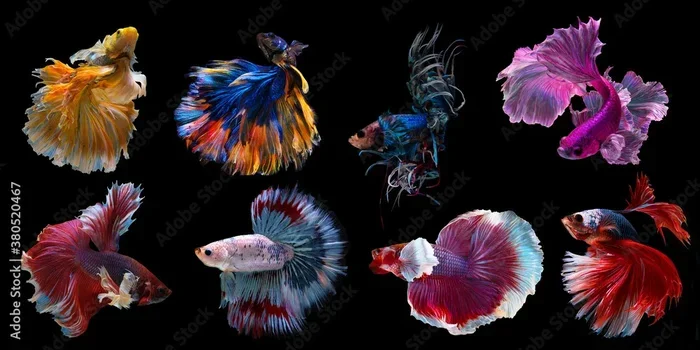
Betta fish come in many shapes and sizes. Each variety has its own look and personality. Knowing the differences helps you choose the right one for your home. Below are the most popular betta fish types you will find at pet stores and online shops.
Halfmoon Betta
The Halfmoon betta is one of the most beloved varieties. Its tail spreads out like a half circle, sometimes reaching 180 degrees. These fish have big, dramatic fins that make them stand out in any tank. They are a favorite among hobbyists who want a showpiece fish.
Halfmoon bettas are beautiful but need gentle care. Their long fins can tear easily, so avoid sharp decorations. They also do best in calm water with no strong currents. If you want a stunning display fish, the Halfmoon is hard to beat.
Crowntail Betta
The Crowntail betta gets its name from its spiky fin rays that look like a crown. This variety has become very popular over the years. The fins are more compact than the Halfmoon but still eye-catching. Crowntails come in every color you can imagine.
One big plus with Crowntails is that they are a bit hardier than other long-finned varieties. Their fins are less prone to tearing. This makes them a good choice for someone who wants a fancy-looking fish without the high-maintenance care.
Plakat Betta
Plakat bettas are the wild-type version of the species. They have short fins and a streamlined body. These fish are strong swimmers and very active. Many people love Plakats because they look sleek and natural.
If you are new to betta keeping, the Plakat is an excellent choice. They are tough, resilient, and less prone to fin problems. Their short fins also mean they do not need as much tank space for swimming comfort. Plakats are often the best betta fish for beginners.
Veiltail Betta
The Veiltail is the most common betta variety you will find in stores. It has a long, flowing tail that drapes downward like a veil. Veiltails come in many colors and patterns, making them widely available and affordable.
While not as exotic as some other types, Veiltails are friendly and easy to care for. They are a solid choice for first-time betta owners. Their care needs are simple, and they do well in standard tank setups.
Male vs. Female Betta Fish
When you decide what betta fish to get, one of the first choices is male or female. Each has its own advantages and challenges. Let us look at the key differences.
Male Betta Fish
Male bettas are the showstoppers. They have long, flowing fins and bright, vivid colors. Their fins and tails are much more dramatic than females. If you want a centerpiece fish that catches everyone’s eye, a male betta is the way to go.
However, male bettas are territorial. They must be kept alone in most cases. You cannot house two males together, and they may fight with other colorful fish. A single male betta needs at least a 5-gallon tank with a heater and filter.
Female Betta Fish
Female bettas have shorter fins and less intense colors. But they are just as charming in their own way. Females are generally hardier and more active than males. They also tend to be less expensive.
One cool thing about female bettas is that you can keep them in groups called sororities. A group of four to six females can live together in a larger tank. This setup creates a lively and interesting aquarium. Just make sure the tank is at least 20 gallons with plenty of hiding spots.
Quick Comparison: Male vs. Female
| Feature | Male Betta | Female Betta |
|---|---|---|
| Fin Length | Long and flowing | Short and compact |
| Color Intensity | Very vibrant | Moderate |
| Temperament | Territorial, aggressive | Can be kept in groups |
| Tank Size | 5 gallons minimum | 20 gallons for sorority |
| Price | Higher | Lower |
| Care Level | Moderate | Easy to moderate |
How to Pick a Healthy Betta Fish
Now that you know the varieties, it is time to learn how to choose a healthy fish. Picking a strong, vibrant betta sets you up for success. A sick fish can lead to heartbreak and extra costs. Here is what to look for when you visit a store or browse online.
Check the Colors
A healthy betta should have bright, vivid colors. The hues should be rich and well-defined. Faded or dull coloring can mean the fish is stressed or sick. Look for deep reds, bright blues, and bold greens. Avoid fish that look washed out or pale.
Watch the Behavior
A good betta fish should be active and curious. It should swim around the tank exploring its environment. Avoid fish that stay hidden in corners or sit at the bottom doing nothing. A healthy betta will build bubble nests too, which is a great sign of a happy fish.
Inspect the Fins and Body
Look closely at the fins. They should be smooth and intact with no tears or ragged edges. Clamped fins (fins held close to the body) can signal stress or illness. Check the body for any white spots, redness, or swelling. The belly should be plump but not bloated.
Ask the Seller Questions
Do not be afraid to ask questions. Find out how old the fish is, what it has been eating, and how long it has been at the store. A reputable seller will be happy to answer. If you are buying online, check reviews and look for sellers who ship with live arrival guarantees.
Where to Get Your Betta Fish
Once you know what betta fish to get, the next step is finding a good source. Where you buy matters more than you might think. A healthy fish from a good source will adapt better and live longer.
Local fish stores are often the best option. You can see the fish in person, check their health, and get advice from staff. Big chain pet stores can work too, but the fish may have been kept in crowded conditions. Always inspect the fish carefully before buying.
Online retailers are another option, especially if you want rare varieties. Many reputable breeders sell bettas online with detailed photos and health guarantees. Just make sure to research the seller before ordering. Check for reviews and ask about shipping methods.
If you are looking for a specific type, knowing where to get a betta fish can save you time and money. Some breeders specialize in certain varieties like Halfmoon or Crowntail bettas. Specialty breeders often produce healthier fish with better coloring.
For those on a budget, rescue organizations and fish shelters sometimes have bettas available for adoption. This is a wonderful option if you want to give a fish a second chance. Just be prepared to provide proper care from day one.
What to Consider Before Bringing Your Betta Home
Picking the right fish is only half the battle. You also need the right setup to keep your betta happy and healthy. Taking time to prepare before you bring your fish home makes a huge difference.
Tank Size and Setup
Many people think bettas can live in tiny bowls. That is a myth. Bettas need proper space to thrive. A minimum of 5 gallons is recommended for a single betta. Larger tanks are even better and give you more room for decorations and plants.
Your tank should have a heater to keep the water between 76 and 82 degrees Fahrenheit. Bettas are tropical fish and need warm water. A gentle filter is also important, but avoid strong currents that can exhaust your fish. The right tank size depends on your setup and how many fish you plan to keep.
Tank Mates and Compatibility
While male bettas do best alone, you may want to add other fish to the tank. Not all fish get along with bettas. Choose peaceful, non-aggressive species that do not nip at fins. Corydoras catfish, neon tetras, and kuhli loaches are popular choices.
If you are unsure about compatibility, check out our guide on what fish get along with betta fish. Choosing the right tank mates can create a harmonious and beautiful community aquarium.
Feeding Your New Betta
Betta fish are carnivores. They need a protein-rich diet to stay healthy. High-quality betta pellets should be the staple of their diet. You can also offer frozen or live foods like bloodworms and brine shrimp as treats.
Feed your betta small amounts twice a day. Remove any uneaten food after a few minutes to keep the water clean. Overfeeding is a common mistake that can lead to health problems. For more feeding tips, see our article on what to feed betta fish.
Water Quality and Maintenance
Clean water is essential for your betta’s health. Test the water regularly for ammonia, nitrite, and nitrate levels. Perform partial water changes of 25 to 30 percent every week. Use a water conditioner to remove chlorine and chloramine from tap water before adding it to the tank.
The type of water you use matters too. Some tap water contains heavy metals and chemicals that can harm your fish. Consider using filtered or bottled spring water if your tap water quality is poor. Consistent water maintenance is one of the most important parts of betta care.
Common Mistakes to Avoid When Choosing a Betta Fish
Even the most experienced fish keepers can make mistakes when picking out a betta. Here are some common pitfalls to watch out for.
- Buying on impulse: Do not pick the first fish you see. Take your time, compare options, and choose wisely.
- Ignoring the store conditions: If the store keeps their fish in dirty or crowded tanks, the fish may carry diseases. Choose stores that maintain clean, well-kept tanks.
- Overcrowding the tank: Bettas need space. Adding too many fish or decorations can stress your betta and degrade water quality.
- Skipping the quarantine period: If you already have fish, quarantine your new betta for two weeks before introducing it to the main tank. This prevents the spread of diseases.
- Choosing based on looks alone: A pretty fish is not always a healthy fish. Always check behavior, fins, and body condition first.
Final Thoughts
Deciding what betta fish to get is an exciting process. You have so many beautiful varieties to choose from. Whether you go with a vibrant Halfmoon, a hardy Plakat, or a classic Veiltail, the key is to pick a healthy fish and give it a proper home.
Remember to consider your tank setup, experience level, and the time you can dedicate to care. A well-chosen betta fish can bring years of joy and color to your home. Do your research, buy from a trusted source, and enjoy the journey of betta keeping. Your new fish will thank you for it.
Frequently Asked Questions
What is the best betta fish for beginners?
Plakat and Veiltail bettas are the best choices for beginners. They are hardy, easy to care for, and less prone to health issues. Their short fins also mean fewer complications with water quality and tank setup.
How much does a betta fish cost?
Betta fish prices range from $5 to $30 or more depending on the variety. Common types like Veiltails are cheaper, while rare Halfmoon or Crowntail varieties can cost more. Specialty bred bettas with unique color patterns may also be pricier.
Can I keep two betta fish together?
Two male bettas should never be kept together. They will fight and can seriously injure or kill each other. However, you can keep a group of female bettas together in a large enough tank. Male and female bettas should only be together briefly for breeding purposes.
What color betta fish is the best?
The best color is the one you find most beautiful. Betta fish come in red, blue, green, purple, white, and even multicolored patterns. Some colors like Super Red and Dragon Scale are considered rare and more expensive. Choose a color that makes you happy.
How long do betta fish live?
With proper care, betta fish live between 3 and 5 years on average. Some well-cared-for bettas have been known to live up to 7 years. Providing a clean tank, proper diet, and warm water will help your betta live a long and healthy life.
Do I need a filter for my betta fish tank?
Yes, a filter is important for maintaining clean water. However, choose a gentle filter with a low flow rate. Bettas are weak swimmers and do not like strong currents. Sponge filters work great for betta tanks because they provide mechanical and biological filtration without creating too much flow.