What Ammonia Nh3 to Nh4 Ratiol for Betta Fish Tank
Understanding the ammonia NH3 to NH4 ratio is critical for your betta fish tank. This guide breaks down safe water parameters, how to test ammonia levels, and practical steps to protect your betta’s health.
Key Takeaways
- NH3 vs NH4: Toxic ammonia (NH3) converts to less harmful ammonium (NH4) depending on pH and temperature in your betta tank.
- Safe Ratio: Aim for 0 ppm total ammonia. The NH3 to NH4 ratio shifts based on your tank’s pH and temperature levels.
- Testing Matters: Use a reliable water testing kit to monitor ammonia in your betta fish tank regularly.
- Nitrogen Cycle: A properly cycled tank with beneficial bacteria keeps ammonia levels safe for your betta.
- Quick Action: If ammonia spikes, do water changes and use conditioners immediately to protect fish health.
📑 Table of Contents
What Ammonia NH3 to NH4 Ratio for Betta Fish Tank
If you own a betta fish, you already know that water quality makes or breaks your fish’s health. But one of the most confusing topics in betta fish care is the ammonia NH3 to NH4 ratio. Why does it matter? Because even tiny amounts of toxic ammonia can harm your fish. Understanding this ratio helps you create a safe, thriving aquarium.
In this guide, we’ll explain everything in plain language. You’ll learn what ammonia is, how the nitrogen cycle works, and exactly what levels are safe for your betta. Let’s dive in and make your betta fish tank the best it can be.
What Is Ammonia and Why Does It Matter for Bettas?
Ammonia is a toxic compound that comes from fish waste, uneaten food, and decaying plants. In your aquarium, ammonia exists in two forms: NH3 (free ammonia) and NH4 (ammonium). The balance between these two depends on your tank’s pH levels and temperature.
Here is the tricky part. NH3 is highly toxic to betta fish. NH4 is much less harmful. So when we talk about the ammonia NH3 to NH4 ratio, we are really talking about how much poison is in your water. The higher the pH, the more NH3 you have. This means even a small total ammonia reading can be dangerous if your pH is high.
For bettas, the safe level of total ammonia is 0 ppm. Any detectable ammonia means trouble is brewing. Your aquarium water chemistry must be carefully managed to protect your fish.
Understanding the Nitrogen Cycle in Your Betta Tank
The nitrogen cycle is the backbone of a healthy aquarium. It is the process that converts toxic substances into safer ones. Without it, your betta would be swimming in poison.
Here is how it works step by step:
- Step 1: Ammonia (NH3/NH4) builds up from fish waste and food.
- Step 2: Beneficial bacteria called Nitrosomonas convert ammonia into nitrite.
- Step 3: Another group of bacteria called Nitrobacter turns nitrite into nitrate.
- Step 4: Nitrate is much less toxic and is removed through water changes and live plants.
This entire process is the reason tank cycling is so important. You must cycle your tank before adding your betta. A cycled tank has established colonies of beneficial bacteria that keep ammonia levels in check.
Think of it like this. Your aquarium is a tiny ecosystem. The nitrogen cycle is the engine that keeps everything running. If the engine breaks down, your betta suffers.
The Ideal Ammonia NH3 to NH4 Ratio for Bettas
So what is the perfect ammonia NH3 to NH4 ratio for a betta fish tank? The short answer is zero total ammonia. But let us get more specific.
At a pH of 7.0 and temperature around 78°F (26°C), the ratio is roughly 50% NH3 and 50% NH4. At this level, half the ammonia is in its toxic form. That is still too much for your betta.
Here is a quick reference table showing how pH affects the ammonia NH3 to NH4 ratio:
| pH Level | Temperature | % Toxic NH3 | % NH4 (Safer) |
|---|---|---|---|
| 6.0 | 78°F (26°C) | ~3% | ~97% |
| 7.0 | 78°F (26°C) | ~50% | ~50% |
| 8.0 | 78°F (26°C) | ~97% | ~3% |
As you can see, higher pH makes ammonia far more dangerous. At pH 8.0, nearly all the ammonia is in the toxic NH3 form. This is why maintaining a stable, slightly acidic to neutral pH level is so important for bettas.
The ideal scenario is simple: 0 ppm total ammonia. No ammonia at all. This means the ratio does not even matter because there is nothing to convert.
How to Test Ammonia in Your Betta Fish Tank
You cannot manage what you cannot measure. Testing your water regularly is one of the most important parts of betta fish care. Here is how to do it right.
Choosing the Right Water Testing Kit
Not all test kits are created equal. Many cheap kits give inaccurate readings. For reliable results, use a liquid test kit rather than test strips. Liquid kits like the API Freshwater Master Test Kit are trusted by hobbyists and pros alike.
Your water testing kit should measure:
- Ammonia (NH3/NH4)
- Nitrite (NO2)
- Nitrate (NO3)
- pH levels
Test your betta fish tank water at least once a week. During a tank cycling phase, test every day. This helps you catch any ammonia spike early.
How to Read Your Results
When you test, look for these safe ranges:
- Ammonia: 0 ppm (any detection is a warning sign)
- Nitrite: 0 ppm (toxic to bettas)
- Nitrate: Below 20 ppm (safer, but still needs monitoring)
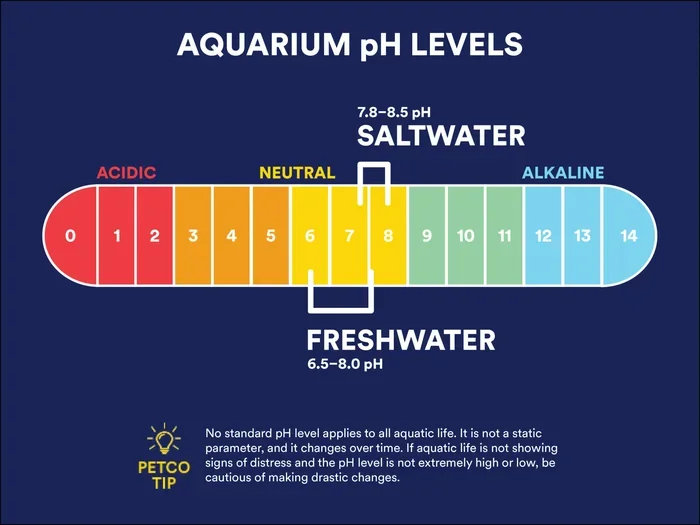
- pH: 6.5 to 7.5 (ideal for bettas)
If you find any ammonia, act fast. Do not wait. Even 0.25 ppm can stress your betta and lead to fish health problems over time.
Common Causes of Ammonia Spikes in Betta Tanks
An ammonia spike can happen suddenly and without warning. Knowing the causes helps you prevent them.
Overfeeding
This is the number one mistake new betta owners make. Bettas have tiny stomachs. Overfeeding leads to uneaten food that decays and produces ammonia. Feed your betta only what it can eat in two minutes, once or twice a day.
Overcrowding
Bettas are solitary fish. They do not need tank mates in most cases. Adding more fish overloads your aquarium maintenance routine. More fish means more waste, which means more ammonia.
Dead Plants or Decorations
Decaying organic matter adds to the ammonia load. Remove any dead leaves or rotting food from your tank promptly.
New Tank Syndrome
If you just set up a new tank, the beneficial bacteria colonies have not established yet. This is why tank cycling is essential before adding your betta. Skipping this step almost always leads to an ammonia spike.
Filter Issues
Your aquarium filter houses most of the beneficial bacteria. If you clean your filter in tap water or replace all the media at once, you can wipe out these bacteria. This causes an ammonia spike. Always rinse filter media in removed tank water, never in tap water.
How to Fix High Ammonia in Your Betta Tank
Finding ammonia in your tank is alarming. But you can fix it. Here is a step-by-step action plan to protect your betta.
Step 1: Do a Water Change Immediately
Perform a 25-50% water change right away. Use a siphon to vacuum the substrate and remove debris. This dilutes the toxic ammonia in your tank. For more guidance, check out our article on how to change water in a fish tank for betta.
Step 2: Use a Water Conditioner
A good water conditioner neutralizes ammonia instantly. Products like Seachem Prime bind ammonia into a non-toxic form for 24-48 hours. This gives your beneficial bacteria time to catch up. Always dose according to the manufacturer’s instructions.
Step 3: Check Your Equipment
Make sure your aquarium filter is running properly. A filter that is clogged or broken cannot process waste. Also check that your heater maintains a stable temperature around 78-80°F for optimal betta health.
Step 4: Reduce Feeding
Cut back on feeding for a day or two. This reduces the organic waste entering your water. Once ammonia drops, resume feeding small amounts.
Step 5: Add Beneficial Bacteria
A bacterial supplement can speed up the process. Products like Tetra SafeStart or Fritz TurboStart add live beneficial bacteria to your tank. This helps your nitrogen cycle recover faster.
Preventing Ammonia Problems in the Long Run
Prevention is always better than cure. Here is how to keep your betta fish tank ammonia-free for the long term.
Stick to a Regular Maintenance Schedule
Set a weekly reminder to test your water and do partial water changes. Consistent aquarium maintenance prevents buildup. For a detailed guide, read about how to clean a betta fish tank for beginners.
Do Not Overstock Your Tank
Bettas are happiest alone. They do not need companions in their betta fish tank. If you want to add something, choose carefully and research compatibility. Learn more about suitable companions in our guide on what is a good tank mate for a betta fish.
Keep Your Filter Running 24/7
Never turn off your filter. The beneficial bacteria need constant water flow to survive. Also avoid over-cleaning your filter. A slightly dirty filter is a healthy filter because it contains bacteria colonies.
Monitor Your pH and Temperature
Stable water parameters are key. Fluctuating pH can stress your betta and shift the ammonia NH3 to NH4 ratio toward the toxic form. Keep pH between 6.5 and 7.5 and temperature between 76-82°F. A reliable heater and thermometer help maintain these levels.
Quarantine New Additions
If you ever add new plants or fish, quarantine them first. Unknown sources can introduce ammonia-producing waste or diseases into your established tank.
Quick Tips for a Healthy Betta Tank
- Test your water at least once a week with a liquid water testing kit.
- Keep total ammonia at 0 ppm. Zero is the only safe number.
- Do 25-30% water changes weekly to maintain excellent water quality.
- Feed your betta small amounts once or twice a day. No more.
- Let your tank fully cycle (4-6 weeks) before adding your betta.
- Use a water conditioner that neutralizes ammonia after water changes.
- Watch for signs of stress: clamped fins, lethargy, or gasping at the surface.
Expert Insights on Ammonia Management
Experienced aquarists will tell you the same thing: consistency wins. The nitrogen cycle is a living system. It needs stable conditions to function properly. Dr. Tim Hovanec, a leading researcher in aquarium bacteria, emphasizes that maintaining established bacterial colonies is the single most important factor in controlling ammonia levels in any fish tank.
Another pro tip: always cycle your tank with a source of ammonia. Pure ammonia drops (NH4Cl) can be used to feed bacteria before adding fish. This ensures your beneficial bacteria are ready to handle waste from day one.
Remember, your betta fish depends entirely on you. A clean, well-maintained tank means a happy, colorful fish that can live 3-5 years or more.
Key Takeaways
The ammonia NH3 to NH4 ratio is a vital part of betta fish care. Here is what to remember:
- Zero ammonia is the goal. Any detectable NH3 or NH4 is unsafe for bettas.
- pH controls toxicity. Higher pH means more toxic NH3 in your water.
- The nitrogen cycle is your best defense. Beneficial bacteria do the heavy lifting.
- Test regularly with a quality water testing kit to stay ahead of problems.
- Act fast during spikes. Water changes and conditioners protect fish health immediately.
- Prevent issues through consistent maintenance, proper feeding, and not overstocking.
- Patience pays off. Always cycle your tank fully before introducing your betta.
Conclusion
Understanding the ammonia NH3 to NH4 ratio for your betta fish tank is not just technical knowledge. It is the foundation of responsible fish keeping. When you manage your water parameters correctly, your betta thrives. Bright colors, active swimming, and a long life are all within your reach.
Keep your ammonia at zero. Maintain your nitrogen cycle. Test your water often. And most importantly, enjoy the journey of raising a healthy betta fish. Your dedication to proper aquarium water chemistry and fish health will reward you every single day. Apply these tips today and watch your betta flourish in a clean, safe home.
Frequently Asked Questions
What is the safe ammonia level for a betta fish tank?
The only safe ammonia level for a betta fish tank is 0 ppm. Even trace amounts of ammonia can cause stress, burns on fins, and long-term health issues. Always test your water and act immediately if any ammonia is detected.
How does pH affect the ammonia NH3 to NH4 ratio?
pH plays a huge role. At lower pH (below 7.0), most ammonia converts to the safer NH4 form. At higher pH (above 7.5), the toxic NH3 form dominates. This is why keeping your betta tank pH stable between 6.5 and 7.5 is so important for fish health.
How often should I test ammonia in my betta tank?
Test your water at least once a week for routine monitoring. During tank cycling, test every day until ammonia and nitrite both read 0 ppm. A reliable liquid water testing kit gives the most accurate results for tracking ammonia levels.
Can beneficial bacteria help control ammonia in my betta fish tank?
Absolutely. Beneficial bacteria are the heroes of your nitrogen cycle. They break down toxic ammonia into nitrite and then into nitrate. You can boost these bacteria by avoiding over-cleaning your filter, using bacterial supplements, and maintaining stable water parameters.
What should I do if my betta tank has an ammonia spike?
Act quickly. Do a 25-50% water change immediately using a conditioner that neutralizes ammonia. Reduce feeding for a day or two. Check your filter to make sure it is running properly. Adding a bacterial supplement can also help your tank recover faster.
Is a cycled tank really necessary before adding a betta fish?
Yes, it is essential. A cycled tank has established beneficial bacteria colonies that process waste and keep ammonia at safe levels. Skipping the 4-6 week cycling process is the most common cause of ammonia spikes and fish death in new betta tanks. Your patience during cycling will protect your betta’s health long-term.