Were Do Betta Fish Come From
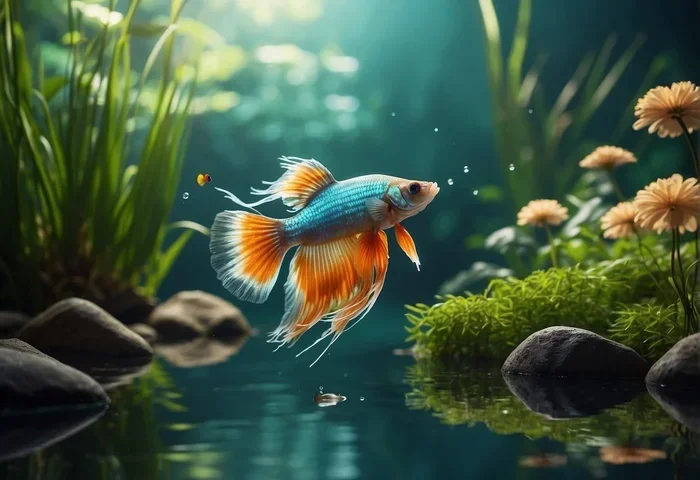
So where do betta fish come from? Betta fish originate from the warm, shallow waters of Southeast Asia, including Thailand, Cambodia, Vietnam, and Malaysia. Understanding their wild origins helps you provide better care for these colorful fighters in your home aquarium.
Betta fish are some of the most popular pets in the world. Their bright colors and flowing fins make them stand out in any room. But have you ever wondered where do betta fish come from? Understanding their origins is more than just fun trivia. It helps you care for them better. When you know their natural habitat and history, you can create a home that feels right for them. This guide covers everything you need to know about betta fish origins, their wild relatives, and how they became the pets we love today.
## The Wild Origins of Betta Fish
Betta fish belong to the species Betta splendens. They are native to the warm climates of Southeast Asia. This region includes countries like Thailand, Cambodia, Vietnam, Laos, and Malaysia. In the wild, betta fish live in shallow, slow-moving bodies of water. Think rice paddies, drainage ditches, and floodplains.
These fish have a special organ called the labyrinth organ. It lets them breathe atmospheric air. This adaptation is key to their survival. It allows betta fish to live in waters with very low oxygen levels. They don’t need fancy filters or big tanks to survive. But giving them a good setup makes a huge difference.
### Why Their Natural Habitat Matters
Knowing where betta fish come from helps you understand their needs. In the wild, they live in warm water that stays between 75 and 80 degrees Fahrenheit. The water is often still or moves very slowly. Plants grow thick along the edges. This gives betta fish places to hide and rest.
If you want your betta to thrive, try to mimic these conditions. Use a heater to keep the water warm. Add live plants for hiding spots. Keep the water clean and free of strong currents. Even small tanks can work if you set them up right. The goal is to make your betta feel at home.
### The Labyrinth Organ: A Unique Adaptation
The labyrinth organ is one of the most fascinating features of betta fish. This special structure lets them take in oxygen directly from the air. Most fish rely solely on their gills. But bettas can supplement their breathing with air from the surface.
This is why you might see your betta gulping at the water’s surface. It is not a sign of distress. It is a natural behavior rooted in their wild origins. In stagnant pools and shallow puddles, oxygen levels drop fast. The labyrinth organ solves this problem. It is a brilliant survival tool that evolved over thousands of years.
## Where Do Betta Fish Come From: The Geography
So where do betta fish come from exactly? The short answer is Southeast Asia. But the full story is more detailed. Betta fish spread across a wide region. They live in many different types of water bodies. Let us break down the geography.
### Thailand: The Heartland of Betta Fish
Thailand is the most famous country for betta fish. In fact, the name “betta” comes from a Thai word. The fish were once known as “Siamese fighting fish.” This is because people in Siam (now Thailand) bred them for combat. Betting on fish fights was a popular pastime.
Today, Thailand remains a major hub for betta fish breeding. Both wild-caught and captive-bred fish come from this region. The country has a long history of working with these fish. Thai breeders have developed incredible color variations and fin shapes over the years.
### Other Countries in the Region
Thailand is not the only home of wild betta fish. Cambodia, Vietnam, and Malaysia also host wild populations. Some species of bettas live in Indonesia and parts of the Malay Peninsula. Each region has its own unique species and varieties.
Wild bettas often live in tiny puddles during the dry season. When the rains come, they spread out into larger bodies of water. This cycle of flooding and drying shapes their entire way of life. It is a remarkable adaptation that few other fish share.
### Freshwater Environments Only
One important thing to know: betta fish are freshwater fish. They do not live in saltwater. Their natural habitats include rivers, streams, ponds, and marshes. The water is typically warm and slightly acidic to neutral. It often has a lot of vegetation.
This is why you should never keep a betta fish in a bowl with no heater. Cold water stresses them out. It weakens their immune system. A proper freshwater tank with stable temperatures is essential. Think of it as building a tiny version of their Southeast Asian home.
## How Betta Fish Became Domesticated Pets
The journey from wild fish to beloved pet is a long one. People have been keeping betta fish for hundreds of years. But the story really took off in the 19th and 20th centuries.
### The Fighting Fish Tradition
In the 1800s, people in Siam started breeding bettas for aggression. They would place two males in a tank and watch them fight. Men would place bets on the outcome. This was a cultural tradition, much like cockfighting in other parts of the world.
Over time, breeders focused on developing stronger and more colorful fish. They selected for traits like vibrant fins and bold colors. The fighting tradition eventually declined. But the breeding continued. People wanted beautiful fish, not fighters.
### Betta Fish Arrive in the West
Betta fish first reached Europe in the late 1800s. They were brought to Germany and France by fish collectors. From there, they spread to the United States. By the 1920s and 1930s, bettas were being bred for the pet trade in America.
Today, you can find betta fish in pet stores all over the world. Most pet store bettas are bred in captivity. Wild bettas are rarely sold in stores anymore. Captive breeding programs ensure a steady supply. These programs also help protect wild populations from over-collection.
### Selective Breeding and Color Varieties
Modern betta fish come in an incredible range of colors. You can find them in red, blue, green, purple, white, and even metallic shades. Breeders have also developed different fin types. Crowntail, plakat, halfmoon, and veil tail are just a few examples.
This diversity is the result of decades of careful selective breeding. Each color and fin type was chosen by breeders who wanted something unique. The result is a fish that looks nothing like its wild ancestors. Wild bettas are actually quite dull in color compared to the show fish we see today.
## Common Mistakes People Make About Betta Fish Origins
There are a lot of myths about betta fish. Let us clear up some of the most common ones.
### Myth 1: Betta Fish Come from Puddles
It is true that bettas can survive in very small amounts of water. But that does not mean they thrive in puddles. In the wild, they have access to larger bodies of water. Rice paddies can be quite extensive. Ditches and canals provide plenty of room to swim.
Keeping a betta in a tiny cup or bowl is not ideal. They need space to explore. A tank of at least 5 gallons is recommended. Their wild habitats are much larger than a small container. Give your betta room to be happy.
### Myth 2: Betta Fish Are Low-Maintenance
Because bettas can breathe air, many people think they are easy to care for. This is misleading. While they are hardier than some fish, they still need proper care. Clean water, stable temperatures, and a good diet are all essential.
Neglecting your betta leads to stress and illness. A stressed fish will not show its true colors. It may become aggressive or stop eating. Proper care shows in their appearance and behavior. Treat your betta like the special fish it is.
### Myth 3: All Betta Fish Are the Same
There are actually many different species of betta fish. Betta splendens is the most common pet species. But there are over 70 known species in the wild. Each one has its own habitat and care requirements.
Some wild bettas are mouthbrooders. Others are bubble nesters. Their colors and sizes vary widely. If you are interested in keeping different species, research each one carefully. Not all bettas have the same needs.
## Creating the Perfect Home for Your Betta
Now that you know where betta fish come from, let us talk about how to set up a great home for them. Replicating their natural environment is the key to a happy, healthy fish.
### Tank Size and Setup
A minimum of 5 gallons is recommended for a single betta. Larger tanks are even better. A bigger water volume stays more stable. It is easier to maintain good water quality in a larger tank.
Add a gentle filter. Betta fish do not like strong currents. A sponge filter works well. It provides mechanical and biological filtration without creating too much flow. Use a heater to keep the water between 76 and 82 degrees Fahrenheit.
### Plants and Decorations
Live plants are wonderful for betta tanks. They provide hiding spots and resting places. Java fern, anubias, and Amazon sword plants are great choices. Betta fish love to explore and hide among plants.
Add some smooth decorations too. Driftwood and caves give your betta places to claim as territory. Avoid sharp or rough decorations. Betta fins are delicate and can tear easily.
### Water Quality Tips
Keep the water clean for your betta. Perform partial water changes weekly. Replace about 25 to 30 percent of the water. Use a water conditioner to remove chlorine and chloramine. Test the water parameters regularly.
The ideal pH for betta fish is between 6.5 and 7.5. Keep ammonia and nitrite levels at zero. Nitrate should stay below 20 ppm. Betta fish can tolerate slightly acidic water, which mimics their natural habitat. Stable parameters are more important than chasing perfect numbers.
## Conservation and Wild Betta Fish Today
Wild betta fish face real threats today. Habitat destruction is a major concern. Rice paddies are being converted to other uses. Pollution from agriculture and industry affects their water sources. Climate change also plays a role.
Some betta species are now considered vulnerable or endangered. Conservation efforts are underway in Southeast Asia. Local organizations work to protect natural habitats. Captive breeding programs help reduce pressure on wild populations.
You can help by buying captive-bred fish from reputable sources. Avoid supporting the collection of wild-caught bettas. Educate others about the importance of responsible fish keeping. Every small action makes a difference.
## Key Takeaways for Betta Fish Owners
Understanding where betta fish come from gives you an edge as an owner. You will make better decisions about tank setup, water quality, and diet. Your fish will thank you with vibrant colors and active behavior.
Remember these key points:
- Betta fish come from Southeast Asia. They are freshwater fish that live in warm, shallow waters.
- Their labyrinth organ lets them breathe air, which is why you see them at the surface.
- Captive breeding has produced the beautiful colors and fin shapes we see today.
- A proper tank setup with heater, filter, and plants mimics their natural home.
- Wild populations need protection. Support conservation by buying responsibly bred fish.
## Final Thoughts
So where do betta fish come from? The answer is a rich story of wild Southeast Asian waters, centuries of human interaction, and modern breeding programs. From tiny puddles in rice paddies to aquariums around the world, betta fish have come a long way.
Knowing their origins helps you be a better owner. You can create an environment that feels familiar and safe. You can appreciate the incredible journey these fish have taken to become our pets. Next time you watch your betta glide through the water, remember its wild roots. Give it the best home you can.
Key Takeaways
- Wild Origins: Betta fish come from the shallow waters of Southeast Asia, particularly Thailand and surrounding regions.
- Natural Habitat: They thrive in warm, slow-moving waters like rice paddies, canals, and floodplains.
- Domestication History: Betta fish have been selectively bred for centuries, starting with their fighting traits in Siam.
- Tank Setup Matters: Replicating their natural environment helps betta fish stay healthy and happy.
- Conservation Concerns: Wild betta fish populations face threats from habitat loss and pollution.
Frequently Asked Questions
Where do betta fish come from in the wild?
Betta fish come from the warm, shallow waters of Southeast Asia. They are native to countries like Thailand, Cambodia, Vietnam, and Malaysia. In the wild, they live in rice paddies, canals, and slow-moving streams.
Why do betta fish come up for air?
Betta fish have a special organ called the labyrinth organ. This lets them breathe air from the surface. It is a natural adaptation that helps them survive in low-oxygen water in the wild.
Are betta fish from puddles?
While bettas can survive in small puddles, they do not actually come from puddles. They come from larger bodies of water like rice paddies and floodplains. Puddles are just temporary habitats during dry seasons.
Can betta fish live in cold water?
No, betta fish come from warm tropical regions. They need water temperatures between 76 and 82 degrees Fahrenheit. Cold water can make them very sick and weaken their immune system.
How did betta fish become pets?
People in Thailand started breeding bettas for fighting centuries ago. Over time, breeders focused on beauty instead of aggression. Betta fish were brought to Europe and America in the late 1800s and became popular pets.
Do betta fish like air pump circulation?
Betta fish can live without strong air pumps. They breathe air from the surface thanks to their labyrinth organ. A gentle sponge filter is usually enough to keep the water clean without creating strong currents.