How to Save a Dead Betta Fish
Finding your betta fish motionless can be terrifying, but many fish that appear dead can actually be revived. This guide covers the immediate steps you need to take, common causes of betta fish collapse, and how to create the right environment for recovery. Whether your fish is suffering from temperature shock, poor water quality, or illness, these practical tips can make the difference between loss and a full betta fish revival.
It is one of the scariest moments for any fish owner. You walk up to the tank, and your betta fish is lying at the bottom, completely still. No movement. No breathing. It looks dead. But before you start planning a funeral, take a breath. Many betta fish that appear lifeless can actually be brought back with the right approach. Knowing how to save a dead betta fish starts with understanding what happened and acting quickly but calmly.
This guide walks you through every step of the revival process. We cover the most common reasons your fish may have collapsed, the immediate actions you should take, and how to set up a recovery environment that gives your betta the best chance. You will also learn prevention tips to avoid this happening again. Whether you are a beginner or an experienced hobbyist, these practical steps can help you respond with confidence during a betta fish emergency.
Key Takeaways
- Act Fast: The sooner you respond to a seemingly dead betta fish, the higher the chance of successful revival.
- Check Water Conditions First: Poor water quality and temperature extremes are the most common culprits behind betta fish collapse.
- Warm the Water Gradually: A slow temperature increase can help revive a betta fish suffering from cold shock.
- Use a Hospital Tank: Isolating a sick fish in a clean, stress-free environment promotes faster recovery.
- Watch for Breathing Signs: Gill movement is the best indicator that your betta fish may still be alive and responsive to treatment.
- Prevention Is Key: Regular water changes and stable tank conditions can prevent most betta fish emergencies.
📑 Table of Contents
Why Is Your Betta Fish Not Moving?
A betta fish that is not moving does not always mean it is dead. There are several reasons a fish might become completely still, and knowing the cause is the first step toward saving it. Sometimes the signs of life are so subtle that you might miss them on a quick glance.
Signs Your Betta Fish May Still Be Alive
Before you assume the worst, look closely at your fish. Here are signs that your betta fish might still be alive:
- Gill movement: Watch the gills carefully. Even tiny fluttering means your fish is breathing.
- Response to light: Shine a flashlight near the tank. A living betta may react slightly.
- Slow body movements: Some fish breathe in very slow motions that are easy to miss.
- Slight color changes: A living fish may darken or lighten slightly when touched gently with a net.
If you notice any of these signs, your fish has a real chance of recovery. The next section covers exactly what to do.
Common Reasons Bettas Become Motionless
Understanding the cause helps you choose the right rescue method. Here are the most common reasons a betta fish stops moving:
- Cold water shock: Bettas are tropical fish. Water below 72°F can slow their metabolism to a dangerous level.
- Poor water quality: Ammonia and nitrite spikes can poison a fish quickly, causing lethargy and collapse.
- Overfeeding: A bloated fish may float or sink and appear lifeless after eating too much.
- Illness: Diseases like ich, fin rot, or bacterial infections can drain a fish’s energy until it stops moving.
- Stress: Aggressive tank mates, bright lights, or sudden changes can stress a betta into a state of near-collapse.
- Old age: Bettas typically live three to five years. An older fish may become less active over time.
If you suspect poor water quality is the issue, check your ammonia and nitrite levels right away. Both should be at zero for a healthy betta. You can find more about maintaining clean water in our guide on how to take care of betta fish water, which covers testing and water change schedules in detail.
Immediate Steps to Revive Your Betta Fish
Time matters when your betta fish appears dead. The first few minutes are critical. Follow these steps carefully and patiently. Do not rush the process.
Step 1: Check for Breathing
Place your hand near the tank to block out shadows and movement around the fish. Now watch the gills closely for at least 30 seconds. Some bettas breathe so slowly that it looks like they are not breathing at all. Use a flashlight if needed. If you see even the slightest gill movement, your fish is alive and you can proceed with revival.
Step 2: Warm the Water Gradually
Temperature shock is one of the biggest enemies of betta fish. If the water is too cold, your fish’s body slows down dramatically. Here is how to warm the water safely:
- Check the current water temperature with a thermometer.
- If it is below 75°F, prepare a small container of clean water at about 78°F to 80°F.
- Place the betta fish container into the tank and let warm water flow in slowly.
- Raise the temperature by no more than 2°F every 15 minutes.
- Do not heat the water too fast. Rapid temperature changes can cause more harm.
For more detailed guidance on keeping your betta warm without special equipment, check out our article on how to keep my betta fish warm without a heater. It covers several simple methods that work in emergencies.
Step 3: Improve Water Quality
If you suspect bad water is the problem, a partial water change can help immediately. Use water that has been treated and matched to the tank temperature. Remove about 25% of the old water and replace it with fresh, dechlorinated water. This reduces harmful chemicals and gives your fish a better chance to recover.
Step 4: Dim the Lights and Reduce Stress
Turn off the tank light and any nearby bright lamps. A dark, quiet environment helps a stressed fish relax. Do not tap on the glass or try to interact with the fish during this time. Let it rest in a calm setting while your revival efforts take hold.
Common Causes of Betta Fish Death-Like Symptoms
Not every case of a motionless betta fish is the same. Different problems require different solutions. Understanding the root cause helps you treat the fish correctly and prevent future issues.
Temperature Shock
Bettas need warm, stable water between 76°F and 82°F. When the temperature drops suddenly, the fish goes into a kind of hibernation state. The body slows down so much that it appears dead. In severe cases, prolonged cold exposure can cause organ failure. If you catch it early and warm the water slowly, the fish can often recover fully.
Ammonia Poisoning
Ammonia is invisible but deadly. It builds up in tanks when waste, uneaten food, and decaying plants break down. Even low levels of ammonia can burn a betta’s gills and cause it to stop moving. Signs of ammonia poisoning include rapid breathing, redness on the body, and lying at the bottom of the tank. The best defense is regular water testing and consistent water changes.
Disease and Illness
Bettas are prone to several common diseases that can drain their energy and make them appear dead. Ich, also known as white spot disease, causes tiny white dots on the fins and body. Fin rot eats away at the tail and edges of the fins. Bacterial infections can cause open sores and bloating. If you suspect illness, it is important to isolate the fish in a hospital tank and begin treatment right away. Our article on how to treat ich on a betta fish covers diagnosis and treatment steps in detail.
Stress-Related Collapse
Stress is a silent killer in aquariums. Bettas can become stressed from overcrowding, aggressive tank mates, sudden loud noises, or changes in their environment. A highly stressed fish may stop eating, hide constantly, or eventually stop moving altogether. Reducing stressors and providing a stable, calm environment is essential for long-term betta fish health.
How to Create a Recovery Environment
Once you have started the revival process, the next step is setting up a proper recovery environment. A clean, warm, and stress-free space gives your betta fish the best conditions to heal and regain strength.
Setting Up a Hospital Tank
A hospital tank does not need to be fancy. It just needs to be clean, small, and easy to manage. Here is what you need:
- A 2- to 5-gallon tank with a gentle filter or sponge filter.
- A small heater to maintain a steady temperature of 78°F to 80°F.
- A thermometer to monitor the water temperature.
- A few smooth decorations or a simple sponge for the fish to rest near.
- Clean, dechlorinated water that matches the main tank parameters.
Keep the hospital tank in a quiet room away from direct sunlight and loud noises. Perform small water changes every two days to keep the water pristine. This isolated environment reduces stress and makes it easier to monitor the fish’s progress.
Feeding During Recovery
A recovering betta fish may not eat right away. Do not force feed. Wait 12 to 24 hours and then offer a tiny amount of high-quality food. Frozen bloodworms or brine shrimp work well because they are easy to digest. If the fish eats, offer small portions twice a day. If it refuses food, remove the uneaten portion immediately to keep the water clean.
For tips on proper feeding amounts and schedules, see our guide on how many times a day to feed a betta fish, which provides practical advice for fish at every stage of health.
Monitoring Progress
Watch your fish closely for the first 48 hours after revival. Look for these positive signs:
- The fish starts breathing more normally.
- It shows interest in food.
- It begins swimming slowly on its own.
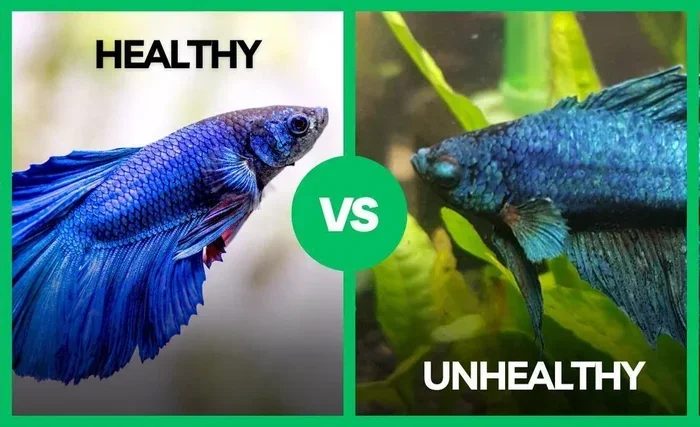
- Its colors become more vibrant.
If you do not see any improvement after 48 hours, or if the fish’s condition worsens, it may be time to consult a veterinarian who specializes in fish health. Some conditions are treatable with medication, and a professional can guide you through the best options.
Prevention Tips for Future Incidents
The best way to save a betta fish is to prevent the situation from happening in the first place. Simple daily habits can keep your fish healthy and reduce the risk of emergencies.
Maintain Stable Water Conditions
Test your water regularly using an aquarium test kit. Keep ammonia and nitrite at zero, and nitrates below 20 ppm. Perform a 25% water change every week or every other week, depending on your tank size. Stable water parameters are the foundation of a healthy betta fish environment.
Keep the Temperature Consistent
Invest in a reliable aquarium heater and thermometer. Bettas are tropical fish and need warm water year-round. Avoid placing the tank near windows, doors, or vents where the temperature can fluctuate. A stable temperature of 78°F to 80°F helps your betta stay active and healthy.
Feed Responsibly
Overfeeding is one of the most common mistakes new betta owners make. Feed your betta two to three small pellets twice a day. If you use frozen or live food, offer a tiny amount once or twice a week. Remove any uneaten food within five minutes to keep the water clean.
For more feeding guidance, check out our article on how many pellets to feed a betta fish to make sure you are giving the right amount.
Reduce Stress in the Tank
Keep the tank in a quiet area of your home. Avoid sudden changes in lighting or decor. If you have other fish, make sure they are peaceful and compatible with bettas. A calm environment goes a long way in keeping your betta fish happy and resilient against illness.
When It Is Too Late to Save Your Betta Fish
Despite your best efforts, there are times when a betta fish cannot be saved. If the fish has been dead for more than a few hours, the body will begin to decompose. Signs that revival is no longer possible include a strong unpleasant odor, clouded eyes, a completely limp body, and no gill movement even after 10 minutes of close observation.
If your fish has passed away, it is important to handle the situation with care and respect. Proper disposal prevents contamination of your tank and protects the health of any remaining fish. You can read our complete guide on how to dispose of a dead betta fish for step-by-step instructions on handling this difficult situation safely and compassionately.
Losing a pet fish is never easy. Give yourself time to grieve, and remember that the best way to honor your fish is to apply what you have learned to care for your future pets. Every experience, even a sad one, makes you a better and more knowledgeable fish owner.
Conclusion
Knowing how to save a dead betta fish can turn a scary moment into a successful rescue. The key is to stay calm, act quickly, and follow the right steps. Check for signs of life first, warm the water gradually, improve water quality, and create a low-stress recovery environment. Most importantly, prevention through stable water conditions, proper feeding, and consistent temperature control will help you avoid future emergencies. Even if revival is not possible, understanding the cause helps you care for your remaining fish better. You now have the knowledge and tools to respond confidently the next time your betta needs you most.
Frequently Asked Questions
Can a betta fish come back to life after appearing dead?
Yes, in many cases a betta fish that appears dead can be revived, especially if you act quickly. The most important step is to check for gill movement and breathing. If the fish is still breathing even slightly, warming the water slowly and improving water quality can often bring it back to full health.
How long does it take to revive a betta fish?
Revival can happen within a few minutes to several hours, depending on the cause. Fish suffering from cold shock may respond quickly once the water warms up. Fish with illness or severe stress may take longer and need a dedicated hospital tank with consistent care over several days.
What is the best water temperature for a recovering betta fish?
The ideal temperature for a recovering betta fish is between 78°F and 80°F. This range supports the fish’s metabolism and immune system without causing additional stress. Always increase the temperature slowly, no more than 2°F every 15 minutes, to avoid shocking the fish further.
Should I feed my betta fish immediately after revival?
No, wait at least 12 to 24 hours before offering food after revival. A stressed or weakened fish may not be ready to eat right away. When you do feed, offer a tiny amount of easily digestible food like frozen bloodworms or high-quality pellets. Remove any uneaten food promptly to keep the water clean.
What causes a betta fish to stop moving suddenly?
The most common causes are temperature shock, poor water quality, ammonia poisoning, illness, and stress. Sometimes a betta fish simply rests motionless at the bottom of the tank for extended periods. Always check for gill movement to confirm whether the fish is alive before taking action.
How can I prevent my betta fish from appearing dead in the future?
Regular water testing, weekly partial water changes, a stable heater, and proper feeding habits are the best prevention methods. Keeping the tank in a quiet location and avoiding sudden changes in the environment also reduces stress. Taking care of your betta’s basic needs every day goes a long way in keeping it healthy and active.