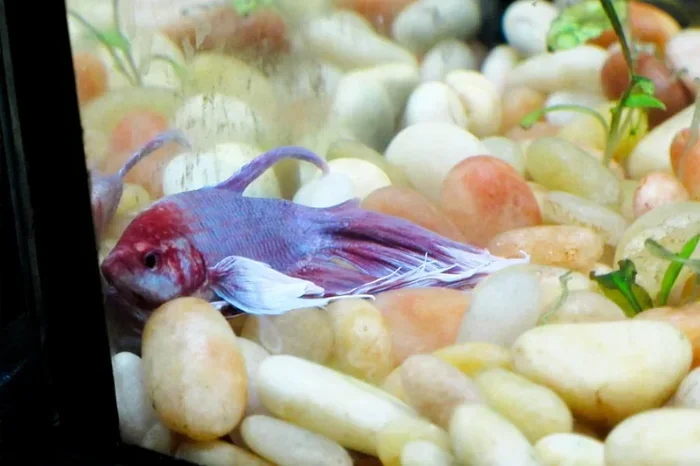
Should I Leave My Betta Fish Tank Open
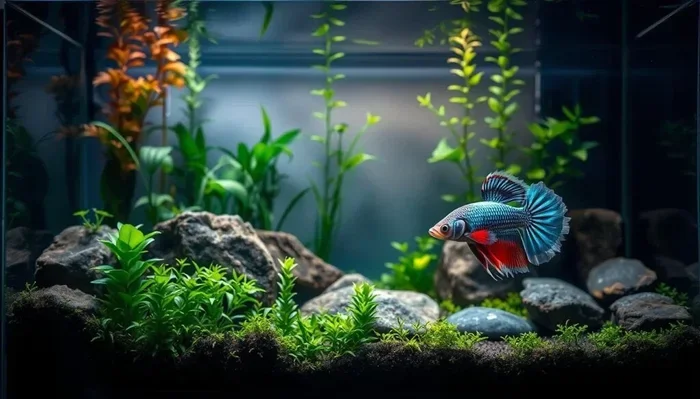
Leaving your betta fish tank open can expose your fish to dust, debris, and temperature swings that harm their health. A proper tank cover prevents evaporation, keeps contaminants out, and stops your betta from jumping out. Choosing the right cover and maintaining good tank hygiene ensures your betta stays safe, healthy, and happy in a clean environment.
This is a comprehensive guide about should i leave my betta fish tank open.
Key Takeaways
- Open tanks increase evaporation: Water levels drop faster, requiring more frequent maintenance and water changes.
- Betta fish can jump: Without a lid, your betta may leap out of the tank and injure or die.
- Dust and debris contaminate water: An open tank lets particles in, making your betta fish tank dirtier faster.
- Temperature stability matters: Covers help maintain consistent warmth, which bettas need to thrive.
- Covers don’t mean no airflow: You can choose ventilated lids that balance protection and oxygen flow.
- Regular cleaning is still essential: Even with a cover, you need to maintain your tank properly.
- The right cover depends on your setup: Tank size, filter type, and plant life all influence your choice.
[FEATURED_IMAGE_PLACEHOLDER]
Should I Leave My Betta Fish Tank Open
If you own a betta fish, you have probably wondered whether leaving the tank open is okay. It is a common question among new fish keepers and seasoned hobbyists alike. The short answer is that leaving your betta fish tank open comes with real risks that can affect your fish’s health and lifespan.
In this guide, we will walk through everything you need to know. We will cover why open tanks are risky, what happens when you leave the tank uncovered, and how to choose the best setup for your betta. Whether you are setting up a new tank or rethinking your current one, this article has you covered.
Your betta fish depends on you to create a safe environment. Understanding the basics of tank covering is one of the simplest yet most important steps you can take. Let us dive in and explore why a cover matters so much.
Why You Should Not Leave Your Betta Fish Tank Open
Leaving your betta fish tank open might seem harmless at first glance. After all, bettas are beautiful, active fish that love to swim near the surface. But an open tank creates several problems that can quietly harm your fish over time.
The biggest concern with an uncovered tank is that your betta can jump out. Betta fish are known jumpers. They have a special organ called the labyrinth organ that allows them to breathe surface air. This natural behavior means they often swim up to the water’s surface and can launch themselves out of an open tank.
Beyond jumping risks, an open tank lets dust, dirt, and airborne particles fall directly into the water. This contamination affects tank hygiene and water quality. Dirty water stresses your betta and can lead to diseases like fin rot and ich. Keeping the tank covered is one of the easiest ways to protect your fish from these everyday hazards.
Water Evaporation Is a Real Problem
An open tank loses water through evaporation much faster than a covered one. This means you need to add fresh water more often. Frequent water changes can be stressful for your betta if not done carefully. It also throws off the careful balance of parameters you have worked hard to establish.
When water evaporates, the minerals and waste products stay behind. This concentrates harmful substances in the remaining water. Over time, this buildup can become toxic. A simple tank cover slows evaporation significantly and helps maintain stable water conditions. If you are serious about betta fish tank maintenance, a cover should be at the top of your list.
The Risks of an Open Betta Fish Tank
Now that we know why covering your tank matters, let us look at the specific risks of leaving it open. Understanding these dangers helps you make informed decisions for your fish.
Here are the main risks associated with an uncovered betta tank:
- Jumping out of the tank: Bettas can and do jump. Without a lid, your fish could end up on the floor, dehydrated and injured.
- Dust and debris contamination: Household dust, pet dander, and airborne particles settle directly into the water.
- Temperature fluctuations: Open tanks are more affected by room temperature changes, drafts, and even air conditioning.
- Increased algae growth: Light exposure combined with dust nutrients can cause rapid algae blooms.
- Evaporation and concentration of toxins: As water evaporates, ammonia and nitrite levels can rise dangerously.
- Pest intrusion: Small insects like fruit flies can enter an open tank and become a nuisance.
Each of these risks might seem small on its own, but together they create a stressful environment for your betta. Chronic stress weakens the immune system and shortens your fish’s lifespan. A covered tank eliminates most of these problems with minimal effort.
How Temperature Affects Your Betta in an Open Tank
Bettas are tropical fish. They need warm water, typically between 76 and 82 degrees Fahrenheit. An open tank loses heat faster, especially in cooler rooms or during winter months. Temperature swings can shock your betta and make them susceptible to illness.
A tank cover acts as insulation. It traps heat and keeps the water temperature more stable. This is especially important if you do not have a heavily insulated room or if your tank sits near a window or drafty area. Maintaining stable betta fish tank temperature is one of the foundations of good fish care.
Benefits of Covering Your Betta Fish Tank
Covering your tank is not just about avoiding problems. It also brings real benefits that improve your betta’s quality of life and make tank ownership easier for you.
Better Water Quality Over Time
A cover keeps dust, debris, and insects out of your water. This means less waste buildup and cleaner water between water changes. You will spend less time scrubbing algae and more time enjoying your fish. Better water quality directly translates to a healthier, more vibrant betta.
With a filter running in a covered tank, the water stays cleaner even longer. The filter can do its job without being overwhelmed by extra debris from the environment. If you are unsure about filtration, check out our guide on Should I Use A Filter For My Betta Fish for expert advice.
Reduced Maintenance Work
Because evaporation slows down with a cover, you need to top off the water less often. This is a huge time saver. It also means more stable parameters, which reduces the need for frequent testing and adjustments.
Many fish keepers report that covered tanks stay cleaner for longer. When you combine a cover with regular tank cleaning, you create a low-maintenance setup that keeps your betta happy. For a step-by-step cleaning routine, read our article on How Do I Clean My Betta Fish Tank.
Peace of Mind for You
Knowing your betta is safe from jumping and contamination gives you peace of mind. You can leave the house without worrying about returning to an empty tank. A cover also keeps curious pets and small children from disturbing the water or knocking things into the tank.
Common Mistakes People Make With Open Tanks
Even experienced fish keepers sometimes make mistakes when it comes to tank covers. Let us look at the most common errors so you can avoid them.
Using a Completely Sealed Lid
Some people think that any cover is a good cover. They slam a tight-fitting lid on the tank with no ventilation holes. This can trap harmful gases inside the tank and limit oxygen exchange. Your betta still needs access to the surface to breathe through its labyrinth organ.
The fix is simple. Choose a cover with small gaps or mesh panels that allow airflow while still keeping dust and fish contained. Ventilation is just as important as coverage.
Forgetting to Clean the Cover
Even with a cover, algae and condensation can build up on the lid. Over time, this reduces light penetration and can drip back into the tank. Make cleaning the tank cover part of your regular maintenance routine. A quick wipe during weekly cleaning keeps everything clear and functional.
Choosing the Wrong Size Cover
A cover that is too small leaves gaps where fish can escape and debris can enter. A cover that is too large might trap excess heat or block light. Measure your tank carefully and choose a cover that fits snugly without gaps. If you are using a smaller setup, make sure the cover suits your specific tank size by reading up on Can My Betta Fish Keep In A Gallon Tank for size-related guidance.
How to Choose the Right Tank Cover for Your Betta
Not all tank covers are created equal. Choosing the right one depends on your tank size, setup, and personal preferences. Let us break down the options so you can make the best choice.
| Cover Type | Pros | Cons |
|---|---|---|
| Glass or Acrylic Lid | Durable, easy to clean, excellent dust protection | Can limit airflow if fully sealed, may block light |
| Mesh or perforated Lid | Good airflow, still prevents jumping, lightweight | Less dust protection, may not suit all tank sizes |
| Plastic Clip-On Lid | Affordable, easy to install, good for smaller tanks | Can yellow over time, less durable |
| DIY Cover (Wire Mesh) | Custom fit, budget-friendly, good ventilation | Requires effort to build, may not look polished |
For most betta setups, a mesh or perforated lid strikes the best balance. It keeps your fish safe, allows air exchange, and still looks clean. If you prefer a more polished look, a glass lid with small ventilation holes works well too.
Quick Tips for Choosing Your Cover
- Measure your tank dimensions before buying any cover.
- Look for covers specifically designed for aquarium use.
- Choose a material that resists rust and corrosion.
- Make sure the cover has some form of ventilation.
- Consider how easy the cover is to remove for feeding and maintenance.
Your cover should be easy to lift off for feeding and water testing. You do not want something that is a hassle to deal with every day. A cover that sits comfortably on top and is simple to access makes daily care much more enjoyable.
Final Thoughts on Leaving Your Betta Fish Tank Open
Leaving your betta fish tank open is tempting for some owners. It feels simpler and more natural. But the risks far outweigh the convenience. From jumping hazards to water contamination and temperature instability, an open tank puts your fish in harm’s way.
A proper tank cover is one of the most affordable and effective ways to protect your betta. It reduces maintenance, keeps water cleaner, and gives you peace of mind. Whether you choose a glass lid, a mesh cover, or a custom DIY solution, the important thing is that your tank has some form of protection.
Think of the cover as part of your overall tank setup. It works hand in hand with your filter, heater, and regular cleaning routine. Together, these elements create a safe and thriving environment for your betta to live a long, healthy life.
Take a moment today to check your tank. If it is open, consider adding a cover. Your betta will thank you with vibrant colors, active swimming, and a longer, happier life. Small changes like this make a big difference in the world of fish keeping.
FAQs
Can betta fish jump out of an open tank?
Yes, betta fish can and do jump out of open tanks. They are natural jumpers thanks to their labyrinth organ, which allows them to breathe surface air. A tank cover is the best way to prevent this dangerous escape.
What happens if my betta tank is left open for a week?
Leaving a tank open for a week leads to significant water evaporation, dust buildup, and temperature swings. The water quality can deteriorate quickly, stressing your betta and potentially causing illness. Always keep your tank covered to maintain stable conditions.
Do I need a special lid for my betta tank?
You do not need an expensive or special lid. A simple mesh or perforated cover works perfectly. The key is that it fits snugly, prevents jumping, and allows some airflow. Even a DIY wire mesh cover can do the job well.
Will a tank cover reduce oxygen levels for my betta?
A properly ventilated cover will not reduce oxygen levels. Betta fish need access to the water surface to breathe air through their labyrinth organ. Choose a cover with small gaps or mesh panels to ensure proper gas exchange while still protecting your fish.
Can I leave my betta tank uncovered if I have a sponge filter?
Even with a sponge filter, you should still cover your tank. A filter helps with water quality, but it does not prevent jumping, dust contamination, or temperature fluctuations. The cover serves a completely different purpose and is equally important regardless of your filtration setup.
How often should I clean my tank cover?
Clean your tank cover at least once a week during your regular maintenance routine. Wipe off any algae, condensation, or dust buildup. A clean cover ensures proper light penetration and keeps the tank environment healthy for your betta.
Frequently Asked Questions
What is should i leave my betta fish tank open?
should i leave my betta fish tank open is an important topic with many practical applications.