Should I Have Plants in My Betta Fish Tank
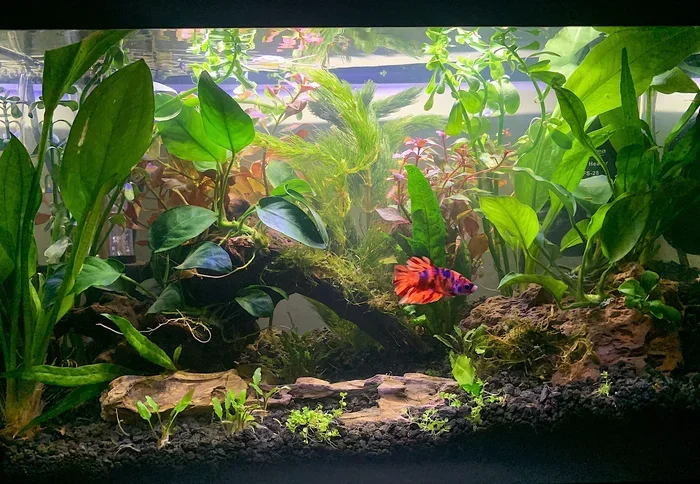
Adding plants in your betta fish tank can boost water quality, provide hiding spots, and create a natural environment that reduces stress. Both live plants and silk plants offer real benefits, but choosing the right types and avoiding toxic species is essential. This guide covers the best plants, setup tips, and mistakes to skip so your betta thrives.
Should I Have Plants in My Betta Fish Tank? The Short Answer Is Yes.
If you have ever stared into a beautiful betta fish tank and thought about adding some greenery, you are not alone. The question of whether to include plants in my betta fish tank comes up constantly among fish keepers of all levels. The good news is that plants can genuinely transform your betta’s world. They make the water cleaner, the tank look stunning, and your fish feel right at home.
But not all plants are safe. Not all setups work for every betta. And picking the wrong plant can cause more harm than good. That is exactly why this guide exists. By the end, you will know exactly which plants to choose, which ones to avoid, and how to set everything up the right way. Let us dive in.
Key Takeaways
- Live plants improve water quality: They absorb nitrates and produce oxygen, creating a healthier environment for your betta.
- Silk plants are a safe alternative: They look realistic and won’t introduce algae or decay into your tank.
- Avoid toxic plants: Some common plants can harm or even kill your betta fish, so always research before adding anything.
- Plants reduce stress: Betta fish feel safer with greenery and hiding spots, which can improve their color and behavior.
- Low-maintenance options exist: Plants like java fern and anubias are perfect for beginners and require minimal care.
- Avoid sharp-leaved plants: Plants with rough or pointed leaves can damage your betta’s delicate fins.
- Pair plants with proper tank setup: Combine plants with a filter, heater, and appropriate lighting for the best results.
📑 Table of Contents
- Why Plants Matter for Betta Fish
- Best Live Plants for a Betta Tank
- Silk Plants vs. Live Plants: What Is Better?
- Plants to Avoid in a Betta Tank
- How to Set Up Plants in Your Betta Tank
- How Plants Improve Your Betta’s Health and Happiness
- Common Mistakes People Make With Betta Tank Plants
- Final Thoughts: Making the Right Choice for Your Betta
Why Plants Matter for Betta Fish
Betta fish come from warm, slow-moving waters in Southeast Asia. In the wild, they live among dense vegetation, roots, and leaf litter. That natural environment shapes everything about how they behave, eat, and feel. When you recreate elements of that habitat in a home tank, your betta thrives.
Live plants in a betta fish tank do more than just look pretty. They perform real biological work that keeps your fish healthy. Here is what plants actually do inside a tank:
- Absorb harmful nitrates: Plants take in nitrates produced by fish waste. Lower nitrate levels mean cleaner, safer water for your betta.
- Produce oxygen: Through photosynthesis, plants release oxygen into the water, especially during daylight hours.
- Provide hiding spots: Betta fish feel stressed in open tanks. Plants give them places to retreat and feel secure.
- Reduce algae growth: Healthy plants compete with algae for nutrients, which helps keep your tank cleaner longer.
- Create a natural environment: A planted tank encourages natural behaviors like exploring and nest building.
Even silk plants for betta fish offer meaningful benefits. They provide cover and visual barriers that help shy bettas relax. While they do not purify water like live plants do, they still make a big difference in your fish’s comfort level.
Do Betta Fish Actually Need Plants?
Technically, a betta can survive without plants. Many people keep bettas in bare-bottom tanks with just a filter and heater. But surviving is not the same as thriving. A betta in a planted tank will often show brighter colors, more energy, and more natural behavior. If you want your betta to truly flourish, plants are one of the best investments you can make.
Best Live Plants for a Betta Tank
Not every aquatic plant works well with bettas. You need species that tolerate warm water, low to moderate light, and gentle water flow. Here are the top choices that almost always work well.
Java Fern
Java fern is a go-to for beginners. It grows slowly, requires no special substrate, and thrives in the same warm water bettas love. You can attach it to rocks or driftwood using fishing line or super glue gel. It has broad, flowing leaves that create excellent cover for your fish. This plant is practically indestructible, which makes it perfect for anyone new to planted tanks.
Anubias
Anubias plants are another fantastic option. They have thick, waxy leaves that bettas love to rest on or swim through. Anubias grows very slowly, so you do not need to worry about it taking over your tank. Like java fern, it attaches to hardscape rather than needing to be buried in gravel. This makes placement flexible and easy.
Amazon Sword
If you want a larger, dramatic plant, the Amazon sword delivers. It grows broad leaves that fill the background of a tank beautifully. It does need a nutrient-rich substrate and moderate light, but once established, it grows vigorously. Just make sure the leaves stay above the water line if possible, since bettas love to gulp air from the surface.
Java Moss
Java moss is incredibly versatile. You can grow it on rocks, wood, or even drape it along the tank floor. It creates a lush, carpet-like appearance that mimics a betta’s natural habitat. Betta fry especially love java moss because it offers tiny hiding spots. This plant is also great for adding moss rose cuttings in your betta fish tank, which can complement the green backdrop nicely.
Water Wisteria
Water wisteria grows fast and looks stunning. Its lacy, delicate leaves give your tank a wild, natural feel. Betta fish enjoy swimming through its branches. The downside is that it grows quickly, so you will need to trim it regularly. But for a planted tank that looks full and lush in weeks, water wisteria is hard to beat.
Silk Plants vs. Live Plants: What Is Better?
This is one of the most common debates in the betta keeping community. Both options have real advantages, and the best choice depends on your experience level and how much time you want to spend on maintenance.
| Feature | Live Plants | Silk Plants |
|---|---|---|
| Water Quality | Absorb nitrates and produce oxygen | No impact on water chemistry |
| Maintenance | Requires trimming, fertilization, and light | Very low maintenance, just rinse occasionally |
| Appearance | Grows and changes over time | Looks the same permanently |
| Cost | Moderate initial cost, low long-term cost | Low initial cost, no ongoing cost |
| Algae Risk | Can contribute to algae if overfed or over-lit | No algae risk from the plant itself |
| Fish Enrichment | High, encourages natural behaviors | Moderate, provides cover and visual interest |
Many experienced keepers use a combination of both. They add a few live plants for water quality benefits and supplement with silk plants for extra coverage. This approach gives your betta the best of both worlds without overwhelming your maintenance routine.
Plants to Avoid in a Betta Tank
Some plants look great in theory but can cause serious problems in a betta tank. Here are the ones to stay away from.
- Plastic plants with sharp edges: Rough plastic can tear delicate betta fins. Always choose silk or soft-leaved live plants instead.
- Plants treated with chemicals: Some decorative plants sold in pet stores are coated with pesticides or preservatives. These can poison your fish. Always rinse new plants thoroughly or quarantine them first.
- Plants that release toxins: Certain species release compounds that can harm fish. If you are unsure about a plant, do a quick search before adding it to your tank.
- Fast-growing invasive plants: Some plants grow so aggressively that they choke out other plants and clog your filter. Duckweed and hygrophila can become problematic if not managed.
Also, be careful with bamboo in your betta fish tank. Lucky bamboo (Dracaena sanderiana) is often sold as a “betta plant,” but it is not an aquatic plant. It can rot if fully submerged and release harmful substances. If you want bamboo in your tank, keep it partially out of the water with roots dangling in.
How to Set Up Plants in Your Betta Tank
Setting up plants the right way makes a huge difference for both your fish and your maintenance routine. Here is a simple step-by-step approach.
- Choose your plants: Pick 3 to 5 species that match your tank size and lighting. Mix tall background plants with shorter foreground plants for depth.
- Prepare the substrate: Use a nutrient-rich planted tank substrate or layer root tabs beneath gravel. Some plants like java fern and anubias do not need substrate at all.
- Plant carefully: Do not bury the rhizome (the thick stem) of plants like java fern and anubias. Attach them to hardscape instead.
- Add lighting: Most betta-safe plants need 8 to 10 hours of light per day. Use a simple LED aquarium light on a timer.
- Cycle your tank first: Before adding any plants or fish, make sure your tank has completed the nitrogen cycle. This prevents dangerous ammonia spikes.
- Introduce plants gently: Rinse new plants in dechlorinated water before placing them in the tank. This removes any debris or potential contaminants.
If you are just starting out, check out our guide on can I just add water to my betta fish tank for foundational tips on setting up a safe tank environment before adding plants.
Quick Tips for Plant Health
- Trim dead or yellowing leaves regularly to prevent decay.
- Do not overfeed your betta, as excess food fuels algae growth on plants.
- Use liquid fertilizer sparingly; too much nutrients can cause algae blooms.
- Keep your lighting on a consistent schedule, 8 to 10 hours daily.
- Monitor water parameters weekly to ensure plants and fish are both thriving.
How Plants Improve Your Betta’s Health and Happiness
The benefits of a planted tank go beyond just aesthetics. When your betta lives among plants, several aspects of its health improve noticeably.
Stress reduction is the number one benefit. Betta fish are territorial and easily startled. Plants break up lines of sight and give your fish a sense of territory and security. A stressed betta will hide, stop eating, or develop faded colors. A betta surrounded by healthy plants will explore, display vibrant colors, and build bubble nests more confidently.
Water quality also improves over time. Live plants act as a natural filtration system. They process waste products that would otherwise accumulate in the water. This does not replace regular water changes, but it does reduce the workload and keep parameters more stable between maintenance sessions.
Finally, plants encourage natural enrichment. In the wild, bettas navigate dense vegetation, hunt small insects near the surface, and use plants as resting spots. A well-planted tank allows your betta to express these natural behaviors every day. The result is a happier, healthier fish that lives longer and looks more spectacular.
For more tips on creating the ideal environment, read our article on can I have a betta fish with plants for deeper insights into combining plant life with your betta setup.
Common Mistakes People Make With Betta Tank Plants
Even experienced fish keepers make mistakes when adding plants to a betta tank. Here are the ones to watch out for.
- Overcrowding the tank: Too many plants reduce swimming space. Your betta still needs open areas to move freely. Aim for about 30 to 50 percent plant coverage.
- Using the wrong substrate: Some substrates release ammonia or lower pH too much. Always use aquarium-safe substrates designed for planted tanks.
- Ignoring lighting needs: Too much light causes algae. Too little light causes plants to melt and die. Find the right balance for your specific plant choices.
- Forgetting to quarantine new plants: Wild-harvested or store-bought plants can carry pests, snails, or algae spores. Quarantine new plants for two weeks before adding them to your main tank.
- Mixing incompatible plants: Some plants need different water parameters. Stick to plants that all thrive in warm, slightly acidic to neutral water conditions that bettas prefer.
One mistake that catches many beginners off guard is not considering how plants interact with other tank equipment. For example, if you plan to add a lid or hood, make sure your plants will not grow too tall and block the lid. Also, plants can affect water flow from your filter, so position them so they do not clog the intake. If you are unsure about your tank setup, our guide on do betta fish have to be in a filtered tank can help you understand how filtration works alongside a planted setup.
Final Thoughts: Making the Right Choice for Your Betta
The answer to whether you should have plants in your betta fish tank is a clear and confident yes. Plants improve water quality, reduce stress, and create a beautiful, natural environment that lets your betta express its best behaviors. Whether you choose live plants, silk plants, or a mix of both, the key is to pick species that are safe, appropriate for your tank conditions, and easy for you to maintain.
Start simple. Pick two or three beginner-friendly plants like java fern, anubias, or java moss. Watch how they grow. Learn what your betta responds to. As you gain confidence, you can expand your planted tank into something truly spectacular. Your betta will thank you with brighter colors, more energy, and a longer, happier life.
Remember, every tank is different. What works for one betta keeper might not work for another. The most important thing is that you are trying to create the best possible home for your fish. Plants are one of the simplest and most rewarding ways to do exactly that.
Frequently Asked Questions
Can I use fake plants instead of live plants in my betta tank?
Yes, silk plants are a safe and effective alternative to live plants. They provide hiding spots and visual interest without any maintenance. Just make sure they have soft, smooth edges and are free from sharp plastic parts that could damage your betta’s fins.
What is the easiest live plant for a beginner with a betta tank?
Java fern is the easiest live plant for beginners. It requires no special substrate, tolerates a wide range of light conditions, and grows well in warm betta-friendly water. You simply attach it to a rock or piece of driftwood and let it do its thing.
Can too many plants harm my betta fish?
Yes, overcrowding your tank with plants can reduce swimming space and block water flow from your filter. Aim for about 30 to 50 percent plant coverage so your betta has plenty of open areas to swim and explore while still benefiting from the plants.
Do live plants cause algae in a betta tank?
Live plants themselves do not cause algae, but excess light and nutrients can trigger algae growth. To prevent algae, keep your lighting to 8 to 10 hours per day, avoid overfeeding, and maintain regular water changes. Healthy, well-maintained plants actually compete with algae and help reduce its growth.
Are there any plants that are toxic to betta fish?
Some plants can release toxins harmful to fish. Always research any plant before adding it to your tank. Avoid plants treated with chemicals or pesticides, and be cautious with non-aquatic plants like lucky bamboo that can rot and release harmful substances when fully submerged.
How many plants should I add to a 5-gallon betta tank?
For a 5-gallon tank, 2 to 3 small plants are ideal. Choose compact species like anubias nana, small java fern, or moss balls. This provides enough coverage for your betta to feel secure without overcrowding the limited swimming space in a smaller tank.