Why Is My Betta Fish Eye Bulging

Seeing a bulging eye on your betta can be scary, but it’s often a sign of treatable issues like infections, water problems, or injuries. Identify the root cause, act fast with proper care, and you’ll give your betta the best chance to recover.
Key Takeaways
- Common causes: poor water quality, bacterial or fungal infections, parasites, and physical trauma.
- Early signs: swelling, cloudy or white spots, loss of appetite, and abnormal swimming.
- Water matters: maintaining stable temperature, pH, and ammonia‑free water is the first line of defense.
- Treatment options: salt baths, medicated foods, antibiotics, or antifungals depending on the diagnosis.
- Prevention: regular water changes, quarantine new fish, and watch for stressors like aggressive tank mates.
- When to seek help: rapid progression, loss of vision, or multiple symptoms require a vet or experienced hobbyist.
- Recovery tips: keep the tank calm, feed high‑quality protein, and monitor water parameters daily.
📑 Table of Contents
Introduction: A Bulging Eye Can Be Alarming
Imagine you’re checking on your prized betta and notice one eye looking puffy, cloudy, or even sticking out a little. Your first reaction might be panic—after all, bettas are delicate, and eye problems can feel like a death sentence. The good news is that a bulging eye is rarely an instant verdict. More often it’s a symptom of something that can be corrected with the right care.
In this guide we’ll walk through the most common reasons why your betta fish eye is bulging, how to spot early warning signs, and step‑by‑step actions you can take at home. By the end you’ll feel confident enough to diagnose, treat, and prevent future eye issues, keeping your finned companion healthy and vibrant.
1. Understanding Betta Eye Anatomy
What does a healthy betta eye look like?
A healthy betta eye is round, clear, and sits flush with the head. The iris is dark, and the surface is smooth without any cloudiness. This simple appearance hides a complex structure: a lens, retina, and a protective layer of mucus that helps keep the eye clean.

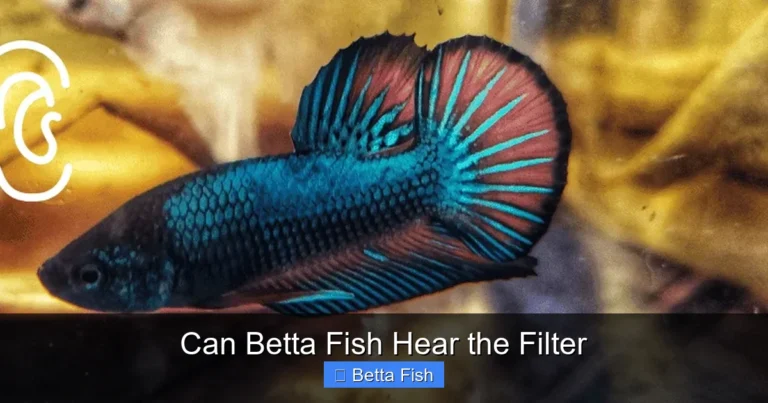
Visual guide about Why Is My Betta Fish Eye Bulging
Image source: sai.org.in
Why are betta eyes so vulnerable?
Betta fish live in shallow, warm water where parasites, bacteria, and fungi thrive. Their eyes are exposed directly to the tank water, so any change in water quality or a tiny scratch can quickly become an infection. Because bettas are territorial, they may also suffer eye injuries from fights with other fish or from bumping into decorations.
2. Top Causes of a Bulging Betta Eye
2.1 Poor Water Quality
Ammonia spikes, high nitrite, or fluctuating pH can irritate the delicate eye membrane. When the water is dirty, bacteria multiply, and the eye can swell as it tries to fight off infection.
2.2 Bacterial Infections
Common culprits include Aeromonas and Pseudomonas species. These bacteria enter through tiny scratches or via the gills and quickly spread to the eye, causing redness, swelling, and sometimes a white or yellowish patch.
2.3 Fungal Infections
Fungal growth appears as cotton‑like patches on the eye or surrounding skin. It often follows a bacterial infection or a period of stress that weakens the fish’s immune system.
2.4 Parasites
Protozoan parasites such as Hexamita or Ichthyophthirius can invade the eye, leading to bulging, cloudiness, and excessive rubbing against decorations.
2.5 Physical Trauma
A fight with another betta, a sharp plant leaf, or a cracked tank glass can cause a bruise or puncture. The eye may swell as fluid builds up around the injury.
2.6 Systemic Illness
Sometimes the eye is just the tip of the iceberg. A systemic disease like swim bladder disorder or internal infection can cause fluid retention that shows up as a bulging eye.
3. Spotting the Early Warning Signs
Visual clues
- Swelling or puffiness around one or both eyes.
- Cloudy, white, or yellow spots on the cornea.
- Redness or visible blood vessels.
- Eye appears to be “sticking out” more than usual.
Behavioral clues
- Loss of appetite or slower feeding.
- Rubbing the eye against décor or the tank glass.
- Floating sideways or having trouble maintaining balance.
- Lethargy or excessive hiding.
If you notice any of these signs, it’s time to act quickly. The faster you intervene, the better the chance of a full recovery.
Visual guide about Why Is My Betta Fish Eye Bulging
Image source: computermania.co.za
4. Step‑by‑Step Treatment Plan
4.1 Test and Stabilize Water
Grab a reliable test kit and check ammonia, nitrite, nitrate, and pH. Aim for:
- Ammonia: 0 ppm
- Nitrite: 0 ppm
- Nitrate: < 20 ppm
- pH: 6.5‑7.5 (stable)
Perform a 25‑30% water change with water that matches the tank’s temperature and hardness. Good water is the single most effective medicine.
4.2 Isolate the Affected Betta
Set up a hospital tank (2‑5 gallons) with clean, conditioned water, a heater set to 78‑80°F, and a gentle filter. Isolation prevents cross‑infection and lets you treat the fish without stressing tank mates.
4.3 Choose the Right Medication
- Bacterial infection: Broad‑spectrum antibiotics like Maracyn or Kanaplex for 5‑7 days.
- Fungal infection: Antifungal dips such as Mardel or a 1‑hour salt bath (1 % marine salt).
- Parasites: Formalin or copper‑based treatments, following dosage instructions closely.
Always finish the full course, even if the eye looks better after a few days.
4.4 Salt Baths and Epsom Salt Soaks
A 1 % marine salt bath for 30 minutes daily can reduce swelling and help draw out fluid. For stubborn cases, a 2 % Epsom salt (magnesium sulfate) soak for 10 minutes can soothe inflammation.
4.5 Nutritional Support
Feed high‑protein foods like freeze‑dried bloodworms, brine shrimp, or specialized betta pellets enriched with vitamins A and C. Consider adding a probiotic supplement to boost immune response.
4.6 Monitor and Adjust
Check the eye daily. If swelling stops decreasing after 48‑72 hours, or if the eye becomes cloudy and the fish loses vision, seek advice from a vet or an experienced betta keeper.
5. Prevention: Keep Those Eyes Clear
Maintain pristine water
Change 25‑30 % of the tank water weekly. Use a high‑quality water conditioner to remove chlorine and chloramines. A small, reliable filter will keep ammonia low.
Quarantine new arrivals
Any new fish or live plants should spend at least two weeks in a separate tank. This prevents hidden parasites or bacteria from entering the main display.
Choose tank décor wisely
Opt for smooth, non‑sharp ornaments. Avoid broken glass, sharp plastic, or rough plant leaves that could scratch the eye.
Watch tank mates
Betta males are aggressive toward other males and can also stress females. If you keep multiple bettas, ensure they have proper dividers and enough space.
Regular health checks
Spend a few minutes each day watching for abnormal swimming, loss of appetite, or changes in coloration. Early detection is the key to quick treatment.
6. When to Call in Professional Help
If your betta’s eye remains swollen after a full course of medication, or if you notice additional symptoms such as:
- Severe lethargy or loss of equilibrium.
- Bleeding from the eye or surrounding tissue.
- Sudden death despite treatment.
These could indicate a deeper systemic issue. A veterinarian who specializes in fish or an experienced aquarist can provide advanced diagnostics, such as microscopic examination of the eye or culture tests.
Conclusion: Act Fast, Stay Calm
A bulging eye is a clear sign that something is off, but it’s rarely an untreatable disaster. By testing water, isolating the fish, choosing the right medication, and keeping a close eye on progress, you give your betta the best chance to heal. Prevention—through clean water, careful décor, and vigilant observation—will keep future eye problems at bay. Remember, a healthy betta is a happy betta, and a quick response to eye issues is the fastest route to a thriving, colorful companion.
For more on related eye problems, check out Why Are My Betta Fish’s Eyes Bulging. If you’re noticing other symptoms like white patches, read Why Is My Betta Fish Turning White. And if your fish is having trouble staying upright, our guide on Why Is My Betta Fish Floating Sideways can help you troubleshoot.
Frequently Asked Questions
Why does my betta fish’s eye look cloudy?
Cloudiness usually means an infection or fungal growth. Test the water, isolate the fish, and treat with appropriate antibiotics or antifungal medication.
Can a bulging eye be a sign of a serious disease?
Yes, it can indicate systemic issues like swim bladder disease or internal infections. If other symptoms appear, seek professional advice quickly.
Is a salt bath safe for bettas?
Yes, a 1 % marine salt bath for 30 minutes is safe and helps reduce swelling. Avoid using table salt, and always match the tank temperature.
How long does it take for a betta’s eye to heal?
Most mild infections improve within 5‑7 days of proper treatment. Full recovery may take up to two weeks, depending on severity.
Should I feed my betta if its eye is bulging?
Yes, offer high‑protein foods like bloodworms or brine shrimp. Feeding supports the immune system and speeds up healing.
Can poor lighting cause eye problems?
Extreme light or direct sunlight can stress a betta and exacerbate eye issues, but it’s rarely the primary cause. Keep lighting moderate and provide plenty of hiding spots.