How to Properly Set Up a Betta Fish Bowl
Setting up a betta fish bowl the right way is simpler than most people think. You will learn how to choose the proper bowl size, prepare the water, add the right decorations, and maintain a healthy environment for your betta. This guide covers every essential step so your fish stays happy, active, and thriving in its new home.
Setting up a betta fish bowl properly is one of the most important things you can do for your pet fish. Many people think bettas are low-maintenance and can survive in tiny cups of water. But the truth is, a well-set-up bowl gives your betta a much better quality of life. When you take the time to do it right, you will see a happier, healthier, and more colorful fish.
Whether you are a complete beginner or have had bettas before, this guide walks you through every step. You will learn about bowl size, water preparation, temperature control, decoration choices, and daily care. Each step builds on the last, so by the end you will have a complete setup ready for your new friend.
The goal here is simple. You want to create a safe and comfortable betta fish habitat that mimics their natural environment as closely as possible. Bettas come from warm, slow-moving waters in Southeast Asia. Replicating those conditions in a bowl is entirely doable with the right approach. Let us get started.
Key Takeaways
- Choose a bowl that is at least 2.5 gallons: Larger bowls make it easier to keep water stable and clean.
- Always condition the water before adding your betta: Tap water contains chemicals that can harm your fish.
- Keep the water temperature between 76 and 82 degrees Fahrenheit: A small heater or warm location helps maintain this range.
- Add gentle decorations and live plants: These create a natural and stress-free environment for your betta.
- Perform regular water changes: Changing 25 to 50 percent of the water weekly keeps your bowl fresh and healthy.
- Avoid placing the bowl in direct sunlight: This causes algae growth and temperature spikes that stress your betta.
- Use a gentle filter if possible: Even a small sponge filter helps maintain water quality without strong currents.
📑 Table of Contents
Choose the Right Bowl Size for Your Betta
The first and most important decision is picking the correct bowl size. Many pet stores sell bettas in tiny cups, which can be misleading. A small fish tank or bowl of at least 2.5 gallons is the minimum recommended size for a single betta. Anything smaller makes it very hard to keep the water clean and stable.
Larger bowls give you more room for error. They dilute toxins faster and hold temperature more steadily. If you can go bigger, a 5-gallon bowl is even better. The extra space gives your betta room to swim and explore, which reduces stress and promotes better health.
Why Bowl Size Matters
Bettas produce waste just like any other fish. In a very small bowl, ammonia from waste builds up quickly. This can damage your betta’s fins, gills, and overall health. A larger bowl gives beneficial bacteria more space to grow. These helpful bacteria break down harmful toxins and keep the water safer.
Here is a quick comparison of common bowl sizes:
- 1 gallon or less: Very difficult to maintain. Not recommended for long-term betta care.
- 2.5 gallons: The minimum size. Works well with a small heater and gentle filter.
- 5 gallons: Ideal size. Easier to keep stable and offers more swimming room.
- 10 gallons or more: Excellent for a single betta. Allows for more decoration and plants.
If you are setting up a new betta fish tank, always go for the largest bowl you can comfortably fit. Your betta will thank you with brighter colors and more energy.
Prepare the Water Correctly
Water quality is the foundation of a healthy bowl. Bettas are sensitive to chemicals and fluctuations in water parameters. Taking the time to prepare the water properly prevents many common health problems.
Use the Right Water Source
Tap water is the most common source, but it contains chlorine and chloramine. These chemicals are harmful to bettas. Always use a water conditioner to remove these toxins before adding water to the bowl. Products like Seachem Prime or API Tap Water Conditioner work well and are easy to use.
Let the water sit for a few minutes after adding conditioner. This gives the product time to neutralize the chemicals fully. Some people prefer using bottled spring water or RO water, but treated tap water works great for most setups.
Test Your Water Parameters
Before adding your betta, test the water using a simple aquarium test kit. You want to check for ammonia, nitrite, nitrate, and pH levels. Here are the ideal ranges for a betta fish bowl:
- Ammonia: 0 ppm
- Nitrite: 0 ppm
- Nitrate: Below 20 ppm
- pH: Between 6.5 and 7.5
If any of these levels are off, adjust them before introducing your betta. How To Prepare Water For A Betta Fish is a great resource that goes deeper into water chemistry and testing methods.
Set Up the Temperature and Heating
Bettas are tropical fish, which means they need warm water to thrive. Room temperature water is usually too cool, especially during winter months. Keeping the right temperature is one of the easiest ways to prevent illness and stress.
What Temperature Should a Betta Bowl Be?
The ideal temperature range is between 76 and 82 degrees Fahrenheit. Below 74 degrees, your betta may become sluggish and lose its appetite. Above 84 degrees, the warm water holds less oxygen, which can also cause problems.
A small aquarium heater is the best way to maintain a consistent temperature. Look for a 25-watt heater designed for bowls and small tanks. These heaters are affordable and very easy to set up. Place the heater near the water flow if you are using a filter, so the warm water circulates evenly.
If you do not want to use a heater, keep the bowl in a warm room away from drafts and cold windows. However, a heater is always the safer choice. For more tips on keeping your betta warm, check out how to keep my betta fish warm without a heater for alternative methods.
Do You Need a Filter?
Filters help keep the water clean by removing debris and supporting beneficial bacteria. Bettas do not like strong currents, so choose a gentle sponge filter or a filter with adjustable flow. A betta bowl filter makes maintenance much easier and keeps the water healthier between water changes.
Decorate the Bowl Thoughtfully
Decorations do more than make the bowl look nice. They provide hiding spots, exploration opportunities, and a sense of security for your betta. Choosing the right decorations can reduce stress and encourage natural behavior.
Safe Decoration Ideas
When decorating a betta fish bowl, always choose fish-safe materials. Avoid anything with sharp edges or toxic paints. Here are some great options:
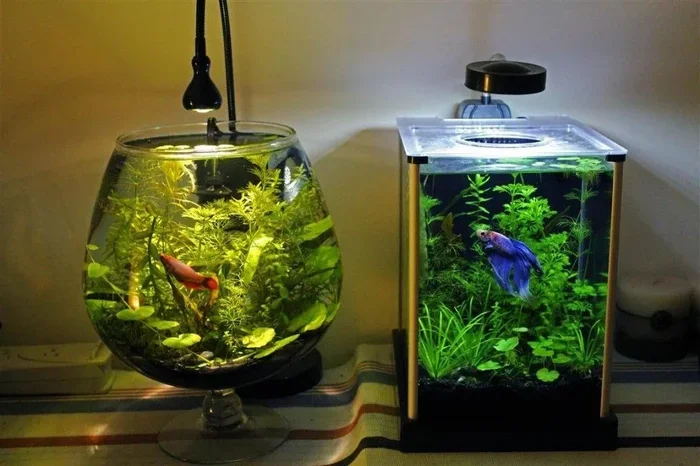
- Live plants: Plants like java fern, anubias, and marimo moss balls are safe and beneficial. They absorb nitrates and produce oxygen. For a step-by-step guide on adding plants, see how to setup a betta fish bowl with a plant.
- Smooth rocks and gravel: Choose small, smooth stones. Avoid rough or sharp decorations that could tear delicate fins.
- Caves and hides: Betta fish enjoy having a place to retreat. Small ceramic caves or coconut shells work perfectly.
- Driftwood: Adds a natural look and can help slightly buffer the pH of the water.
For more inspiration on making your bowl beautiful and functional, read how to decorate a betta fish bowl for creative and safe ideas.
What to Avoid in a Betta Bowl
Not all decorations are safe. Here are some common mistakes to avoid:
- Plastic plants with sharp or rough edges
- Metal decorations that can rust and leach toxins
- Brightly painted items that may contain harmful chemicals
- Overcrowding the bowl with too many decorations that reduce swimming space
Keep the decorations minimal but meaningful. Your betta needs open space to swim comfortably. A few well-placed items create a natural and calming environment without cluttering the bowl.
Cycle and Maintain the Bowl
Cycling a bowl means establishing beneficial bacteria that break down harmful ammonia and nitrite. This process is essential for long-term fish health. Even if you are setting up a new bowl, starting the cycling process before adding your betta is the best practice.
How to Cycle a Betta Bowl
The nitrogen cycle converts toxic ammonia into less harmful nitrate. Here is a simple breakdown of the process:
- Add a source of ammonia: This can be fish food, a small amount of pure ammonia, or a few hardy plants.
- Let beneficial bacteria grow: These bacteria colonize the bowl surface, filter media, and substrate over 2 to 4 weeks.
- Test the water regularly: Watch for ammonia and nitrite levels to spike and then drop to zero.
- Add your betta once the cycle is complete: This means ammonia and nitrite read at 0 ppm, and nitrate is below 20 ppm.
Cycling takes patience, but it is the single most important thing you can do for water quality. Skipping this step often leads to ammonia spikes, which can sicken or kill your betta.
Ongoing Maintenance Routine
Once your bowl is set up and your betta is settled in, a simple maintenance routine keeps everything running smoothly:
- Weekly water changes: Replace 25 to 50 percent of the water with freshly conditioned water at the same temperature.
- Gravel vacuuming: Remove waste and debris from the substrate during water changes.
- Wipe the glass: Use a clean cloth to remove algae from the inside of the bowl.
- Check the temperature: Make sure the heater or room temperature stays within the ideal range.
- Feed appropriately: Feed small amounts once or twice a day. Remove any uneaten food after a few minutes.
For a deeper dive into maintenance routines, how to maintain a betta fish bowl offers detailed tips on keeping your bowl clean and healthy long-term.
Common Mistakes to Avoid When Setting Up a Betta Bowl
Even well-meaning owners make mistakes. Learning from common errors saves you time, money, and stress. Here are the most frequent setup mistakes to watch out for.
Using Too Small a Bowl
The biggest mistake is choosing a bowl that is too small. A 1-cup or 1-gallon bowl might seem convenient, but it creates an unstable environment. Waste builds up fast, temperature swings are common, and your betta has very little room to move. Always go with at least 2.5 gallons.
Skipping the Water Conditioner
Adding tap water directly to the bowl without conditioner is a serious error. Chlorine and chloramine can damage your betta’s gills and skin. Always condition the water, even if you are only doing a partial water change.
Overfeeding Your Betta
Bettas have small stomachs and do not need much food. Overfeeding leads to uneaten food rotting in the bowl, which spikes ammonia levels. Feed what your betta can eat in 2 to 3 minutes, once or twice a day. For more feeding guidance, see how to feed a pea to a betta fish for safe treat ideas.
Placing the Bowl in Direct Sunlight
A sunny spot might look nice, but direct sunlight causes rapid temperature increases and heavy algae growth. Place the bowl in a well-lit area that does not receive direct sun for extended periods. Artificial LED aquarium lights are a much better choice.
Neglecting Water Changes
Some people think a bowl with a filter never needs water changes. This is not true. Even with a filter, you must perform regular water changes to remove dissolved waste and replenish minerals. Skipping water changes leads to poor water quality and an unhappy betta.
Expert Tips for a Thriving Betta Bowl
Here are some bonus tips from experienced betta keepers that can take your setup to the next level.
- Add a lid: Bettas are jumpers and can leap out of open bowls. A secure lid prevents escapes and keeps debris out.
- Use a gentle sponge filter: Sponge filters provide biological and mechanical filtration without creating strong currents that stress bettas.
- Include floating plants: Plants like frogbit or water lettuce give bettas a natural feeling of security and help soften the light.
- Observe your betta daily: Watch for changes in color, appetite, or activity. Early detection of problems leads to better outcomes.
- Keep the bowl in a quiet spot: Loud noises and vibrations can stress bettas. Place the bowl in a calm area of your home.
Setting up a properly set up betta fish bowl is a rewarding experience. You are creating a tiny world for your fish to live and thrive in. When you get the details right, you will notice a big difference in your betta’s behavior, color, and overall health.
Remember that every bowl is a little ecosystem. The bowl size, water quality, temperature, decorations, and maintenance routine all work together. Take your time with each step, and do not rush the process. A little patience goes a long way in giving your betta the best possible life.
If you are ready to start your setup, begin with choosing the right bowl size and preparing your water. These two steps alone will set a strong foundation for everything else. Your betta deserves a home that is safe, warm, clean, and enriching. Follow the steps in this guide, and you will have a beautiful and healthy betta fish habitat that you can enjoy for years to come.
For additional guidance on caring for your betta after the setup, explore how to properly take care of betta fish and how to properly care for betta fish. These resources cover daily care routines, feeding schedules, and health monitoring that complement your new bowl setup perfectly.
Frequently Asked Questions
What size bowl is best for a betta fish?
A bowl of at least 2.5 gallons is the minimum recommended size. A 5-gallon bowl is ideal because it provides more stable water conditions and extra swimming room. Avoid bowls smaller than 1 gallon, as they are too difficult to maintain properly.
Do betta fish need a heater in their bowl?
Yes, bettas are tropical fish and need warm water between 76 and 82 degrees Fahrenheit. A small 25-watt aquarium heater is the best way to maintain a consistent temperature. Without a heater, the water can become too cold, especially during winter, which stresses your betta and weakens its immune system.
How often should I change the water in my betta bowl?
Perform a partial water change of 25 to 50 percent every week. This removes built-up waste, excess nutrients, and dissolved toxins. Always use conditioned water at the same temperature as the bowl water to avoid shocking your betta.
Can I put a betta fish in a bowl without a filter?
Yes, a betta can survive in a bowl without a filter, but it requires more frequent water changes. A gentle sponge filter makes maintenance easier and helps keep the water cleaner for longer. If you skip the filter, be extra diligent about weekly water changes and water testing.
What decorations are safe for a betta fish bowl?
Safe decorations include smooth rocks, live plants like java fern and anubias, ceramic caves, and natural driftwood. Avoid plastic plants with sharp edges, metal decorations, and any items with toxic paints. Decorations should create hiding spots without reducing open swimming space.
How long does it take to cycle a betta fish bowl?
Cycling a bowl typically takes 2 to 4 weeks. During this time, beneficial bacteria colonize the bowl and convert toxic ammonia into less harmful nitrate. Test the water regularly and only add your betta once ammonia and nitrite levels read at 0 ppm.
=== CONCLUSION ===
Properly setting up a betta fish bowl is one of the best things you can do for your fish. From choosing the right bowl size to preparing the water, maintaining the temperature, and adding thoughtful decorations, each step plays a vital role in your betta’s health and happiness. Follow the guidelines in this article, stay consistent with your maintenance routine, and your betta will reward you with vibrant colors and lively behavior. A well-set-up bowl is not just a home, it is a thriving little ecosystem that you can enjoy every day.