Should Betta Fish Be Kept in a Bowl
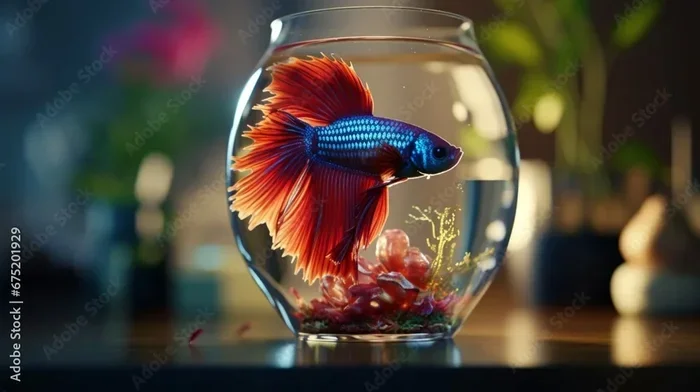
Should betta fish be kept in a bowl? The answer depends on bowl size, filtration, and care routine. While bettas can survive in a bowl, they thrive better in a properly set up tank. This guide covers everything you need to know about betta fish bowl setups, from size requirements to water quality tips.
Many fish keepers wonder whether a betta fish bowl is a good home for their colorful companion. The short answer is yes, but with important caveats. A bowl can work if you set it up correctly and commit to regular maintenance.
You might have seen bettas displayed in tiny cups at pet stores. That does not mean they should stay there. Those displays are temporary and often harmful. Your job as a responsible owner is to give your betta a better life than what those store cups offer.
In this guide, we will walk through everything you need to know about keeping a betta in a bowl. We will cover bowl size, water quality, filtration, heating, and common mistakes to avoid. By the end, you will have a clear picture of whether a betta fish bowl setup is right for your pet.
Key Takeaways
- Bettas can live in a bowl: They are resilient fish that can survive in small containers, but survival is not the same as thriving.
- Bowl size matters a lot: A bowl under 1 gallon is too small. At least 2.5 gallons is recommended for a healthy betta.
- Filtration and heating are essential: Even in a bowl, you need proper water conditions to keep your betta healthy long-term.
- Bettas are not goldfish: They need warmer water and more care than most people realize.
- A bowl can work with the right setup: Adding a lid, filter, and heater makes a bowl a viable home for your betta.
- Regular maintenance is non-negotiable: Frequent water changes and cleaning keep bowl environments safe for bettas.
📑 Table of Contents
Can Betta Fish Live in a Bowl?
The question “can betta fish live in a bowl” comes up constantly among new fish owners. The truth is that bettas can survive in a bowl, but surviving and thriving are two very different things. A betta kept in poor conditions may live for a year or two, while a well-cared-for betta can live five years or more.
Can my betta fish live in a bowl? Yes, but only if the bowl is large enough and properly maintained. Many people underestimate what bettas need to stay healthy. These fish are native to warm, slow-moving waters in Southeast Asia. They need stable water conditions, not just a tiny container of stagnant water.
If you are serious about keeping your betta in a bowl, you need to understand what that actually requires. Let us break it down.
The Minimum Bowl Size for a Betta
When it comes to betta fish bowl size, bigger is always better. A bowl under 1 gallon is far too small for any fish. At the bare minimum, you should use a 2.5-gallon bowl. However, a 5-gallon bowl or larger is ideal.
Here is a quick look at bowl size recommendations:
- Under 1 gallon: Not acceptable. Too small for long-term health.
- 1 to 2 gallons: Bare minimum. Requires very frequent water changes.
- 2.5 to 5 gallons: Recommended minimum for a healthy betta.
- 5 gallons or more: Ideal. Allows for stable water parameters.
Many people ask, “can betta fish live in a large bowl?” The answer is yes, and they do much better in larger bowls. A bigger bowl gives your betta room to swim and helps maintain stable water chemistry. If you want the best life for your fish, go as large as your space allows.
Why Bowl Size Affects Betta Health
A small bowl concentrates waste quickly. Ammonia builds up fast in tiny volumes of water. This can stress your betta and lead to serious health problems. In a larger bowl, toxins dilute more effectively, giving you more time between water changes.
Also, a larger bowl allows you to add a small filter and heater. Both of these are important for your betta’s well-being. We will cover those in detail below.
Setting Up a Betta Fish Bowl Properly
A betta fish bowl setup is more than just filling a bowl with water. You need to think about filtration, heating, décor, and water source. Each of these elements plays a role in keeping your betta healthy.
Filtration: Does a Bowl Need a Filter?
One of the most common questions is whether a betta needs a filter in a bowl. The answer is yes. Filters help remove harmful toxins like ammonia and nitrite. They also promote beneficial bacteria growth, which keeps the nitrogen cycle running smoothly.
You might wonder, “can betta fish live in a bowl without filter?” Technically, yes, but only if you perform very frequent water changes. Without a filter, you would need to change the water every single day or every other day. That is a lot of work and easy to mess up.
A small sponge filter is a great option for a bowl setup. It provides gentle filtration without creating too much current. Bettas prefer calm water, so a powerful filter is not ideal.
Heating: Why Temperature Matters
Betta fish are tropical. They need warm water to stay healthy. The ideal temperature range for a betta is between 76°F and 82°F (24°C to 28°C). Cold water slows their metabolism and makes them vulnerable to disease.
Even in a bowl, you should use a small aquarium heater. A 5-watt heater works well for bowls up to 5 gallons. Without proper heating, your betta may become lethargic, lose its color, or develop fin rot.
Many people ask about what temperature should a betta fish tank be in celsius. The answer is 24 to 28 degrees Celsius. Keeping the temperature stable is just as important as hitting the right number. Sudden temperature swings are very stressful for bettas.
Water Quality and Source
Water quality is the foundation of any betta setup. Never use untreated tap water. Chlorine and chloramine in tap water are harmful to fish. You should use a water conditioner to remove these chemicals before adding water to your bowl.
Many owners ask, “can you put tap water in a betta fish bowl?” The answer is only after treating it with a conditioner. Always let treated water sit for a few minutes to reach room temperature before adding your betta back.
Testing your water regularly is also important. A simple liquid test kit can measure ammonia, nitrite, and nitrate levels. You want ammonia and nitrite at zero, and nitrates below 20 ppm.
Decorations and Enrichment
A bare bowl is boring and stressful for a betta. Adding some decorations gives your fish places to explore and rest. Live plants are excellent choices because they help absorb nitrates and produce oxygen.
You might wonder, “can you put rocks in a betta fish bowl?” Yes, but choose smooth, small rocks. Sharp or rough rocks can damage your betta’s delicate fins. Avoid anything with sharp edges or rough surfaces.
Some people add betta hammocks or silk plants for resting spots. These are great additions. Just make sure any décor you add is aquarium-safe and does not leach chemicals into the water.
Common Mistakes When Keeping Betta Fish in Bowls
Even well-meaning owners make mistakes. Here are the most common ones to avoid when keeping your betta in a bowl.
Overfeeding Your Betta
Overfeeding is one of the fastest ways to ruin water quality in a small bowl. Uneaten food decays quickly and spikes ammonia levels. Feed your betta small amounts once or twice a day. Only give what they can eat in two minutes.
Skipping Water Changes
Even with a filter, you need regular water changes. In a bowl under 5 gallons, aim for a 25% water change every week. For bowls without a filter, you may need to change 50% of the water twice a week. Skipping water changes leads to toxic buildup and sick fish.
Using the Wrong Bowl Type
Not all bowls are suitable for bettas. Avoid metal bowls, as metal can leach toxic substances into the water. Also, make sure your bowl has a lid. Bettas are known jumpers, and an open bowl means a very dry floor.
Some owners ask, “can you put a betta fish in a metal bowl?” The answer is a firm no. Metal is toxic to fish and should never be used. Stick to glass or high-quality plastic bowls designed for aquarium use.
Keeping Too Many Fish in One Bowl
A bowl is not a community tank. Bettas are territorial and do not do well with other aggressive fish. While some peaceful species can share a larger tank, a small bowl is only suitable for one betta.
If you are considering adding tank mates, check out our guide on can betta fish be kept in a community tank for more information.
Benefits and Drawbacks of a Bowl Setup
Every housing option has pros and cons. Let us look at what a betta fish bowl setup offers compared to a traditional tank.
| Factor | Bowl Setup | Tank Setup |
|---|---|---|
| Space | Limited (2.5-5 gallons) | More room (5+ gallons) |
| Filtration options | Small sponge filters only | Wider range of filters |
| Heating | Compact heaters work | Standard heaters |
| Maintenance | More frequent water changes | Easier to maintain stability |
| Cost | Lower upfront cost | Higher initial investment |
| Swim space | Limited | More room to explore |
The main benefit of a bowl is its simplicity and lower cost. A bowl setup takes up less space and requires fewer accessories. For someone with a small apartment or desk setup, a bowl can work well.
The drawback is stability. Small volumes of water change temperature and chemistry quickly. This means you need to be more vigilant about testing and maintenance. If you are willing to put in the work, a bowl can be a perfectly fine home for your betta.
How Often Should You Clean a Betta Bowl?
Cleaning frequency depends on whether you have a filter and the bowl size. Here is a simple maintenance schedule:
- Daily: Check the temperature and remove any uneaten food.
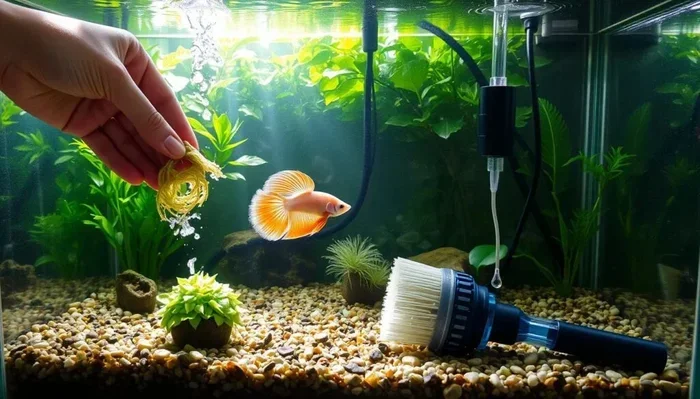
- Weekly: Perform a 25% water change and vacuum the substrate gently.
- Bi-weekly: Test water parameters for ammonia, nitrite, and nitrate.
- Monthly: Rinse filter media in old tank water (never tap water) to preserve beneficial bacteria.
Consistency is key. Skipping maintenance even once can cause a water quality crash. Your betta depends on you to keep its environment safe and clean.
Are Betta Fish Happy in a Bowl?
This is a question many owners think about but rarely ask out loud. Are betta fish happy in a bowl? The honest answer is that a happy betta needs enough space to swim, explore, and display natural behaviors. A tiny, barren bowl does not provide that.
However, a well-decorated bowl of 5 gallons or more with a filter and heater can absolutely support a happy, healthy betta. The key is enrichment. Add plants, hiding spots, and open swimming areas. Give your betta things to do, and it will thrive.
If you want to dive deeper into this topic, check out our article on are betta fish happy in a bowl for more insights into betta behavior and well-being.
Final Thoughts on Keeping Betta Fish in a Bowl
So, should betta fish be kept in a bowl? The answer is yes, with the right setup and commitment. A betta fish bowl can be a suitable home as long as you meet your fish’s basic needs. Provide adequate space, proper filtration, stable heating, and clean water.
Remember that your goal is not just to keep your betta alive. You want it to thrive. A well-maintained bowl gives your betta a comfortable, safe environment where it can display its vibrant colors and natural behaviors.
Start small if you need to, but always aim to improve. Upgrade to a larger bowl or tank as you become more confident in your fish-keeping skills. Your betta will thank you with years of companionship and beauty.
For more information on betta care, check out our guide on can betta fish live in a bowl without filter and our article on what temperature should a betta fish tank be in celsius for detailed heating guidance.
Frequently Asked Questions
Can a betta fish survive long-term in a bowl?
Yes, but only if the bowl is at least 2.5 gallons, has a filter and heater, and receives regular maintenance. Without these essentials, a betta’s lifespan will be significantly shortened. Proper care makes all the difference.
What is the best type of bowl for a betta fish?
A glass bowl or a high-quality plastic bowl designed for aquarium use is best. Avoid metal bowls and bowls with rough or sharp edges. A bowl with a lid is also important since bettas are known jumpers.
How often should I change the water in my betta bowl?
For a bowl with a filter, a 25% water change weekly is ideal. For a bowl without a filter, you may need to change 50% of the water twice a week. Consistent maintenance prevents toxic buildup and keeps your betta healthy.
Can betta fish live in a bowl with other fish?
Generally, no. A small bowl does not provide enough space for tank mates. Bettas are territorial and need their own territory. If you want to keep multiple fish, consider a larger tank with proper planning.
Do betta fish need a heater in a bowl?
Yes, bettas are tropical fish and need warm water between 76°F and 82°F. Even in a small bowl, a compact 5-watt heater can maintain stable temperatures. Cold water weakens their immune system and leads to illness.
Can you breed betta fish in a bowl?
Breeding bettas in a bowl is not recommended. Breeding requires stable water conditions, ample space, and a separate tank for the female and fry. A bowl is too small and difficult to manage for successful breeding. Consider a dedicated breeding tank instead.