Should You House Male Betta with Other Fish
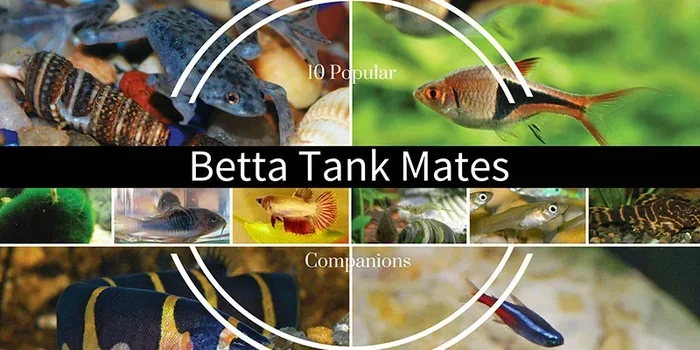
Should you house male betta with other fish? The short answer is: it depends. Male bettas can live with certain peaceful species, but their territorial nature means careful planning is essential. This guide covers the best tank mates, fish to avoid, and step-by-step setup tips to keep your betta happy and healthy alongside other fish.
So, you have a beautiful male betta fish. His colors glow, his fins flow, and you love watching him glide through the water. Now you are wondering: should you house male betta with other fish? It is a question a lot of fish keepers ask, and for good reason. Adding tank mates can make your aquarium feel alive and exciting. But it can also lead to disaster if you choose the wrong companions.
The truth is, male bettas are known for their territorial behavior. They were bred for fighting, after all. But that does not mean they always need to live alone. Many male bettas do just fine with the right tank mates. The key is knowing what works, what does not, and how to set things up properly. This guide will walk you through everything you need to know.
Key Takeaways
- Male bettas can coexist with other fish: With the right tank setup and compatible species, a male betta can live peacefully in a community tank.
- Avoid fin nippers and aggressive fish: Species like tiger barbs and goldfish can harm your betta or trigger aggression.
- Tank size matters a lot: A minimum of 20 gallons is recommended when housing a male betta with other fish.
- Watch for stress signals: Flaring, clamped fins, and hiding are signs your betta may not be comfortable with tank mates.
- Decorations and plants reduce conflict: Plenty of hiding spots and visual barriers help reduce territorial behavior.
- Not all bettas are the same: Some male bettas are naturally more docile and may do better with tank mates than others.
- Quarantine new fish first: Always isolate new additions to prevent the spread of disease and reduce initial aggression.
📑 Table of Contents
Understanding Male Betta Behavior
Before you add any other fish to your betta’s home, you need to understand how he thinks. Male bettas are territorial by nature. They claim spaces and defend them. In the wild, they live in shallow rice paddies and slow-moving streams. They have plenty of room to spread out and establish their own areas.
In a tank, things are different. The space is limited. When a betta feels crowded or threatened, he may flare his gills, chase other fish, or even bite fins. This is normal betta behavior, not meanness. It is simply how they protect their space.
Why Territorial Behavior Happens
Male bettas have long, flowing fins and bright colors. Other fish may see these features as a threat or a target. Even reflections in the glass can trigger flaring. The bright colors of a betta make him stand out, which can attract unwanted attention from more aggressive tank mates.
Some male bettas are more aggressive than others. Personality plays a big role. You might find that your betta is surprisingly chill, while another betta owner has a fish that attacks anything that moves. This is why every situation is different.
If you are considering keeping a male betta with other fish, understanding this behavior is the first step. You cannot just throw any fish in with your betta and hope for the best. It takes thought and planning.
Best Tank Mates for Male Betta Fish
Not all fish are a bad match for male bettas. In fact, there are several species that work well in a community tank. The best tank mates share similar water conditions, stay out of the betta’s way, and do not nip at his fins.
Peaceful Bottom Dwellers
Bottom-dwelling fish are often great choices. They stay near the substrate and rarely bother a betta swimming above. Some excellent options include:
- Corydoras catfish: These small, peaceful fish stay busy at the bottom. They are social and do well in groups of four or more.
- Kuhli loaches: With their eel-like shape, kuhlis are shy and non-threatening. They come out mostly at night.
- Pygmy corydoras: A smaller cory species that stays active and peaceful.
Shrimp and Snails
Shrimp and snails make fantastic additions to a betta tank. They clean up leftover food and algae without competing with your betta for space.
- Amano shrimp: These are hardy and stay out of the betta’s way.
- Cherry shrimp: Their bright red color is beautiful, and they reproduce easily.
- Nerite snails: Great algae eaters that cannot reproduce in freshwater, so they stay manageable.
- Mystery snails: Large and slow-moving, they are unlikely to trigger any aggression.
Peaceful Mid-Level Fish
If you want fish that swim in the middle of the tank, choose species that are calm and do not have bright, flashy fins. Good options include:
- Harlequin rasboras: These are schooling fish that stay in groups and keep to themselves.
- Ember tetras: Small, peaceful, and their orange color complements a betta beautifully.
- Neon tetras: A classic choice, but make sure they are well-fed so they do not nip at betta fins.
When choosing other fish to put in with a male betta, always research each species’ needs. Compatibility goes beyond just temperament.
Fish to Avoid With Male Betta
Some fish are simply bad tank mates for male bettas. These fish either compete for the same space, nip at fins, or are too aggressive. Avoiding them saves you a lot of headaches.
Fin Nippers
Fin nippers are a huge problem with bettas. These fish bite at long fins, causing injuries and stress. Common fin nippers include:
- Tiger barbs: They are notorious fin nippers and will hassle a betta constantly.
- Serpae tetras: Beautiful but aggressive, especially in smaller groups.
- Sumatran barbs: Active and nippy, they are not a good match.
Fish with Similar Colors or Fins
Fish that look like bettas can trigger territorial responses. A male betta may see a fish with long fins and bright colors as a rival. Avoid fish like:
- Guppies: Their flowing tails and bright colors can trigger aggression.
- Male gouramis: They share similar body shapes and colors with bettas, leading to fights.
- Male swordtails: Their large fins can cause the same issues.
Fish with Different Water Needs
Some fish simply cannot live in the same water conditions as bettas. For example, goldfish need much cooler water than bettas. Putting a betta with a goldfish will stress both fish. If you have ever wondered if you can put a male betta fish with goldfish, the answer is no. The water temperature and quality needs are too different.
How to Set Up a Tank for Male Betta and Other Fish
A successful community tank with a male betta starts with the right setup. The environment plays a huge role in how well your fish get along. A poorly set up tank will cause stress and aggression, no matter how peaceful your chosen tank mates are.
Tank Size Matters
The bigger the tank, the better. A minimum of 20 gallons is recommended when housing a male betta with other fish. A small bowl or tank gives your betta no room to escape from other fish, which increases stress and territorial behavior.
In a larger tank, you can create separate zones. Your betta can claim a favorite spot while other fish have their own areas. This reduces the chance of conflict.
Add Plenty of Hiding Spots
Decorations, plants, and caves give fish places to hide and feel safe. Live plants are especially helpful. They break up sight lines and give your betta places to rest. Some great plant options include:
- Java fern: Easy to grow and hardy.
- Amazon sword: Large leaves provide good coverage.
- Anubias: Low maintenance and tough.
- Floating plants like frogbit: These dim the light and make the tank feel more natural.
Maintain Good Water Conditions
Clean water keeps all fish healthy and less stressed. Betta fish need warm water between 78 and 80 degrees Fahrenheit. Use a heater and a thermometer to keep the temperature stable. Regular water changes of 25 to 30 percent every week help maintain quality.
Test the water for ammonia, nitrite, and nitrate levels. High ammonia is toxic and can make fish sick quickly. A good filter is essential, but make sure the current is not too strong. Bettas prefer slow-moving water.
Feed Properly
Overfeeding causes leftover food to pollute the water. It also causes competition at feeding time, which can trigger aggression. Feed your betta high-quality pellets or flakes once or twice a day. Give other fish their own food sources too, like sinking pellets for bottom dwellers or algae wafers for snails.
Signs Your Male Betta Is Stressed or Aggressive
Even with the best planning, things can go wrong. You need to watch your betta closely after adding tank mates. Catching problems early makes a big difference.
Here are common signs that your male betta is not getting along with other fish:
- Constant flaring: Occasional flaring is normal. Flaring all the time means your betta feels threatened.
- Clamped fins: When a betta holds his fins close to his body, he is stressed or sick.
- Hiding constantly: A confident betta explores his tank. If he hides all the time, something is wrong.
- Loss of color: Bettas lose vibrancy when they are stressed or unwell.
- Refusing food: A healthy betta is eager to eat. Loss of appetite is a red flag.
- Chasing or nipping other fish: This shows your betta is being aggressive and may need to be separated.
If you notice these signs, act quickly. Remove the problematic tank mate or move your betta to a different tank. Some situations cannot be fixed, and that is okay. Not every betta thrives in a community setup.
For more guidance on choosing the right companions, check out our article on putting betta fish with other types of fish for additional tips and species suggestions.
Final Verdict: Should You House Male Betta With Other Fish?
So, should you house male betta with other fish? The answer is yes, but with conditions. You need the right tank size, compatible species, proper setup, and a willingness to monitor your fish closely. Not every male betta will do well in a community tank, and that is perfectly fine.
Start small. Try adding one or two peaceful tank mates and watch how your betta reacts. If things go well, you can gradually build a thriving community aquarium. If not, your betta can still live a happy and healthy life on his own.
The most important thing is that you care enough to ask the question. That already puts you ahead of many fish keepers. Take your time, do your research, and trust your instincts. Your betta will thank you for it.
Frequently Asked Questions
Can a male betta live with a female betta?
Yes, but it requires careful planning. A male and female betta can live together in a species-only tank with plenty of space and hiding spots. However, the male may still show aggression, especially during breeding. Always monitor their behavior closely and be ready to separate them if needed.
What is the best tank size for a male betta with other fish?
A 20-gallon tank is the minimum recommended size. Larger tanks provide more space for territory and reduce stress. A bigger tank also makes it easier to maintain stable water conditions, which benefits all the fish.
Can male betta fish live with tetras?
Some tetras work well, like ember tetras and harlequin rasboras. However, avoid fin-nipping species like tiger barbs. Always research the specific tetra species before adding them to a betta tank.
How do I introduce a new fish to my male betta?
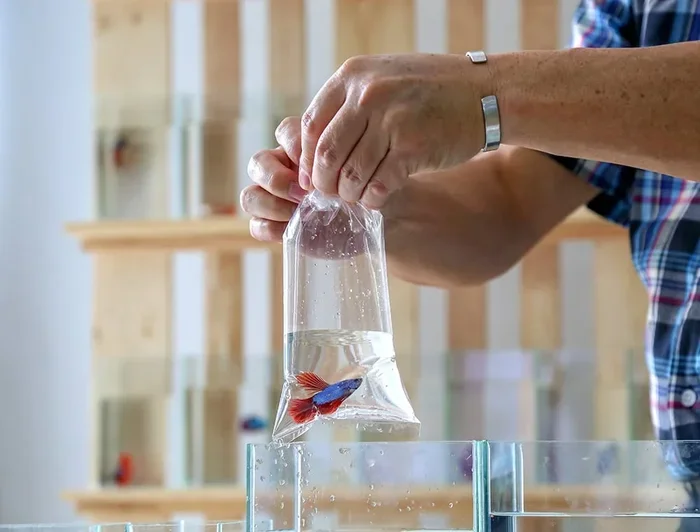
Quarantine the new fish for at least two weeks to ensure it is healthy. Then, rearrange the tank decorations before adding the new fish. This disrupts territories and reduces the chance of your betta attacking the newcomer. Watch closely for the first few days.
Do male bettas get lonely?
Betta fish do not get lonely the way mammals do. They are solitary by nature and do fine on their own. However, some bettas enjoy the presence of peaceful tank mates. It really depends on the individual fish and its personality.
Can I keep a male betta in a community tank with shrimp?
Yes, shrimp are excellent tank mates for male bettas. Amano shrimp and mystery snails are safe choices. Most bettas will leave shrimp alone, especially if they are well-fed. Just be aware that some bettas may try to eat very small shrimp like cherry shrimp.