Should a Betta Fish Have a Heater
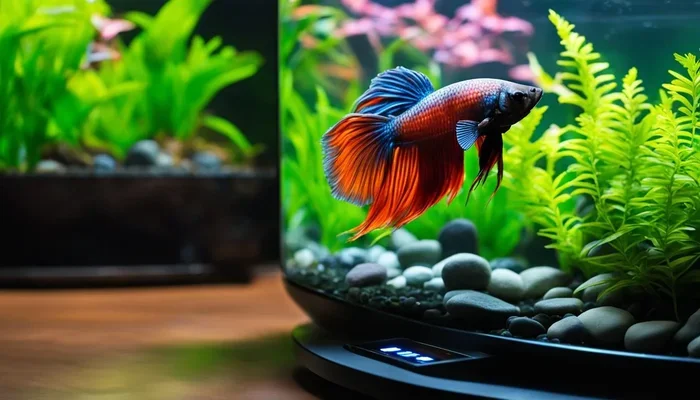
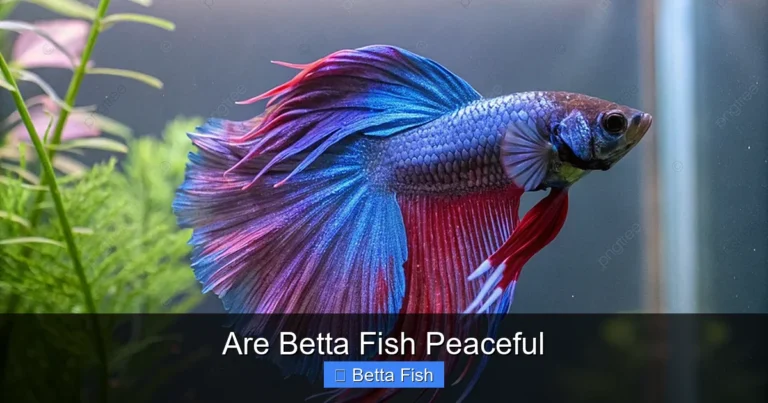
Should a betta fish have a heater? Yes, absolutely. Betta fish are tropical creatures that need warm, stable water to thrive. Without a heater, your betta can suffer from stress, disease, and a shortened lifespan. This guide covers everything you need to know about keeping your betta fish warm and healthy.
You love your betta fish. You watch it glide through the water, flare its fins, and explore every corner of the tank. But have you ever stopped to think about whether your betta is comfortable? Should a betta fish have a heater in its tank? This is one of the most important questions every betta owner should ask. The answer might surprise you.
Many people believe betta fish can survive in any water condition. After all, they are hardy creatures. But surviving is not the same as thriving. A betta fish heater plays a big role in keeping your fish healthy, happy, and full of color. In this guide, we will walk you through everything you need to know about heating your betta tank the right way.
Betta fish come from the warm, slow-moving waters of Southeast Asia. They live in rice paddies, shallow ponds, and warm streams. Their natural habitat is consistently warm. When you keep a betta in a tank, you are responsible for recreating that environment. Water temperature is one of the most critical factors in betta fish care. Without the right warmth, your fish can become stressed, sick, and eventually die.
Key Takeaways
- Betta fish need a heater: They are tropical fish that require warm water between 76-82°F to stay healthy and active.
- Cold water is dangerous: Temperatures below 74°F can lead to lethargy, illness, and a weakened immune system in bettas.
- Choose the right heater: A small, adjustable aquarium heater with a thermostat is ideal for most betta tanks.
- Monitor water temperature: Use a thermometer to ensure the water stays within the safe range at all times.
- Alternatives exist: You can use a heater mat or room heating as backup, but a proper aquarium heater is best.
- Consistency matters: Sudden temperature swings are more harmful than slightly cooler water.
📑 Table of Contents
Why Temperature Matters for Your Betta Fish
Temperature is not just a number on a thermometer. It affects every part of your betta’s life. From its metabolism to its immune system, water temperature controls how well your fish functions. Let us break down why this matters so much.
The Science Behind Betta Fish and Warm Water
Betta fish are tropical fish. This means they evolved in warm climates. Their bodies are designed to work best in warm water. When the water is too cold, their metabolism slows down. This affects their digestion, energy levels, and ability to fight off infections.
Think of it like this. Imagine you are wearing a winter coat in the middle of summer. You would feel hot, sluggish, and uncomfortable. Now flip that. Imagine being outside in freezing cold with no coat. That is what cold water feels like for a betta fish. The ideal betta temperature is between 76 and 82 degrees Fahrenheit (24 to 28 degrees Celsius).
Here are some key reasons why temperature matters:
- Metabolism: Warm water keeps your betta’s metabolism at a healthy pace. This helps with digestion and energy.
- Immune system: A warm, stable environment helps your betta fight off bacteria and parasites.
- Color vibrancy: Betta fish in warm water display brighter, more vivid colors. Cold water can cause fading.
- Activity levels: Warm water keeps your betta active and curious. Cold water makes them lethargic.
- Breeding behavior: Proper temperature encourages natural breeding behaviors in male and female bettas.
What Is the Ideal Temperature Range?
The sweet spot for most betta fish is around 78 degrees Fahrenheit. This is the temperature where they feel most comfortable and display natural behaviors. However, a range of 76 to 82 degrees is generally acceptable. The key is consistency. Fluctuations are more dangerous than being slightly off target.
If you want to get serious about monitoring, a digital aquarium thermometer is a great investment. These are inexpensive and give you accurate readings in real time. Some heaters even come with built-in thermostats that maintain the set temperature automatically.
What Happens When a Betta Fish Gets Too Cold
Now that we know the ideal range, let us talk about what goes wrong when the water gets too cold. This is where many betta owners make mistakes, either because they do not know better or because they underestimate the risks.
Common Health Problems from Cold Water
Cold water does not just make your betta uncomfortable. It opens the door to serious health issues. Here are some of the most common problems that arise when water temperature drops too low:
- Ich (White Spot Disease): This is one of the most common fish diseases. Cold water weakens the immune system, making bettas more susceptible to ich. You will notice white spots on the fins and body.
- Fin Rot: Cold, stressed bettas are prone to fin rot. The fins start to look ragged and may discolor. This is a bacterial infection that thrives in poor conditions.
- Lethargy: A cold betta will sleep more, eat less, and move slowly. This is not just laziness. It is a sign that the fish’s body is struggling.
- Loss of Appetite: Betta fish in cold water often stop eating. This leads to malnutrition and a weakened immune system over time.
- Shock and Death: In extreme cases, sudden temperature drops can cause shock and death. This is especially dangerous if the change happens quickly.
Can a Betta Survive Without a Heater?
Some people claim their betta fish live fine without a heater. This is true in some cases, but it is not the whole story. Many homes stay warm enough in the summer that a heater is not strictly necessary. But what happens in winter? Or in air-conditioned rooms?
Can a betta fish live without a heater? Technically, yes, if the room temperature stays within the ideal range. But this is unreliable. Room temperature fluctuates with the seasons, your HVAC system, and even the time of day. A heater gives you control and peace of mind. It ensures your betta is always in the right conditions.
If you are wondering how to keep my betta fish warm without a heater, there are a few options. A heater mat, a warm room, or even a heated blanket around the tank can help. But none of these are as effective as a proper aquarium heater. They are backup solutions, not replacements.
How to Choose the Right Heater for Your Betta Tank
Not all heaters are created equal. Choosing the right one for your betta tank is important. You want something safe, reliable, and the right size for your setup.
Types of Aquarium Heaters
There are several types of heaters available for aquariums. Let us look at the most common options:
- Submersible Heaters: These hang or sit inside the tank. They are the most popular choice for betta tanks. They heat the water evenly and are easy to adjust.
- Hanging Heaters: These hang on the back of the tank. They are affordable and work well for smaller tanks. However, they may not distribute heat as evenly.
- In-Line Heaters: These are installed outside the tank in the filter line. They are great for larger setups but are overkill for a simple betta bowl or tank.
- Heater Mats: These sit under the tank and provide gentle warmth. They are not as effective as submersible heaters but can work as a supplement.
What Size Heater Do You Need?
The general rule is 5 watts per gallon of water. So a 10-gallon tank needs a 50-watt heater. For a small betta bowl or tank under 5 gallons, a 10 to 25-watt heater works well. Here is a quick reference:
- 1-3 gallons: 10-25 watt heater
- 5 gallons: 25-50 watt heater
- 10 gallons: 50 watt heater
- 20 gallons: 75-100 watt heater
Always choose a heater with an adjustable thermostat. This lets you set the exact temperature you want. A heater with a built-in thermostat is the best choice for betta fish tanks. It takes the guesswork out of temperature control.
Quick Tips for Choosing a Heater
- Look for a heater from a reputable brand.
- Choose one with a protective plastic casing to prevent burns.
- Make sure the heater is fully submersible if it goes inside the tank.
- Read reviews from other betta fish owners.
- Consider buying a separate thermometer for backup monitoring.
Setting Up and Maintaining Your Betta Heater
Buying a heater is only half the battle. Setting it up correctly and maintaining it is just as important. A poorly placed or neglected heater can cause more harm than good.
Step-by-Step Heater Setup
- Place the heater near the filter outflow. This helps distribute warm water evenly throughout the tank.
- Attach the heater to the inside wall of the tank using the suction cups provided.
- Set the thermostat to the desired temperature, ideally around 78°F.
- Plug in the heater and let the tank warm up before adding your betta fish.
- Use a separate thermometer to verify the temperature is accurate.
Common Mistakes to Avoid
Even experienced fish keepers make mistakes with heaters. Here are some common errors to watch out for:
- Not using a thermostat: A heater without a thermostat can overheat the tank. This is dangerous and can even kill your betta.
- Placing the heater near the substrate: This can cause uneven heating and may damage the heater.
- Turning the heater off at night: Some people think they need to turn off the heater at night. Do not do this. The heater should run 24/7 to maintain a stable temperature.
- Ignoring temperature fluctuations: If you notice the temperature swinging more than a degree or two, check your heater and thermometer.
- Using a heater that is too big: An oversized heater can cause rapid temperature spikes. Always match the heater size to your tank.
Can A Heater Kill A Betta Fish?
Yes, it is possible. A malfunctioning heater can overheat the water or cause sudden temperature spikes. This is why it is important to buy a quality heater and check it regularly. Can a heater kill a betta fish? If it malfunctions, absolutely. But with proper use and monitoring, a heater is one of the safest and most important pieces of equipment in your betta setup.
Can You Keep a Betta Fish Warm Without a Heater
Some betta owners prefer to avoid electric heaters. Maybe they live in a warm climate. Maybe they are worried about electricity costs. Maybe they just want a simpler setup. Whatever the reason, it is possible to keep a betta warm without a traditional heater. But it takes more effort and vigilance.
Alternative Heating Methods
- Heater Mats: These electric mats sit under the tank and provide gentle bottom heat. They are not as effective as submersible heaters but can maintain warmth in small bowls.
- Room Temperature Control: Keeping the room where your betta tank sits at a steady 78°F can work in some cases. Use a room thermometer to monitor.
- Insulated Tank Covers: A tight-fitting lid with insulation can reduce heat loss. This works best in cooler environments.
- Warm Water Changes: When doing water changes, use water that is close to the tank temperature. This prevents sudden drops.
These methods can work as supplements or in warm environments. But for most betta owners, especially those in cooler climates or air-conditioned spaces, a proper aquarium heater is the best choice. It gives you consistent, reliable warmth without constant monitoring.
The Risks of No Heater
Going without a heater is a gamble. Your betta might be fine for weeks or months. But one cold night or a drafty window can change everything. The risks include illness, stress, faded colors, and a shortened lifespan. If you truly care about your betta’s well-being, a heater is not optional. It is essential.
Final Thoughts: Should a Betta Fish Have a Heater
The answer is clear. Should a betta fish have a heater? Yes. A heater is one of the most important investments you can make for your betta fish. It keeps the water at a safe, stable temperature that supports good health, vibrant colors, and natural behavior.
You do not need an expensive or complicated setup. A simple, adjustable submersible heater with a thermostat is all you need. Pair it with a good thermometer, and you are set. Your betta will thank you with years of active, colorful life.
If you are still unsure about whether your betta needs a heater, consider this. Would you want to live in a cold, drafty house with no way to warm up? Your betta fish feels the same way. Give it the warmth it needs, and you will have a happy, healthy companion for years to come.
For more information on betta fish care, check out our guide on can a betta fish live without a heater and our article on what temperature should a betta fish tank be in celsius to understand the ideal range better.
Also, if you are concerned about safety, read up on can a heater kill a betta fish to learn how to prevent accidents. And for tips on keeping your betta comfortable in different setups, explore do betta fish bowls need a heater for specific guidance on smaller tanks.
Frequently Asked Questions
Do betta fish really need a heater?
Yes, betta fish are tropical fish that need warm water to stay healthy. Without a heater, the water temperature can drop too low, leading to stress, illness, and a weakened immune system. A heater helps maintain a stable, comfortable environment for your betta.
What temperature is too cold for a betta fish?
Water temperatures below 74 degrees Fahrenheit are considered too cold for betta fish. At this temperature, their metabolism slows down, making them lethargic and more vulnerable to diseases. Ideally, you want to keep the water between 76 and 82 degrees Fahrenheit.
Can I use a heater mat instead of a regular aquarium heater?
A heater mat can work as a supplemental heat source for very small tanks or bowls. However, it is not as effective as a submersible aquarium heater for maintaining consistent warmth throughout the tank. If possible, use a proper heater as your primary heat source.
How long does it take for a betta tank to heat up?
It usually takes 24 to 48 hours for a betta tank to reach the target temperature after setting up a heater. The time depends on the tank size, room temperature, and heater wattage. Always use a thermometer to check before adding your fish.
Should I turn off the heater at night?
No, you should not turn off the heater at night. The heater should run 24 hours a day to maintain a stable temperature. Temperature swings, even small ones, can stress your betta fish and weaken its immune system.
What happens if the heater malfunctions?
A malfunctioning heater can overheat or fail to heat the water. Both situations are dangerous for your betta. Check your heater regularly for signs of damage, and use a separate thermometer to verify the temperature. If the heater stops working, replace it immediately.
=== CONCLUSION ===
Keeping your betta fish warm is one of the simplest and most impactful things you can do for its health. A betta fish heater is not a luxury. It is a necessity. From preventing illness to boosting energy and color, the right heater makes a world of difference. Choose a reliable heater, set it to the correct temperature, and monitor it regularly. Your betta will live a longer, happier, and healthier life because of it.