Is Wild or Farmed Fish Better for You
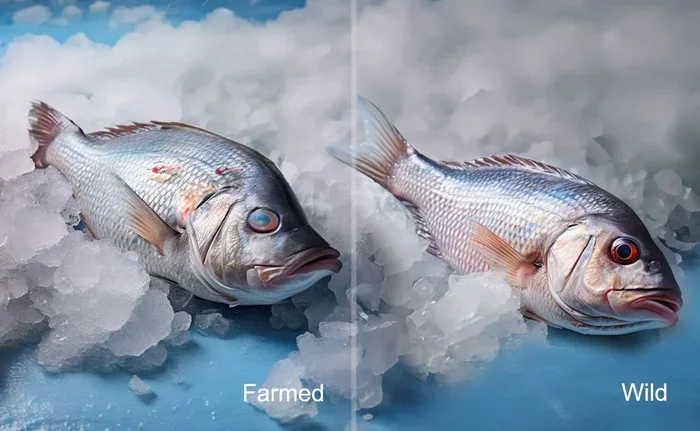
Both wild and farmed fish offer great health benefits, but they differ in nutrition, contaminants, and environmental impact. Wild fish typically have higher omega 3 levels and fewer additives, while farmed fish is more affordable and widely available. Choosing between them depends on your health goals, budget, and values.
When you walk down the seafood aisle, you face a big decision. Do you grab the wild caught fish or the farm raised option? This question comes up more and more as people become health conscious and environmentally aware.
The answer is not as simple as one being better than the other. Both wild fish and farmed fish have unique advantages and drawbacks. What matters most is understanding what each option offers your body and the planet.
In this guide, we break down everything you need to know. We compare nutrition, taste, safety, and sustainability. By the end, you will know exactly which option fits your lifestyle best.
Key Takeaways
- Wild caught fish generally contains more omega 3 fatty acids and fewer additives than farmed options.
- Farmed fish is more budget friendly and widely accessible in most grocery stores.
- Mercury and contaminant levels can vary significantly between wild and farmed fish depending on the species.
- Environmental impact is a major factor, with wild fishing and fish farming each having pros and cons.
- Taste and texture differences are noticeable, and many people prefer the flavor of wild fish.
- Sustainability practices have improved in both wild fisheries and modern fish farming operations.
- The best choice depends on your personal health needs, dietary goals, and budget.
📑 Table of Contents
What Is Wild Caught Fish?
Wild caught fish comes from natural bodies of water. This includes oceans, rivers, lakes, and streams. These fish live in their natural habitat and follow their natural diet. They swim freely and grow at their own pace.
Common examples of wild fish include wild salmon, wild tuna, and wild cod. When you buy wild fish, you are getting a product that has lived in the wild its entire life. The wild fish diet consists of smaller fish, plankton, and natural organisms found in their environment.
Nutritional Profile of Wild Fish
Wild fish tends to have a leaner profile. It often contains higher levels of omega 3 fatty acids, which are essential for heart and brain health. The natural diet of wild fish contributes to this superior nutritional value.
Here is what you typically get from wild caught fish:
- Higher omega 3 content
- Lower fat overall
- More natural mineral content
- No artificial additives or preservatives
- Cleaner protein source
Because wild fish moves freely and exercises more, it develops a firmer texture. This also affects how it cooks and tastes. Many people notice a more distinct, rich flavor in wild fish compared to farmed versions.
What Is Farmed Fish?
Farmed fish, also called aquaculture, is fish raised in controlled environments. These can be inland tanks, ocean pens, or ponds. Fish farmers feed the fish a controlled diet and manage their growth conditions.
Farmed fish includes popular species like tilapia, catfish, and farmed salmon. The goal of fish farming is to produce a consistent, affordable supply of seafood. Farmed fish now makes up a huge portion of the seafood sold worldwide.
Nutritional Profile of Farmed Fish
Farmed fish has a different nutritional makeup. Because farmed fish are less active, they tend to have higher fat content. This can mean more calories per serving. However, modern fish farming has improved the fish nutrition profile significantly.
Here is what farmed fish typically offers:
- Higher overall fat content
- Good protein levels
- Some omega 3 fatty acids (varies by farm)
- Potential for added antibiotics or preservatives
- More consistent availability year round
The farmed fish diet is carefully managed. Farmers use pellets or processed feed. This means the fat profile of farmed fish can differ from wild fish. Some farms now use feeds enriched with omega 3 to improve the nutritional value of their fish.
Wild vs Farmed Fish: Nutrition Comparison
Let us look at the numbers. Understanding the nutritional differences helps you make an informed choice. Below is a simple comparison of key nutrients between wild and farmed fish.
Omega 3 Fatty Acids
Wild fish almost always wins here. The natural diet of wild fish provides a richer source of EPA and DHA, the two most important omega 3s. Omega 3 fatty acids support heart health, reduce inflammation, and boost brain function. Farmed fish can contain omega 3 too, but levels vary widely depending on the feed used.
Protein Content
Both wild and farmed fish are excellent protein sources. The protein quality is high in both cases. If you are comparing which is better for protein chicken or fish, fish wins in most cases for heart health and lower saturated fat.
Vitamins and Minerals
Wild fish often has higher levels of certain minerals like selenium and potassium. Farmed fish may have more vitamin A and D depending on the feed. Overall, wild caught fish tends to offer a cleaner, more natural nutrient profile.
Fat and Calories
Farmed fish usually has more fat and calories. This is because the fish are less active and are fed calorie dense feed. If you are watching your calorie intake, wild fish is the leaner option.
Quick Tip: Always check the label. Some farmed fish brands now proudly display their omega 3 content. Look for farms that use sustainable and nutritious feed practices.
Safety and Contaminants: What You Need to Know
Safety is a top concern when choosing fish. Both wild and farmed fish can contain contaminants, but the types differ. Understanding these risks helps you protect your health.
Mercury and Heavy Metals
Mercury levels are a real concern with fish consumption. Large predatory wild fish like swordfish and tuna can accumulate mercury over time. This is because they eat smaller fish that already contain trace amounts of mercury.
Farmed fish generally has lower mercury levels. The controlled environment and feed reduce exposure. However, some farmed fish may contain other contaminants from the water or feed.
Pesticides and Antibiotics
Farmed fish is more likely to contain trace amounts of pesticides or antibiotics. Fish farms sometimes use these to prevent disease in crowded conditions. Fish safety depends heavily on the farming practices used.
Reputable farms follow strict guidelines. Many countries now regulate the use of antibiotics in aquaculture. Look for certifications like ASC or BAP when buying farmed fish to ensure safer practices.
Pollutants and PCBs
Polychlorinated biphenyls, or PCBs, are industrial chemicals that can build up in fish fat. Farmed fish can have higher PCB levels in some cases because of their higher fat content. Wild fish from polluted waters can also contain these contaminants.
The key is variety. Eating a mix of different fish species from reliable sources reduces your risk of exposure to any single contaminant.
Taste and Texture Differences
Many people wonder about the fish taste difference between wild and farmed options. This is one of the most noticeable differences and can affect your cooking experience.
Wild fish has a more pronounced flavor. The texture is firmer and the flesh is often more colorful. For example, wild salmon has a deep red color and a rich, complex taste. The wild fish diet of smaller crustaceans and krill contributes to this unique flavor.
Farmed fish tends to have a milder taste. The flesh is often lighter in color and softer in texture. This makes farmed fish a good choice for people who prefer a neutral flavor. It also means farmed fish works well in a wider range of recipes.
If you are making fish and chips or preparing a delicate fillet, the taste difference matters. Some chefs prefer wild fish for its bold flavor. Others choose farmed fish for its consistency and mild profile.
Environmental Impact: Wild vs Farmed
The environmental question is complex. Neither wild fishing nor fish farming is perfect. Both have impacts on ecosystems, and both have improved over time.
Environmental Impact of Wild Fishing
Wild fishing can deplete fish populations if not managed sustainably. Overfishing is a serious problem in many parts of the world. However, regulated fisheries and sustainable fishing practices help protect marine ecosystems.
Bycatch, or catching unintended species, is another concern. Responsible fisheries work to minimize bycatch and protect ocean habitats.
Environmental Impact of Fish Farming
Fish farming can reduce pressure on wild populations. It provides a steady supply without depleting ocean resources. But fish farms can also pollute local waters with waste and excess feed.
Modern aquaculture has made great strides. Many farms now use closed loop systems that minimize environmental damage. The environmental impact of farmed fish depends heavily on the specific farm and its practices.
When choosing fish, look for sustainability certifications. These labels indicate that the fish was sourced responsibly. Sustainable seafood choices help protect our oceans for future generations.
Which Should You Choose?
The best choice depends on your priorities. Here is a simple guide to help you decide.
Choose wild fish if:
- You want the highest omega 3 content
- You prefer a stronger, more natural flavor
- You want to avoid additives and antibiotics
- You prioritize a leaner protein source
Choose farmed fish if:
- Budget is a major concern
- You want consistent availability year round
- You prefer a milder taste
- You want a reliable source of protein
A good strategy is to mix both types in your diet. This gives you the benefits of each while reducing exposure to any single risk. When shopping, look for wild fish from well managed fisheries and farmed fish from certified sustainable operations.
Remember, the species matters just as much as whether it is wild or farmed. A well sourced wild fish is not always better than a responsibly farmed alternative. Check where your fish comes from and how it was raised or caught.
Ultimately, eating fish of any kind is better than not eating fish at all. Fish provides high quality protein, essential fats, and important nutrients. Making informed choices ensures you get the most benefit from every meal.
If you are curious about specific comparisons, check out our guide on which farmed or wild fish is better for you. We also explore why wild fish may have advantages over farmed fish in detail on our site.
Conclusion
The debate between wild and farmed fish does not have a single winner. Both options bring something valuable to the table. Wild fish offers superior nutrition and a more natural product. Farmed fish provides affordability, consistency, and accessibility.
Your best move is to stay informed and vary your choices. Pay attention to sourcing, certifications, and sustainability practices. Whether you pick wild or farmed, choosing quality fish is a step toward better health.
Next time you are at the store, you will know exactly what to look for. Trust your knowledge, enjoy your meal, and feel good about the fish on your plate.
Frequently Asked Questions
Is wild fish always healthier than farmed fish?
Not always. Wild fish generally has more omega 3 fatty acids and fewer additives, but farmed fish can still be a healthy choice. The nutritional difference depends on the species and how the fish was raised or caught.
Does farmed fish contain antibiotics?
Some farmed fish may contain trace amounts of antibiotics, but this varies by farm and country. Many reputable farms follow strict regulations and avoid routine antibiotic use. Look for certifications like ASC or BAP to find safer options.
Which fish has the lowest mercury levels?
Smaller fish like sardines, anchovies, and farmed trout tend to have the lowest mercury levels. Large predatory fish like swordfish and shark tend to have higher mercury. Always check local advisories for wild caught fish from specific waters.
Is farmed fish bad for the environment?
Not necessarily. Modern fish farming practices have improved significantly. Some farms use sustainable methods that minimize pollution and reduce pressure on wild fish populations. Look for sustainability certifications when buying farmed fish.
Can I get enough omega 3 from farmed fish?
Yes, but it depends on the farm. Some farms feed their fish omega 3 enriched feed, which boosts the nutritional value. However, wild fish typically provides a higher and more natural omega 3 content.
What is the best way to buy quality fish?
Buy from reputable sources and look for sustainability labels. Check for freshness by smelling the fish, which should smell clean and ocean like. Ask your fishmonger about where the fish was caught or raised for the best quality options.