Can I Feed Betta Food to Neon Tetra Fish
Can you feed betta food to neon tetra fish? Technically, yes — but it’s not ideal for their long-term health. Betta food is formulated for carnivorous fish with high protein needs, while omnivorous neon tetras require a more balanced diet with plant-based ingredients. Feeding betta food occasionally in an emergency is fine, but relying on it as a primary diet can lead to nutritional deficiencies and health problems in your neon tetras.
- Betta food is protein-heavy: Formulated for carnivorous bettas, it contains 40-55% protein, which can stress neon tetras’ digestive systems over time.
- Neon tetras need a balanced diet: As omnivores, they thrive on food that blends both animal protein and plant matter, typically around 30-40% protein.
- Short-term feeding is acceptable: If you run out of tetra food, betta food can serve as an emergency substitute for a few days without causing harm.
- Long-term use causes problems: Consistently feeding betta food to neon tetras can lead to malnutrition, bloating, and weakened immune systems.
- Food size matters: Betta pellets are often too large for neon tetras’ tiny mouths, causing feeding difficulties and wasted food.
- Best practice is species-specific food: Invest in quality tropical flakes or micro pellets designed for small community fish like neon tetras.
- Supplement with variety: Neon tetras benefit from occasional treats like brine shrimp or daphnia alongside their regular diet.
📑 Table of Contents
- Can I Feed Betta Food to Neon Tetra Fish?
- Understanding the Dietary Needs of Betta Fish
- What Do Neon Tetras Need to Eat?
- The Key Differences Between Betta Food and Tetra Food
- What Happens If You Feed Betta Food to Neon Tetras?
- When Is It Okay to Feed Betta Food to Neon Tetras?
- Best Alternatives to Feed Your Neon Tetras
- How Often and How Much to Feed Neon Tetras
- Frequently Asked Questions About Fish Food Compatibility
- Conclusion: Stick to Species-Specific Food When Possible
Can I Feed Betta Food to Neon Tetra Fish?
So you’re standing in front of your aquarium, and you just realized you’re out of tetra food. But there’s a container of betta pellets sitting right there. You might be wondering — can I feed betta food to neon tetra fish? It’s a super common question, especially if you keep both species in your home aquarium setup. The short answer is yes, but there’s a lot more to the story.
Here’s the thing — betta fish and neon tetras have very different dietary needs. What works perfectly for one species might not be ideal for the other. Feeding the wrong food occasionally won’t cause a disaster, but making it a habit? That’s where problems start. In this article, we’ll break down everything you need to know about feeding betta food to neon tetras, including the nutritional differences, potential risks, and what you should feed your neon tetras instead.
Whether you’re a beginner fish keeper or someone who’s been in the hobby for years, understanding the dietary needs of your fish is one of the most important things you can do. Let’s dive in and explore this topic together.
Understanding the Dietary Needs of Betta Fish
Bettas Are Natural Carnivores
Betta fish, also known as Siamese fighting fish, are obligate carnivores. In the wild, they feast on insects, insect larvae, and tiny crustaceans found in the shallow rice paddies and slow-moving waters of Southeast Asia. Their digestive systems are specifically designed to process high amounts of animal protein. This is why betta food is formulated with protein levels typically ranging from 40% to 55%.
When you look at a container of quality betta pellets, you’ll notice that the first few ingredients are usually fish meal, shrimp meal, or other animal-based proteins. This reflects what bettas naturally eat and what their bodies need to maintain vibrant colors, strong fins, and overall health.
What Makes Betta Food Different?
Betta food is specifically engineered for the unique digestive system of betta fish. Here are some key characteristics:
- High protein content: Usually 40-55% protein to match their carnivorous nature
- Low fiber content: Bettas don’t need much plant material in their diet
- Small, dense pellets: Designed to sink slowly and be easily consumed by bettas
- Color-enhancing ingredients: Often contain carotenoids and other compounds that enhance betta coloration
- Minimal fillers: Quality betta foods avoid excessive grain and plant-based fillers
If you’ve ever compared betta pellets to regular tropical fish flakes, the difference is pretty obvious. Betta food is denser, more protein-packed, and designed for a fish with a very specific diet. This is exactly why it’s not a perfect match for other species.
What Do Neon Tetras Need to Eat?
Neon Tetras Are Omnivores
Neon tetras come from the blackwater streams of the Amazon basin, where they eat a varied diet of small insects, worms, crustaceans, and plant matter. Unlike bettas, neon tetras are omnivores. They need a balanced mix of both animal protein and plant-based foods to stay healthy.
The ideal protein content for neon tetra food is somewhere around 30-40%, which is noticeably lower than what betta food provides. Neon tetras also benefit from a moderate amount of fiber and plant matter in their diet, which helps with digestion and provides essential vitamins and minerals.
The Right Food for Neon Tetras
When shopping for neon tetra food, you want to look for products specifically designed for small tropical community fish. Here’s what makes a good neon tetra diet:
- Balanced protein levels: Around 30-40% protein from quality sources like fish meal or shrimp
- Plant-based ingredients: Spirulina, algae, and vegetable matter for fiber and micronutrients
- Small particle size: Micro pellets, crushed flakes, or powder that fits their tiny mouths
- Vitamin and mineral fortification: To support immune health and coloration
- Color enhancers: Natural ingredients that help maintain their iconic blue and red stripes
You might also be interested in reading about whether bettas can eat tetra food — it’s the flip side of this same coin and a great companion read.
The Key Differences Between Betta Food and Tetra Food
Protein Content Comparison
The biggest difference between betta food and tetra food is the protein level. Let’s put it simply:
- Betta food: 40-55% protein, primarily from animal sources
- Tetra food: 30-40% protein, from a mix of animal and plant sources
That extra protein in betta food might sound like a good thing, but for neon tetras, it can actually be too much. Their digestive systems aren’t designed to handle such concentrated amounts of animal protein on a regular basis. Over time, this can lead to digestive issues and put unnecessary strain on their organs.
Ingredient Profiles
Beyond protein levels, the overall ingredient profiles differ significantly. Betta food tends to be heavy on animal-based ingredients with minimal plant content. Tetra food, on the other hand, includes a more diverse mix of ingredients:
- Fish meal and shrimp (protein sources)
- Spirulina and algae (plant-based nutrients)
- Wheat and soy (binding agents and fiber)
- Vitamins and minerals (for overall health)
- Natural color enhancers like astaxanthin
This balanced approach is what makes tetra food a better long-term choice for neon tetras. It mimics the variety they would encounter in their natural habitat.
Food Size and Texture
Here’s something many people overlook — the physical size of the food matters. Betta pellets are designed for a fish that’s 2.5 to 3 inches long with a relatively large mouth. Neon tetras are tiny, usually only about 1 to 1.5 inches long. Those betta pellets can be genuinely difficult for a neon tetra to eat.
If you try to feed betta pellets to neon tetras, you might notice that they:
- Struggle to fit the pellets in their mouths
- Take a long time to break the food down
- Leave pieces uneaten, which then decompose and pollute the water
- Become stressed during feeding time
Micro pellets or finely crushed flakes are a much better option for these little guys.
What Happens If You Feed Betta Food to Neon Tetras?
Short-Term Effects
If you feed betta food to your neon tetras once or twice because you ran out of their regular food, don’t panic. A meal or two of betta food won’t cause any serious harm. Your neon tetras will likely eat it without any immediate issues. Their bodies can handle the occasional protein-heavy meal just fine.
However, even in the short term, you might notice a few things:
- Some tetras may not eat the food if the pellets are too large
- Uneaten food may accumulate at the bottom of the tank
- Water quality may decline faster due to excess waste
This is a situation where you can explore feeding betta food to tropical fish to understand the broader context of cross-feeding different species.
Long-Term Consequences
Now, here’s where it gets serious. If you make betta food the primary diet for your neon tetras, you’re setting yourself up for some real problems. Here’s what can happen over weeks and months:
Digestive Issues: The high protein content can cause bloating, constipation, and swim bladder problems in neon tetras. Their digestive systems simply aren’t built to process that much animal protein consistently.
Nutritional Imbalances: Betta food lacks the plant-based nutrients, fiber, and certain vitamins that neon tetras need. Over time, this can lead to malnutrition, even if the fish are eating plenty of food.
Weakened Immune System: A poor diet weakens the immune system, making neon tetras more susceptible to diseases like neon tetra disease, fin rot, and ich. Healthy fish start with proper nutrition.
Reduced Lifespan: Neon tetras can live 5-8 years with proper care and nutrition. A consistently improper diet can significantly shorten their lifespan.
Poor Coloration: One of the best things about neon tetras is their stunning blue and red coloring. Inadequate nutrition can cause their colors to fade, making them look dull and washed out.
Water Quality Concerns
Another issue that often gets overlooked is the impact on your tank’s water quality. When fish eat food that doesn’t match their nutritional needs, they tend to produce more waste. Uneaten betta pellets that are too large for neon tetras will sink and decompose, releasing ammonia and nitrates into the water.
High ammonia and nitrate levels are dangerous for all fish, but neon tetras are particularly sensitive to poor water conditions. Keeping your water parameters stable is crucial, and feeding the right food plays a bigger role in that than most people realize.
When Is It Okay to Feed Betta Food to Neon Tetras?
Emergency Situations
Life happens. Sometimes you run out of tetra food at 10 PM on a Sunday night, and no stores are open. In these situations, feeding a small amount of betta food is perfectly acceptable as a temporary emergency measure. Your neon tetras will be fine for a day or two while you get proper food.

Visual guide about Can I Feed Betta Food to Neon Tetra Fish
Image source: wermac.org
Here are some tips if you find yourself in this situation:
- Crush the pellets: Break betta pellets into tiny pieces that neon tetras can actually eat
- Feed sparingly: Give them just a tiny amount — neon tetras only need food the size of their eye
- Monitor closely: Watch for any uneaten food and remove it promptly
- Get proper food ASAP: Don’t let the emergency become a long-term habit
Mixed Tank Considerations
If you keep bettas and neon tetras in the same tank (which can work in larger, well-planted setups with proper monitoring), you’ll need a feeding strategy that works for both species. In these cases, you can:
- Feed betta pellets to the betta and micro flakes or crushed food to the tetras
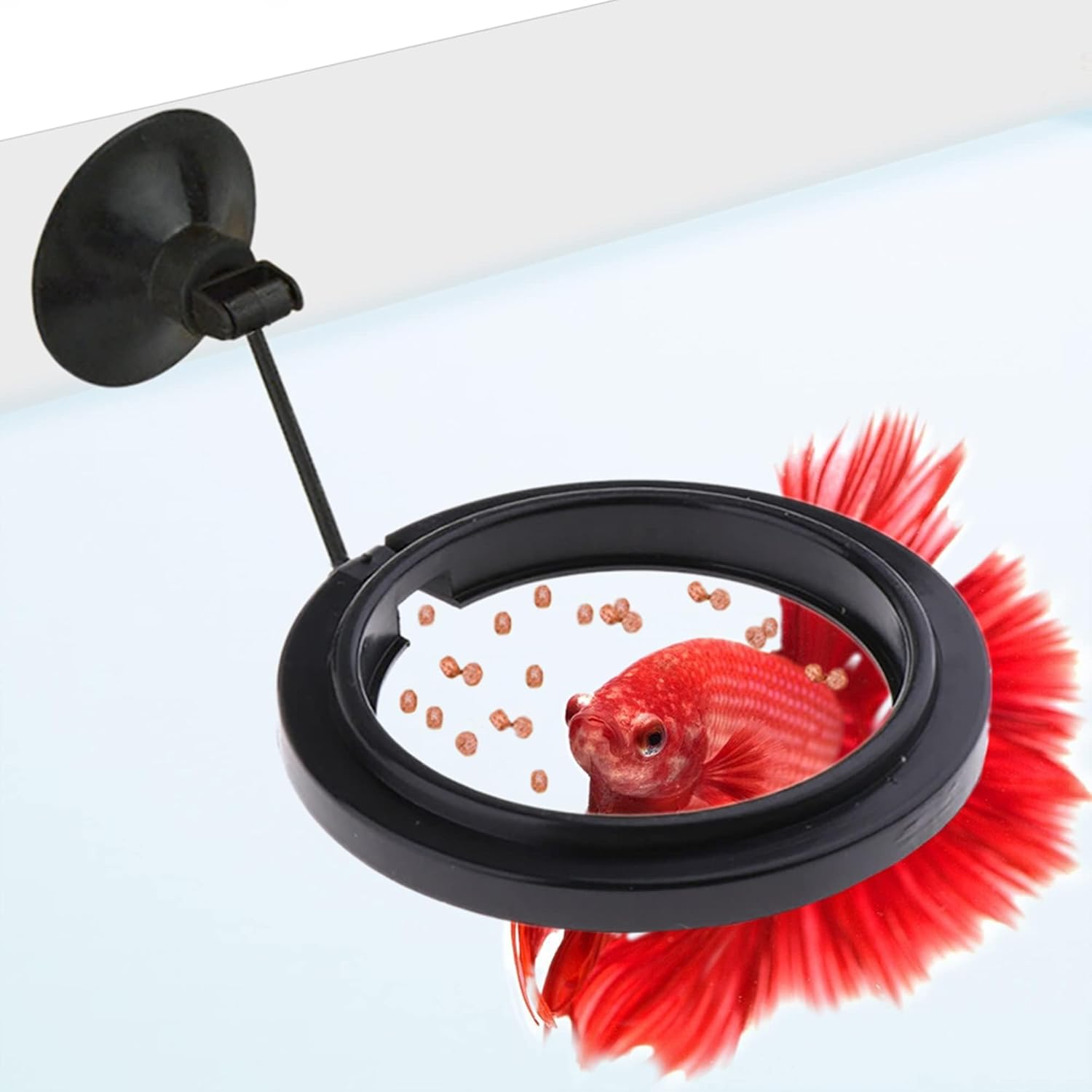
- Use a feeding ring to keep betta food in one area while distributing tetra food elsewhere
- Feed at different times to ensure each species gets the right nutrition
- Supplement with foods that work for both, like brine shrimp, which are excellent for both bettas and tetras
If you’re considering keeping these species together, check out our guide on what fish can live with bettas for more detailed advice on compatibility and tank setup.
Best Alternatives to Feed Your Neon Tetras
High-Quality Tropical Flakes
The easiest and most affordable option for neon tetras is a good quality tropical flake food. Look for brands that list fish meal or shrimp as the first ingredient and include spirulena or algae for plant-based nutrition. Brands like TetraMin, API, and Fluval Bug Bites all make excellent tropical flakes that are perfect for neon tetras.

Visual guide about Can I Feed Betta Food to Neon Tetra Fish
Image source: img.bakufu.jp
Flakes are great because they’re easy to portion, they float initially before slowly sinking (giving fish at all levels a chance to eat), and they can be easily crushed into smaller pieces for tiny mouths.
Micro Pellets
Micro pellets are another fantastic option. They’re small enough for neon tetras to eat comfortably, they sink slowly, and they produce less waste than flakes. Look for micro pellets specifically designed for small tropical fish. Some great options include:
- Tetra Micro Pellets
- Fluval Bug Bites Tropical Formula for Small Fish
- Northfin Fish Food Community Formula
- Hikari Micro Pellets
Live and Frozen Foods
For optimal health and coloration, supplement your neon tetras’ diet with live or frozen foods a couple of times a week. These mimic what they’d eat in the wild and provide excellent nutrition:
- Brine shrimp (live or frozen): A favorite among most tropical fish, packed with protein
- Daphnia: Great for digestion and acts as a natural laxative
- Bloodworms (frozen): A high-protein treat, but feed sparingly
- Microworms: Perfect size for neon tetras
- Mosquito larvae: Excellent natural food if you can source them safely
These treats not only provide superior nutrition but also encourage natural foraging behavior, which keeps your tetras active and engaged.
Homemade and Supplemental Options
Some experienced fish keepers like to supplement with homemade foods. Blanched vegetables like zucchini, spinach, and peas can be offered occasionally (though neon tetras are less interested in vegetables than some other species). You can also find gel food recipes online that allow you to customize the nutritional content for your specific fish.
How Often and How Much to Feed Neon Tetras
Feeding Schedule
Neon tetras do best with small, frequent feedings rather than one large meal. Here’s a good routine:
Visual guide about Can I Feed Betta Food to Neon Tetra Fish
Image source: oyajinakase.jp
- Adults: Feed small amounts 2-3 times per day
- Juveniles: Feed 3-4 times per day to support growth
- Amount: Only give what they can consume in about 2-3 minutes
- Fasting day: Consider one fasting day per week to aid digestion
Overfeeding is one of the most common mistakes in fish keeping. It leads to obesity, poor water quality, and health problems. If you’re unsure about portion sizes, our guide on how much food to feed fish offers useful general principles that apply to most tropical species.
Signs of Proper Nutrition
How do you know if your neon tetras are getting the right nutrition? Look for these signs of healthy, well-fed fish:
- Vibrant coloration: Bright blue and red stripes that shimmer in the light
- Active swimming: Neon tetras should be energetic and schooling together
- Clear eyes: No cloudiness or bulging
- Healthy fins: No tears, clamping, or discoloration
- Steady growth: Juveniles should be growing at a consistent rate
- Good appetite: They should eat enthusiastically at feeding time
If you notice faded colors, lethargy, loss of appetite, or unusual behavior, it might be time to reevaluate their diet.
Frequently Asked Questions About Fish Food Compatibility
Can I Use Betta Food in a Pinch?
Absolutely. As we discussed earlier, using betta food for a day or two while you get proper tetra food is perfectly fine. Just crush it up, feed small amounts, and keep an eye on water quality. Think of it like eating a meal that’s not your favorite — it won’t hurt you, but you wouldn’t want to eat it every day.
What About Feeding Tetra Food to Bettas?
This is actually the reverse of our main question, and it comes up a lot. The answer is similar — tropical fish food won’t harm a betta in the short term, but it doesn’t provide the high protein levels bettas need. Bettas fed exclusively on tropical flakes may lose color, become lethargic, and develop health issues over time. Each species really does best with food designed for its specific needs.
Do Neon Tetras Need Variety in Their Diet?
Yes! Just like humans, neon tetras benefit from dietary variety. A combination of quality dry food (flakes or micro pellets) supplemented with occasional live or frozen treats will keep them healthiest. Variety ensures they get a full spectrum of nutrients and keeps them interested in eating.
Conclusion: Stick to Species-Specific Food When Possible
So, can you feed betta food to neon tetra fish? The answer is yes, but with important caveats. It’s fine as a temporary solution in a pinch, but it shouldn’t become a regular practice. The high protein content, lack of plant-based nutrients, and inappropriate pellet size make betta food a poor long-term choice for neon tetras.
The best approach is to keep quality tropical fish food on hand for your neon tetras and reserve betta food for your bettas. If you keep both species, make sure each one gets the nutrition it needs. A well-fed neon tetra is a colorful, active, and long-lived neon tetra — and that’s exactly what every fish keeper wants to see.
Investing in the right food for each species in your aquarium is one of the simplest and most effective ways to ensure your fish thrive. It doesn’t have to be expensive — even basic tropical flakes from a reputable brand will serve your neon tetras far better than betta-specific food. Your fish will reward you with vibrant colors, playful behavior, and years of enjoyment.
Remember, a healthy tank starts with proper nutrition. Feed your neon tetras right, and they’ll be the dazzling centerpiece of your aquarium for years to come.
Frequently Asked Questions
Can neon tetras eat betta pellets?
Neon tetras can eat betta pellets in an emergency, but the pellets are often too large for their small mouths. If you must use betta pellets, crush them into tiny pieces first. However, this should only be a temporary solution, not a regular feeding practice.
What happens if I feed betta food to neon tetras long-term?
Long-term feeding of betta food to neon tetras can cause digestive problems, nutritional deficiencies, weakened immune systems, faded colors, and a shortened lifespan. The high protein content is too much for their omnivorous digestive systems to handle consistently.
What is the best food for neon tetras?
The best food for neon tetras is a high-quality tropical flake or micro pellet designed for small community fish. Supplement this with occasional live or frozen treats like brine shrimp, daphnia, or bloodworms for optimal health and coloration.
How often should I feed my neon tetras?
Feed your neon tetras small amounts 2-3 times per day for adults, or 3-4 times per day for juveniles. Only give them what they can eat in about 2-3 minutes. Consider one fasting day per week to aid their digestion.
Can bettas and neon tetras eat the same food?
While they can technically eat each other’s food in a pinch, bettas and neon tetras have different dietary needs. Bettas need high-protein carnivore food, while neon tetras need a more balanced omnivore diet. It’s best to feed each species food specifically formulated for their needs.
What should I do if I run out of tetra food?
If you run out of tetra food, you can temporarily feed crushed betta pellets, small pieces of blanched vegetables, or even a tiny amount of hard-boiled egg yolk. Get proper tetra food as soon as possible and resume their normal diet within a day or two.