Is My Old Betta Fish Dying
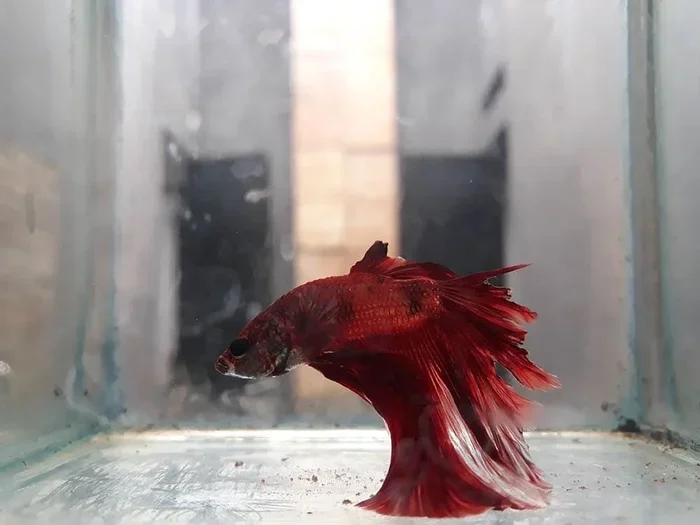
Is my old betta fish dying? It is a heartbreaking question every betta owner hopes they never have to face. As betta fish age, they may show signs like lethargy, color fading, loss of appetite, and difficulty swimming. Understanding these old betta fish dying signs helps you provide the best possible care and comfort during their final days.
Watching your betta fish slow down with age can be tough. You have watched them dance through the water, build bubble nests, and flash their colors for years. Now you wonder if your old betta fish is dying. This guide helps you understand what happens when a betta fish reaches old age. You will learn how to spot the signs, what to do, and how to keep your fish comfortable.
Every betta fish owner wants to give their pet the best life possible. But sometimes, despite our best efforts, our fish face the end of their natural lifespan. Betta fish typically live between three and five years. Some may even reach six or seven with excellent care. When your fish enters their senior years, changes happen slowly. Knowing what to expect makes this journey easier for both you and your fish.
This article covers everything you need to know about aging betta fish. From physical changes to behavioral shifts, we will walk through it all. Whether you are asking, “is my old betta fish dying?” or simply preparing for the future, you will find helpful answers here.
Key Takeaways
- Betta fish typically live 3 to 5 years: Recognizing the signs of aging helps you understand what is normal versus concerning.
- Lethargy and loss of appetite are key warning signs: These often indicate your old betta fish is dying or seriously unwell.
- Color fading and body deterioration happen with age: These changes are natural but can also signal underlying health problems.
- Tank conditions matter greatly for senior fish: Warm, clean water with minimal stress can improve your betta’s quality of life.
- Comfort care is important in the final stages: Simple adjustments can make your fish’s remaining time peaceful and dignified.
- Know when to seek help versus when to let go: Understanding the difference helps you make compassionate decisions.
📑 Table of Contents
Understanding the Betta Fish Lifespan
Betta fish, also known as Siamese fighting fish, have a relatively short lifespan compared to other pets. Most bettas live three to five years. However, some factors influence how long your fish lives. Genetics, diet, tank conditions, and overall care all play a role.
When your betta reaches two years old, they are considered middle-aged. By three, they are entering their senior years. Around four or five, your fish is officially elderly. At this stage, you may notice changes that raise questions like “is my old betta fish dying?” The answer is not always straightforward. Some changes are simply part of aging, while others signal serious health problems.
Factors That Affect Betta Fish Longevity
Several things determine how long your betta lives. Here are the most important factors:
- Tank size and quality: A proper tank with a heater and filter helps bettas live longer.
- Water temperature: Bettas need warm water between 78 and 80 degrees Fahrenheit.
- Diet and nutrition: High-quality food keeps your fish healthy as they age.
- Genetics: Some bettas are simply bred to be hardier than others.
- Stress levels: A calm environment with no aggressive tank mates reduces stress.
- Disease history: Fish that have fought off illnesses may have shorter remaining lifespans.
Understanding these factors helps you give your old betta fish the best possible life. Even in their final stages, good care makes a real difference.
Signs Your Old Betta Fish Is Dying
Recognizing the signs that your old betta fish is dying is the first step toward helping them. These signs often develop slowly over days or weeks. Some are easy to spot, while others are more subtle. Here are the most common indicators.
Loss of Appetite
One of the earliest signs that something is wrong is when your betta stops eating. Young bettas are usually eager eaters. But as they age, their metabolism slows down. A complete refusal of food over several days is a serious red flag. If you notice your betta spitting out food or ignoring it entirely, this is a strong sign that something is wrong.
There is a difference between a picky older fish and one that is dying. An elderly betta may eat less but still accept food occasionally. A fish that is actively dying will refuse all food and may even spit it out immediately.
Extreme Lethargy
Bettas are naturally active fish. They explore their tank, build bubble nests, and respond to their surroundings. When your old betta fish is dying, you will notice a dramatic drop in energy. They may lie at the bottom of the tank for hours. Some fish rest on the substrate or hide in corners. This level of inactivity is not normal, even for senior fish.
If your betta stops responding to food or your presence, this is a concerning sign. Healthy elderly fish may slow down, but they should still react to feeding time.
Color Fading
Betta fish are known for their vibrant colors. As they age, their colors naturally dull. This is a normal part of the aging process. However, sudden or severe color loss is different. If your fish turns pale white, gray, or transparent in certain areas, this could indicate a serious problem.
Color fading combined with other symptoms like lethargy and appetite loss strongly suggests your fish is in decline. You might also notice white spots or patches forming on the body, which could indicate infection or disease.
Difficulty Swimming
A healthy betta swims gracefully through the water. An old betta fish that is dying may struggle to swim properly. You might notice them drifting sideways, sinking to the bottom, or floating at the surface without control. Swim bladder issues become more common in older fish.
Some swimming difficulties are treatable, but when they appear alongside other symptoms, they often signal the end of life. Watch for labored breathing, rapid gill movement, or clamped fins. These are all signs of distress.
Curled Body or Hunched Posture
When a betta fish is nearing the end, their body may curl inward. This hunched posture is a sign of organ failure or severe weakness. The fish may tuck their fins close to their body and appear smaller than usual. This is one of the more visible signs that your fish is suffering.
If you notice this posture, check your water parameters immediately. Poor water quality can worsen symptoms, but in many cases, this posture indicates the body is shutting down.
Common Health Issues in Aging Betta Fish
Older bettas are more vulnerable to certain health problems. Understanding these issues helps you provide better care. Some conditions are treatable, while others are part of the natural aging process.
Fin Rot and Tail Damage
Fin rot is a bacterial infection that causes fins to fray and dissolve. In young fish, fin rot is treatable with medication and clean water. In elderly fish, however, fin rot can become severe quickly. Their weakened immune system struggles to fight infections. If your old betta fish has torn fins or ragged edges, this could be a sign of fin rot or simply old age.
You can read more about why betta fish tails rip up in our article on why betta fish tails rip to better understand this common issue.
Swim Bladder Disease
The swim bladder controls buoyancy in fish. As bettas age, this organ can weaken. Swim bladder disease causes floating or sinking problems. Your fish may float uncontrollably at the top or sink to the bottom and struggle to rise. In older fish, this condition is often a sign of declining health.
While some cases improve with diet adjustments, swim bladder issues in very old fish are usually permanent. Focus on keeping your fish comfortable rather than trying to “fix” the problem.
Bacterial and Fungal Infections
Aging bettas have weaker immune systems. This makes them susceptible to bacterial and fungal infections. White spots, cotton-like growths, and red patches on the body are common signs. These infections can become life-threatening quickly in elderly fish.
If you notice any unusual growths or discoloration, test your water quality immediately. Poor water conditions accelerate infections. Sometimes, however, infections in old fish are simply a sign that their body is no longer able to fight them off.
Constipation and Bloating
Older bettas often suffer from digestive issues. Constipation causes the belly to swell. Your fish may stop eating and become lethargic. While constipation is treatable in younger fish, it can be more serious in seniors. A bloated old betta fish may be experiencing organ failure rather than a simple digestive problem.
If your fish shows signs of bloating, try feeding them a small piece of blanched pea. This can help relieve constipation. If there is no improvement within 24 hours, the situation may be more serious.
How to Tell the Difference Between Aging and Dying
This is one of the hardest parts of fish ownership. Not every change in an old betta fish means they are dying. Aging is a natural process that happens gradually. Dying, on the other hand, happens quickly and involves multiple severe symptoms.
Here is a simple way to think about it. If your fish is slowing down but still eating occasionally, reacting to you, and maintaining some color, they are likely just aging. If your fish has stopped eating completely, barely moves, has lost most of their color, and shows signs of distress, they may be actively dying.
Many owners wonder how do you know a betta fish is dying versus simply getting old. The key difference is the speed and severity of symptoms. Gradual decline over months is usually aging. Rapid decline over days or hours is often a sign of a serious crisis.
If you are unsure, check our guide on how to tell if your betta fish is dying for more detailed information on identifying the warning signs.
What You Can Do to Help Your Old Betta Fish
When you suspect your old betta fish is dying, there are steps you can take to help. You may not be able to reverse the process, but you can make your fish more comfortable. Here is what you should do.
Optimize Water Conditions
Clean water is essential for any betta, but it becomes even more critical for elderly fish. Perform small water changes of 20 to 25 percent every two to three days. Keep the temperature steady at 78 to 80 degrees Fahrenheit. Test for ammonia, nitrite, and nitrate levels regularly. Zero ammonia and zero nitrite are the goals. Nitrates should stay below 20 parts per million.
A stable, clean environment reduces stress and helps your fish breathe easier. Poor water quality can worsen symptoms and speed up decline.
Provide Easy Access to Food
If your old betta is still eating, make mealtime as easy as possible. Soak dry food before offering it. This makes it softer and easier to digest. Offer small amounts two to three times a day rather than one large meal. If your fish has stopped eating entirely, do not force feed. This causes unnecessary stress.
Reduce Stress in the Tank
A stressed fish declines faster. Remove any aggressive tank mates. Keep the lighting dim and consistent. Avoid sudden movements near the tank. You can also add gentle plants or decorations that provide hiding spots. Your old betta needs a calm, peaceful environment in their final days.
Consider Aquarium Salt
Adding a small amount of aquarium salt can help ease symptoms in some fish. Salt supports the slime coat and can help with minor infections. Use one teaspoon per gallon of water, and do not exceed this amount. Always dissolve the salt in a separate container before adding it to the tank.
However, salt is not a cure-all. If your fish is in the final stages of life, salt will not reverse the process. It can only provide mild comfort.
Know When to Seek Veterinary Help
In some cases, a fish veterinarian can help. They can diagnose specific diseases and prescribe medications. However, veterinary care for fish can be expensive and not always effective for very old fish. If your fish is clearly in the final stages, focus on comfort rather than aggressive treatment.
If you want guidance on what to do when your betta is actively dying, visit our article on what to do when your betta fish is dying for compassionate advice and practical steps.
Providing Comfort in the Final Days
When your old betta fish is dying, your goal shifts from treatment to comfort. This is a difficult time, but there are meaningful things you can do to help your fish pass peacefully.
Keep the water warm and stable. Warm water holds more oxygen, which helps a weakened fish breathe more easily. Dim the lights to create a calm atmosphere. Speak softly near the tank if your fish seems responsive. Some bettas recognize their owners and may respond to gentle interaction.
Do not move your fish to a separate container unless absolutely necessary. The familiar environment provides comfort. If you must move them, use water from their original tank to reduce stress.
Some owners find comfort in creating a quiet ritual during this time. Sitting near the tank, offering a favorite food, and simply being present can be meaningful for both you and your fish. There is no right or wrong way to handle this. What matters most is that your fish feels safe and loved.
Remember, every fish’s final journey is different. Some pass quickly, while others linger for days. Be patient and gentle with yourself during this time. Losing a pet is hard, and you gave your betta a wonderful life.
When to Let Go
One of the hardest decisions a betta owner faces is knowing when it is time to let go. If your fish is in constant distress, gasping at the surface, completely paralyzed, or showing no response to anything, the quality of life has diminished significantly. In these cases, humane euthanasia may be the kindest choice.
Consult with a fish veterinarian or experienced aquarist if you are unsure. They can help you assess your fish’s quality of life and guide you through the decision. This is never an easy choice, but sometimes it is the most loving thing you can do.
Grieving the loss of a pet is completely normal. Your betta fish was a companion, and their passing deserves to be acknowledged. Take the time you need to heal.
Preventing Future Heartbreak
While you cannot prevent your betta from eventually aging, you can take steps to ensure they live their best life. Proper care from the start gives your betta the longest, healthiest life possible.
- Set up a proper tank: At least 5 gallons with a heater and gentle filter.
- Feed a balanced diet: High-quality pellets supplemented with frozen or live foods.
- Keep water clean: Regular water changes and testing.
- Monitor health regularly: Watch for early signs of illness and act quickly.
- Reduce stress: Provide a calm environment with appropriate tank mates or keep your betta solo.
If you want to learn more about keeping your betta fish healthy at every age, check out our article on is my betta fish sick to understand common health concerns and how to address them early.
Taking good care of your betta from day one gives them the best chance at a long, happy life. And if the time comes, you will know you gave them everything they needed.
Conclusion
Asking “is my old betta fish dying?” is a painful but important question. Understanding the signs of aging and dying helps you make informed decisions about your fish’s care. From loss of appetite and extreme lethargy to color fading and swimming difficulties, the signs are there if you know what to look for.
Your old betta fish deserves comfort, warmth, and peace in their final days. By optimizing their environment, reducing stress, and knowing when to seek help, you can make this difficult time a little easier. Remember, the love and care you provided throughout your fish’s life made a real difference. Give yourself grace, and know that you were a wonderful caretaker.
Every moment you spent with your betta mattered. And the bond you shared will stay with you long after they are gone. Cherish the memories and the lessons they taught you about patience, love, and care.
Frequently Asked Questions
How long do betta fish usually live?
Betta fish typically live between three and five years. With excellent care, some bettas can reach six or seven years old. Genetics, diet, and tank conditions all influence lifespan.
Can an old betta fish recover from dying symptoms?
Recovery depends on the cause of the symptoms. If the decline is due to old age, full recovery is unlikely. However, if an underlying infection or poor water conditions are contributing factors, improving these factors may help your fish feel better for a short time.
What is the difference between a dying betta and a sleeping betta?
A sleeping betta will still respond to food and may slowly move toward it. A dying betta shows no interest in food, stays in one position for hours, and may have difficulty breathing. If you are unsure, check our guide on is my betta fish dying for more details.
Should I change the water if my old betta fish is dying?
Yes, gentle water changes can help. Perform small 20 to 25 percent changes every two to three days. Avoid large water changes, as these can shock a weakened fish. Always match the temperature and parameters of the new water to the existing tank water.
How can I make my old betta fish more comfortable?
Keep the water warm and clean, reduce lighting, minimize noise and movement near the tank, and offer food if your fish is still interested. A calm, familiar environment provides the most comfort in the final stages.
Is it normal for old betta fish to lose their color?
Yes, some color fading is a normal part of aging. However, sudden or severe color loss, especially combined with other symptoms like lethargy and appetite loss, is a cause for concern. This could indicate illness or the final stages of life.