Is Mct Oil Better Than Fish Oil
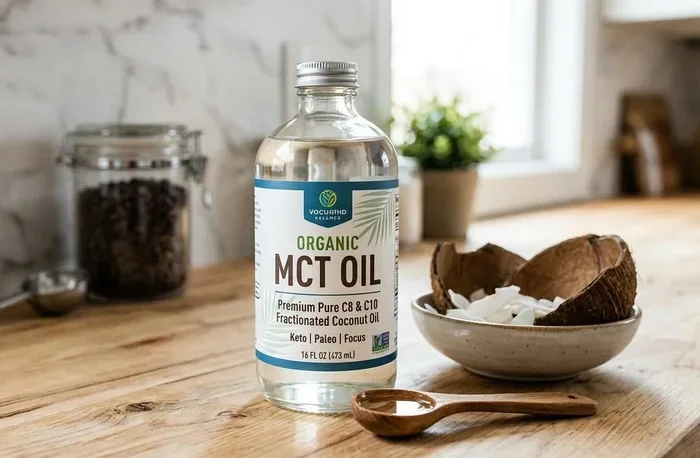
MCT oil and fish oil serve very different purposes for betta fish. Fish oil delivers essential omega-3 fatty acids that bettas need for heart, skin, and fin health. MCT oil provides quick energy but lacks the omega-3s bettas require. Fish oil remains the clear winner for betta fish nutrition, though small amounts of MCT oil may offer supplementary benefits.
Keeping a betta fish healthy means paying close attention to diet and nutrition. One question that keeps popping up among betta keepers is whether MCT oil can replace or outperform fish oil. It is a fair question. After all, both oils come with a lot of hype in the health and pet care worlds.
The short answer is no. MCT oil is not better than fish oil for betta fish. Fish oil contains the essential fatty acids that bettas need to thrive. MCT oil offers quick energy but misses the mark on what bettas truly require. Still, there is more to the story. Let us break it all down.
In this guide, we will compare MCT oil vs fish oil side by side. You will learn what each oil does, how they affect your betta, and which one deserves a spot in your care routine. By the end, you will have a clear answer.
Key Takeaways
- Fish oil is essential for bettas: It provides omega-3 fatty acids that support heart health, reduce inflammation, and promote vibrant fins.
- MCT oil is not a replacement: MCT oil lacks EPA and DHA, the critical omega-3s bettas need for long-term health.
- Small MCT oil doses are safe: A tiny amount can boost energy, but it should never replace fish oil in a betta’s diet.
- Dosage matters: Overdosing either oil can cause digestive issues, oily water, and stress in betta fish.
- Fish oil is better than flaxseed oil: Fish oil offers superior omega-3 absorption compared to plant-based alternatives.
- Krill oil is another strong option: Krill oil contains omega-3s in a highly bioavailable form that some betta keepers prefer.
- Consult your vet: Always seek professional advice before adding any new supplement to your betta’s tank.
📑 Table of Contents
What Is MCT Oil?
Understanding MCT Oil Basics
MCT oil stands for medium-chain triglyceride oil. It is extracted from coconut oil or palm kernel oil. MCTs are a type of fat that the body digests quickly and easily. This makes them a popular energy source in human nutrition.
In the fishkeeping world, some hobbyers wonder if MCT oil can boost their betta’s energy levels. The idea sounds appealing. A quick energy boost could mean more active and vibrant fish. But here is the catch. Bettas need specific nutrients that MCT oil simply does not provide.
MCT oil is made up of caprylic acid, capric acid, and lauric acid. These fatty acids are short and medium length. They digest fast and turn into energy quickly. That is great for humans on ketogenic diets. But for betta fish, the picture looks different.
Can Bettas Use MCT Oil?
Bettas can tolerate tiny amounts of MCT oil. It is not toxic to them. However, MCT oil does not contain the omega-3 fatty acids that bettas need. Omega-3s like EPA and DHA are critical for betta health. Without them, your fish may face a range of problems over time.
Think of MCT oil as a snack. It gives a quick burst of fuel. But it is not a meal. Fish oil, on the other hand, is the full, balanced meal that bettas need to stay healthy. You would not replace your betta’s main food with a snack. The same logic applies to oils.
What Is Fish Oil and Why Does It Matter for Bettas?
The Omega-3 Connection
Fish oil is packed with omega-3 fatty acids, specifically EPA and DHA. These are called essential fatty acids because bettas cannot produce them on their own. They must get them from their diet. Fish oil is one of the richest and most bioavailable sources of these nutrients.
Omega-3 fatty acids do a lot for betta fish. They support heart health, reduce inflammation, and keep the immune system strong. They also promote healthy skin and vibrant fins. A betta with a good omega-3 intake will show brighter colors and more active swimming behavior.
If you have ever noticed your betta looking dull or lethargic, a lack of essential fatty acids could be the cause. Adding a high-quality fish oil supplement can make a noticeable difference. The results are not instant, but over a few weeks, you will see improvement.
How Fish Oil Supports Betta Fish Health
Fish oil offers several key benefits for bettas. Let us look at them closely.
- Heart health: Omega-3s keep the cardiovascular system functioning properly. This is especially important for bettas, which are prone to heart issues in captivity.
- Fin and scale health: Fish oil promotes the growth of strong fins and scales. It helps prevent fin rot and other common conditions.
- Anti-inflammatory properties: Omega-3s reduce swelling and inflammation. This helps bettas recover from injuries and fight off infections faster.
- Better coloration: The fatty acids in fish oil enhance pigment cells. This leads to more vivid reds, blues, and greens in your betta’s scales.
- Stronger immune system: A well-fed betta with proper omega-3 intake is less likely to get sick. Fish oil supports the immune response at a cellular level.
These benefits are hard to ignore. Fish oil is not just a supplement. It is a cornerstone of good betta care. You can also compare fish oil to other oils like krill oil, which offers similar omega-3 benefits in a different package.
MCT Oil vs Fish Oil: Head-to-Head Comparison
Nutritional Breakdown
Let us put these two oils side by side. Understanding what each one brings to the table makes the comparison much clearer.
| Feature | MCT Oil | Fish Oil |
|---|---|---|
| Omega-3 Content | None | High (EPA and DHA) |
| Energy Boost | Yes, very fast | Moderate, long-term |
| Digestibility for Bettas | Good in small amounts | Excellent |
| Supports Heart Health | No | Yes |
| Promotes Fin Growth | No | Yes |
| Anti-Inflammatory | Minimal | Strong |
| Color Enhancement | No | Yes |
| Risk of Overdose | Low but possible | Moderate if overdosed |
The table tells a clear story. Fish oil wins in nearly every category that matters for betta fish. MCT oil has one advantage: quick energy. But that alone is not enough to justify using it as a primary supplement.
Where MCT Oil Falls Short
The biggest gap between MCT oil and fish oil is the lack of omega-3s. Bettas are carnivorous fish. Their bodies are designed to process animal-based fats and oils. Plant-based and synthetic oils like MCT oil do not align with their natural dietary needs.
MCT oil also does not support the long-term health markers that bettas depend on. No heart protection. No fin strengthening. No color enhancement. If you are choosing between the two, fish oil is the obvious choice every time.
Benefits of MCT Oil for Betta Fish
When MCT Oil Might Help
Even though MCT oil is not a replacement for fish oil, it is not completely useless. In very small amounts, MCT oil can offer a few minor benefits. Let us be honest about what those are.
- Quick energy boost: MCT oil is metabolized fast. A tiny amount can give a lethargic betta a temporary pick-me-up.
- Easy to digest: MCT oil is gentle on the digestive system. It does not sit heavy in the gut like some other oils.
- Appetite stimulant: Some betta keepers report that a drop of MCT oil on food encourages picky eaters to feed.
- Coating for dry foods: MCT oil can make dry betta pellets or flakes more appealing by adding a slight sheen and scent.
These are real but minor perks. They do not come close to the comprehensive benefits that fish oil provides. Think of MCT oil as a sidekick, not a superhero. It has a role, but a very limited one.
Risks of Using MCT Oil
MCT oil is not without risks. Overdosing can lead to oily residue on the water surface. This can reduce oxygen exchange and stress your betta. In larger amounts, MCT oil can cause digestive upset, including bloating and loose stools.
Another concern is water quality. Any oil added to a betta tank can affect the surface tension and clarity of the water. You will need to monitor your filter and do more frequent water changes if you decide to use MCT oil. Keep the amount minimal. A single drop per feeding is more than enough.
Which Oil Is Better for Your Betta Fish?
The Verdict: Fish Oil Wins
After looking at all the evidence, the answer is clear. Fish oil is better than MCT oil for betta fish. Fish oil provides the essential omega-3 fatty acids that bettas need to live long, healthy, and colorful lives. MCT oil simply cannot match that nutritional profile.
If you are currently using MCT oil or considering it, we recommend switching to a quality fish oil supplement. Look for one that is specifically formulated for fish or aquarium use. Human-grade fish oil can work too, but make sure it does not contain any additives that could harm your betta.
For those who want to explore other options, krill oil is another excellent choice that rivals fish oil in omega-3 content. Both fish oil and krill oil belong in the category of essential betta supplements. MCT oil does not.
A Balanced Approach
You do not have to completely rule out MCT oil forever. A very small amount, used occasionally, is unlikely to harm your betta. The key is balance. Fish oil should always be the primary oil supplement in your betta’s care routine.
Think of it this way. You would not feed your betta only treats. You would not give them only one type of food. A varied and balanced diet is the foundation of good health. The same applies to oils. Fish oil is the main course. MCT oil, if used at all, is a garnish.
How to Add Fish Oil to Your Betta’s Diet
Best Practices for Dosage
Adding fish oil to your betta’s diet is simple, but getting the dosage right matters. Too much can pollute the water and cause digestive issues. Too little will not deliver the benefits you are looking for.
Here are some practical tips to get it right:
- Start with a small amount. A single drop of fish oil on your betta’s food once per day is a great starting point.
- Use a high-quality product. Look for fish oil that is free from contaminants like mercury and PCBs. Aquarium-specific fish oil is ideal.
- Mix it with food. Apply the oil directly to pellets or flakes right before feeding. This ensures your betta consumes the full dose.
- Monitor water quality. After adding fish oil, check your water parameters. Do a partial water change if you notice any oil residue on the surface.
- Watch your betta’s response. A healthy betta will show brighter colors and more energy within two to four weeks of consistent fish oil supplementation.
How Often Should You Supplement?
Most betta keepers find that supplementing with fish oil three to four times per week is enough. Daily supplementation is not necessary and can lead to excess fat in the diet. Consistency matters more than frequency. A regular, moderate schedule will deliver the best long-term results.
If you are new to fish oil supplementation, start slow. Once per week for the first two weeks, then increase to three or four times per week. This gives your betta’s digestive system time to adjust.
Common Mistakes to Avoid
Even experienced betta keepers can make mistakes when it comes to oil supplementation. Here are the most common ones to watch out for.
- Using too much oil: More is not better. Excess oil will coat the water surface and reduce oxygen levels. This can suffocate your betta.
- Replacing fish oil with MCT oil: This is the biggest mistake. MCT oil lacks the essential omega-3s your betta needs. Do not make this swap.
- Ignoring water quality: Any oil added to the tank affects water parameters. Test your water regularly and perform water changes as needed.
- Using low-quality products: Cheap oils may contain fillers, additives, or contaminants. Always choose a reputable brand.
- Skipping the research: Before adding any supplement, learn what it does and how it affects your specific fish. Not all oils are created equal.
Final Thoughts
The debate between MCT oil and fish oil for betta fish has a clear winner. Fish oil is the better choice for your betta’s health, color, and longevity. It delivers the essential omega-3 fatty acids that MCT oil simply cannot provide. MCT oil has a minor role as an occasional energy booster, but it should never take the place of fish oil in your betta’s diet.
Your betta deserves the best care you can provide. That starts with a proper diet and the right supplements. Choose fish oil, use it wisely, and watch your betta thrive. The vibrant colors, active swimming, and healthy fins will tell you that you made the right choice.
Remember, every betta is different. What works for one fish may not work exactly the same way for another. Pay attention to your betta’s behavior and adjust your approach as needed. When in doubt, consult a veterinarian who specializes in fish health. They can give you personalized advice tailored to your specific betta and tank setup.
Frequently Asked Questions
Can I give my betta fish MCT oil instead of fish oil?
You should not replace fish oil with MCT oil. MCT oil lacks the essential omega-3 fatty acids EPA and DHA that bettas need for heart health, fin growth, and coloration. Fish oil remains the superior choice for betta fish nutrition.
How much fish oil should I add to my betta’s food?
A single drop of fish oil per feeding is sufficient for most bettas. Start with once per day and adjust based on your fish’s response. Do not exceed a few drops per feeding, as too much oil can degrade water quality.
Is MCT oil harmful to betta fish?
MCT oil is not harmful in very small amounts. However, it offers no nutritional benefit for bettas since it lacks omega-3 fatty acids. Overdosing MCT oil can lead to oily water surface residue and reduced oxygen exchange, which can stress your fish.
What are the best fish oil options for betta fish?
Look for fish oil supplements that are high in EPA and DHA, free from contaminants, and designed for aquarium or fish use. You can also compare options like krill oil, which offers similar omega-3 benefits in a different form.
Can MCT oil improve my betta’s energy levels?
MCT oil may provide a temporary energy boost due to its fast metabolism. However, this effect is short-lived and does not address the underlying nutritional needs of your betta. Fish oil provides sustained, long-term health benefits that support overall vitality.
How long does it take to see results from fish oil supplementation?
Most betta keepers notice improvements in color and activity within two to four weeks of consistent fish oil use. Fin health and immune function improve over a longer period, typically six to eight weeks of regular supplementation.