How Often to Feed Baby Betta Fish
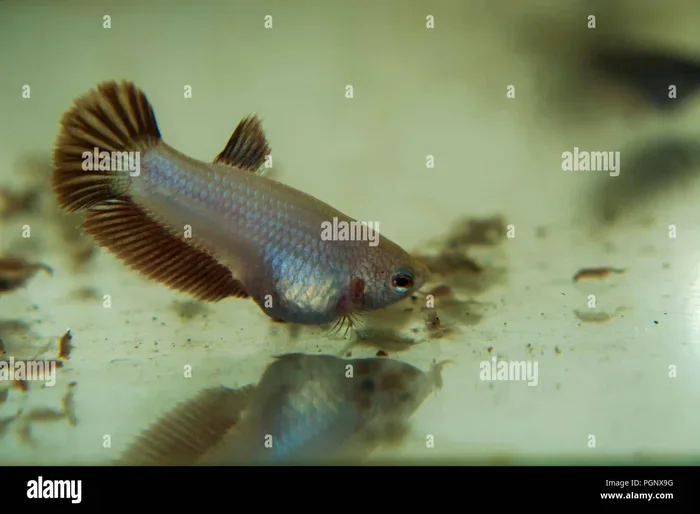
Feeding baby betta fish the right way is one of the most important parts of betta fish care. You should feed your betta fry 3 to 5 small meals per day using tiny, protein-rich foods like baby brine shrimp and micro worms. This guide covers the full feeding schedule, portion sizes, and common mistakes to avoid so your baby betta fish grow up strong and healthy.
Raising baby betta fish can be one of the most rewarding experiences in the hobby. These tiny creatures are full of energy and grow fast when given the right care. But one question every betta keeper asks is: how often to feed baby betta fish? The answer matters more than most people realize. Getting the feeding schedule right from day one sets the foundation for healthy, vibrant fish.
Baby betta fish, also called betta fry, have very different needs compared to adult bettas. Their tiny stomachs cannot hold much food at once. They need to eat small amounts very frequently throughout the day. In this article, we will walk you through everything you need to know about feeding baby betta fish. You will learn the ideal schedule, the best foods to use, portion sizes, and the mistakes to avoid.
Key Takeaways
- Feed 3 to 5 times daily: Baby betta fish need frequent small meals to support rapid growth and development.
- Use the right foods: Baby brine shrimp, micro worms, and finely crushed pellets are the best options for betta fry.
- Keep portions tiny: Only offer what your fry can eat in 2 to 3 minutes to prevent overfeeding and dirty water.
- Watch for hunger cues: Active swimming and begging at the surface mean your fry are hungry and ready to eat.
- Maintain water quality: Frequent feeding means more waste, so regular water changes are essential for healthy betta fry.
📑 Table of Contents
- Why Feeding Frequency Matters for Baby Betta Fish
- How Often to Feed Baby Betta Fish: The Ideal Schedule
- Best Foods for Baby Betta Fish
- How Much Food to Give at Each Feeding
- Common Mistakes When Feeding Baby Betta Fish
- How Feeding Changes as Baby Bettas Grow
- Tips for Keeping Your Baby Betta Fish Healthy
- Final Thoughts on Feeding Baby Betta Fish
Why Feeding Frequency Matters for Baby Betta Fish
Understanding why how often to feed baby betta fish matters starts with their biology. Betta fry are growing rapidly during their first few weeks of life. They need a constant supply of nutrients to build muscle, develop color, and strengthen their immune systems. Unlike adult bettas, fry burn through energy very quickly.
An adult betta can go a day without food without any problems. But a baby betta fish cannot. Skipping even one feeding can slow down their growth. On the other hand, overfeeding can be just as dangerous. Uneaten food rots in the water and raises ammonia levels, which can harm or even kill your fry.
This is why the feeding frequency for baby bettas is so important. You want to give them enough food to fuel their growth without overwhelming their small bodies or dirtying their water. Finding that balance is the key to raising healthy betta fry.
The Science Behind Frequent Feeding
Betta fry have extremely fast metabolisms. Their digestive systems process food quickly, which means nutrients pass through their bodies faster than in adult fish. This biological trait means they need to eat more often to get the nutrition they need.
In the wild, betta fry would graze on tiny organisms throughout the day. They rarely get one big meal. So replicating this natural pattern in your aquarium is the best approach. Multiple small feedings throughout the day mimic what nature intended and keep your fry thriving.
How Often to Feed Baby Betta Fish: The Ideal Schedule
The general rule for how often to feed baby betta fish is 3 to 5 times per day. But the exact number depends on the age of your fry. Younger fry need more frequent meals than older ones. Here is a simple breakdown based on age.
- First week (0 to 7 days old): Feed 5 times per day. At this stage, fry are extremely small and need constant nutrition.
- Second week (7 to 14 days old): Feed 4 times per day. Their stomachs are growing and can handle slightly larger meals.
- Third and fourth week (14 to 28 days old): Feed 3 times per day. They are getting stronger and can handle a bit more food at each meal.
- After one month: You can transition to 2 feedings per day, which is closer to an adult betta schedule.
Stick to this schedule as closely as you can. Consistency helps your fry develop a healthy eating routine. Try to space the feedings evenly throughout the day. For example, if you feed 4 times a day, you might feed at 7 AM, 11 AM, 3 PM, and 7 PM.
What Time of Day Should You Feed Baby Bettas?
Timing matters when it comes to betta fish feeding frequency. The first feeding should happen shortly after the lights turn on. This mimics sunrise in their natural habitat and signals to the fry that it is time to eat. The last feeding should be at least 30 minutes before the lights go off.
Avoid feeding right before lights out. Baby bettas need time to digest their food before resting. Feeding too late can lead to undigested food sitting in the tank, which affects water quality overnight.
Best Foods for Baby Betta Fish
Choosing the right food is just as important as knowing how often to feed baby betta fish. Baby bettas need protein-rich foods that are small enough for their tiny mouths. Let us look at the best options available.
Baby Brine Shrimp
Baby brine shrimp are the gold standard for feeding betta fry. They are tiny, packed with protein, and move in the water, which triggers the fry’s natural hunting instinct. You can hatch your own brine shrimp eggs at home or buy them from a pet store.
Feeding live baby brine shrimp gives your fry the best nutrition. But frozen or freeze-dried options work well too. Just make sure to crush them into very small pieces before adding them to the tank.
Micro Worms
Micro worms are another excellent food source for betta fry. They are easy to culture at home and are the perfect size for baby bettas. Many breeders consider micro worms the go-to first food for newly hatched fry.
You can start a micro worm culture with just a small container of oats and a starter culture. Once established, the culture produces a steady supply of food for weeks. This makes it a very cost-effective option for raising betta fry.
Crushed Betta Pellets
As your fry grow a bit older, you can introduce crushed betta pellets. Take a high-quality pellet and crush it into a fine powder. This works great for fry that are a couple of weeks old and starting to get bigger.
Make sure the pellets you use are high quality and specifically made for bettas. Avoid cheap flakes because they can fall apart too quickly and make the water cloudy. If you want more details on pellet portions, check out how many pellets to feed betta fish daily for helpful guidance.
Other Good Food Options
There are a few other foods that work well for betta fry. Here is a quick list of options:
- Infusoria: Tiny organisms found in aquarium water. Great for the very first days of life.
- Powdered fry food: Commercially available and designed specifically for small fish.
- Daphnia: Small crustaceans that are rich in nutrients. Best for slightly older fry.
- Vinegar eels: Another easy-to-culture food that is perfect for newborn betta fry.
How Much Food to Give at Each Feeding
Portion control is critical when raising betta fry. Because their stomachs are so small, you should only offer a tiny amount at each feeding. A good rule of thumb is to give each fry as much food as it can eat in 2 to 3 minutes.
Overfeeding is one of the biggest mistakes new betta keepers make. When you give too much food, the excess sinks to the bottom and starts to decompose. This raises ammonia and nitrite levels, which are toxic to baby fish. Clean water is essential for healthy betta fry, so keeping waste to a minimum matters a lot.
Start with a very small amount and watch how your fry respond. If they eat everything quickly, you can add a tiny bit more. If food is left floating after a few minutes, you gave too much. Adjust the portion size over time as you get to know your fry better.
Signs You Are Feeding the Right Amount
It is not always easy to judge the perfect portion size. Here are some signs that you are feeding your baby bettas correctly:
- The fry eat eagerly at every feeding.
- There is no visible food left in the water after 3 minutes.
- The fry have rounded, full bellies after eating.
- Water stays relatively clear between feedings.
- The fry grow steadily and show consistent development.
If you notice any of these signs, you are on the right track. If not, try adjusting the amount slightly and observe the results. Every batch of fry is a little different, so flexibility is key.
Common Mistakes When Feeding Baby Betta Fish
Even experienced fish keepers can make mistakes when it comes to feeding baby betta fish. Here are the most common errors and how to avoid them.
Overfeeding
This is the number one mistake people make. It is easy to think that more food equals faster growth. But the opposite is true. Overfed fry can become bloated and constipated. The uneaten food also ruins water quality fast, creating a harmful environment for your fish.
Remember, baby betta fish have tiny stomachs. Think of their stomach size as being roughly the same as their eye. That gives you a good mental picture of how little food they actually need at each meal.
Feeding Too Infrequently
On the other side of the coin, some people do not feed their fry enough. Skipping feedings or going too long between meals can stunt growth and weaken the immune system. If you are away from home, make arrangements for someone to feed your fry or use an automatic feeder designed for small fish.
Using the Wrong Food Size
Baby bettas cannot eat regular-sized fish food. If the food particles are too large, the fry will not be able to swallow them. Always make sure the food is appropriately sized for very small fish. When in doubt, crush it smaller or choose a different food source.
Ignoring Water Quality
Feeding creates waste, and waste affects water parameters. Many people focus only on food and forget about the water. Regular water changes are essential, especially when you are feeding fry multiple times a day. Clean water keeps your baby bettas healthy and supports proper digestion.
How Feeding Changes as Baby Bettas Grow
The feeding routine for baby betta fish changes as they develop. What works for a one-week-old fry is not the same as what works for a one-month-old fry. Here is how to adjust your approach over time.
During the first two weeks, stick with very small live or frozen foods like baby brine shrimp and micro worms. These are easy for the tiniest fry to eat and digest. As the fry grow, you can gradually introduce larger food items and reduce the feeding frequency.
By the time your bettas reach about one month old, you can start transitioning them toward an adult feeding routine. This means fewer feedings per day and larger food particles. Check out how often to feed a betta fish for a complete guide on the adult feeding schedule.
The transition should be gradual. Sudden changes in diet or frequency can stress your fish. Over the course of a week or two, slowly reduce the number of feedings and increase the portion sizes. This gives their digestive systems time to adjust.
When Can Baby Bettas Eat the Same Food as Adults?
Most baby bettas can start eating the same food as adults once they reach about 8 to 12 weeks old. At this point, they are large enough to handle standard-sized pellets and flakes. However, you should still soak dry foods briefly before feeding to make them easier to digest.
If you are ever unsure about what to feed your growing bettas, it is always a good idea to research specific food options. For example, you might wonder if certain human foods are safe. Learn more about what human foods and alternatives are safe for bettas to make informed choices.
Tips for Keeping Your Baby Betta Fish Healthy
Feeding is only one part of raising healthy betta fry. Here are some extra tips that make a big difference in their overall well-being.
- Keep the water temperature stable: Baby bettas do best in water between 78 and 80 degrees Fahrenheit. Use a reliable heater and thermometer.
- Do frequent small water changes: Change about 10 to 20 percent of the water every other day to keep waste levels low.
- Use a sponge filter: A gentle sponge filter keeps the water clean without creating strong currents that can tire out tiny fry.
- Provide hiding spots: Live plants or floating objects give fry places to hide and reduce stress.
- Watch for signs of illness: Look out for lethargy, loss of appetite, or discoloration. Catching problems early makes treatment much easier.
Following these tips alongside a proper feeding schedule gives your baby betta fish the best chance at a long and healthy life. Patience is also important. Raising fry takes time, and growth happens gradually. Enjoy the process and celebrate small milestones along the way.
Final Thoughts on Feeding Baby Betta Fish
How often to feed baby betta fish is one of the most important questions for any betta keeper raising fry. The answer is clear: feed them 3 to 5 times per day with tiny, protein-rich meals. Choose the right foods, keep portions small, and maintain clean water. Avoid the common traps of overfeeding and underfeeding, and adjust your routine as your fry grow.
Consistency is everything. Stick to your schedule, watch your fish closely, and make adjustments as needed. With the right care and attention, your baby betta fish will grow into strong, colorful adults that you can be proud of. Start applying these tips today, and you will see the difference in your fry’s health and growth within just a few weeks.
Remember, every feeding session is a chance to support your baby bettas on their journey from tiny fry to beautiful adult fish. Stay patient, stay consistent, and enjoy every moment of this rewarding experience.