Do Betta Fish Have Good Eyesight
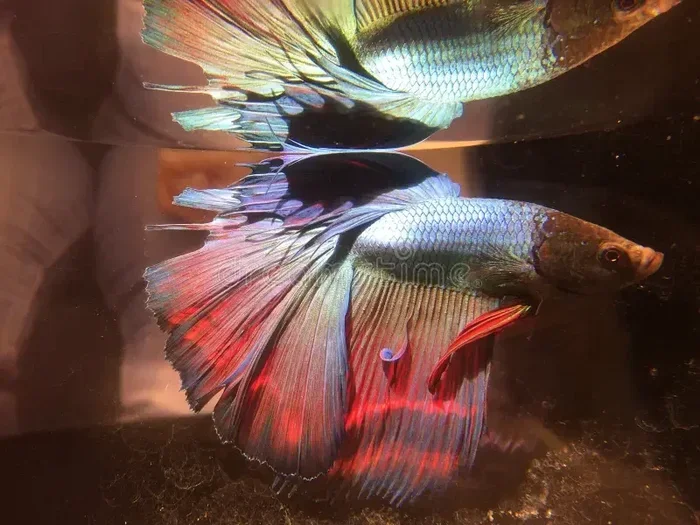
Do betta fish have good eyesight? The answer is both yes and no. Bettas have decent vision for a freshwater fish, but their sight has unique limitations. Betta fish eyesight works best at close range, and they rely heavily on other senses too. Understanding how your betta sees the world helps you create a better tank setup and catch problems early.
You might wonder about do betta fish have good eyesight when you watch your betta glide through the water. It is a fair question. Bettas are beautiful, curious fish that seem to notice everything in their tank. But how much do they really see? The truth about betta fish eyesight is more interesting than you might think. Bettas can see colors and movement, but their vision works differently from ours. This guide covers everything you need to know about how bettas see the world, what can go wrong, and how to keep their eyes healthy.
Many betta owners assume their fish sees just fine because bettas react to movement and food so quickly. But reaction speed does not always mean sharp vision. Betta fish have specific visual strengths and weaknesses that every owner should understand. Once you know how your betta sees, you can make better choices about tank setup, lighting, and tank mates. Let us dive into the fascinating world of betta vision.
Key Takeaways
- Betta fish have functional eyesight: They can see colors and shapes, but their vision is optimized for short distances.
- Betta fish have a tapetum layer: This reflective layer helps them see in low-light conditions, which is useful in murky waters.
- Common eye problems exist: Cloudy eyes, pop eye, and infections can affect betta fish eyesight if tank conditions are poor.
- Lighting matters a lot: Proper aquarium lighting supports healthy vision and reduces stress for your betta.
- Bettas use multiple senses: They rely on smell, hearing, and lateral line detection alongside their vision to navigate the world.
- Early detection saves eyes: Regular observation of your betta’s eyes can help you catch problems before they become serious.
📑 Table of Contents
How Betta Fish See the World
Betta fish eyes are located on the sides of their heads. This placement gives them a wide field of view. However, it also means they have a blind spot right in front of their nose. Betta fish eyesight is not designed for long-distance clarity. Instead, it works best at short to medium distances. Think of it like looking through a slightly frosted window. Bettas can make out shapes, movement, and colors, but fine details are harder to spot.
The Structure of a Betta Fish Eye
A betta eye has a lens and a retina, much like a human eye. But there are key differences. The lens in a betta fish eye is round and pushes light onto the retina. Bettas also have a tapetum, which is a reflective layer behind the retina. This layer bounces light back through the photoreceptors, giving the fish a second chance to capture it. This is why bettas can see surprisingly well in dim or murky water. You can learn more about this reflective layer in our article on do betta fish have tapetum.
The tapetum is also what causes your bettas eyes to glow or sparkle when light hits them at night. It is not a trick of the light. It is a real biological feature that helps bettas navigate their environment. In the wild, bettas often live in shallow, slow-moving waters with lots of floating plants. Their eyesight evolved to work well in these conditions.
How Close Does a Betta Need to Be to See Clearly?
Betta fish eyesight is sharpest within about 12 to 18 inches. Beyond that distance, things get blurry. This is why bettas often stare at their food or at you when you are near the tank. They are not being cute. They are actually trying to focus. If you have ever wondered why your betta flares at you but ignores fish across the tank, this is why. The close-range vision is where bettas excel.
This also means that tank decorations and plants placed near the front are more likely to catch your bettas attention. Bettas can recognize familiar objects in their environment. Over time, they learn where the filter, the plants, and the food drop area are. Their spatial memory is better than many people give bettas credit for.
Can Betta Fish See Colors?
Yes, bettas can see colors. In fact, betta fish have decent color vision. Bettas have cones in their retinas that detect different wavelengths of light. This allows them to see a range of colors, including reds, greens, blues, and yellows. Some studies suggest bettas may even see ultraviolet light, which humans cannot see at all.
Why Color Vision Matters for Bettas
Color vision plays a big role in betta behavior. Male bettas display vibrant colors during mating and territorial displays. They can see these colors in other fish and respond accordingly. This is why bright-colored tank decorations can sometimes trigger flaring behavior. Your betta might see a red plant or a colorful ornament and think it is another male betta invading its space.
Color vision also helps bettas find food. Many betta foods are brightly colored to attract their attention. If you notice your betta ignoring food, check the lighting first. Poor lighting can make it harder for your betta to spot food, even if the color is bright. A well-lit tank with appropriate aquarium lighting makes a big difference.
Does Lighting Affect Betta Eyesight?
Absolutely. The type and intensity of light in your tank directly impacts how well your betta can see. Too much light causes glare and stress. Too little light makes it hard for bettas to navigate and find food. The sweet spot is moderate, consistent lighting. Most experts recommend 8 to 10 hours of light per day. Use a timer to keep the schedule regular. This mimics natural daylight cycles and keeps your bettas internal clock working properly.
Also, avoid placing the tank in direct sunlight. Sunlight creates hot spots and algae blooms that cloud the water. Cloudy water scatters light and makes it harder for your betta to see clearly. If you want to know more about how water conditions affect your fish, check out our article on do betta fish have to have water changes.
Common Eye Problems in Betta Fish
Even though bettas have functional eyesight, they are not immune to eye problems. Several conditions can affect betta fish eye health. Some are minor and easy to treat. Others can cause permanent damage if ignored. Knowing the signs early gives you the best chance of helping your fish.
Cloudy Eye
Cloudy eye is one of the most common eye issues in bettas. The eye develops a whitish or milky film over the surface. This can be caused by poor water quality, bacterial infections, or physical injury. Often, cloudy eye is a symptom of a larger problem in the tank. If your bettas water has high ammonia or nitrite levels, the eyes are one of the first places problems show up.
To treat cloudy eye, start by testing your water parameters. Do a 25 to 50 percent water change immediately. Add Indian almond leaves or aquarium salt to help soothe the fish. If the condition does not improve in a few days, consider a broad-spectrum fish antibiotic. Always isolate the affected fish if you have a community tank.
Pop Eye
Pop eye, or exophthalmia, is when one or both eyes bulge outward from the socket. This condition can result from bacterial infection, poor water quality, or physical trauma. Pop eye is alarming to see, but it is treatable if caught early. Start with a water change and check your ammonia and nitrate levels. If the eye is swollen but not ruptured, aquarium salt baths can help reduce the swelling.
In severe cases, you may need to use antibiotics specifically formulated for fish. Consult a veterinarian experienced with aquatic animals if the condition worsens. Pop eye can lead to permanent vision loss if left untreated for too long.
Eye Injuries and Ulcers
Bettas can scratch or injure their eyes on sharp decorations, rough plants, or during fights with other fish. Eye injuries can lead to ulcers if bacteria enter the wound. Keep your tank free of sharp objects. Soft silk plants are a much safer choice than plastic plants with rough edges. If you are wondering about tank setup and what bettas need, our article on do betta fish have things inside their tank covers this in detail.
How to Protect Your Betta’s Eyesight
Prevention is always better than treatment when it comes to betta fish eyesight. A healthy tank environment goes a long way in keeping your bettas eyes clear and functioning well. Here are the most important steps you can take.
Maintain Clean Water
Clean water is the foundation of betta health. Ammonia and nitrite burn delicate tissues, including the eyes. Test your water at least once a week. Keep ammonia and nitrite at zero. Nitrate should stay below 20 ppm. Regular water changes, proper filtration, and not overfeeding all contribute to cleaner water. Bettas are sensitive to water parameter swings, so consistency matters.
Choose Tank Mates Carefully
Not all fish make good companions for bettas. Aggressive tank mates can injure your bettas eyes during fights. Even fin-nipping fish can cause stress that weakens your bettas immune system and makes eye problems more likely. Choose peaceful, non-aggressive species if you want tank mates. You can read more about this in our article on do betta fish have companions.
Feed a Balanced Diet
Nutrition affects every part of your bettas body, including the eyes. Feed a varied diet of high-quality pellets, frozen or live foods, and occasional treats. Foods rich in vitamin A and omega-3 fatty acids support eye health. Avoid overfeeding, which fouls the water and can lead to the same problems that cause eye issues. A healthy diet is one of the simplest ways to protect your bettas vision long-term.
Watch for Warning Signs
Get into the habit of observing your betta daily. Look at the eyes during feeding time. Are they clear and bright? Or do they look cloudy, swollen, or discolored? Catching changes early makes treatment much easier. Keep a simple log of water parameters and any behavioral changes. This record can help you spot patterns and catch problems before they escalate.
Betta Fish Eyesight Compared to Other Senses
While betta fish eyesight is important, it is not the only way bettas understand their world. Bettas rely on a combination of senses to navigate, hunt, and interact.
Smell and Taste
Bettas have excellent senses of smell and taste. They use smell to detect food, recognize other fish, and even sense danger. Their nostrils, called nares, pick up chemical signals in the water. This is why bettas can find food dropped on the opposite side of the tank so quickly. If you want to learn more about how bettas use their sense of smell, check out our article on do betta fish have nose.
Hearing and Vibration Detection
Bettas can hear sounds through their lateral line system, which detects vibrations in the water. This helps them sense movement from predators, prey, and even their owner approaching the tank. Hearing works alongside vision to give bettas a full picture of their surroundings, even when visibility is low.
When Vision Takes a Back Seat
In murky or dark water, bettas rely more on smell and vibration detection than on sight. This is natural and expected. Bettas in the wild often live in rice paddies and slow streams where the water is not crystal clear. Their senses are adapted to function well even when visibility is limited. This is also why adding too much lighting to a betta tank can actually stress them out. They prefer gentle, moderate light that mimics their natural habitat.
If you notice your betta bumping into objects or struggling to find food, do not assume it is just old age. Check the water quality first. Poor water conditions can temporarily impair betta fish eyesight and cause disorientation. A simple water change often resolves the issue quickly.
When to See a Veterinarian
Most minor eye issues resolve with good water care and a little patience. But some situations need professional help. If your bettas eye is visibly damaged, if both eyes are affected, or if the fish stops eating entirely, it is time to consult an expert. Fish veterinarians can prescribe targeted medications and provide treatment plans that go beyond basic care.
Do not wait too long to seek help. Eye problems can worsen fast in a poorly maintained tank. The sooner you act, the better the outcome for your betta. Keeping your tank clean and stable is the best way to avoid reaching this point in the first place.
Final Thoughts on Betta Fish Eyesight
So, do betta fish have good eyesight? The answer is nuanced. Bettas have functional, useful vision that serves them well in their natural environment. They can see colors, detect movement, and navigate their surroundings. But their eyesight is optimized for close range and low-light conditions. Understanding this helps you be a better betta owner.
Protecting your bettas eyes comes down to the basics: clean water, proper lighting, a safe tank setup, and a healthy diet. Watch your fish closely for any changes in eye appearance or behavior. Early action prevents most serious eye problems. With the right care, your betta can enjoy clear, healthy vision for years to come. Your attention and effort make all the difference in the world for your colorful companion.
Frequently Asked Questions
Can betta fish see in the dark?
Bettas cannot see well in complete darkness, but they can see better than humans in low-light conditions. This is thanks to their tapetum, which reflects light back through the retina. However, bettas still need some light to navigate comfortably. Leaving a tank in total darkness for long periods can stress your fish and make it harder for them to find food.
Why does my betta fish stare at me?
Bettas often stare at their owners because they recognize movement and associate it with feeding time. Betta fish eyesight is sharpest at close range, so when you are near the tank, your betta can see you clearly. Over time, bettas learn to recognize their owners and may even anticipate feeding. It is actually a sign of a healthy, alert fish.
Can betta fish go blind?
Yes, bettas can lose their vision due to untreated infections, injuries, or severe water quality issues. Pop eye, cloudy eye, and eye ulcers can all lead to partial or complete blindness if not addressed. However, blind bettas can still live full, happy lives because they rely heavily on their other senses like smell and vibration detection to navigate their environment.
Do betta fish have good color vision?
Bettas have decent color vision and can see reds, greens, blues, and yellows. Some research suggests they may even perceive ultraviolet light. This color vision helps them identify food, recognize tank mates, and display their own vibrant colors during courtship and territorial behavior. Proper lighting enhances their ability to see and appreciate colors in the tank.
How can I tell if my betta has an eye infection?
Signs of an eye infection include cloudiness, swelling, redness, bulging, or discharge from the eye. Your betta may also rub its eye against decorations or show reduced appetite. Check your water parameters immediately if you notice any of these symptoms. Poor water quality is the most common cause of eye infections in bettas, and a water change is often the first step toward recovery.
Does tank lighting affect betta fish eyesight?
Yes, lighting has a direct impact on betta fish eye health. Too much light causes glare and stress, while too little light makes it hard for bettas to see and find food. Aim for 8 to 10 hours of moderate, consistent light per day using a timer. Avoid direct sunlight, which creates hot spots and algae blooms. The right lighting setup supports healthy vision and a natural day-night cycle for your betta.
=== CONCLUSION ===
Do betta fish have good eyesight? Yes, within their own visual world. Bettas see colors, detect movement, and navigate their environment with a combination of sharp close-range vision and sensitive secondary senses. Their eyesight is well-suited to the shallow, warm waters they call home. By maintaining clean water, providing proper lighting, choosing safe tank mates, and watching for early warning signs, you give your betta the best chance at a lifetime of healthy vision. Your betta depends on you for its well-being. Understanding how it sees the world is one of the most rewarding parts of being a betta owner. Take what you have learned here and put it into action. Your fish will thank you with vibrant colors, active behavior, and clear, bright eyes.