Do Betta Fish Have Eyelids
Do betta fish have eyelids? No, they do not. Betta fish lack movable eyelids, which means they cannot blink or close their eyes. Instead, they rely on a transparent nictitating membrane and clean water to protect their eyes. Understanding this unique trait is essential for every betta owner who wants to maintain their fish’s eye health and happiness.
Key Takeaways
- No Eyelids: Betta fish do not have eyelids and cannot blink or close their eyes.
- Nictitating Membrane: They use a thin, transparent inner membrane to shield and moisten the eye.
- Water Quality is Critical: Dirty water is the leading cause of eye infections and cloudy eyes in bettas.
- Sleep with Eyes Open: Betta fish always sleep with their eyes open because they lack eyelids.
- Daily Observation Matters: Watching for early signs of eye trouble helps prevent serious health issues.
- Veterinary Care: Persistent eye problems should be treated by a fish veterinarian, not with human medications.
📑 Table of Contents
Do Betta Fish Have Eyelids? The Surprising Truth
The answer might surprise you. Do betta fish have eyelids? No, they do not. Betta fish, also known as Siamese fighting fish, have a unique eye structure that leaves their eyes permanently open. This adaptation is fascinating but comes with special care requirements that every owner must understand.
Unlike humans and many other animals, bettas cannot blink or close their eyes to sleep. Their eyes are constantly exposed to the water environment. This means dust, debris, and bacteria can directly contact the eye surface at all times. Understanding this fact is the first step toward becoming a better, more attentive betta owner.
The Evolutionary Reason
Betta fish evolved in shallow, warm waters across Southeast Asia. In these slow-moving streams and rice paddies, having movable eyelids was not necessary for survival. The water itself acted as a constant bath, keeping the eyes moist and clean. Over thousands of years, bettas developed a different strategy for eye protection.
Instead of eyelids, bettas rely on a clear, inner membrane that slides across the eye. This adaptation works well in their natural habitat. However, in the artificial environment of an aquarium, the lack of eyelids means the owner must step in to provide the protection that eyelids would normally offer in the wild.
How Betta Eyes Stay Moist
You might wonder how betta fish eyes stay wet without blinking. The answer lies in their surrounding water. A constant flow of clean water bathes the eyes, preventing them from drying out. The fish’s gentle movement also helps spread a thin layer of moisture across the eye surface. In a healthy tank with good filtration, this natural moisture layer works effectively.
However, poor water conditions can break down this protective film. When the water becomes dirty or chemically unbalanced, the eyes lose their natural shield. This is why water quality is so important for betta eye health. A stable, clean environment is the foundation of clear, bright eyes.
How Betta Fish Protect Their Eyes Without Eyelids
Even without eyelids, bettas have built-in defenses. The nictitating membrane is a thin, transparent layer that covers the eye from the inside. It can slide across the eye to wipe away small particles and debris. Think of it as a built-in windshield wiper that keeps the eye surface clear. This membrane is a clever evolutionary solution, but it has limits.
The nictitating membrane cannot fully seal the eye from strong irritants or bacteria. It also cannot produce tears like a mammal’s eyelid. This is why tank maintenance matters so much. If you are worried about do betta fish have bad vision, know that the lack of eyelids can expose the eyes to more floating debris, which may affect sight over time.
The Role of Water Quality
Dirty water is the biggest threat to betta eyes. Ammonia and nitrites are invisible but highly irritating. Even low levels can burn the delicate eye tissue. Over time, this leads to cloudiness, inflammation, and potentially blindness. Regular water changes are the single most effective way to prevent these problems.
To keep your betta’s eyes clear, you must maintain pristine conditions because do betta fish have to have water changes remove harmful chemicals that irritate the eyes. A simple gravel vacuum and partial water change every week can make a huge difference. Test your water parameters regularly to ensure ammonia and nitrites stay at zero.
Air Exposure and the Surface Habit
Betta fish are labyrinth fish, which means they breathe atmospheric air. They must come up to the surface to gulp oxygen. Because of this, their eyes frequently break the water’s surface throughout the day. This habit can expose the eyes to airborne dust, pollen, and other particles floating in the room air.
Since bettas do betta fish have to come up for air, their eyes are often at risk of drying out or collecting particles from the surrounding environment. Keeping the tank covered with a fitted hood or canopy can help reduce this exposure. A hood also prevents dust from falling directly into the water.
Common Eye Problems in Betta Fish
Without eyelids, bettas are vulnerable to several eye issues. Recognizing these problems early can save your fish from pain and permanent damage. Most eye conditions are preventable with good husbandry, but some require prompt treatment. Here are the most common conditions you might encounter.
| Condition | Symptoms | Common Cause | Treatment |
|---|---|---|---|
| Cloudy Eyes | White or milky film over the eye | Poor water quality, bacterial infection | Water changes, aquarium salt, antibiotics if severe |
| Eye Bulging (Exophthalmia) | Eye protrudes outward, swelling | Bacterial infection, physical injury | Antibiotics, improve water quality, isolate if needed |
| Eye Injury | Scratch, bleeding, cloudiness after impact | Sharp decorations, flashing against hard objects | Remove sharp objects, treat with mild salt bath |
| Eye Discharge | Mucus or pus around the eye | Bacterial or fungal infection | Antibacterial medication, frequent water changes |
Signs of Eye Infection
An infected eye will show visible symptoms that are hard to miss. Look for swelling, redness, or a cloudy appearance. The eye may bulge outward, a condition known as exophthalmia. You might also notice a sticky discharge or mucus around the eye area. The fish may rub its eye against decorations or the tank floor in an attempt to relieve the irritation.
If you notice any of these signs, act quickly. Start with a partial water change and check your parameters. If the symptoms persist for more than two days, consider using a fish-safe antibiotic. Early intervention often leads to a full recovery without lasting damage.
What Causes Cloudy Eyes
Cloudy eyes can result from several factors. Poor water quality is the leading cause. High levels of ammonia or nitrite burn the delicate eye tissue. Bacterial infections can also cloud the eye, often following a minor injury or stress event. In some cases, cloudy eyes are a sign of an internal illness that affects the whole body.
Nutritional deficiencies can play a role too. A diet lacking vitamin A may lead to eye problems over time. If the cloudiness does not improve after a water change, you should investigate further. Sometimes a simple change in diet with vitamin-enriched foods clears up mild cases within a week.
Common Eye Injuries
Physical injuries are another common problem for bettas without eyelids. Sharp decorations, rough gravel, or even tank mates can scratch the eye. A scratch may seem minor, but it can quickly become infected without eyelids to protect the wound. Always choose smooth, rounded decorations for your betta tank and avoid sharp plastic plants.
If you notice your betta flashing or rubbing its eye, check the tank for any rough edges. Removing the hazard is the first step. A brief salt bath can help soothe the eye and prevent infection. Monitor the eye closely for the next few days for any signs of worsening.
Daily Eye Care Tips for Betta Owners
Prevention is always better than cure. By following a few simple routines, you can keep your betta’s eyes bright and healthy. These tips are easy to incorporate into your weekly care schedule and require very little extra effort.
Maintaining Clean Water
Clean water is your betta’s first line of defense against eye problems. Test the water parameters regularly using a liquid test kit. Aim for zero ammonia, zero nitrites, and nitrates below 20 ppm. Perform partial water changes of 25-30% every week to remove waste and excess nutrients.
Use a gentle filter to avoid strong currents that can stress the fish. A sponge filter is often the best choice for betta tanks. It provides biological filtration without pushing the fish around. Keep the filter media clean but never rinse it with tap water, as this kills beneficial bacteria.
Feeding for Eye Health
Diet plays a crucial role in eye health. Feed your betta high-quality pellets that contain essential nutrients. Look for foods enriched with vitamin A and omega-3 fatty acids. These nutrients support healthy eye tissue and reduce inflammation. A varied diet also ensures your betta receives a full range of vitamins.
Variety is important. Occasionally offer frozen or live foods like brine shrimp and bloodworms. These foods are packed with natural nutrients that promote vibrant color and clear eyes. Just remember to feed in small amounts once or twice a day. Overfeeding can pollute the water and indirectly harm the eyes.
Observing Your Betta Daily
Take a moment each day to watch your betta closely. Look at the eyes during feeding time. Are they bright and clear? Do they appear normal in size? Any change in appearance should be noted and monitored. Early detection of problems leads to faster recovery and better outcomes.
Also watch how the fish interacts with its environment. If it starts bumping into objects or seems hesitant to swim, its vision might be compromised. A quick water test can often reveal the cause. Simple fixes like a water change or a temperature adjustment can restore clarity quickly.
Do Betta Fish Sleep With Their Eyes Open?
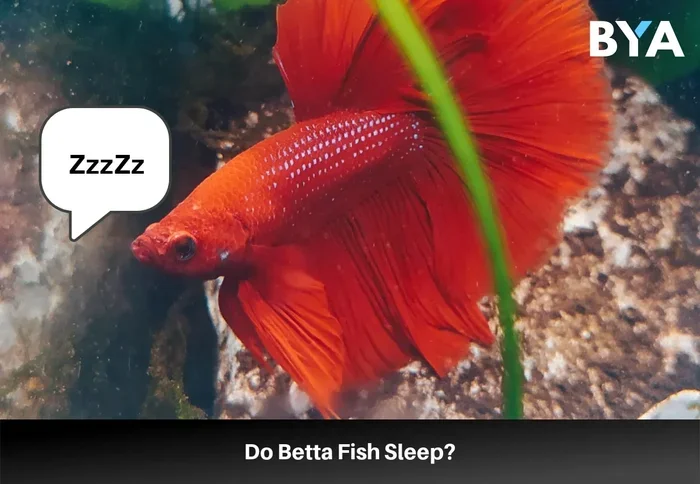
Yes, betta fish sleep with their eyes open. Because they lack eyelids, they cannot close their eyes. This might seem strange or even worrying at first, but it is perfectly normal. Understanding betta sleep patterns helps you care for them better and reduces unnecessary concern.
Understanding Betta Sleep Patterns
Bettas are diurnal, which means they are active during the day and sleep at night. When it is dark, your betta will become less active. It may hover in one spot or rest on the substrate near the bottom. The fish’s color might also fade slightly during sleep, which is a natural response to rest.
Some bettas prefer to sleep in hidden spots. They might curl up behind a plant, inside a cave, or even rest on a flat leaf. This behavior is natural and helps them feel safe from predators. Never disturb a sleeping betta, as it can cause stress and weaken its immune system.
How to Tell If Your Betta Is Sleeping
It can be hard to tell if a betta is sleeping because the eyes remain wide open. Look for these clear signs:
- The fish stays completely still for long periods, sometimes several minutes.
- The body may rest on the bottom or hover motionless in the water.
- The color appears lighter or more muted than when active.
- The fins may droop slightly instead of being held upright.
- The fish may become less responsive to movement outside the tank.
If you notice these signs, your betta is simply resting. Do not worry about the open eyes. This is how bettas are designed, and it is a completely healthy behavior.
When to See a Vet for Eye Issues
Most minor eye irritations resolve with improved water quality and a few days of observation. However, some conditions require professional help. Knowing when to seek treatment can prevent permanent damage and save your fish’s sight. Trust your instincts as an owner; if something looks wrong, it probably is.
Recognizing Serious Symptoms
Watch for severe symptoms that do not improve within a few days. These include complete cloudiness that spreads, visible pus, or a sunken eye. If the eye appears to be protruding significantly, it could be a sign of a serious bacterial or viral infection. Loss of appetite and lethargy often accompany severe eye problems.
If your betta stops eating and the eye looks abnormal, it is time to consult a veterinarian who specializes in fish. Delaying treatment can lead to the loss of the eye or even threaten the fish’s life. A professional can prescribe the right medication and guide you through the recovery process.
Treatment Options
Veterinary treatment may involve antibiotics or antifungal medications. These are often administered through the water or directly into the food. In some cases, eye drops formulated specifically for fish can be applied carefully. The vet will show you the proper technique to avoid hurting the fish.
Never use human eye drops on bettas. The pH and ingredients can be harmful and make the condition worse. Always follow a vet’s instructions precisely. With proper treatment, many bettas recover fully from eye infections and return to their bright, curious selves.
Conclusion
The fact that betta fish do not have eyelids is just one part of what makes them unique. Their eyes rely on clean water, a balanced diet, and a safe environment to stay healthy. By understanding their needs, you can ensure your betta enjoys a long, happy life with clear vision and vibrant colors.
Take a moment today to check your tank’s water parameters and observe your fish’s eyes closely. Small actions make a big difference. Your betta will thank you with lively behavior and striking beauty. Keep learning about do betta fish have eyelids and other fascinating traits to become the best owner you can be.
Frequently Asked Questions
Do betta fish have eyelids?
No, betta fish do not have movable eyelids. They cannot blink or close their eyes. Instead, they rely on a transparent inner membrane called the nictitating membrane to protect and moisten their eyes.
How do betta fish sleep if they cannot close their eyes?
Betta fish sleep with their eyes open. They become less active at night and may hover or rest on the substrate. Their color may fade slightly during sleep, which is completely normal and healthy.
Can betta fish go blind?
Yes, poor water quality, infections, or injuries can lead to blindness. Regular water changes, a clean tank, and a nutritious diet help prevent eye conditions that could impair vision over time.
What causes cloudy eyes in betta fish?
Cloudy eyes are most often caused by poor water quality, bacterial infections, or physical injury. Ammonia and nitrite burns are common culprits. Treating the water and providing a balanced diet can often clear up mild cases.
Should I use salt to treat my betta’s eye infection?
Aquarium salt can help with mild eye irritation and swelling. It creates a slightly saline environment that reduces fluid buildup and fights some bacteria. Always use aquarium-specific salt and follow dosage instructions carefully.
When should I take my betta to a vet for eye problems?
If the eye is bulging, discharging pus, or showing no improvement after a few days of water changes, consult a fish veterinarian. Severe symptoms like loss of appetite and lethargy also warrant professional attention immediately.