Do Betta Fish Exist in the Wild
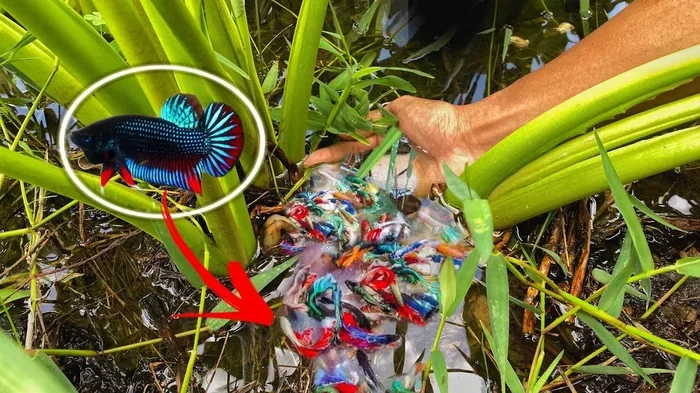
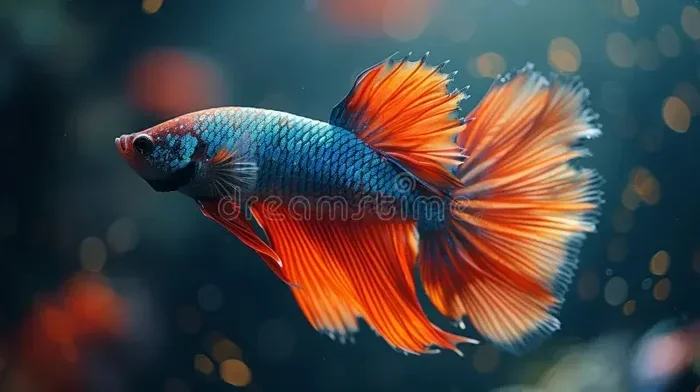
Yes, betta fish do exist in the wild, primarily in the warm, shallow waters of Southeast Asia. These vibrant creatures thrive in rice paddies, streams, and stagnant ponds. Understanding their natural habitat is key to providing proper care in captivity.
Key Takeaways
- Wild betta fish are real: They inhabit tropical freshwater environments across Southeast Asia, including Thailand, Vietnam, and Cambodia.
- Harsh conditions build resilience: Wild bettas survive in low-oxygen, warm waters, making them incredibly adaptable creatures.
- Diet matters: Wild betta fish feed on insects, larvae, and small crustaceans, which shapes their nutritional needs in captivity.
- Habitat loss is a threat: Pollution and urban development threaten wild betta fish populations in their native regions.
- Captive care reflects wild needs: Replicating their natural environment leads to healthier, happier pet bettas.
- Betta fish are not ocean dwellers: They live in freshwater, not saltwater environments, despite common misconceptions.
📑 Table of Contents
- Introduction
- Do Betta Fish Live in the Wild?
- Can Betta Fish Survive in the Wild?
- Betta Fish Behavior in the Wild
- Betta Fish Natural Habitat vs. Captive Environment
- Do Betta Fish Live in the Ocean?
- Betta Fish Adaptation and Survival Skills
- Expert Insights
- Common Mistakes to Avoid
- Betta Fish Conservation and the Future
- Conclusion
Introduction
If you have ever admired the flowing fins and bold colors of a betta fish, you might have wondered: do betta fish exist in the wild? The answer is a definite yes. These stunning fish are not just products of selective breeding. They are living, breathing creatures that thrive in the warm waters of Southeast Asia.
Wild betta fish have been surviving in rice paddies, shallow streams, and stagnant ponds for centuries. Their ability to breathe air and tolerate harsh conditions makes them one of the most resilient freshwater species on the planet. In this article, we will explore everything about betta fish in the wild, from where they live to what they eat and the threats they face.
Whether you are a new betta owner or a curious fish lover, understanding the wild side of these creatures will help you care for them better. Let us dive in.
Do Betta Fish Live in the Wild?
Absolutely. Betta fish, scientifically known as Betta splendens, are native to the tropical regions of Southeast Asia. They were first discovered in the warm, murky waters of countries like Thailand (formerly Siam), Vietnam, Myanmar, and Cambodia. These areas provide the perfect environment for bettas to flourish.
In the wild, betta fish go by many names. Locals sometimes call them plakat or fighting fish. Unlike the long-finned varieties sold in pet stores, wild bettas have shorter fins and more muted colors. This natural coloring helps them hide among plants and mud. Their bodies are built for survival, not showmanship.
Where Do Betta Fish Live in the Wild?
Wild betta fish occupy a wide range of freshwater habitats. They are most commonly found in:
- Rice paddies: These shallow, warm water fields are a favorite spot. Bettas hide among the rice plants and hunt for small prey.
- Slow-moving streams: Gentle currents suit their swimming ability. They rest under rocks and vegetation.
- Stagnant ponds: Warm, still water with plenty of organic matter supports their needs perfectly.
- Flooded forests: During the rainy season, bettas spread into forested areas with abundant cover.
- Ditches and canals: Even man-made waterways in tropical regions can host wild betta populations.
What makes these habitats special is the warm temperature and low oxygen levels. Bettas have a unique organ called the labyrinth organ. This allows them to breathe air directly from the surface. That is why they can survive in waters where other fish would struggle.
What Do Betta Fish Eat in the Wild?
Understanding what betta fish eat in the wild gives you insight into their dietary needs. Wild bettas are carnivores. They hunt and feed on whatever protein they can find in their environment. Their diet includes:
- Insects: Crickets, mosquitoes, and flies that fall on the water surface are a staple food source.
- Larvae: Mosquito larvae and other insect larvae provide essential nutrients.
- Small crustaceans: Tiny shrimp and water fleas (daphnia) are common prey.
- Worms: Small aquatic worms found in mud and debris are also consumed.
- Zooplankton: Microscopic organisms floating in the water add variety to their meals.
Wild bettas are opportunistic feeders. They eat whenever food is available. This eating pattern is important to remember when keeping them in tanks. Feeding small amounts multiple times a day mimics their natural routine and keeps them healthy.
Can Betta Fish Survive in the Wild?
The short answer is yes. Betta fish are built for survival. Their natural instincts and physical adaptations make them tough survivors. However, their chances of thriving depend heavily on the specific environment. Let us look at the factors that determine betta fish survival in the wild.
Adaptations That Help Wild Bettas Survive
Wild bettas have several remarkable features that help them endure harsh conditions:
- Labyrinth organ: This special organ lets them gulp air from the surface. It is a lifesaver in stagnant, low-oxygen water.
- Temperature tolerance: They prefer warm water between 75°F and 86°F. Tropical climates provide this naturally.
- Territorial behavior: Male bettas are fiercely territorial. This protects their space and food sources from competitors.
- Camouflage: Their natural colors blend with mud, leaves, and vegetation, hiding them from predators.
- Fast reproduction: Wild bettas breed frequently, helping maintain their betta fish population despite threats.
Threats to Wild Betta Fish
Despite their resilience, wild bettas face serious challenges. Betta fish conservation is a growing concern in their native habitats. Major threats include:
- Habitat destruction: Urban development and farming destroy the ponds and streams where bettas live.
- Pollution: Chemicals from agriculture and industry contaminate their water.
- Climate change: Shifting weather patterns affect water temperature and levels.
- Overcollection: Some wild bettas are captured for the pet trade, reducing local populations.
- Invasive species: Other fish species introduced into their habitats compete for food and space.
These factors have led to a decline in wild betta populations in certain regions. Protecting their natural ecosystem is essential for their continued survival.
Betta Fish Behavior in the Wild
Watching betta fish behavior in their natural habitat reveals just how complex these creatures are. They are not just pretty fish sitting in a bowl. They have rich social interactions and strong survival instincts.
Territorial Aggression
Male bettas are famously aggressive toward each other. In the wild, this territorial instinct serves a purpose. A male betta claims a territory that includes food sources and shelter. He defends it vigorously against any intruder. This is why you should never keep two male bettas in the same tank. They will fight until one is seriously injured or dead.
Female bettas can sometimes live together in groups called sororities. However, even among females, there can be bullying and stress. In the wild, space is abundant, so conflicts are less frequent.
Building Bubble Nests
One of the most fascinating wild betta behaviors is bubble nest building. Male bettas create nests made of bubbles at the water surface. They use their mouths to blow tiny air bubbles and gather debris to reinforce them. This nest is where they keep their eggs after breeding. It is a clear sign of a healthy, active betta. Even in captivity, building bubble nests shows that your betta feels secure.
Hiding and Exploring
Wild bettas spend much of their time hiding under plants, roots, and rocks. They are ambush predators. They wait quietly for prey to swim close before striking. This instinct means that pet bettas also need plenty of hiding spots in their tanks. Without cover, they become stressed and sluggish.
Betta Fish Natural Habitat vs. Captive Environment
Comparing a betta fish natural habitat to a typical home aquarium highlights some important differences. A well-designed tank should try to replicate what nature provides. Here is a comparison table to show the key differences.
| Factor | Wild Habitat | Ideal Captive Setup |
|---|---|---|
| Water Temperature | 75-86°F naturally warm | Heated tank set to 78-82°F |
| Water Flow | Slow or stagnant | Gentle current, no strong filters |
| Oxygen Levels | Low; labyrinth organ compensates | Moderate; surface access is key |
| Plants and Cover | Abundant vegetation | Live or silk plants, caves, driftwood |
| Substrate | Mud, sand, leaf litter | Fine gravel or sand |
| Tank Size | Varies widely | Minimum 5 gallons recommended |
| Food Sources | Live insects and larvae | Pellets, frozen, and live foods |
Quick Tips for Replicating a Wild Environment
Want to make your betta feel at home? Try these tips:
- Use a heater to maintain stable water temperature.
- Add live plants like java fern, anubias, or betta bulbs for cover.
- Keep the water flow gentle. Avoid strong power filters.
- Include floating plants to provide shade and resting spots near the surface.
- Feed a varied diet with protein-rich foods like bloodworms and brine shrimp.
Do Betta Fish Live in the Ocean?
This is a common question, and the answer is no. Betta fish do not live in the ocean. They are strictly freshwater fish. Saltwater would be fatal to them. Their bodies are not equipped to handle the high salinity of ocean environments.
Some people confuse bettas with marine fish because of their vibrant appearance. But bettas belong to the Anabantidae family, which consists of freshwater species. Their entire biology is adapted to warm, fresh water. Keeping a betta in saltwater would cause severe stress and death within hours.
When planning your tank setup, always use fresh water. If you want a saltwater aquarium, choose species designed for that environment. Mixing the two is dangerous for any fish.
Betta Fish Adaptation and Survival Skills
The ability of betta fish to adapt to different conditions is truly impressive. Their survival skills are one reason they have become such popular pets. Let us explore some of these betta fish adaptation traits in more detail.
Breathing Air
Most fish rely entirely on gills to extract oxygen from water. Bettas are different. Their labyrinth organ acts like a secondary lung. They swim to the surface, take a gulp of air, and process it through this organ. This adaptation allows them to live in waters with very low dissolved oxygen. It also means they need access to the surface at all times in a tank.
Surviving Poor Water Conditions
In the wild, betta fish water conditions can be far from ideal. Puddles of muddy water with high ammonia levels are not uncommon. Bettas tolerate these conditions better than most fish. However, this does not mean you should neglect water quality in your aquarium. Clean water still leads to longer, healthier lives for your pet betta.
Temperature Resilience
Wild bettas experience natural temperature fluctuations during rainy and dry seasons. They can handle minor changes, but prolonged exposure to cold water is harmful. Water below 72°F can lead to illness and a weakened immune system. A reliable heater is a must for any betta tank.
Finding Food in Difficult Environments
Wild bettas are skilled hunters. Their ability to detect movement and strike quickly makes them efficient predators. Even in murky water, they locate food using their keen eyesight and lateral line system. This instinct carries over to captivity. Bettas recognize their owners and often swim to the front of the tank when it is feeding time.
Expert Insights
Aquarium experts and biologists agree that understanding the wild origins of betta fish is crucial for proper care. Dr. Tanawat Chaiya, a tropical fish researcher, notes: “Wild bettas are far more resilient than people realize. They have evolved over centuries to survive in some of the most challenging freshwater environments. But that resilience should not be an excuse for poor husbandry. A well-maintained tank that mimics their natural habitat will result in a betta that lives a long, vibrant life.”
Professional breeders also emphasize the importance of betta fish biodiversity. Maintaining genetic diversity in captive populations helps prevent health issues. Buying from reputable breeders who source from healthy stock ensures the best temperament and color variety.
Common Mistakes to Avoid
When trying to replicate a wild environment, many beginners make avoidable errors. Here are some common mistakes to watch out for:
- Using gravel that is too large: Large gravel can trap food and waste. Use fine gravel or sand instead.
- Overcrowding the tank: Bettas need space. A 5-gallon tank is the minimum for one betta.
- Keeping aggressive tank mates: Not all fish are compatible with bettas. Research before adding any companion.
- Ignoring water changes: Even though wild bettas survive poor water, captive bettas need regular maintenance.
- Using cold water without a heater: Room temperature water is often too cold for tropical bettas.
- Overfeeding: Wild bettas eat irregularly. In captivity, overfeeding leads to obesity and poor water quality.
Betta Fish Conservation and the Future
The future of wild betta fish depends on conservation efforts. Several organizations are working to protect their native habitats in Southeast Asia. Efforts include:
- Creating protected wetland areas in Thailand and Vietnam.
- Educating local communities about the ecological value of betta habitats.
- Promoting sustainable breeding programs to reduce wild collection.
- Monitoring water quality in key betta ecosystems.
You can also help. Supporting ethical breeders, avoiding wild-caught fish when possible, and spreading awareness about betta fish ecosystem preservation all make a difference. Every small action contributes to protecting these remarkable creatures for future generations.
Conclusion
So, do betta fish exist in the wild? Without a doubt, yes. These colorful survivors have thrived in the warm, shallow waters of Southeast Asia for generations. From rice paddies to flooded forests, wild bettas have carved out a niche in some of the most challenging freshwater environments on Earth. Their labyrinth organ, territorial instincts, and adaptive nature make them true champions of survival.
Understanding the wild side of betta fish transforms how we care for them at home. When you replicate their betta fish living conditions, feed them appropriately, and provide a stimulating environment, your betta will reward you with vibrant colors and active behavior. Every detail matters, from water temperature to the presence of hiding spots.
The next time you look at your betta swimming gracefully in its tank, remember its wild origins. That little fish carries the legacy of rivers, paddies, and tropical storms. Give it the environment it deserves, and you will have a companion that truly thrives.
Frequently Asked Questions
Can betta fish be found in the wild?
Yes, betta fish absolutely exist in the wild. They are native to Southeast Asian countries like Thailand, Vietnam, and Cambodia. You can find them in rice paddies, slow streams, and stagnant ponds where warm water and plenty of cover support their survival.
Are betta fish able to survive in the wild long-term?
Wild bettas can survive long-term in their natural habitats. Their labyrinth organ allows them to breathe air, making them resilient in low-oxygen waters. However, habitat loss and pollution pose growing threats to their long-term survival in the wild.
What do betta fish eat in their natural environment?
In the wild, betta fish eat insects, larvae, small crustaceans, worms, and zooplankton. They are carnivorous hunters that feed on whatever protein is available near the water surface or among vegetation.
Do betta fish hibernate in cold water?
No, betta fish do not hibernate. They are tropical fish that need warm water between 75°F and 86°F. Cold water slows their metabolism and makes them sick. They remain active year-round in their warm native habitats.
Can betta fish survive outside in a pond?
In warm tropical climates, betta fish can survive in outdoor ponds during summer months. However, they cannot handle cold temperatures. If you live in a non-tropical area, you should keep them indoors in a heated tank for their safety.
Why do betta fish do well in hard water?
Betta fish are adaptable and can tolerate a range of water conditions, including moderately hard water. In the wild, they often inhabit waters with varying mineral content. However, stable water parameters matter more than hardness alone for their health.