Is Shark Liver Oil Better Than Fish Oil
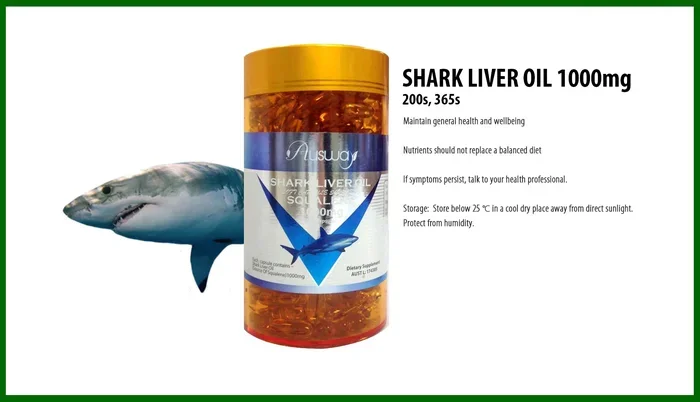
Shark liver oil and fish oil both offer powerful omega-3 fatty acids but serve different health needs. Shark liver oil is rich in squalene and vitamin A, making it a standout for immune support and skin health. Fish oil is better known for heart health and inflammation relief. The right choice depends on your specific health goals.
When it comes to omega-3 supplements, most people reach for fish oil. It is the most popular choice on the shelf. But there is another option that deserves your attention. Shark liver oil has been used for centuries in traditional medicine. Today, it is gaining traction as a powerful dietary supplement. But the real question is, is shark liver oil better than fish oil? The answer is not a simple yes or no. Each oil has unique strengths. And the best choice depends on what you are trying to achieve for your health.
In this guide, we will break down everything you need to know. We will compare the nutritional profiles, health benefits, side effects, and quality factors. By the end, you will know exactly which oil fits your needs. Let us dive in.
Key Takeaways
- Shark liver oil contains unique compounds: It provides squalene, vitamin A, and vitamin D that fish oil lacks in significant amounts.
- Fish oil is more researched: It has decades of clinical studies supporting its benefits for heart, brain, and joint health.
- Omega-3 content differs: Fish oil delivers higher EPA and DHA levels per serving compared to shark liver oil.
- Side effects vary: Shark liver oil can cause vitamin A toxicity if overused, while fish oil may lead to blood thinning at high doses.
- Quality matters: Both supplements vary widely in purity, sourcing, and manufacturing standards.
- They are not direct substitutes: Each oil targets different health priorities, so choosing depends on your individual needs.
📑 Table of Contents
- What Is Shark Liver Oil?
- What Is Fish Oil?
- Nutritional Comparison: Shark Liver Oil vs Fish Oil
- Health Benefits of Shark Liver Oil
- Health Benefits of Fish Oil
- Side Effects and Safety Considerations
- Which One Should You Choose?
- Expert Insights on Liver Oils and Omega-3 Supplements
- Key Takeaways
- Final Thoughts
What Is Shark Liver Oil?
Shark liver oil is exactly what it sounds like. It comes from the livers of deep-sea sharks. The most common species used are deep-sea sharks like the Centrophorus and Squalus species. These sharks live in cold, deep waters, and their livers are massive. In fact, the liver can make up 25% of a shark’s body weight. That is where the oil is extracted.
The oil is rich in several unique compounds. The most notable is squalene. Squalene is a natural antioxidant found in human skin. It plays a role in skin hydration and cell repair. Shark liver oil also contains vitamin A, vitamin D, and omega-3 fatty acids. These nutrients work together to support many body functions.
Historically, shark liver oil was used in Scandinavian countries to promote wound healing and boost immunity. It has a long track record of traditional use. Today, it is sold as a supplement in capsules and liquid form.
What Is Fish Oil?
Fish oil is one of the most widely used supplements in the world. It is extracted from the tissues of fatty fish like salmon, mackerel, sardines, and anchovies. The two star nutrients in fish oil are EPA (eicosapentaenoic acid) and DHA (docosahexaenoic acid). These are omega-3 fatty acids that your body cannot produce on its own.
Fish oil has been studied extensively. Thousands of clinical trials support its benefits. It is widely recommended by doctors for heart health, brain function, and inflammation control. You can find fish oil in capsules, softgels, and liquid form at virtually any pharmacy or health store.
When compared to other oils like flaxseed oil or krill oil, fish oil remains a top choice. Many people wonder, is fish oil better than krill oil? The answer depends on bioavailability and specific health goals. Fish oil offers a concentrated dose of EPA and DHA at a lower price point than many alternatives.
Nutritional Comparison: Shark Liver Oil vs Fish Oil
Understanding what each oil brings to the table is essential. Let us look at the key nutritional differences.
Omega-3 Content
Fish oil typically contains higher levels of EPA and DHA per serving. A standard 1,000 mg fish oil capsule may provide 180 mg of EPA and 120 mg of DHA. Shark liver oil contains omega-3s but in lower concentrations. The primary focus of shark liver oil is squalene, not omega-3s.
Squalene
This is where shark liver oil shines. Squalene is a powerful antioxidant. It supports skin health, immune function, and cellular repair. Fish oil contains very little squalene naturally. Some fish oil products are now adding squalene from plant sources, but shark liver oil remains the richest natural source.
Vitamins A and D
Shark liver oil naturally contains significant amounts of vitamin A and vitamin D. These fat-soluble vitamins are crucial for vision, immune health, and bone strength. Fish oil may contain small amounts of vitamin D but usually not vitamin A unless it is fortified.
| Nutrient | Shark Liver Oil (per serving) | Fish Oil (per serving) |
|---|---|---|
| EPA | Low to moderate | High |
| DHA | Low to moderate | High |
| Squalene | High | Very low |
| Vitamin A | High | Low or none |
| Vitamin D | Moderate | Low to moderate |
| Antioxidant activity | Strong | Moderate |
As you can see, these two oils are not direct competitors. They serve different primary purposes. If you want concentrated omega-3s, fish oil wins. If you want antioxidant support and vitamins, shark liver oil has the edge.
Health Benefits of Shark Liver Oil
Shark liver oil offers several health benefits that make it worth considering. Here are the most notable ones.
Immune System Support
Squalene in shark liver oil has been shown to stimulate the immune system. It helps activate white blood cells that fight infections. Some studies suggest that squalene can enhance the body’s response to vaccines. This makes shark liver oil a popular choice during cold and flu season.
Skin Health and Hydration
Squalene is naturally present in human skin oil. It helps lock in moisture and protect against environmental damage. Taking shark liver oil may improve skin elasticity and reduce dryness. The vitamin A content also supports cell turnover and wound healing. For those dealing with dry or aging skin, this oil can be a natural ally.
Anti-Inflammatory Properties
While shark liver oil is not as potent as fish oil for inflammation, it still has anti-inflammatory effects. The combination of omega-3s and squalene works together to reduce oxidative stress. This can benefit people with chronic inflammation or joint discomfort.
Cellular Health and Antioxidant Protection
The antioxidants in shark liver oil help neutralize free radicals. Free radicals cause cellular damage and accelerate aging. By reducing oxidative stress, shark liver oil may support long-term cellular health and longevity.
Health Benefits of Fish Oil
Fish oil is backed by a massive body of research. Here are the primary benefits supported by science.
Heart Health
Fish oil is one of the most recommended supplements for cardiovascular health. EPA and DHA help lower triglycerides, reduce blood pressure, and prevent plaque buildup in arteries. The American Heart Association recommends fish oil for heart health support. If you are concerned about heart disease, fish oil is a well-studied choice.
Brain Function and Mental Health
DHA makes up a large part of the brain’s structure. Adequate DHA intake supports memory, focus, and cognitive function. Studies have linked fish oil to reduced symptoms of depression and anxiety. The omega-3 benefits for mental health are well documented and continue to grow in research.
Joint Health and Inflammation
Fish oil is one of the most effective natural supplements for joint pain and stiffness. EPA helps reduce inflammatory chemicals in the body. People with arthritis or sports-related joint issues often turn to fish oil for relief. It is a safer long-term option compared to NSAIDs for many users.
Eye Health
DHA is also found in high concentrations in the retina. Regular fish oil intake supports eye health and may reduce the risk of age-related macular degeneration. This is another area where fish oil has strong research backing.
Side Effects and Safety Considerations
Both oils are generally safe when taken as directed. But they do come with potential side effects you should know about.
Shark Liver Oil Side Effects
- Vitamin A toxicity: This is the biggest concern. Too much vitamin A can cause headaches, nausea, and liver damage. Stick to recommended doses.
- Blood thinning: Shark liver oil may slow blood clotting at high doses.
- Digestive issues: Some users report fishy burps, nausea, or loose stools.
- Quality concerns: Shark liver oil can contain heavy metals or environmental contaminants if not properly purified.
Fish Oil Side Effects
- Fishy aftertaste: The most common complaint is fishy burps or a fishy taste.
- Blood thinning: High doses of fish oil can act as a blood thinner. This matters if you take blood-thinning medications.
- Digestive discomfort: Nausea and diarrhea can occur, especially at higher doses.
- Mercury concerns: Low-quality fish oil may contain trace amounts of mercury or other contaminants. Choose molecularly distilled products.
When comparing safety profiles, both oils require careful dosing. If you are on medication, especially blood thinners, consult your doctor before starting either supplement.
Which One Should You Choose?
The right choice depends on your health goals. Here is a simple guide to help you decide.
Choose shark liver oil if:
- You want immune system support
- You are looking for skin health benefits
- You need antioxidant protection
- You want a natural source of vitamin A and D
- You are interested in squalene supplementation
Choose fish oil if:
- Your primary goal is heart health
- You want to reduce inflammation or joint pain
- You are focused on brain function and mental health
- You need a concentrated source of EPA and DHA
- You want a supplement backed by extensive research
Some people choose to take both. This approach gives you the omega-3 benefits of fish oil along with the unique compounds in shark liver oil. If you go this route, make sure you do not exceed recommended daily doses of vitamin A from all sources combined.
It is also worth noting that shark liver oil is not the only alternative to fish oil. Some people explore is krill oil better than fish oil or is flaxseed oil better than fish oil depending on their dietary preferences and health needs. Krill oil offers better bioavailability of omega-3s, while flaxseed oil is a plant-based option rich in ALA. Each has its place in a well-rounded supplement routine.
Quality is critical regardless of which oil you choose. Look for products that are third-party tested for purity. Check for molecular distillation, which removes heavy metals and contaminants. Read labels carefully for EPA and DHA content per serving. A high-quality supplement is always better than a cheap one, no matter which oil you prefer.
Expert Insights on Liver Oils and Omega-3 Supplements
Nutrition experts often emphasize that no single supplement is a magic bullet. Omega-3 fatty acids are essential, but they work best as part of a balanced diet and healthy lifestyle. Dr. Mark Hyman, a well-known functional medicine practitioner, has noted that different omega-3 sources offer different benefits. He recommends rotating between various omega-3 sources to get a broader range of nutrients.
Some experts also point out that the bioavailability of nutrients matters greatly. Your body must be able to absorb and use what you consume. Shark liver oil’s squalene enhances absorption of fat-soluble vitamins, which can make it a valuable addition to your supplement stack. On the other hand, fish oil’s high EPA and DHA content ensures you are getting the most studied and proven omega-3 fatty acids.
If you are curious about other comparisons, many people ask, is fish oil better than flaxseed oil. The short answer is yes for EPA and DHA, since flaxseed only provides ALA, which converts poorly in the body. Similarly, those exploring liver-based supplements often compare cod liver oil vs fish oil. Cod liver oil is another excellent source of vitamins A and D combined with omega-3s, making it a middle ground between shark liver oil and standard fish oil.
Key Takeaways
- Shark liver oil and fish oil serve different purposes: One focuses on immune and skin health, the other on heart and brain health.
- Shark liver oil is rich in squalene, vitamin A, and vitamin D: These nutrients are not found in significant amounts in standard fish oil.
- Fish oil delivers higher EPA and DHA: These are the omega-3s most linked to heart, brain, and joint benefits.
- Both have potential side effects: Vitamin A toxicity is the main risk with shark liver oil, while blood thinning is the primary concern with fish oil.
- Quality matters for both: Always choose third-party tested, molecularly distilled products.
- They can complement each other: Taking both oils together can provide a wider range of health benefits.
Final Thoughts
So, is shark liver oil better than fish oil? The honest answer is that it depends on what you need. If you are looking for omega-3 fatty acids with strong research backing for heart and brain health, fish oil is the clear winner. It is affordable, widely available, and backed by thousands of studies.
But if you want immune support, skin health, and antioxidant protection, shark liver oil brings something unique to the table. Its high squalene content and natural vitamins make it a valuable supplement for specific health goals.
The best approach may be to use both strategically. Fish oil for your daily omega-3 needs and shark liver oil for targeted immune and skin support. As always, talk to your healthcare provider before starting any new supplement. They can help you determine the right dosage and ensure it does not interact with any medications you are taking.
Whichever you choose, prioritize quality. Look for reputable brands with transparent testing and sourcing practices. Your health is an investment, and the right supplement can make a real difference over time.
Frequently Asked Questions
Can I take shark liver oil and fish oil together?
Yes, you can take both together. They offer different benefits and do not interfere with each other. However, be mindful of total vitamin A intake from all sources. Keep your total vitamin A within the recommended daily limit to avoid toxicity.
Is shark liver oil safe for daily use?
Shark liver oil is generally safe for daily use when taken at recommended doses. The main risk is vitamin A toxicity if you exceed the suggested amount. Always follow the manufacturer’s dosing instructions and consult your doctor if you are unsure.
Which is better for joint pain, shark liver oil or fish oil?
Fish oil is generally better for joint pain. Its high EPA content directly targets inflammation in the joints. Shark liver oil has some anti-inflammatory properties but is not as potent for this specific purpose. For serious joint issues, fish oil or a combination approach is recommended.
Does shark liver oil contain mercury?
Poorly purified shark liver oil can contain heavy metals, including mercury. This is why you should always choose products that are third-party tested and molecularly distilled. Reputable brands ensure their shark liver oil is free from harmful contaminants.
Can shark liver oil improve skin health?
Yes, shark liver oil can support skin health. The squalene content helps moisturize and protect skin cells. Vitamin A promotes cell turnover and repair. Many people notice improved skin hydration and elasticity after consistent use of shark liver oil.
Is fish oil or shark liver oil better for heart health?
Fish oil is clearly better for heart health. It contains high levels of EPA and DHA, which are directly linked to cardiovascular benefits like reduced triglycerides and lower blood pressure. Shark liver oil does not provide these omega-3 levels in sufficient amounts for heart-specific support.