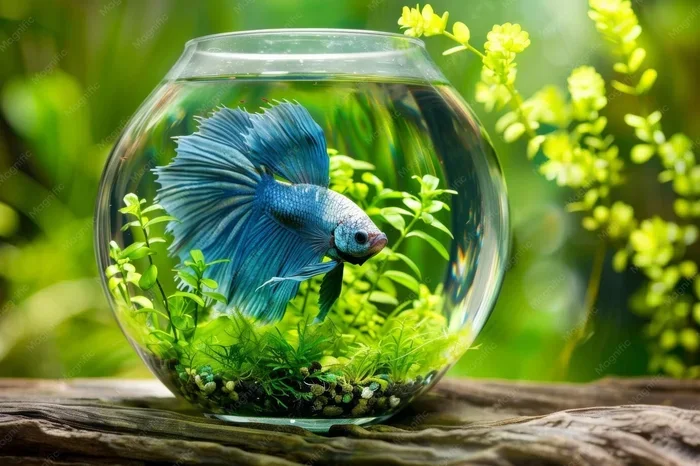
Is It Ok to Use a Mirror with Betta Fish

Using a mirror with betta fish can be a helpful tool for exercise and stimulation, but it must be done carefully. Mirrors trigger natural flaring behavior, which can benefit your betta’s physical and mental health when used in short sessions. However, too much mirror time can cause stress and exhaustion.
Is it ok to use a mirror with betta fish? This is a question many betta owners ask. The short answer is yes, but with important caveats. A mirror can be a useful tool for keeping your betta active and healthy. But using it the wrong way can cause harm. In this guide, we will cover everything you need to know about mirror use for betta fish.
Betta fish are intelligent creatures. They need stimulation to stay healthy. In the wild, bettas explore, hunt, and interact with their environment daily. A home tank can feel boring by comparison. That is where enrichment tools like mirrors come in. They can spark natural behaviors and keep your fish engaged. But like anything, balance is key.
Key Takeaways
- Mirror use is safe in moderation: Short sessions of 5 to 10 minutes can provide beneficial exercise and mental stimulation for your betta fish.
- Overuse causes stress: Prolonged mirror exposure can exhaust your betta and lead to health problems, so timing is critical.
- Flaring is natural behavior: Mirrors trigger a betta’s instinct to flare, which helps keep their fins and muscles strong.
- Never use a mirror during feeding or illness: These are times when your betta needs rest, not stimulation.
- Monitor your betta’s reaction: Every fish is different. Watch for signs of stress and adjust mirror sessions accordingly.
- Combine mirrors with other enrichment: Mirrors work best as part of a broader enrichment plan that includes plants and proper tank setup.
📑 Table of Contents
- What Happens When a Betta Sees Its Reflection
- Benefits of Using a Mirror with Betta Fish
- Risks of Using a Mirror with Betta Fish
- How to Safely Use a Mirror with Your Betta
- Signs Your Betta Is Stressed by the Mirror
- Mirror Alternatives for Betta Enrichment
- Can You Use a Mirror Every Day?
- What About Female Betta Fish and Mirrors?
- Conclusion
What Happens When a Betta Sees Its Reflection
When a betta fish sees its own reflection, it thinks it is another male betta. This triggers a natural response called flaring. Your betta will spread its fins, puff its gills, and may even change color. This is completely normal behavior. It is part of how bettas establish territory in the wild.
The Flaring Response
Flaring is a built-in survival instinct. In nature, male bettas defend their space from rivals. Seeing another male nearby means it is time to show strength. A mirror tricks your betta into thinking there is a competitor nearby. The result is a full display of fin spreading and color changes. Some bettas flare intensely, while others are more subtle.
Here is what typically happens during a mirror session:
- The betta notices the reflection and stops moving.
- The fins begin to spread outward slowly.
- The body may tilt slightly toward the mirror.
- Coloration often deepens or becomes more vibrant.
- The betta may flare for several seconds up to a few minutes.
After the session ends, most bettas return to normal behavior quickly. They may swim around more actively or rest briefly. This pattern is healthy and expected.
Benefits of Using a Mirror with Betta Fish
Mirror sessions offer real benefits when done correctly. Let us look at why many experienced betta keepers use mirrors as part of their care routine.
1. Exercise and Muscle Tone
Flaring is a physical activity. It engages the fins, gills, and core muscles. In a small tank, bettas do not always get enough movement. A brief mirror session gives them a workout. Think of it like a quick stretch for your fish. Over time, this can help maintain strong fins and healthy muscles.
2. Mental Stimulation
Boredom affects betta fish just like it affects other pets. A dull tank with nothing to do can lead to lethargy. Mirror use breaks up the monotony. It gives your betta something to react to and engage with. This kind of mental stimulation is important for overall well-being. If you want to learn more about enriching your betta’s life, check out how to grow a bond with your betta fish for additional bonding tips.
3. Color Enhancement
Many betta owners notice brighter colors after mirror sessions. This happens because flaring increases blood flow and triggers natural color responses. A well-flared betta often looks more vivid and stunning. Regular, controlled mirror use can help bring out the best in your fish’s natural coloring.
4. Behavior Observation
Mirror sessions give you a chance to observe your betta closely. You can watch how it reacts, how long it flares, and how quickly it calms down. These observations help you understand your fish better. If your betta never flares, that could signal a health or confidence issue worth investigating.
Risks of Using a Mirror with Betta Fish
While mirrors have benefits, there are real risks if you overdo it. Understanding these dangers is just as important as knowing the benefits.
1. Stress and Exhaustion
The biggest risk is overstimulation. A betta that flares too long or too often becomes stressed. Chronic stress weakens the immune system. It can lead to illness and a shortened lifespan. A stressed betta may stop eating, hide constantly, or develop faded colors. These are warning signs you should never ignore.
2. Territorial Aggression Buildup
Every mirror session tells your betta there is a rival nearby. If you do this too often, your fish stays in a constant state of alert. This can cause ongoing agitation. Some bettas become more aggressive in their tank after frequent mirror use. They may direct that energy toward tank mates or even themselves.
3. Disrupted Rest Patterns
Betta fish need rest. A mirror session too close to bedtime can keep your fish wired. It may have trouble settling down for the night. Poor rest affects mood, appetite, and health. Always schedule mirror time well before lights-out in your home.
How to Safely Use a Mirror with Your Betta
Now that you know the benefits and risks, here is how to use a mirror safely. Following these guidelines will keep your betta happy and healthy.
Step-by-Step Mirror Session Guide
- Choose a small, hand-held mirror. Avoid large mirrors that reflect too much of the tank.
- Place the mirror against the outside of the tank glass.
- Let your betta notice the reflection on its own. Do not force interaction.
- Watch for flaring behavior. Once your betta starts flaring, note the time.
- Keep the session to 5 to 10 minutes maximum.
- Remove the mirror slowly. Do not slam it or move it suddenly.
- Observe your betta for the next 30 minutes to check for signs of stress.
Best Times for Mirror Sessions
Timing matters more than you might think. The best time for a mirror session is in the morning or early afternoon. This is when bettas are naturally most active. Avoid mirror use right before you turn off the lights. Your betta needs time to wind down before sleeping.
Also, never use a mirror right after feeding. Digestion requires rest. Using a mirror too close to mealtime can cause your betta to spit out food or refuse to eat. Keep at least a one-hour gap between feeding and mirror time.
How Often Should You Use a Mirror?
Two to three times per week is a good rule of thumb. This gives your betta enough stimulation without overdoing it. Some keepers do it daily, but that is not necessary. Your betta also gets enrichment from its environment. Tank plants, decorations, and swimming space all contribute to a stimulating home.
If you are setting up a new tank or thinking about habitat design, learning how to setup a betta fish bowl with a plant can provide natural enrichment that reduces the need for constant mirror sessions.
Signs Your Betta Is Stressed by the Mirror
Not every betta reacts to mirrors the same way. Some love flaring, while others become anxious. Learning to read your fish is essential. Here are signs that mirror use is causing stress:
- Refusing to eat after a mirror session.
- Hiding constantly behind plants or decorations.
- Clamped fins held close to the body.
- Rapid breathing or gasping at the surface.
- Loss of color that does not return within an hour.
- Erratic swimming or darting around the tank.
If you notice any of these signs, stop mirror sessions immediately. Give your betta time to recover. You may need to reduce the frequency or shorten the duration of sessions. Every fish has a different tolerance level, and respecting that is part of being a good keeper.
Keeping your betta healthy goes beyond mirror use. Water quality plays a huge role in your fish’s stress levels. If you want to learn more about maintaining a clean environment, explore how to clean a betta fish tank with a filter for practical maintenance tips.
Mirror Alternatives for Betta Enrichment
Mirrors are not the only way to enrich your betta’s life. There are many other options that provide stimulation without the risks of over-flaring. Consider adding these to your routine:
- Live plants: Plants like java fern or anubias give your betta places to explore and rest. They also improve water quality.
- Floating logs: Betta fish love resting on floating logs. These provide a natural feel to the tank.
- Gentle water flow: A sponge filter creates movement that bettas enjoy. It also helps with tank maintenance.
- Training sessions: You can actually train a betta fish to do tricks. This is a great form of bonding and enrichment.
- New decorations: Occasionally rearranging tank decor gives your betta a fresh environment to explore.
Using a combination of enrichment methods is the best approach. Mirrors should be just one tool in your care toolkit. A well-rounded setup keeps your betta healthy, active, and colorful.
Can You Use a Mirror Every Day?
Daily mirror use is not recommended. Even though it might seem harmless, daily sessions can lead to chronic stress. Your betta never gets a chance to fully relax between flaring episodes. This constant state of alertness takes a toll over time. Stick to a schedule of two to three times per week for the best results.
What About Female Betta Fish and Mirrors?
Female bettas can also benefit from mirror sessions. They flare less intensely than males, but they still respond to reflections. The same rules apply. Keep sessions short and watch for signs of stress. Female bettas are generally more tolerant of stimulation, but every individual fish is different.
Remember that keeping betta fish at home is a rewarding experience that requires attention to detail. Small choices like mirror use may seem minor, but they add up over time. A thoughtful approach to enrichment helps your betta thrive for years.
Conclusion
So, is it ok to use a mirror with betta fish? Yes, when done correctly. Mirror use offers real benefits including exercise, mental stimulation, and color enhancement. But it must be done in moderation. Keep sessions short, limit frequency, and always watch your fish for signs of stress. A mirror is a tool, not a necessity. Used wisely, it can be a valuable part of your betta care routine. Your fish will thank you with vibrant colors and active, happy behavior.
Frequently Asked Questions
Is a mirror bad for betta fish?
A mirror is not bad when used correctly. Short sessions of 5 to 10 minutes a few times per week are safe and beneficial. However, prolonged or daily mirror use can cause stress and exhaustion. Always monitor your betta’s reaction and adjust accordingly.
How long should I leave a mirror in front of my betta fish?
Keep mirror sessions to 5 to 10 minutes. This is enough time to trigger healthy flaring behavior without causing fatigue. Remove the mirror as soon as your betta stops reacting, and never exceed 10 minutes per session.
Can a mirror make my betta fish aggressive?
Frequent mirror use can contribute to ongoing aggression. When a betta flares too often, it can stay in a heightened state of alert. This may lead to territorial behavior in the tank. Limit mirror sessions to avoid this problem.
Do betta fish recognize their own reflection?
Betta fish do not recognize their reflection as themselves. They interpret it as another male betta intruding on their territory. This is why they flare and display. Over time, some bettas may become less reactive, but they generally do not understand it is their own image.
Should I use a mirror if my betta fish is sick?
No. A sick betta needs rest, not stimulation. Mirror use adds stress that a weakened fish cannot handle. Focus on proper treatment and a calm environment. Wait until your betta has fully recovered before introducing mirror sessions again.
What is the best type of mirror to use with a betta fish?
A small, hand-held mirror works best. It gives you control over the size and duration of the reflection. Avoid large mirrors that show too much of the tank. A compact mirror held against the outside glass is simple and effective for safe sessions.
=== INTERNAL LINKS ===
If you enjoyed learning about mirror use, you might also enjoy these related articles about betta fish care.