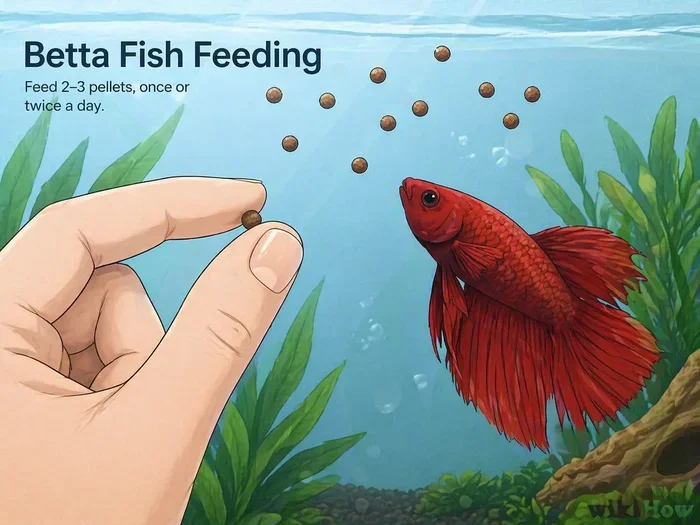
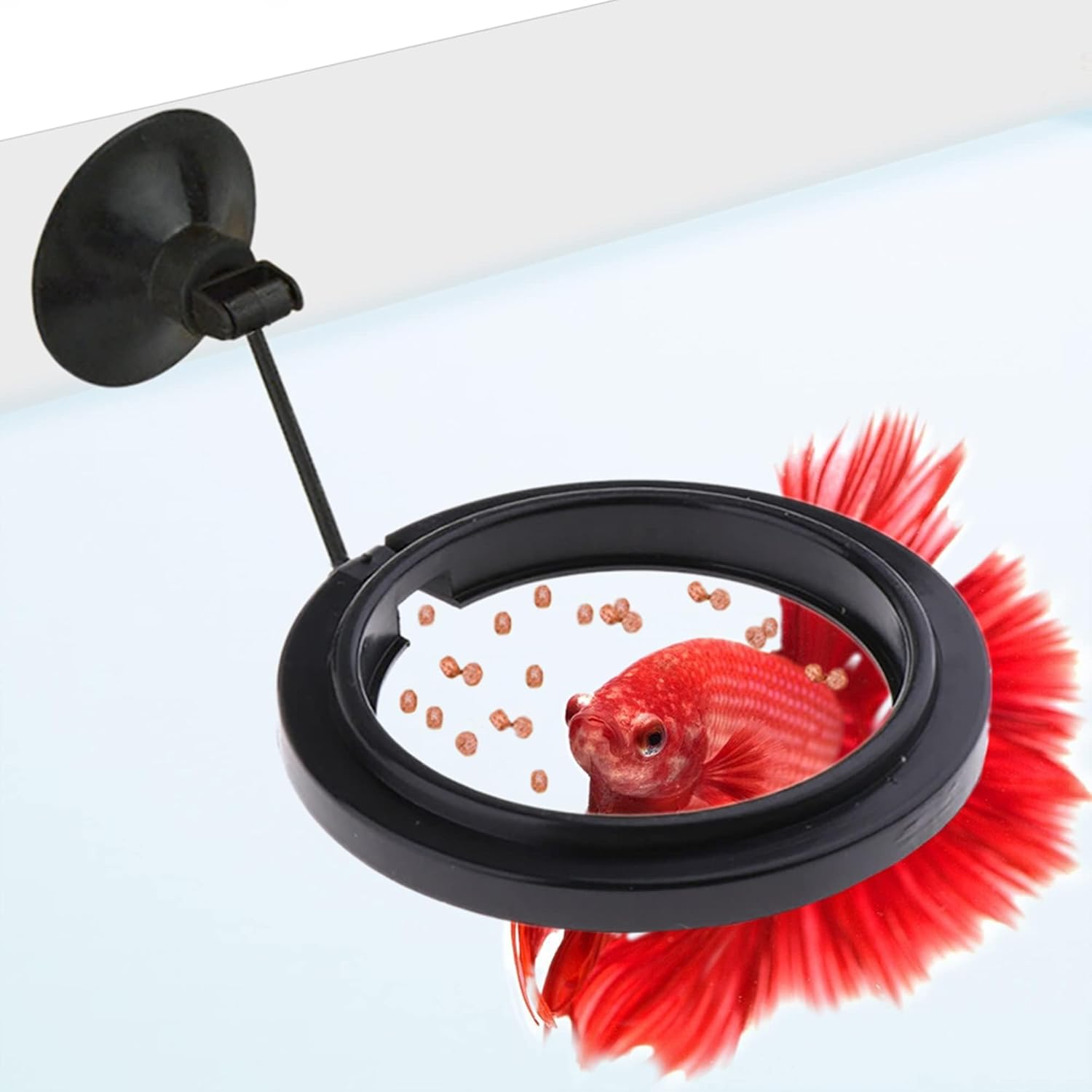
Is Biotin or Fish Oil Better
When it comes to betta fish health, both biotin and fish oil play important roles. Biotin supports healthy skin, fins, and cellular energy, while fish oil delivers omega-3 fatty acids that reduce inflammation and boost overall vitality. Choosing between them depends on your fish’s specific needs, but many aquarists find that combining both offers the best results.
Choosing the right supplement for your betta fish can feel overwhelming. You see shelves full of bottles and online articles that all claim to be the best. Two popular options that come up again and again are biotin and fish oil. But which one actually deserves a spot in your betta’s routine?
The truth is, both biotin and fish oil omega-3 offer real benefits. They just serve different purposes. Biotin works primarily on the inside at a cellular level, helping with skin, fins, and energy production. Fish oil brings omega-3 fatty acids that support heart health, reduce swelling, and keep your fish’s colors bright. Understanding what each one does makes it much easier to decide what your betta really needs.
In this guide, we break down everything you need to know. We compare their benefits, look at when to use each one, and help you avoid common mistakes. By the end, you will feel confident about which supplement fits your betta fish care routine best.
Key Takeaways
- Biotin helps betta fish maintain healthy skin, fins, and mucus layers, which are essential for protection against disease.
- Fish oil provides omega-3 fatty acids that support heart health, reduce inflammation, and promote vibrant color in bettas.
- Neither supplement is a one-size-fits-all solution, and the best choice depends on your fish’s current health and diet.
- Most betta fish benefit from a quality fish oil supplement because their regular diet often lacks sufficient omega-3s.
- Biotin is especially useful during molting or fin regrowth, when the body needs extra support for cell repair.
- Always consult a vet or aquatic specialist before adding new supplements to your betta’s tank.
- Overdosing on either supplement can cause problems, so stick to recommended dosages carefully.
📑 Table of Contents
- What Does Biotin Do for Betta Fish?
- What Does Fish Oil Do for Betta Fish?
- Biotin vs Fish Oil: Head-to-Head Comparison
- Can You Use Both Biotin and Fish Oil Together?
- Common Mistakes to Avoid When Supplementing Bettas
- Expert Insights on Betta Fish Supplements
- Final Verdict: Is Biotin or Fish Oil Better?
What Does Biotin Do for Betta Fish?
Biotin is a water-soluble vitamin, also known as vitamin B7 or vitamin H. It plays a key role in helping your betta’s body convert food into energy. But its benefits go far beyond just metabolism.
Biotin and Healthy Skin and Fins
One of the most notable benefits of biotin for bettas is its role in maintaining healthy skin and fins. Betta fish have delicate fin membranes that can tear or deteriorate over time. Biotin supports cell repair and growth, which helps fins stay intact and look full and vibrant.
Biotin also helps maintain the mucus layer that covers a betta’s body. This layer acts as a shield against bacteria, fungi, and parasites. When your fish has enough biotin, this protective barrier stays strong. That means fewer chances of infections and diseases.
Biotin Deficiency in Betta Fish
A lack of biotin can cause real problems. Signs of biotin deficiency in bettas include faded colors, frayed fins, slow healing from injuries, and general lethargy. Some fish may also develop flaky or dull skin.
In most cases, a quality pellet or flake diet provides enough biotin. But if your betta is recovering from illness or fin damage, a little extra biotin can give the body the boost it needs to heal faster.
How to Supplement Biotin
Biotin supplements for fish come in liquid and powder forms. You can add liquid biotin directly to the tank water or mix it with food. The key is to keep the dosage low. More is not always better with water-soluble vitamins, because the body simply flushes out what it does not need.
Quick Tip: If you are feeding your betta frozen or live food like brine shrimp, you can soak the food in a tiny amount of biotin solution before feeding. This ensures your fish absorbs the nutrient directly.
What Does Fish Oil Do for Betta Fish?
Fish oil is one of the most widely used supplements in the aquarium hobby. It is packed with omega-3 fatty acids, particularly EPA and DHA. These fatty acids are essential for many bodily functions in bettas.
Omega-3 Fatty Acids and Betta Health
Omega-3 fatty acids are not something your betta’s body can produce on its own. They must come from the diet. In the wild, bettas get omega-3s from insects, larvae, and small crustaceans. In captivity, the processed pellets and flakes they eat often lack sufficient amounts.
Fish oil fills this gap. It supports heart function, helps the brain develop and stay sharp, and keeps the immune system strong. Fish oil benefits also include reducing chronic inflammation, which can be a hidden problem in many aquarium fish.
Fish Oil for Color and Vibrancy
Betta fish are famous for their stunning colors. Fish oil can help enhance those colors by promoting healthy skin cells and reducing inflammation that can dull the appearance. Many aquarists report that their bettas look more vibrant and active after adding a quality fish oil supplement to their routine.
Fish Oil Dosage for Bettas
Fish oil is typically added to food rather than directly into the water. You can use a dropper to add a tiny amount to frozen or pellet food before feeding. A little goes a long way. Too much fish oil can make the water cloudy and even cause digestive issues for your fish.
Quick Tip: Start with a small amount, about the size of a grain of rice soaked in fish oil, once every other day. Monitor your betta’s behavior and adjust from there.
Biotin vs Fish Oil: Head-to-Head Comparison
Now that we understand what each supplement does, let us put them side by side. This comparison will help you see which one fits your betta’s needs more closely.
| Factor | Biotin | Fish Oil |
|---|---|---|
| Primary Benefit | Skin, fin, and cell health | Heart, brain, and inflammation control |
| Key Nutrient | Vitamin B7 | Omega-3 fatty acids (EPA and DHA) |
| Best For | Fin repair, molting, immune barrier | Overall vitality, color enhancement, joint health |
| Form | Liquid or powder | Liquid or capsule |
| Overdose Risk | Low (water-soluble) | Moderate (can cause oily water) |
| Cost | Low | Low to moderate |
| Ease of Use | Easy to add to food or water | Easy to add to food |
As you can see, these two supplements are not really competing with each other. They work on different systems in the body. Fish oil omega-3 addresses internal health and inflammation, while biotin focuses on external structures like skin and fins.
When Biotin Is the Better Choice
Biotin shines in specific situations. If your betta is recovering from fin rot or physical injury, biotin helps speed up the repair process. During molting or when your fish is shedding its old mucus layer, extra biotin supports the growth of a fresh protective barrier. Biotin is also a great choice if your fish shows signs of dull skin or slow healing.
When Fish Oil Is the Better Choice
Fish oil takes the lead when it comes to overall wellness. If your betta seems lethargic, has dull colors, or shows signs of chronic inflammation, fish oil can make a noticeable difference. Fish oil is also the better option for long-term daily use because it supports multiple body systems at once.
For a well-rounded betta fish supplement routine, many experienced aquarists recommend using both. They serve complementary roles and together provide a more complete nutritional profile.
Can You Use Both Biotin and Fish Oil Together?
Yes, you absolutely can. In fact, combining biotin and fish oil can create a powerful synergy for your betta’s health. Biotin handles the structural side, keeping skin and fins strong, while fish oil takes care of the internal systems like the heart, brain, and immune response.
The key is to keep both dosages low and consistent. Start by introducing one supplement at a time. Wait a week or two to see how your fish responds before adding the second one. This approach helps you identify any negative reactions and keeps things simple.
Quick Tip: Always feed supplements with food. This ensures your betta actually ingests the nutrients rather than them simply dissolving into the water where they may go to waste.
Common Mistakes to Avoid When Supplementing Bettas
Even well-meaning fish keepers can make mistakes when it comes to supplements. Here are the most common ones to watch out for.
- Overdosing: More does not mean better. Too much fish oil can pollute the water, and excess biotin can alter water chemistry over time. Stick to the recommended amounts on the label.
- Skipping a balanced diet: Supplements are not a replacement for good food. If your betta is not eating quality pellets or flakes, no supplement will fix the problem. A healthy diet comes first.
- Ignoring water quality: No supplement can compensate for dirty water. Always maintain proper filtration and regular water changes before adding anything new to the tank.
- Using human-grade supplements: Human biotin or fish oil products may contain additives that are harmful to fish. Always choose products designed for aquarium use or consult an aquatic veterinarian.
- Expecting overnight results: Supplements work gradually. Give your betta at least two to four weeks to show visible improvements before changing the dosage.
Expert Insights on Betta Fish Supplements
According to aquatic veterinarians, the best approach to betta supplementation is a targeted one. Rather than loading your fish with every supplement available, focus on what your specific fish needs. If your betta has torn fins or slow healing, biotin is a logical first step. If your fish seems sluggish or has faded colors, fish oil is worth trying.
Many experts also recommend looking at the overall aquarium fish nutrition before reaching for supplements. A high-quality diet that includes variety, such as frozen bloodworms, daphnia, and quality pellets, covers many nutritional bases naturally. Supplements should fill the gaps, not replace a solid foundation.
Expert Insight: “The best supplement routine is one that matches the fish’s current life stage and health status,” says Dr. Emily Chen, a veterinarian specializing in aquatic species. “Young, active bettas may benefit more from fish oil for energy and growth, while older fish recovering from illness may need extra biotin for tissue repair.”
Final Verdict: Is Biotin or Fish Oil Better?
The answer to “is biotin or fish oil better” really depends on what your betta fish needs most right now. If your fish needs help with skin, fins, or recovery from injury, biotin is the stronger choice. If you want to boost overall health, reduce inflammation, and enhance color, fish oil takes the lead.
For most betta owners, a combination of both provides the most complete support. They work on different areas of health and do not interfere with each other when used correctly. Start with one, monitor your fish, and then add the second if needed.
Remember, the best supplement in the world cannot replace good water quality, proper feeding, and a stress-free environment. Always focus on the basics first, and then use biotin or fish oil to give your betta that extra edge for a long, healthy, and colorful life.
Before you decide, take a close look at your betta. Does it need fin repair and skin support? Go with biotin. Does it need an overall health boost? Choose fish oil. And if your fish could use both, then by all means, give it both. Your betta will thank you with vibrant colors and lively behavior.
Frequently Asked Questions
Can I give my betta fish biotin and fish oil at the same time?
Yes, you can give both supplements together. They work on different systems in the body and do not conflict with each other. Start with one supplement first, wait a week or two, and then introduce the second one to monitor how your fish responds to each.
How long does it take for biotin or fish oil to work in bettas?
Most aquarists notice visible improvements within two to four weeks of consistent use. Biotin may show faster results for fin and skin repair, while fish oil benefits like improved color and energy levels may take a bit longer to become apparent. Patience is key with any supplement.
What is the best form of fish oil for betta fish?
Liquid fish oil designed for aquarium use is the most popular and effective option. It is easy to mix with food and allows for precise dosing. Avoid using human-grade fish oil capsules, as they may contain fillers or additives that are not safe for fish.
Can too much biotin harm my betta fish?
Biotin is water-soluble, which means the body flushes out what it does not need. However, excessive amounts can still alter water chemistry over time. Always follow the recommended dosage on the product label and avoid doubling up on supplements without guidance.
Is fish oil necessary if I feed my betta high-quality pellets?
High-quality pellets provide a solid nutritional foundation, but they often lack sufficient omega-3 fatty acids. Adding a small amount of fish oil can fill this gap and provide extra benefits for heart health, inflammation control, and color enhancement. Think of it as a nutritional boost rather than a necessity.
Are there natural food sources of biotin and fish oil for bettas?
Yes, biotin is naturally found in foods like egg yolks, liver, and some vegetables. For fish oil omega-3s, live or frozen foods such as brine shrimp, daphnia, and bloodworms provide natural sources. A varied diet rich in these foods can reduce the need for additional supplements in many cases.
=== CONCLUSION ===
So, is biotin or fish oil better? The honest answer is that both have unique and valuable roles in betta fish care. Biotin keeps your fish’s skin and fins strong, while fish oil supports heart health, reduces inflammation, and brings out vibrant colors. Rather than choosing one over the other, consider how each one fits into your fish’s current needs.
Start with what your betta lacks most, whether that is structural repair from biotin or internal wellness from fish oil. And remember, the best fish oil supplement or biotin product is one that fits your routine, fits your budget, and most importantly, fits your fish. With the right approach, your betta will thrive for years to come.
If you want to dive deeper into specific supplement comparisons, check out our guides on which is better fish oil or omega 3 6 9 and which is better fish oil or multivitamin for more detailed insights. You might also find our article on fish oil capsules vs liquid helpful when deciding on the best form for your tank.