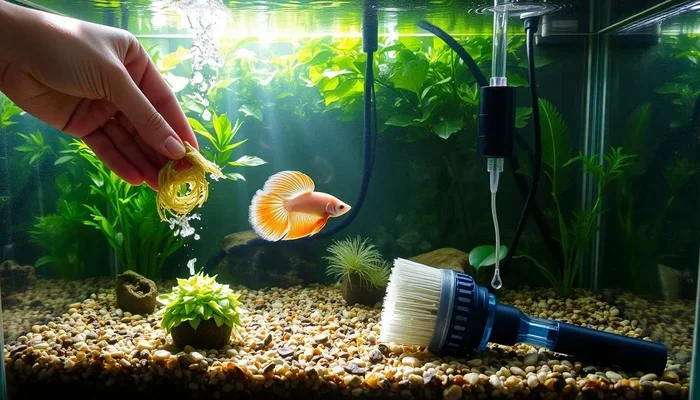
Is Black Silicone Better Than Clear for a Fish Tank

Black silicone and clear silicone each have unique advantages for fish tank construction. Black silicone hides seams better and resists algae visibility, while clear silicone offers a natural, unobtrusive look. Both must be 100% aquarium-safe silicone free from harmful additives.
When you are building or repairing a fish tank, the type of silicone you choose can make or break the project. One question hobbyists ask constantly is whether black silicone is better than clear for a fish tank. The answer is not as simple as yes or no. Both options have real benefits, and the right choice depends on your tank setup, your fish, and what you want the tank to look like.
If you are setting up a betta fish tank, the silicone you use matters even more. Betta fish are sensitive to water quality, and any chemicals leaching from non-aquarium-safe materials can cause serious health problems. This guide walks you through everything you need to know about black versus clear silicone so you can make a confident, informed decision.
We will cover safety, appearance, durability, and application tips. By the end, you will know exactly which silicone color fits your needs. Let us dive in.
Key Takeaways
- Black silicone hides seams and joints better than clear, giving your tank a cleaner, more professional appearance.
- Clear silicone provides a natural look that blends seamlessly with the glass, making it ideal for display tanks.
- Both types must be 100% aquarium-safe and free from mold inhibitors or toxic additives that harm fish.
- Black silicone may show fewer water spots and residue marks compared to clear silicone over time.
- Application technique matters more than color — proper curing and sealing ensure a leak-free tank regardless of silicone type.
- Consider your tank setup and décor when choosing between black and clear silicone for the best visual result.
📑 Table of Contents
- What Is Aquarium Silicone and Why Does It Matter?
- Black Silicone vs Clear Silicone: Head-to-Head Comparison
- Pros and Cons of Black Silicone for Fish Tanks
- Pros and Cons of Clear Silicone for Fish Tanks
- How to Choose the Right Silicone for Your Betta Tank
- Expert Tips for Applying Silicone in Fish Tanks
- Common Mistakes to Avoid When Choosing Aquarium Silicone
- Conclusion
What Is Aquarium Silicone and Why Does It Matter?
Aquarium silicone is a special type of sealant used to bond glass panels together in fish tanks. It also seals seams, edges, and any gaps where water could leak. Not all silicone is created equal, and using the wrong kind can be dangerous for your fish.
Regular household silicone often contains mold inhibitors, anti-fungal agents, or other chemicals that are toxic to aquatic life. These additives can leach into the water and poison your fish. This is why you must always use 100% aquarium-safe silicone. Look for products labeled as non-toxic and safe for freshwater aquariums.
The two most common colors for aquarium silicone are black and clear. Both serve the same core function — bonding glass and preventing leaks — but they differ in appearance, visibility, and how they interact with your tank environment. Black silicone has become increasingly popular among hobbyists, while clear silicone remains the classic choice for many builders.
If you are new to fish tank setup, check out our guide on how to set up a fish tank for betta fish for more foundational tips. Understanding your tank materials is a big part of creating a safe home for your betta.
Black Silicone vs Clear Silicone: Head-to-Head Comparison
Let us break down the differences between black and clear silicone side by side. This comparison will help you see which option works best for your situation.
Appearance and Aesthetics
Black silicone creates dark, almost invisible seams between glass panels. This gives your tank a sleek, modern look. Many professional aquariums and high-end custom tanks use black silicone for this reason. The dark lines blend into the background and make the glass seem like one solid piece.
Clear silicone, on the other hand, nearly disappears in a different way. When applied correctly, clear silicone becomes almost invisible once cured. It lets the natural beauty of the glass shine through. For display tanks where you want the focus on the fish and plants, clear silicone can be the better choice.
Think about your tank’s overall design. If you have a dark substrate or background, black silicone will look seamless. If you have a light-colored or natural setup, clear silicone may blend in better.
Algae Visibility and Maintenance
One big advantage of black silicone is that algae growth on seams is much less noticeable. Algae is a natural part of any aquarium, and it will grow on almost every surface. When algae appears on clear silicone seams, it stands out and can make your tank look dirty even after cleaning.
With black silicone, algae blends right in. You will not notice the growth on the seams nearly as much. This means less frequent cleaning of the seams and a tank that looks cleaner for longer.
Clear silicone shows every bit of algae, mineral deposits, and water spots. You may find yourself wiping down the seams more often to keep the tank looking tidy.
Durability and Longevity
Both black and clear aquarium silicone are durable when properly applied. The color of the silicone does not significantly affect its lifespan or bonding strength. What matters most is the quality of the silicone itself and how well it was applied.
High-quality 100% silicone — whether black or clear — can last for many years without cracking or losing its seal. The key is to choose a product that is specifically designed for aquarium use and to follow proper curing times before adding water.
Cost Comparison
There is usually very little price difference between black and clear aquarium silicone. Both colors are widely available and affordable. A standard tube of aquarium-safe silicone typically costs between $5 and $15, depending on the brand and size.
Black silicone is sometimes slightly more expensive because it is less common and requires different pigments. However, the difference is usually minimal and should not be a deciding factor on its own.
| Feature | Black Silicone | Clear Silicone |
|---|---|---|
| Seam Visibility | Nearly invisible on dark backgrounds | Nearly invisible when cured |
| Algae Visibility | Hard to see, low maintenance | Very noticeable, requires frequent cleaning |
| Natural Look | Modern, sleek appearance | Classic, transparent finish |
| Water Spot Visibility | Less noticeable | More noticeable |
| Durability | Equal to clear when quality is the same | Equal to black when quality is the same |
| Cost | Slightly higher in some cases | Widely available and affordable |
| Best For | Dark-themed tanks, professional builds | Natural-looking tanks, display setups |
Pros and Cons of Black Silicone for Fish Tanks
Black silicone has earned a strong reputation among aquarium hobbyists. Here is a closer look at the advantages and disadvantages.
Pros of Black Silicone
- Seams blend in beautifully — especially with dark backgrounds or black-coated tank edges.
- Algae on seams is barely visible, reducing maintenance efforts.
- Professional, polished look that mimics high-end aquarium builds.
- Water spots and residue marks are less noticeable on dark silicone.
- Great for planted tanks with dark substrates where seams would otherwise stand out.
Cons of Black Silicone
- Harder to detect leaks because the dark color masks water seepage. You may not notice a small leak until it becomes a bigger problem.
- Less versatile for light-colored tanks — black seams can look out of place on white or transparent setups.
- Slightly harder to find in some local stores, though online options are abundant.
- Not ideal for reef or coral tanks where you want the brightest, cleanest possible appearance.
Pros and Cons of Clear Silicone for Fish Tanks
Clear silicone has been the go-to choice for aquarium builders for decades. It has its own set of strengths and weaknesses.
Pros of Clear Silicone
- Natural, clean appearance that works with any tank color or theme.
- Easy to spot leaks because water seepage is visible against the clear silicone.
- Widely available in most hardware and pet stores.
- Great for light-colored and natural-themed tanks where dark seams would look awkward.
- Perfect for viewing-focused tanks where you want nothing to distract from the fish.
Cons of Clear Silicone
- Algae growth is very visible on clear seams, making the tank look dirty faster.
- Water spots and mineral deposits show up easily and require frequent wiping.
- Seams can stand out more than expected, especially in well-lit tanks.
- May yellow over time with exposure to sunlight or UV lighting.
How to Choose the Right Silicone for Your Betta Tank
Choosing between black and clear silicone comes down to a few key factors. Let us walk through them so you can pick with confidence.
Consider Your Tank Setup
Think about your tank’s overall design. What color is your substrate? What background are you using? What lighting do you have? These factors all influence how silicone seams will look once the tank is filled and running.
For a betta fish tank with a dark background and black gravel, black silicone is almost certainly the better choice. For a light, natural-looking tank with plants and light sand, clear silicone will blend in more naturally.
If you are still deciding on your tank setup, check out our article on what all you need for a betta fish tank for a complete supply list.
Think About Maintenance
How much time do you want to spend cleaning? If you prefer low-maintenance tanks, black silicone has the edge. The seams stay looking clean longer because algae and water spots are harder to see.
If you enjoy hands-on tank maintenance and do not mind wiping down seams regularly, clear silicone will work just fine. Many hobbyists find the cleaning routine part of the relaxing experience of owning a fish tank.
Safety First
No matter which color you choose, safety must come first. Always use 100% aquarium-safe silicone. Avoid any product that lists mold inhibitors, anti-fungal agents, or chemicals not labeled as aquarium-safe.
Look for silicone that is explicitly labeled as “aquarium safe” or “fish tank safe.” Some brands that are widely trusted in the aquarium community include GE Silicone I (clear, 100% silicone) and various black aquarium-specific silicones. Always double-check the label before purchasing.
If you are curious about what else goes into a safe betta tank setup, read our guide on what is the best tank for betta fish to understand the full picture of safe tank construction.
Check Your Tank Size and Shape
The size and shape of your tank can also influence your silicone choice. Larger tanks with more glass panels benefit from strong, reliable bonding. Both black and clear silicone provide equal strength when applied correctly.
For smaller tanks, such as a 5 gallon tank for betta fish, the silicone choice matters less structurally but more aesthetically. A small tank with visible seams can look cluttered, so many hobbyists prefer black silicone even in smaller setups.
You can learn more about tank sizing in our article on is a 5 gallon tank good for a betta fish.
Expert Tips for Applying Silicone in Fish Tanks
No matter which color you choose, proper application is critical. A poorly applied silicone seam will leak regardless of whether it is black or clear. Here are some expert tips to ensure a strong, lasting seal.
Surface Preparation
Before applying any silicone, make sure all glass surfaces are clean and dry. Wipe down the edges with rubbing alcohol to remove any dust, oils, or residue. A clean surface ensures the silicone bonds properly and creates a watertight seal.
Apply Even Pressure
Use a caulking gun or a steady hand to apply a consistent bead of silicone. The bead should be smooth and even, without gaps or thin spots. Press the glass panels together firmly and use masking tape to hold them in place while the silicone cures.
Allow Proper Curing Time
Most aquarium silicones need 24 to 48 hours to cure fully. Some brands recommend waiting up to 72 hours before adding water. Do not rush this step. Adding water too early can weaken the seal and cause leaks.
Test for Leaks
After filling your tank, inspect every seam carefully for leaks. Place a dry paper towel along each seam and look for water droplets. Even with black silicone, small leaks can sometimes be detected by feeling for dampness along the seam.
Use the Right Amount
Too much silicone can ooze out and create messy seams. Too little silicone will not create a proper bond. Aim for a bead about 1/4 inch wide and apply it in one smooth motion for the best results.
Common Mistakes to Avoid When Choosing Aquarium Silicone
Many hobbyists make avoidable mistakes when selecting silicone for their fish tanks. Here are the most common ones and how to prevent them.
- Using household silicone. Regular silicone from the hardware store often contains toxic additives. Always verify the product is aquarium-safe before using it in a fish tank.
- Choosing color over safety. The color of the silicone does not matter if it is not safe for aquatic life. Safety should always come first.
- Skipping the curing time. Rushing the curing process is one of the leading causes of tank leaks. Be patient and wait the full recommended time.
- Applying silicone in cold or humid conditions. Silicone cures best in warm, dry environments. Cold or damp conditions can slow curing and weaken the bond.
- Not testing for leaks before adding fish. Always fill the tank and monitor it for at least 24 hours before introducing any fish to the environment.
Conclusion
So, is black silicone better than clear for a fish tank? The honest answer is that both have their place. Black silicone excels at hiding seams, resisting algae visibility, and giving tanks a polished, professional look. Clear silicone shines in natural-looking setups where the focus should be on the fish and the aquascape, not on the construction materials.
The most important factor is not the color — it is the quality and safety of the silicone. Always choose 100% aquarium-safe silicone, apply it correctly, and allow proper curing time. Do that, and your tank will be leak-free and safe for your betta fish regardless of which color you pick.
Think about your tank design, your maintenance style, and your personal preferences. Consider visiting our guide on what all do I need for a betta fish tank to make sure you have everything covered for a successful setup.
Whether you go with black or clear, the right silicone will keep your tank sealed and your fish safe. Take your time, choose wisely, and enjoy the process of building a beautiful home for your aquatic pets.
Frequently Asked Questions
Can I use regular household silicone for a fish tank?
No, regular household silicone often contains mold inhibitors and other chemicals that are toxic to fish. Always use silicone that is explicitly labeled as aquarium-safe or fish tank-safe to protect your fish and aquatic life.
Does black silicone affect water quality in a betta tank?
Not if it is 100% aquarium-safe silicone. Quality aquarium silicone is non-toxic and will not leach harmful chemicals into the water, regardless of whether it is black or clear. Always check the product label to confirm it is safe for freshwater aquariums.
How long should I wait before adding water after applying silicone?
Most aquarium silicones require 24 to 48 hours to cure fully. Some brands recommend waiting up to 72 hours. Always follow the manufacturer’s instructions and do not rush the curing process to ensure a strong, leak-free seal.
Is black silicone harder to apply than clear silicone?
No, the application process is exactly the same for both colors. Black silicone may show less mess during application since drips and excess are less visible, but the technique and tools required are identical.
Can I mix black and clear silicone in the same tank?
It is not recommended. Mixing silicone colors can create inconsistent bonding and an uneven appearance. Stick with one color throughout the entire tank for the best results and a clean, professional look.
Will algae grow on aquarium silicone seams?
Yes, algae can grow on any surface in a fish tank, including silicone seams. However, algae is much less noticeable on black silicone than on clear silicone. Black seams blend in with algae growth, while clear seams show it prominently.