Is Baitcast or Spin Cast Better for Pond Fishing
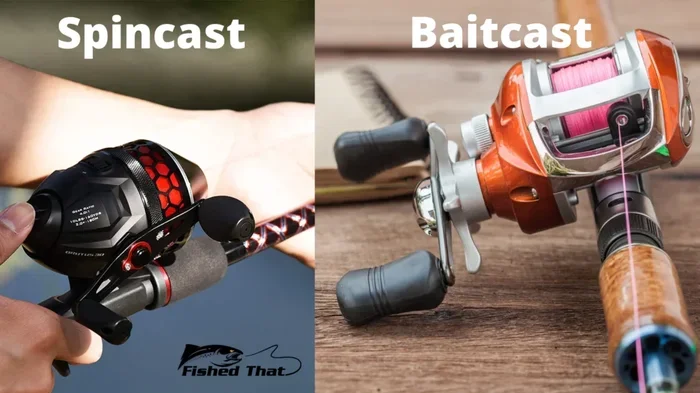
Choosing between a baitcast and a spin cast for pond fishing comes down to your skill level, target species, and personal comfort. Baitcast reels offer superior casting accuracy and control, making them ideal for experienced anglers targeting bass in tight spots. Spin cast reels are simpler to use, which makes them a great choice for beginners or casual pond fishing sessions.
When you stand at the edge of a quiet pond, rod in hand, the last thing you want is gear that fights you instead of helping you. The debate between baitcast or spin cast better for pond fishing comes up all the time among anglers. Whether you are a weekend warrior or someone who just wants a relaxing afternoon by the water, your reel choice matters more than you might think.
Ponds are unique fishing environments. They are smaller than lakes, often stocked with bass, bluegill, and panfish, and they demand precision. You are not casting across a massive lake. You are working tight cover, docks, and lily pads. That changes everything about which reel type fits best. In this guide, we break down the real differences so you can make a confident choice before your next trip.
Key Takeaways
- Baitcast reels give you more control and accuracy, which is great for targeting specific spots in a pond.
- Spin cast reels are beginner-friendly and less likely to tangle, making them perfect for casual fishing.
- Pond fishing usually requires shorter casting distances, which favors both reel types depending on the situation.
- Lure weight matters a lot — baitcasters work best with heavier lures, while spin casts handle lighter ones well.
- Your experience level should be the biggest factor in choosing between the two setups.
- Budget plays a role too, as baitcast combos tend to cost more than spin cast setups.
- Both reel types can catch the same species in a pond, so the choice is about comfort and control.
📑 Table of Contents
- What Is a Baitcast Reel?
- What Is a Spin Cast Reel?
- Baitcast vs Spin Cast for Pond Fishing: Head-to-Head
- Which Reel Is Better for Common Pond Species?
- Best Times to Fish Ponds With Each Reel
- Common Mistakes Anglers Make When Choosing a Reel for Ponds
- Quick Tips for Pond Fishing With Either Reel
- Expert Insights: What Pro Anglers Prefer for Pond Fishing
- Conclusion
What Is a Baitcast Reel?
A baitcast reel sits on top of the rod and uses a spool that rotates as you cast. You control the line with your thumb, which gives you a lot of casting control. This setup is popular among anglers who want precision and power. When you are flipping a jig into a patch of lily pads or pitching a worm under a dock, a baitcast reel delivers the accuracy that pond fishing demands.
Here is what makes baitcasters stand out. They handle heavier lure weights better, usually from half an ounce and up. The drag systems tend to be stronger, which matters when you hook a fat bass hiding in the weeds. They also have a lower gear ratio option, which gives you more cranking power when you need to pull a lure through thick cover.
Pros of Baitcast Reels for Pond Fishing
- Superior casting accuracy — you can place your lure exactly where you want it.
- Better for heavier lures — works great with crankbaits, jigs, and heavy soft plastics.
- Stronger drag systems — handles bigger fish in tight spaces.
- More durable — built to handle rough conditions and heavy use.
- Less line twist — braided fishing line performs exceptionally well on baitcasters.
Cons of Baitcast Reels for Pond Fishing
- Steeper learning curve — thumb control takes practice to master.
- More prone to bird’s nests — if you cast too hard or too fast, the spool can overrun.
- Heavier overall — baitcast setups tend to weigh more than spin cast combos.
- Higher cost — quality baitcast reels and rods cost more upfront.
What Is a Spin Cast Reel?
A spin cast reel hangs below the rod and uses a closed face with a push-button release. You press the button, cast, and release. It is that simple. This design makes spin casting one of the easiest ways to get started in freshwater fishing. If you have ever seen a kid catch their first bluegill at a neighborhood pond, there is a good chance they were using a spin cast setup.
Spin cast reels use a spinning spool that does not rotate during the cast. This design naturally reduces tangles and backlashes, which is why they are so popular among beginner fishing enthusiasts. They also work well with lighter lures, making them a solid pick for panfish and smaller bass in ponds.
Pros of Spin Cast Reels for Pond Fishing
- Easy to learn — anyone can pick one up and start fishing within minutes.
- Fewer tangles — the closed face design prevents most line messes.
- Great for light lures — excels with small crankbaits, spinners, and live bait.
- Lightweight and comfortable — less fatigue during long sessions by the water.
- Affordable — solid spin cast combos are available at every price point.
Cons of Spin Cast Reels for Pond Fishing
- Less casting accuracy — you cannot place your lure as precisely as with a baitcast.
- Weaker drag systems — may struggle with larger fish in heavy cover.
- Not ideal for heavy lures — works best with lures under a quarter ounce.
- More line twist — mono fishing line can twist over time on spin cast spools.
Baitcast vs Spin Cast for Pond Fishing: Head-to-Head
Let us get into the real comparison. When you are standing on the bank of a local pond, what actually matters? Here is a side-by-side look at how these two setups stack up.
| Feature | Baitcast Reel | Spin Cast Reel |
|---|---|---|
| Casting Accuracy | Excellent — pin-point placement | Good — decent accuracy for casual fishing |
| Ease of Use | Moderate — requires practice | Very Easy — beginner-friendly |
| Lure Weight Range | Half ounce to two ounces | One-sixteenth to one-quarter ounce |
| Drag Power | Strong — handles big fish | Moderate — fine for panfish and small bass |
| Line Capacity | High — holds more braid or mono | Moderate — smaller spool size |
| Price Range | Mid to high | Low to mid |
| Best For | Experienced anglers, bass, heavy cover | Beginners, panfish, light tackle |
One thing that surprises a lot of people is how much casting distance differs between the two. Baitcasters let you throw farther with heavy lures, which can be useful when you are targeting fish hiding near the far end of a pond. However, most pond fishing situations do not require long casts. You are often working within 15 to 30 feet of the bank. In that range, both setups perform well.
If you want to know more about how fishing rod length affects your setup, check out our guide on is a longer or shorter fishing rod better. Rod length and reel type work together to shape your overall fishing experience.
Which Reel Is Better for Common Pond Species?
Ponds are home to a variety of fish species, and the best reel can change depending on what you are targeting. Let us look at the most common pond fish and which reel type works best for each.
Bass Fishing in Ponds
Bass are the most popular pond game fish, and they respond well to both reel types. For bass fishing, a baitcast reel gives you the edge when you are flipping jigs, pitching soft plastics, or working heavy crankbaits through cover. The casting control lets you place your lure right into the strike zone without spooking fish.
However, if you are just starting out with bass fishing, a spin cast reel is a perfectly fine choice. You can catch plenty of bass on a spin cast setup, especially when using lighter lures around open water. The key is to match your lure weight to the reel and use a quality fishing line. For more on line choices, our article on which is better braided or mono fishing line covers everything you need to know.
Panfish and Bluegill
Panfish are light fighters, and they do not need a heavy-duty baitcast reel. A spin cast setup with a light rod is perfect for panfish fishing. You can use tiny hooks, small bobbers, and live bait without worrying about overpowering the fish. The simplicity of a spin cast means you spend more time fishing and less time fixing tangles.
Trout and Stocked Fish
Many ponds are stocked with trout, especially during certain seasons. Trout have soft mouths and you need to be delicate with your presentation. A spin cast reel shines here because it allows for gentle casts with light lures. A baitcast can work too, but it requires more skill to avoid snapping the line on a strong trout run.
Best Times to Fish Ponds With Each Reel
The time of day and weather conditions can influence which reel works better for your pond session. Fishing at different times changes the behavior of fish, and your gear should adapt accordingly.
Early morning and late evening are prime times for pond fishing. During these low-light hours, bass move into shallower water to feed. A baitcast reel lets you precisely target those shallow areas with accuracy. If you prefer fishing at night, a baitcast with a glowing or illuminated spool helps you see your line and manage your casts in the dark. Learn more about how time of day affects fishing in our guide on is fishing better at night or day.
On the other hand, if you are fishing a pond right after a rainstorm, conditions can get choppy and visibility drops. A spin cast reel is easier to manage in these conditions because you do not have to worry about thumb control on the spool. Check out our tips on is it better to go fishing before or after rain for more insight on how weather affects your fishing strategy.
Common Mistakes Anglers Make When Choosing a Reel for Ponds
Many anglers make avoidable mistakes when picking between a baitcast and a spin cast for pond fishing. Here are the most common ones and how to avoid them.
- Choosing based on brand alone. Just because a reel is popular does not mean it is the right fit for your pond fishing style. Try before you buy if possible.
- Ignoring lure weight compatibility. Using a baitcast with very light lures causes poor casting performance. Always match your lure weight to the reel specifications.
- Skipping the drag adjustment. Whether you use a baitcast or spin cast, setting the drag correctly prevents lost fish and broken lines.
- Using the wrong fishing line. Baitcasters perform best with braided line, while spin casts work well with both mono and fluorocarbon. The wrong line choice leads to casting issues and reduced sensitivity.
- Overcomplicating your setup. You do not need the most expensive reel to catch fish in a pond. A simple, well-matched setup catches just as many fish as a high-end rig.
Quick Tips for Pond Fishing With Either Reel
No matter which reel you choose, a few universal tips will improve your pond fishing results. Here are some quick wins every angler can use.
- Use a 10-pound test line as a versatile starting point for both reel types in pond fishing.
- Cast near structure — docks, fallen trees, weed beds, and rocks hold the most fish.
- Keep your casts short — most pond fishing happens within 20 to 30 feet of the shore.
- Match your hatch — use lures that mimic the natural prey in the pond, like minnows, insects, or crayfish.
- Be patient — ponds can be slower to produce fish, especially during midday heat.
- Keep your drag set properly — this single adjustment prevents more lost fish than any other factor.
Expert Insights: What Pro Anglers Prefer for Pond Fishing
Professional bass anglers who specialize in pond fishing almost always carry baitcast setups in their gear bags. The precision and power of a baitcast reel give them the edge when they need to target specific structure or work a finesse presentation. That said, many pros also carry a spin cast rod in their truck for days when they want a low-maintenance, easy setup for a quick session.
The consensus among experienced anglers is straightforward. If you have the skills and practice, a baitcast gives you more tools for pond fishing success. If you are just getting started or want a relaxing day on the water without technical frustration, a spin cast reel gets the job done just as well. The best reel is the one you are comfortable using every single time you head to the pond.
Remember, gear matters, but technique matters more. A skilled angler with a spin cast will outfish a beginner with a baitcast every single time. Focus on your casting technique, your lure selection, and your understanding of the pond, and you will catch fish regardless of which reel you choose.
Conclusion
The question of baitcast or spin cast better for pond fishing does not have a single answer. It depends on your experience, your target species, and how much you enjoy the technical side of fishing. A baitcast reel gives you precision and power for serious pond anglers who want to target bass in heavy cover. A spin cast reel offers simplicity and ease, making it the perfect choice for beginners, kids, or anyone who just wants a relaxing day by the water.
Both setups catch fish in ponds. Both can handle bass, bluegill, and panfish. The real difference comes down to your comfort level and what you value most in your fishing experience. Try both if you can, and over time you will naturally gravitate toward the setup that feels right for you. The best gear is the gear that gets you out on the water and keeps you coming back for more.
Frequently Asked Questions
Can a beginner catch bass in a pond with a spin cast reel?
Absolutely. Many anglers catch bass on spin cast setups every single day. The key is to use the right size lure and keep your drag set properly. You do not need a baitcast to catch bass in a pond.
Is baitcast casting harder than spin cast?
Yes, baitcast casting has a steeper learning curve. You need to control the spool with your thumb to prevent backlashes. However, once you get the hang of it, the improved accuracy and control are well worth the extra practice.
What fishing line is best for pond fishing with a baitcast?
Braided line is the top choice for baitcast setups in ponds. It has no stretch, which gives you better sensitivity, and it handles the heavy lure weights that baitcasters are designed for. Check out our full guide on braided vs mono line for more details.
Do I need a special rod for baitcast pond fishing?
Yes, baitcast rods are designed to work with baitcast reels. They have the correct guide spacing and action for this setup. Using a baitcast reel on the wrong rod can cause casting issues and poor performance.
Can I use a spin cast reel for bass fishing in ponds?
You can, especially if you are fishing in open water with lighter lures. Spin cast reels work fine for bass when you match your gear to the situation. Many casual and youth anglers catch bass regularly on spin cast setups.
How do I stop my baitcast reel from tangling?
The most common cause of tangles is casting too hard or not using your thumb to control the spool. Start with shorter, gentler casts and gradually increase your distance as you build confidence. Also, make sure your drag adjustment is set correctly and your line is not old or frayed.