Is Api Furan 2 Ok for Betta Fish
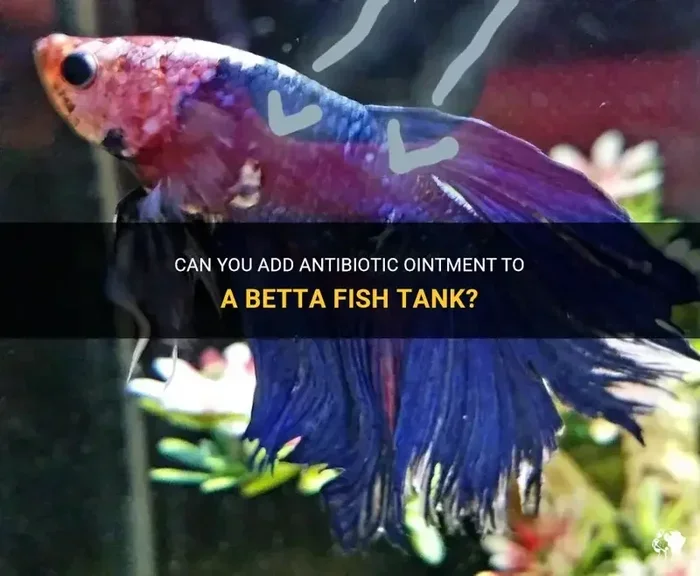
API Furan 2 is a popular aquarium antibiotic that can treat bacterial infections in betta fish when used correctly. Many betta owners wonder if this medication is safe, and the answer is yes — with proper dosing and careful monitoring. This guide covers everything you need to know about using API Furan 2 for betta fish, including dosage, side effects, and safer alternatives.
If you own a betta fish, chances are you have worried about your fish getting sick at some point. Bacterial infections are one of the most common health issues bettas face. When you spot redness, frayed fins, or white patches on your fish, the natural instinct is to reach for medication fast. API Furan 2 is one of the most talked-about treatments in the fish keeping world. But is it really safe for your betta? Let us dive deep into this topic and give you all the answers you need.
API Furan 2 is an antibiotic medication designed for freshwater aquariums. It comes in liquid or tablet form and targets gram-negative bacteria. Many fish keepers use it to treat a range of bacterial diseases. The active ingredients work by stopping bacteria from reproducing. This gives your betta’s immune system a chance to fight off the infection.
The medication is widely available and affordable. That is one reason it is so popular among beginner and experienced aquarists alike. However, popularity does not always mean safety for every species. Betta fish are sensitive creatures. They react differently to medications compared to other tropical fish. So the question remains — is API Furan 2 ok for betta fish?
The short answer is yes. API Furan 2 is generally considered safe for betta fish when used as directed. The manufacturer provides clear dosing instructions on the packaging. These guidelines are designed to be effective while minimizing harm to your fish.
That said, every betta is different. Some fish tolerate medications well, while others show sensitivity. Factors like tank size, water quality, and the overall health of your betta play a big role. A sick betta in a clean 5-gallon tank will likely respond better to treatment than one in a dirty 1-gallon bowl.
It is also important to understand what API Furan 2 treats. It is not a cure-all. It specifically targets bacterial infections. If your betta is suffering from a parasitic or fungal issue, this medication may not help. Using the wrong treatment can sometimes make things worse. So proper diagnosis matters before you start any medication.
The recommended dosage for API Furan 2 is one capsule per 10 gallons of water. For smaller tanks, you may need to adjust. Always start with a half dose if you are treating a betta in a tank under 10 gallons. Bettas are small fish and can be more sensitive to strong medications.
Here is a simple step-by-step guide for using API Furan 2 for betta fish treatment:
- Remove any chemical media from your filter. Activated carbon will absorb the medication and make it useless.
- Turn off any UV sterilizers during treatment. These also neutralize the medication.
- Add the correct dose based on your tank size. Measure carefully — do not eyeball it.
- Treat for 7 days. Do not skip doses or stop early, even if you see improvement.
- Perform a 25% water change after the 7-day treatment cycle.
- Add fresh activated carbon to your filter to remove any remaining medication.
During treatment, keep a close eye on your betta. Watch for signs of stress like clamped fins, rapid breathing, or staying at the bottom of the tank. If you notice these symptoms worsening, consider a water change to dilute the medication. Also make sure the water temperature stays stable. Bettas thrive best at temperatures between 76 and 82 degrees Fahrenheit. Sudden temperature changes during treatment can add unnecessary stress.
One of the most important things to know is that you should treat your betta in a quarantine tank if possible. This protects the beneficial bacteria in your main tank. It also lets you monitor your betta more closely without affecting other fish. If you do not have a quarantine tank, at least remove chemical media and keep the treatment tank well-aerated.
API Furan 2 is effective against several common betta diseases. Understanding these can help you identify problems early and act quickly.
Fin Rot
Fin rot is one of the most frequent issues betta fish face. It causes the edges of the fins to look ragged, discolored, or frayed. Bacteria eat away at the fin tissue, and without treatment, it can spread to the body. API Furan 2 works well against mild to moderate fin rot when caught early.
Columnaris
Columnaris is a bacterial infection that shows up as white or grayish patches on the body and mouth. It is often mistaken for a fungal infection. This disease spreads quickly and can be deadly if left untreated. API Furan 2 is one of the recommended treatments for columnaris in bettas.
Mouth Fungus
Despite the name, mouth fungus is actually a bacterial infection. It appears as white or gray growth around the mouth and lips. Your betta may have trouble eating or seem to have something stuck in its mouth. API Furan 2 can help clear this up when used at the correct dosage.
Redness and Inflammation
General redness along the body or fins can signal a bacterial infection. This is often an early sign that something is wrong. Catching it early and starting treatment with API Furan 2 can prevent the infection from becoming more serious.
While API Furan 2 is generally safe, it is not without risks. Understanding the potential side effects helps you make informed decisions about your betta’s health.
The most common side effect is stress. Medication can be hard on fish, even when it is working correctly. Your betta may eat less during treatment. This is normal and usually not a cause for concern. However, if your betta stops eating entirely for more than 3 days, you should reassess the treatment.
Another risk is harm to beneficial bacteria. API Furan 2 does not distinguish between harmful and helpful bacteria. It will reduce the bacterial colony in your filter media. This can cause a spike in ammonia or nitrite levels. To avoid this, always treat in a quarantine tank or be prepared to do frequent water changes.
Overdosing is a real danger. More medication does not mean faster healing. In fact, too much API Furan 2 can damage your betta’s gills and organs. Always measure carefully and follow the instructions exactly. If you are unsure about the dosage, it is better to underdose than to overdose.
Some bettas also show sensitivity to the dye in the medication. The liquid form of API Furan 2 is yellow-orange in color. This can stain decorations and silicone sealant in your tank. It is another reason why using a quarantine tank is highly recommended.
If your betta is showing signs of illness, there are alternatives to consider before reaching for antibiotics. Not every infection requires strong medication.
Aquarium salt is a gentle and effective first-line treatment for many mild bacterial infections. It helps reduce osmotic stress on your betta and creates an environment less favorable for bacteria. Use aquarium-specific salt, not table salt. Start with 1 teaspoon per 5 gallons and monitor your betta’s response.
Improving water quality can also work wonders. Regular water changes, proper filtration, and maintaining the right temperature are the foundation of betta fish health. Many mild infections clear up on their own when water parameters are optimized.
For more serious infections, other medications like Melafix or Pimafix are popular natural alternatives. These are derived from tea tree oil and are generally gentler on bettas. They may not be as strong as API Furan 2, but they work well for mild to moderate cases.
When in doubt, consult a veterinarian who specializes in fish. They can provide a proper diagnosis and recommend the best treatment plan for your specific situation. This is especially important if your betta is showing severe symptoms like gasping for air, lethargy, or loss of color.
Prevention is always better than cure. The best way to keep your betta healthy and avoid needing medications like API Furan 2 is through good husbandry practices.
First, maintain clean water. Test your parameters regularly. Keep ammonia and nitrite at zero, and nitrate below 20 ppm. A stable pH between 6.5 and 7.5 is ideal for bettas. Second, feed a high-quality diet. Overfeeding is a common mistake that leads to poor water quality and health issues. Third, avoid overcrowding your tank. Bettas need space and low-stress environments to thrive.
Finally, watch your betta daily. Catching early signs of illness gives you the best chance of successful treatment. Look for changes in appetite, behavior, fin appearance, and color. The sooner you act, the better the outcome.
So, is API Furan 2 ok for betta fish? Yes, it is a proven and effective treatment for bacterial infections when used correctly. It is not without risks, but those risks are manageable with proper care and attention. Always dose accurately, monitor your fish closely, and consider using a quarantine tank. For mild infections, gentler alternatives may be worth trying first. And when all else fails, a fish vet is your best resource.
Your betta depends on you for its health. Being informed and proactive is the best thing you can do as a fish owner. Whether you choose API Furan 2 or another treatment, the most important step is to act quickly and with care. A healthy betta is a happy betta, and that is what we all want.
Key Takeaways
- API Furan 2 is generally safe for betta fish when dosed correctly according to the manufacturer’s instructions.
- It targets bacterial infections like fin rot, columnaris, and mouth fungus commonly seen in bettas.
- Always quarantine treated fish in a separate tank to protect beneficial bacteria and monitor your betta closely.
- Monitor water parameters during treatment, as pH levels and temperature can affect how your betta responds to medication.
- Overdosing is the biggest risk — always measure carefully and avoid doubling up doses.
- Natural alternatives exist like aquarium salt and improved water quality for mild infections.
- Consult a vet if your betta shows severe symptoms like gasping for air or lethargy before starting any treatment.
Frequently Asked Questions
Can I use API Furan 2 in my main tank with other fish?
It is best to treat your betta in a quarantine tank. API Furan 2 can harm beneficial bacteria and affect other tank mates. If you must treat in the main tank, remove chemical filter media and monitor all fish closely for side effects.
How long does it take for API Furan 2 to work on betta fish?
You may see improvement within 3 to 5 days of starting treatment. However, always complete the full 7-day course to ensure the infection is fully cleared. Stopping early can lead to a relapse or antibiotic resistance.
Can I use API Furan 2 alongside other medications?
No, you should never combine API Furan 2 with other medications unless directed by a fish veterinarian. Mixing medications can cause chemical reactions that harm your betta or reduce the effectiveness of both treatments.
What should I feed my betta during API Furan 2 treatment?
Bettas often eat less during medication. Offer small amounts of high-quality food like pellets or frozen bloodworms. Remove any uneaten food within a few minutes to keep the water clean.
Is API Furan 2 safe for betta fry and juvenile fish?
Use caution with very young or small bettas. Reduce the dosage by half and monitor closely. The medication can be harsh on developing fish, so only use it when the infection is serious and other treatments have not worked.
What water changes should I do during and after API Furan 2 treatment?
Do a 25% water change after completing the 7-day treatment cycle. During treatment, avoid large water changes as they can dilute the medication. After treatment, test your water parameters to ensure ammonia and nitrite levels remain at zero.