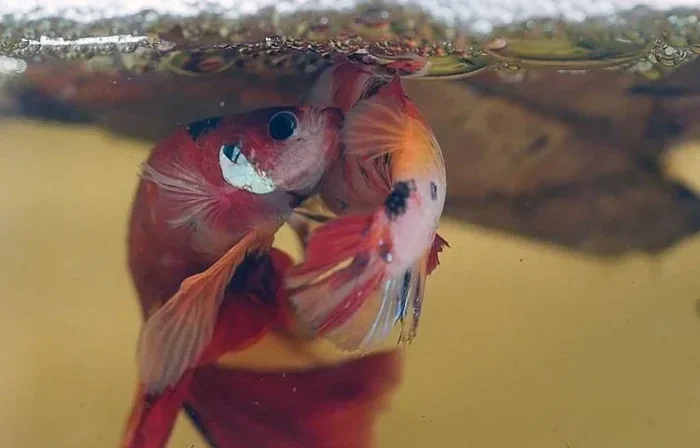
Is 83 Degrees Too Hot for a Betta Fish
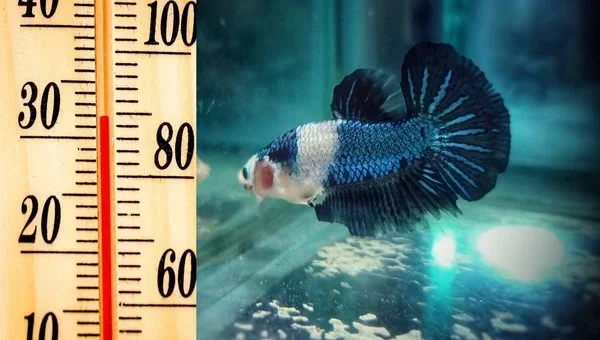
Is 83 degrees too hot for a betta fish? The short answer is yes — 83°F sits above the ideal range for most bettas and can cause stress, health issues, and a shorter lifespan. Betta fish temperature matters more than many owners realize, and even a few degrees too warm can lead to serious problems. This guide covers what happens when water gets too hot, how to spot the warning signs, and exactly what you can do to keep your betta comfortable and thriving.
You checked your betta fish tank thermometer and saw 83 degrees. Your stomach dropped a little. Is 83 degrees too hot for a betta fish? It is a question every betta owner should know the answer to, because temperature is one of the most important parts of betta fish care.
Your betta fish is a tropical creature that thrives in warm, stable water. But warm does not mean hot. There is a sweet spot where your betta feels happy, eats well, and stays active. When the water climbs past that range, things go downhill fast. In this article, we will break down exactly what 83°F means for your betta, what symptoms to watch for, and how to fix the problem before it becomes serious.
Key Takeaways
- 83°F is too warm: The ideal betta range sits between 76°F and 82°F, making 83°F a potential risk zone.
- Overheating causes real harm: Warm water holds less oxygen and can trigger stress, faster metabolism, and disease.
- Watch for warning signs: Rapid gill movement, lethargy, and erratic swimming are red flags that your tank is too hot.
- Simple fixes work: A fan, partial water change, or turning off the heater can bring the temperature down quickly.
- Prevention is easy: Using a reliable tank thermometer and monitoring daily keeps your betta safe.
📑 Table of Contents
- What Is the Ideal Temperature for a Betta Fish?
- Is 83 Degrees Too Hot for a Betta Fish?
- Signs Your Betta Fish Is Overheating
- How to Cool Down an Overheated Betta Tank
- Preventing Temperature Problems Before They Start
- Common Mistakes Bettas Owners Make About Temperature
- How Temperature Connects to Other Aspects of Betta Care
- When to Call a Vet or Seek Expert Help
- Final Thoughts
What Is the Ideal Temperature for a Betta Fish?
Before we talk about 83 degrees, let us set the baseline. Betta fish temperature needs to stay within a specific range for your fish to be healthy. Most experts agree that the ideal range falls between 76°F and 82°F. Inside this window, your betta’s immune system works well, its metabolism stays balanced, and its energy levels stay steady.
Water that is too cold slows your betta down and makes it vulnerable to illness. Water that is too warm does the opposite — it speeds everything up in a bad way. Think of it like wearing a heavy coat on a summer day. Your body cannot cool down properly, and things start to break down.
Several factors can push your tank temperature past the safe zone. Room temperature, direct sunlight, and a heater that is too powerful can all play a role. This is why checking the water temperature for a betta fish daily is such a simple but powerful habit.
Why 76–82°F Is the Gold Standard
This range mimics the warm, slow-moving waters where bettas naturally live in Southeast Asia. In these environments, the water stays comfortably warm but never reaches extreme heat. Your home aquarium should try to copy that balance as closely as possible.
If you want a deeper dive into the exact numbers, check out our guide on what is the ideal temperature for betta fish. It covers the science behind the range and how small changes can make a big difference.
Is 83 Degrees Too Hot for a Betta Fish?
Here is the direct answer: yes, 83°F is too hot for a betta fish. While it may not cause instant harm in every case, it sits above the safe range and puts your fish under unnecessary stress. Even one degree above the ideal ceiling can start to affect your betta’s well-being over time.
At 83 degrees, the water holds less dissolved oxygen. Your betta has to work harder to breathe. Its metabolism speeds up, which means it burns energy faster and may start eating more or showing signs of restlessness. Over days and weeks, this added stress weakens the immune system and opens the door to diseases like fin rot and ich.
If you are seeing 83°F consistently, you need to act. The good news is that bringing the temperature down is usually straightforward, especially if you catch it early.
How Hot Water Affects Betta Fish Biology
Warm water changes the chemistry of your aquarium in ways that are not always obvious. Here is what happens inside the tank when the temperature climbs:
- Oxygen levels drop: Warm water cannot hold as much oxygen as cool water. Your betta may gulp air at the surface more often.
- Metabolism speeds up: Your fish burns through food and energy faster, which leads to waste buildup and poor water quality.
- Stress hormones rise: Chronic heat stress makes your betta more prone to infections and parasites.
- Beneficial bacteria struggle: The helpful bacteria in your filter also feel the heat, which can destabilize your nitrogen cycle.
For more details on what temperature is truly too hot, read our article on what temperature is too hot for a betta fish. It explains the exact thresholds and how to protect your fish.
Signs Your Betta Fish Is Overheating
Betta fish are good at showing discomfort, but you have to know what to look for. The symptoms of overheating can be subtle at first and then become more obvious as the problem continues.
Rapid gill movement is one of the earliest signs. If you notice your betta’s gills opening and closing quickly, it is trying to pull in more oxygen from water that has become oxygen-poor. Another common sign is labored breathing, where your fish seems to pant or hover near the water’s surface.
You might also notice your betta becoming unusually lethargic. It may stop swimming around its tank and stay in one spot, often near the filter output where the water feels cooler. Some bettas become restless and swim erratically, darting around the tank in an uncoordinated way.
Loss of appetite is another red flag. If your normally eager eater suddenly ignores its food, the water temperature could be the culprit. Faded colors and clamped fins are additional warning signs that should never be ignored.
Quick Checklist: Is Your Betta Overheating?
Run through these quick checks if you suspect your tank is too warm:
- Check the thermometer — is it reading above 82°F?
- Look for rapid gill movement or heavy breathing.
- Watch for loss of interest in food.
- Notice if your betta stays near the surface or near the filter.
- Check for faded colors or clamped fins.
If you answered yes to several of these, your tank temperature is likely too high, and it is time to take action.
How to Cool Down an Overheated Betta Tank
Finding your tank at 83°F can feel stressful, but the fix does not have to be complicated. There are several effective methods you can use right away to bring the temperature back into the safe zone.
Method 1: Turn Off the Heater
The simplest step is to turn off your aquarium heater. If your heater has been running nonstop and pushing the water past 82°F, unplugging it can stop the temperature from climbing further. Many heaters do not have an automatic shutoff, so they keep heating even when the water is already too warm.
Method 2: Use a Fan or Air Circulation
Pointing a small fan across the surface of the water helps heat escape through evaporation. This is one of the fastest and most affordable cooling methods. Just make sure the fan is not blowing directly into the tank, as strong currents can stress your betta.
Method 3: Do a Partial Water Change
Replacing a portion of the warm tank water with cooler, dechlorinated water can bring the temperature down quickly. Aim for room-temperature water that is a degree or two below the tank temperature. This method works well for a gradual, controlled cool-down.
Method 4: Float a Bag of Ice
In an emergency, you can float a sealed bag of ice near the filter output. The cold water from the melting ice will gently lower the tank temperature. Never drop ice directly into the tank, as this can cause a sudden temperature drop that shocks your fish.
Method 5: Check Your Room Temperature
Sometimes the problem starts outside the tank. If your room is warm — say, above 80°F — your aquarium will absorb that heat. Moving the tank away from windows, heat vents, and direct sunlight can make a surprising difference.
For more cooling strategies and prevention tips, our article on can water be too hot for betta fish covers the topic in greater depth.
Preventing Temperature Problems Before They Start
The best way to deal with overheating is to stop it from happening in the first place. Prevention is easier than treatment, and it only takes a few simple habits to keep your tank in the safe zone.
Invest in a Good Thermometer
A reliable aquarium thermometer is non-negotiable. Stick-on thermometers are affordable and easy to read, but digital probe thermometers give you more accurate readings. Place the thermometer on the opposite side of the tank from the heater so you get a true reading of the water temperature.
Use a Heater with a Thermostat
Not all heaters are created equal. A heater with a built-in thermostat will automatically shut off when the water reaches the set temperature. This prevents overheating and keeps your betta fish tank at a stable, comfortable level. Look for heaters designed specifically for smaller tanks, as they are easier to calibrate for a betta fish setup.
Monitor Room Conditions
Your room temperature affects your aquarium more than you might think. In the summer, a room that stays at 80°F or above can push a small tank past safe limits. In the winter, a cold room can do the opposite. Keeping your tank in a climate-controlled room is one of the best long-term investments you can make.
Avoid Direct Sunlight
Sunlight streaming through a window can heat your tank by several degrees without you noticing. This is a sneaky cause of overheating that many new betta owners overlook. Place your tank in a spot with indirect light, and you will avoid a surprising temperature spike during the afternoon.
Perform Regular Maintenance
Regular water changes and filter cleaning help maintain stable water conditions, including temperature. Dirty filters and stale water can cause fluctuations that stress your betta. A simple weekly routine of checking the temperature and doing a small water change goes a long way.
| Prevention Tip | Why It Works | How Often |
|---|---|---|
| Use a digital thermometer | Gives accurate, real-time readings | Daily check |
| Heater with thermostat | Auto-shutoff prevents overheating | Continuous |
| Keep tank away from sunlight | Stops passive heat buildup | Ongoing |
| Partial water changes weekly | Stabilizes temperature and water quality | Weekly |
| Monitor room temperature | Prevents ambient heat from affecting the tank | Seasonal check |
Common Mistakes Bettas Owners Make About Temperature
Even experienced betta owners can fall into traps when it comes to managing tank temperature. Here are some of the most common mistakes and how to avoid them.
Assuming the Heater Is Always Right
Many owners set their heater and forget about it. But heaters can malfunction, and the thermostat can drift over time. A heater set to 80°F might actually be pushing the water to 84°F without you knowing. Testing the temperature with a separate thermometer regularly helps you catch these hidden problems.
Overcorrecting With Cold Water
When owners notice the tank is too warm, they sometimes dump in a large amount of cold water. This sudden temperature swing is just as dangerous as being too hot. Always make gradual adjustments — a degree or two at a time — to keep your betta safe.
Ignoring Small Fluctuations
A tank reading 83°F for a few hours may not seem like a big deal, but repeated exposure to high temperatures adds up. Small, consistent problems can lead to chronic stress, which shortens your betta’s lifespan and makes it more vulnerable to disease.
Confusing Room Temperature With Tank Temperature
Your room might feel comfortable at 72°F, but a small, uncovered aquarium can heat up well above that. The tank absorbs heat from lights, equipment, and ambient room warmth. Always measure the water temperature directly, not the air around the tank.
How Temperature Connects to Other Aspects of Betta Care
Temperature does not exist in a vacuum. It affects almost every other part of your betta’s environment. Understanding these connections helps you become a better, more informed owner.
For example, warm water affects how your betta digests food. A betta kept at the right temperature processes its food efficiently and produces less waste. A betta kept in too-warm water may eat more but absorb fewer nutrients, leading to bloating and other health issues. This ties directly into feeding habits and tank cleanliness.
Temperature also interacts with your betta fish tank mates and overall tank setup. If you keep live plants, they respond to temperature changes too. Some plants thrive in warmer water, while others struggle. Similarly, if you ever consider adding tank mates, the temperature needs to suit all the species in the tank.
Even your filter performance is affected. Warm water is less dense and holds less oxygen, which means your filter has to work harder to maintain a healthy environment. Choosing the right filter strength for a betta fish becomes even more important when temperatures climb.
These connections are why experienced aquarists always think about temperature as part of a bigger picture. It is not just a number on a thermometer — it is the foundation that supports everything else in your betta’s world.
When to Call a Vet or Seek Expert Help
Most temperature problems can be fixed at home with the methods we covered above. But there are times when professional help is the right call. If your betta shows signs of severe distress — such as lying on the bottom of the tank, refusing food for more than two days, or developing white spots or torn fins — it is time to consult an expert.
A veterinarian who specializes in fish can diagnose whether your betta’s symptoms are caused by heat stress or something else entirely. Sometimes, the real problem is a bacterial or fungal infection that was triggered by the elevated temperature. Catching these secondary issues early gives your betta the best chance of a full recovery.
Final Thoughts
So, is 83 degrees too hot for a betta fish? The answer is clear: it is above the safe range, and it can cause real harm if left unchecked. Your betta deserves water that stays between 76°F and 82°F, where it can thrive and show off its vibrant colors and playful personality.
The good news is that keeping your betta at the right temperature is not complicated. A good thermometer, a reliable heater, and a few simple daily habits are all you need. When you notice the temperature creeping up, you now have the tools to bring it back down safely and quickly.
Your betta fish is a living creature that depends on you for its comfort and safety. Taking the temperature seriously is one of the simplest and most meaningful things you can do as a betta owner. Keep that water in the right range, watch for warning signs, and your betta will reward you with years of healthy, happy life.
Frequently Asked Questions
Can a betta fish survive at 83 degrees?
A betta fish can survive short periods at 83°F, but it is not ideal. Prolonged exposure to this temperature causes stress, weakens the immune system, and can lead to illness. It is best to bring the temperature down to the 76–82°F range as soon as possible.
How fast should I cool down my betta tank?
You should cool the tank gradually, no more than 1–2 degrees per hour. A sudden temperature drop can shock your betta and cause more harm than the heat itself. Use gentle methods like a fan or partial water changes for a slow, steady cool-down.
What is the safest way to check my betta tank temperature?
The safest way is to use a dedicated aquarium thermometer placed on the opposite side of the tank from the heater. Digital probe thermometers offer the most accurate readings, but stick-on thermometers work well for daily monitoring too.
Does a bigger tank stay cooler than a small tank?
Generally, yes. A larger volume of water is more stable and resists temperature swings better than a small tank. However, a big tank can still overheat if it is in a warm room or gets direct sunlight. Tank size matters, but so does where you place the tank.
Should I turn off my heater if the tank is at 83 degrees?
Yes, immediately. Turn off the heater and let the tank cool naturally or use a fan to speed up the process. Once the temperature drops back into the 76–82°F range, you can turn the heater back on and double-check that it is set to the correct temperature.
Can room temperature affect my betta tank?
Absolutely. Room temperature has a direct effect on aquarium temperature, especially in small tanks. If your room stays above 80°F, your tank will likely climb past the safe betta range. Keeping the tank in a climate-controlled room is one of the easiest prevention steps you can take.
=== CONCLUSION ===
Is 83 degrees too hot for a betta fish? Yes — and now you know exactly why, what to watch for, and how to fix it. Keeping your betta fish tank in the ideal temperature range is one of the most important things you can do for your fish’s health and happiness. Stay alert, check your thermometer daily, and act quickly if the temperature climbs too high. Your betta will thank you with bright colors, energetic swimming, and a long, healthy life.