How to Travel with My Betta Fish
Traveling with your betta fish doesn’t have to be stressful. This guide covers everything you need to know about how to travel with my betta fish, including the best containers, temperature control, and safety tips for both car and plane trips. You’ll find a step-by-step checklist, common mistakes to avoid, and expert advice to keep your betta calm and healthy during transport.
So you need to travel with your betta fish. Maybe you’re moving to a new home, going on vacation, or visiting family across the state. Whatever the reason, how to travel with my betta fish is a question every betta owner should know the answer to. Bettas are delicate tropical fish, and even a short trip can cause stress, temperature shock, or water quality problems if you’re not prepared.
The good news? With the right plan and a little prep work, you can transport your betta safely and keep it healthy. This guide walks you through everything you need, from choosing the right container to managing temperature and water conditions on the road or in the air. Let’s get started.
Key Takeaways
- Use a proper travel container: A clean, secure container with enough water and air keeps your betta safe during transport.
- Maintain stable temperature: Bettas are tropical fish and need warm water, even while traveling.
- Feed lightly before travel: A full stomach can cause stress and water contamination during the trip.
- Plan for car vs. plane travel: Each method has different risks and requirements you need to prepare for.
- Acclimate your betta after travel: Let your fish adjust slowly to its temporary or permanent new environment.
- Avoid common mistakes: Overfeeding, using untreated tap water, and skipping temperature checks can harm your betta.
📑 Table of Contents
- Why Traveling with Your Betta Fish Requires Careful Planning
- How to Travel with My Betta Fish by Car
- How to Travel with My Betta Fish by Plane
- Betta Fish Travel Checklist: What to Pack
- Common Mistakes to Avoid When Traveling with Your Betta
- Expert Tips for Stress-Free Betta Travel
- When to Avoid Traveling with Your Betta Fish
- Final Thoughts: Traveling with Your Betta Fish Can Be Safe
Why Traveling with Your Betta Fish Requires Careful Planning
Bettas are more sensitive than many people think. They need warm, clean water and stable conditions to stay healthy. When you travel with betta fish, you’re taking them away from their familiar environment, and that can cause real stress. Even a two-hour car ride can impact water quality and temperature.
Here’s why planning matters so much:
- Temperature sensitivity: Bettas thrive in water between 76 and 82 degrees Fahrenheit. Cold or hot water can shock their system.
- Stress response: A stressed betta can lose color, stop eating, or even develop diseases like fin rot or ich.
- Water quality changes: Waste builds up fast in small containers, and ammonia spikes can happen quickly during transport.
- Oxygen levels: Small containers have limited surface area, so oxygen can drop during long trips.
Knowing these risks helps you prepare properly. And that’s exactly what this guide is designed to help you do.
How to Travel with My Betta Fish by Car
Choosing the Right Travel Container
The first step in how to travel with my betta fish by car is picking the right container. You want something secure, clear, and the right size. Here are your best options:
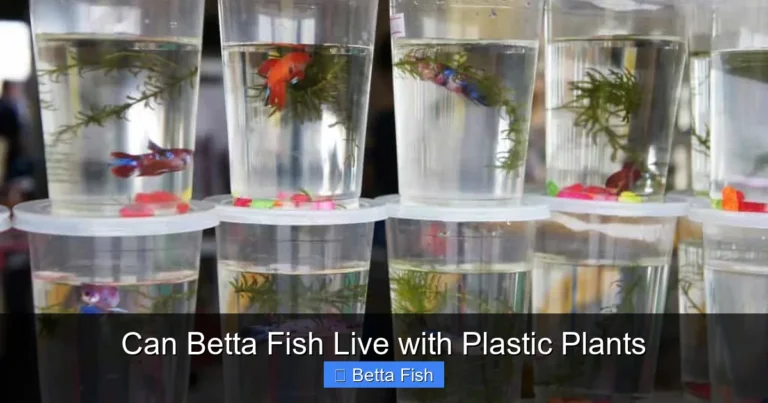
- Small plastic aquarium bags: These work for short trips under two hours. Fill them halfway with tank water and tie them securely.
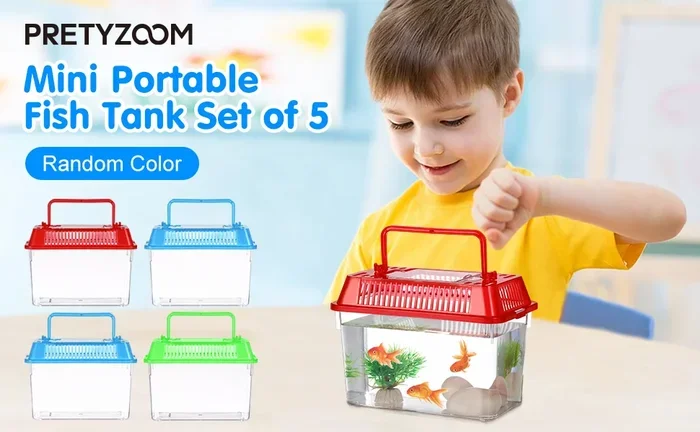
- Travel containers with lids: Specialized betta travel containers are sturdy and leak-proof. They come in sizes from 1 to 5 gallons.
- Small plastic bins or buckets: For longer trips, a clean plastic bin with a secure lid works well. Just make sure it’s free of chemicals or residues.
Avoid glass containers for travel. They can break, and broken glass is dangerous for both you and your fish.
Preparing the Water
Use water from your betta’s current tank. This keeps beneficial bacteria and familiar conditions intact. Do not use tap water directly — it contains chlorine and chloramine that can harm your betta.
Here’s a simple water prep checklist:
- Siphon out about 75% of the tank water into your travel container.
- Leave the remaining 25% as a buffer for waste during the trip.
- Check the temperature with a thermometer before sealing the container.
- If the trip is longer than 4 hours, consider adding a small air stone or bubbling device.
Keeping the Water Warm During the Drive
Temperature control is one of the biggest challenges when you travel with betta fish by car. In winter, cold car interiors can drop the water temperature fast. In summer, a hot car can overheat the water.
Here are some proven methods to maintain warmth:
- Wrap the container in a towel or blanket: This provides insulation and keeps the temperature stable.
- Use a portable heater: Small aquarium travel heaters are available and work well for longer trips.
- Place the container on the floor of the back seat: The floor stays more temperature-stable than the dashboard or seats.
- Avoid direct sunlight: Sunlight through car windows can heat water unevenly and cause dangerous hotspots.
If you’re worried about temperature drops, check out how to keep my betta fish warm without a heater for additional tips on maintaining warmth during transport.
Feeding and Water Changes During Long Car Trips
For trips under 6 hours, you don’t need to feed your betta at all. A fasting betta produces less waste, which keeps the water cleaner. For trips longer than 6 hours, offer a tiny pinch of food — no more than what your betta can eat in 2 minutes.
If your trip is very long, you may need to do a partial water change halfway through. Bring a small container of pre-treated water at the right temperature. Swap out about 25% of the travel water gently.
How to Travel with My Betta Fish by Plane
Understanding Airline Policies for Fish Transport
Flying with a betta fish is completely possible, but it requires extra preparation. Every airline has its own rules about transporting animals and live fish. Before you book anything, call the airline and ask about their pet travel policy and whether they allow fish in the cabin or cargo hold.
Most airlines allow small fish containers in the cabin as carry-on items, as long as they fit under the seat in front of you. Cargo holds are generally not recommended for live fish because of temperature extremes and rough handling.
Choosing an Airline-Approved Container
Your container must meet airline requirements. Look for these features:
- Leak-proof construction: No one wants a wet bag in the overhead bin.
- Clear material: This lets you monitor your betta during the flight.
- Proper ventilation: Small holes or mesh panels allow air exchange without spilling water.
- Secure lid: A tight-fitting lid prevents accidental openings.
Many betta owners use specialized betta fish travel bags that are designed specifically for air transport. These bags are sturdy, clear, and come with insulation layers.
Managing Temperature and Pressure Changes
Airplane cabins are pressurized and can be cold. Here’s how to protect your betta:
- Insulate the container: Wrap it in bubble wrap or a thermal bag to maintain warmth.
- Keep it under the seat: The area under your seat is warmer than overhead compartments.
- Avoid checking the container as luggage: Cargo areas can get extremely cold or hot, and the pressure changes can be harmful.
If you’re flying and want more specific guidance, check out can I travel by plane with my betta fish for detailed advice on air travel with bettas.
Betta Fish Travel Checklist: What to Pack
Before you leave, go through this checklist to make sure you have everything. Being organized makes the whole process smoother for both you and your fish.
| Item | Purpose | Needed For |
|---|---|---|
| Travel container | Safe, secure housing during transport | Car and plane |
| Tank water (1-2 cups) | Familiar water with beneficial bacteria | Car and plane |
| Thermometer | Monitor water temperature | Car and plane |
| Portable heater or heat pack | Maintain warm water temperature | Car especially |
| Water conditioner | Treat new water if a water change is needed | Long trips |
| Small net | Gently transfer your betta if needed | Car and plane |
| Air stone or bubbler | Increase oxygen in the container | Trips over 4 hours |
| Feeding supply | Tiny amount of betta pellets or flakes | Long trips only |
| Towel or blanket | Insulation and light blocking | Car and plane |
| Backup container | Emergency replacement if the main one leaks | All trips |
Common Mistakes to Avoid When Traveling with Your Betta
Even experienced fish keepers make mistakes when they travel with betta fish. Here are the most common ones and how to avoid them:
Overfeeding Before Travel
This is the number one mistake. A full stomach causes your betta to produce more waste, which pollutes the water faster. Feed lightly or skip feeding altogether for trips under 8 hours.
Using Untreated Tap Water
Tap water contains chemicals that are harmful to bettas. Always use water conditioner or water from the existing tank. Never fill a travel container straight from the tap.
Leaving the Container in Direct Sunlight
A sunny car window can turn a travel container into a greenhouse. The water heats up fast and unevenly, which can be fatal. Keep the container covered and away from direct light.
Skipping Temperature Checks
Don’t assume the water temperature stays the same. Check it every 2-3 hours during car trips. A sudden temperature drop can cause shock.
Opening the Container Too Often
Every time you open the container, you expose your betta to new air and change the water chemistry. Keep openings to a minimum during travel.
Forgetting to Acclimate After Arrival
When you arrive at your destination, don’t just dump your betta into a new tank immediately. Let the container float in the new tank for 15-20 minutes so the temperatures equalize. Then slowly mix in small amounts of the new tank water over 30 minutes before releasing your betta.
Expert Tips for Stress-Free Betta Travel
Want to make the experience even easier? Here are some expert-backed tips that experienced betta owners swear by:
- Do a trial run: If your betta has never traveled before, do a short 30-minute test drive first. This helps you see how your fish reacts and gives you a chance to fix any problems.
- Keep the container in a quiet spot: Loud noises and vibrations stress bettas. Place the container on the floor of the back seat, away from speakers and foot traffic.
- Cover the container: Bettas feel safer in dim, dark environments. A light towel over the container reduces visual stress.
- Bring a water sample from home: If your betta gets sick after travel, having a sample of the original water helps a vet diagnose the problem faster.
- Don’t travel during extreme weather: Avoid traveling in very hot or very cold weather if possible. Extreme outdoor temperatures make it harder to maintain stable water conditions.
Traveling can be tough on your betta, and some fish need extra care after the journey. If you notice your betta acting sluggish or showing signs of stress after a trip, consider learning more about how to destress my betta fish for proven calming techniques.
When to Avoid Traveling with Your Betta Fish
Sometimes, the best choice is to leave your betta at home. Avoid travel if:
- Your betta is currently sick or showing signs of disease.
- Your betta is recovering from surgery or recent treatment.
- The trip is longer than 48 hours and you can’t arrange proper care.
- You don’t have the right equipment to maintain temperature and water quality.
- You’re traveling during extreme weather (heat waves or freezing temperatures).
In these cases, consider asking a trusted friend or hiring a pet sitter to care for your betta at home. A familiar environment is always safer than a stressful trip for a vulnerable fish.
Final Thoughts: Traveling with Your Betta Fish Can Be Safe
How to travel with my betta fish comes down to three things: preparation, temperature control, and stress reduction. If you follow the steps in this guide, you can transport your betta safely whether you’re driving across town or flying across the country.
Remember to use the right container, keep the water warm and clean, and give your betta time to adjust when you arrive. With a little care and attention, your betta can handle travel just fine. And the next time you need to hit the road or hop on a plane, you’ll be fully prepared.
Safe travels, and give your betta a gentle pat from us. You’ve got this!
Frequently Asked Questions
Can I travel with my betta fish in a regular plastic bag?
Yes, for short trips under two hours, a clean plastic bag filled halfway with tank water works fine. Make sure the bag is tied securely and wrapped in a towel for insulation. Avoid using bags that previously held chemicals or cleaning products.
How long can a betta fish survive in a travel container?
A healthy betta can survive in a travel container for up to 48 hours if the water is clean, warm, and well-oxygenated. For trips longer than that, plan for a water change and feeding break halfway through the journey.
Should I turn off the heater when transporting my betta?
If you’re using a portable travel heater, keep it on and set to the proper temperature. If you’re using insulation methods like towels or heat packs, monitor the temperature every few hours to make sure it stays in the 76 to 82 degree range.
Can my betta fish travel in the airplane cabin with me?
Most airlines allow small fish containers as carry-on items as long as they fit under the seat. Always check with your airline beforehand and use a leak-proof, well-ventilated container. Avoid placing the container in overhead bins where temperatures fluctuate.
How do I help my betta adjust after arriving at my destination?
Float the travel container in the new tank for 15 to 20 minutes to equalize temperatures. Then slowly add small amounts of the new tank water into the container over 30 minutes. This gradual acclimation reduces stress and prevents shock.
What should I do if my betta stops eating after travel?
A temporary loss of appetite after travel is normal and usually lasts 24 to 48 hours. Offer a small amount of food after the first day. If your betta still won’t eat after two days, check the water temperature and quality, and consider consulting a vet.