How to Transfer a Betta Fish into a New Bowl

Learning how to transfer a betta fish into a new bowl correctly is essential for its health and longevity. This step-by-step guide will show you the stress-free method to move your betta without causing shock or injury. You’ll discover the key techniques to keep your fish happy and thriving in its fresh home.
Moving your pet to a fresh home can be stressful, but how to transfer a betta fish into a new bowl doesn’t have to be hard. When you transfer betta fish to new bowl setups, you need to focus on keeping them calm and safe. A sudden change in water or environment can shock your fish, so taking it slow is key. This guide will show you the exact steps to make the betta transition smooth and easy.
You will learn how to prepare the bowl setup, acclimate your fish, and settle them into their new betta habitat. We will cover every detail you need to know. From picking the right bowl to matching the water temperature, we have you covered. You will feel confident and ready to move your fish safely. A little preparation goes a long way. It saves you time and keeps your fish healthy.
Key Takeaways
- Always acclimate gradually: Float the bag for 15-20 minutes to match water temperature.
- Use a cycled bowl: Ensure the new habitat has dechlorinated water and gentle filtration.
- Gently transfer the fish: Release your betta with some of its original water into the bowl.
- Avoid sudden environmental changes: Keep lighting dim and minimize noise during the first few hours.
- Test water parameters first: Check ammonia and pH levels to guarantee a safe transition.
- Perform regular maintenance: Do partial water changes weekly to keep the bowl environment stable.
📑 Table of Contents
Why You Need to Transfer Your Betta to a New Bowl
There are many reasons you might need to move your fish. Maybe your old fish bowl is too small. Perhaps the water is dirty no matter how much you clean it. Or you just want a better setup for your betta fish. Whatever the reason, moving your fish is a big deal. Bettas are sensitive creatures. A sudden change can cause stress. This is why you must plan the moving fish process carefully. Proper planning keeps your fish healthy and happy. It also helps them adjust to their new home faster. Good betta care starts with understanding how to handle transitions. When you move them gently, you protect their health. You also build trust with your aquatic life. A smooth move leads to a happy fish. Always watch for signs of distress. If your fish stays at the bottom or hides too much, something is wrong. Fixing these issues early makes the whole process better. A new bowl can give your fish the space and clean water they need to truly thrive.
Preparing the New Bowl Before the Move
Gathering Your Supplies for the Move
Before you start, get everything ready. You will need a clean container, some fresh water, and a soft net. Make sure the net is fine-meshed. You also need a water conditioner. This removes harmful chemicals from the tap water. Here is a quick list of what to gather for your bowl setup:
- A clean, empty bowl or container
- Water conditioner
- A soft fish net
- A small cup or pitcher
- A thermometer
- A stress coat product
Setting Up the Fresh Bowl Properly
You must prepare the new bowl before you move your fish. Start by washing the bowl with warm water only. Do not use soap. Soap can kill your fish. Next, add fresh water and treat it with conditioner. Let the water sit for a few minutes. You should also think about the bowl temperature. You want to match the old bowl exactly. You can warm the bowl water using a small heater or by letting it sit in a warm room. Bettas need warm water to thrive. Aim for about 78 to 80 degrees Fahrenheit. This ensures a safe fish acclimation process. The new bowl water must be safe and comfortable. Let the bowl sit for 24 hours before the move. This allows any chlorine to evaporate fully. It stabilizes the water chemistry perfectly.
Choosing the Right Bowl Size
The size of the bowl matters a lot. A too-small bowl limits your fish’s movement. A too-large bowl can make water hard to manage. Aim for at least 3 to 5 gallons. This gives your betta fish enough room to swim. It also helps keep the water stable. A stable environment is the best kind of betta habitat. You should also rinse the bowl well. Use warm water and a soft cloth. Never use harsh cleaning products. Clean water is the foundation of a happy home.
Step-by-Step Guide to Moving Your Betta
Acclimating Your Fish to the New Water
This is the most important step in the whole process. You cannot just dump your fish into fresh water. The temperature and pH must match. Use the cup method. Scoop some water from the old bowl and put it in the new bowl. Wait for about 15 minutes. Then add a little more old water. This slow change helps your fish adjust. It is the best way to acclimate fish to a new environment. Gentle handling is very important here. Do not rush this step. Patience leads to a successful betta transition. Your fish will thank you for the slow approach. Keep adding small amounts of the bowl water from the old setup. This helps your fish get used to the new parameters without any shock.
Safely Scooping and Transporting Your Betta
Now it is time to move your fish. First, cleaning the bowl beforehand is very important. A dirty bowl can make your fish sick. Use your soft net to gently scoop your betta. Move slowly so you do not scare them. Place your betta into the new bowl. Try to use as little of the old bowl water as possible. This keeps the new bowl water cleaner. Then, add the acclimated water to the new bowl. This method protects your aquatic life from sudden changes. Always support your fish gently. Never grab them by the tail. If your fish jumps, stay calm. Use a soft cup to guide them back. This ensures a safe fish acclimation process from start to finish. Keep the lights off in the room while you move them. Dim lighting reduces their stress levels greatly.
Helping Your Betta Settle In After the Transfer
Creating a Comfortable Habitat
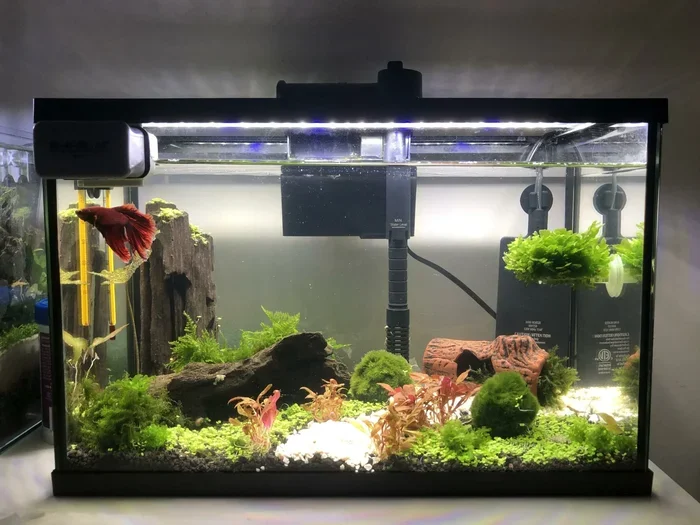
After the move, your fish needs a safe space. You can add a few smooth rocks or a simple plant. If you want to add greenery, consider adding a plant to the bowl for hiding spots. Live plants are best, but silk plants work too. Avoid sharp decorations. Sharp edges can tear your betta’s long fins. A safe habitat makes your fish feel secure. This is a key part of betta care after a move. Take your time when you arrange the decorations. On the first day, do not change the water. Let the bowl water settle. After 24 hours, you can check the water level. If it is low, add a tiny bit of treated water. This helps maintain a stable fish tank environment.
Monitoring Your Fish for Signs of Stress
Watch your fish closely for the next few days. A stressed fish may hide a lot. They might not eat right away. This is normal. Give them time to explore. You can also add a stress coat product to the water. This helps protect their slime coat. Keep the light dim for the first 24 hours. Bright lights can scare a betta fish that just moved to a new home. Feed them small amounts of food. Do not overfeed them during this time. Observe their swimming patterns daily. Healthy fish will swim upright and explore the bowl. Look for bright colors and active fins. These are great signs that your fish is adjusting well.
Comparing Old and New Bowl Setups
It helps to see the differences side by side. This table shows what to check before and after the move. It makes the fish tank comparison easy.
| Factor | Old Bowl | New Bowl |
|---|---|---|
| Water Temperature | 78-80°F | 78-80°F |
| Water Conditioner | Added | Added |
| Decorations | Smooth rocks | Smooth rocks |
| Fish Stress Level | Normal | Monitor closely |
| Feeding Schedule | Regular | Reduced at first |
Final Thoughts on Transferring Your Betta Fish
Transferring your fish to a new home takes patience. You must be gentle and careful. Follow each step slowly. Your fish will thank you for the smooth transition. A happy betta is a healthy betta. Enjoy watching your fish explore their new betta habitat. It is very rewarding to see them thrive in their fresh environment. Remember that moving fish is a delicate process. Take it one step at a time. Your betta fish bowl will be a happy home again soon. Keep learning about betta care to ensure a long and healthy life for your fish. A little effort now means years of joy later. Always prioritize the comfort of your aquatic life. Your gentle touch makes all the difference in the world.
Frequently Asked Questions
How to transfer a betta fish into a new bowl safely?
Start by floating the bag or container with your betta in the new bowl water for 15 to 20 minutes. This helps the fish adjust to the temperature and pH of the new environment. Then, gently scoop the betta into the bowl using a net, avoiding pouring old tank water into the new setup.
How long does it take for a betta fish to adjust to a new bowl?
Most betta fish need about 24 to 48 hours to fully acclimate to a new bowl. During this time, keep the lights dim and avoid disturbing the fish. Give it some quiet space so it can explore and feel secure in its new home.
What water should you use when transferring a betta fish to a new bowl?
Always use dechlorinated water that matches the temperature of the betta’s current environment. You can use a water conditioner to remove harmful chlorine and chloramines from tap water. Room temperature water around 78 to 80 degrees Fahrenheit works best for bettas.
Can you transfer a betta fish directly without acclimation?
No, you should never transfer a betta fish directly without acclimating it first. Sudden changes in water temperature and chemistry can cause severe stress or even shock. Always take the time to gradually introduce your betta to the new water conditions.
How often should you change the water in a betta fish bowl after the transfer?
Aim to change 25 to 30 percent of the bowl water every three to four days. This helps maintain clean, healthy water without disrupting the beneficial bacteria buildup. Use a turkey baster or small siphon to remove debris from the bottom during each change.
What size bowl is best for a betta fish after transfer?
A minimum of 5 gallons is recommended for a single betta fish, though many keepers start with a 3-gallon bowl. Larger bowls are always better because they provide more stable water parameters and room to swim. Avoid tiny cups or containers that restrict your betta’s movement and wellbeing.