How to Tell Your Betta Fish Age
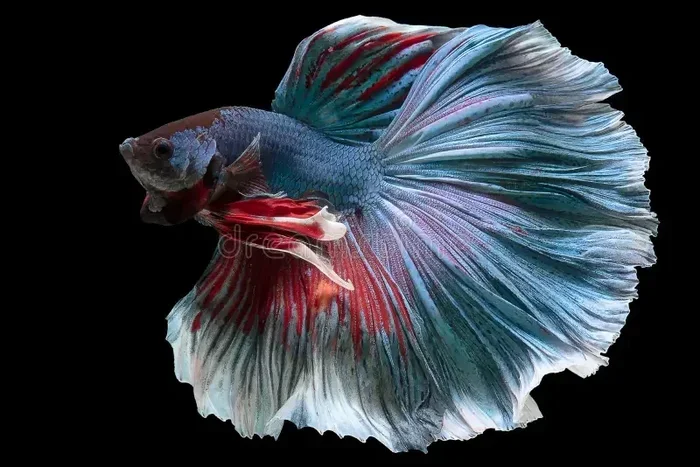
Figuring out how to tell your betta fish age is easier than you think. You can estimate your betta’s age by looking at its color, fin condition, and activity level. This guide covers every method you need, from physical signs to behavioral clues, so you can better understand your fish’s life stage.
Have you ever wondered how to tell your betta fish age? Maybe you brought home a beautiful betta from the pet store and wanted to know how old it really is. Or perhaps your betta has been with you for a while, and you are curious about what stage of life it is in.
Knowing your betta fish age helps you provide better care. Young bettas need different food portions than older ones. Senior bettas may need warmer water and softer foods. Figuring out the age is not an exact science, but there are clear signs you can look for.
This guide walks you through every method you can use to estimate your betta’s age. We cover physical signs, behavioral clues, and even some tips specific to female bettas. By the end, you will feel confident about reading your fish’s age like a pro.
Key Takeaways
- Color changes are one of the most reliable signs: vibrant colors usually mean a younger betta, while fading hues suggest an older fish.
- Fin condition tells a story: intact, flowing fins point to a younger betta, while torn or shorter fins may indicate aging.
- Behavior shifts with age: younger bettas are more active and curious, while older fish tend to be calmer and sleep more.
- You cannot pinpoint an exact age: but you can estimate whether your betta is young, adult, or senior based on multiple clues combined.
- Female bettas show different aging signs: learn how to tell the age of a female betta fish for more specific guidance.
- Proper care extends lifespan: a healthy environment keeps your betta thriving at any age.
📑 Table of Contents
- Why Knowing Your Betta Fish Age Matters
- Physical Signs That Reveal Your Betta Fish Age
- Behavioral Clues to Estimate Betta Fish Age
- How to Tell the Age of a Female Betta Fish
- Common Mistakes When Guessing Betta Fish Age
- Can You Tell Exactly How Old a Betta Fish Is?
- Quick Tips for Aging Your Betta Fish
- Expert Insight
- Conclusion
Why Knowing Your Betta Fish Age Matters
Understanding your betta’s age is more than just a fun fact. It directly affects how you care for your fish every day. Different life stages come with different needs.
Young bettas are growing fast. They need more protein-rich food and frequent feedings. Their betta fish tank setup should include plenty of swimming space and gentle filtration. A growing betta also needs stable water conditions to support healthy development.
Adult bettas are in their prime. They are colorful, active, and full of personality. This is when betta fish care focuses on maintaining health and happiness. You want to keep their environment clean and enriching.
Older bettas slow down. They may eat less and prefer warmer water. Their betta fish health needs extra attention. Watching for signs of illness becomes even more important as your fish ages.
When you know roughly how old your betta is, you can adjust its care routine. This leads to a happier, healthier fish and a more rewarding experience for you.
Physical Signs That Reveal Your Betta Fish Age
The body of your betta fish holds many clues about its age. Let us break down the most important physical signs to watch for.
Color and Vibrancy
One of the first things people notice about bettas is their stunning colors. Young bettas tend to have bright, vivid colors. Their reds are deep, their blues are electric, and their patterns are sharp and well-defined.
As bettas age, their colors often fade. An older betta might look slightly washed out or pale. This color dulling is a natural part of the aging process. It does not always mean something is wrong.
However, sudden color loss can also signal stress or illness. If your betta’s colors fade quickly, check your water parameters and look for other symptoms. You can learn more about this in our guide on how to tell if my betta fish is sick.
Fin Condition and Length
Betta fins are one of the most beautiful features of these fish. Young bettas usually have long, flowing fins that trail gracefully behind them. The fin rays are strong and intact.
Over time, fins can show wear. Older bettas may have slightly shorter fins or small tears. This happens naturally through daily activity and swimming. However, excessive fin damage could also indicate fin rot or poor water quality.
If you notice torn fins, check your tank decorations. Sharp edges on plastic plants or rough gravel can injure fins at any age. Learn how to keep your betta healthy and its fins looking great with our article on how to make your betta fish stronger.
Body Size and Shape
Young bettas are smaller and more streamlined. As they grow, their bodies become fuller and more rounded. An adult betta has a noticeable belly that is plump but not bloated.
Senior bettas may lose some of their roundness. Their bodies can look a bit thinner or less firm. This is normal with age, but sudden weight loss is a red flag. Always compare body shape changes with other signs before drawing conclusions.
Scales and Skin Texture
Young bettas have smooth, tight scales. Their skin looks healthy and shiny. As bettas get older, the scales may become slightly duller. Some older fish develop a subtle roughness on their skin.
These changes are subtle and hard to notice without experience. Do not rely on skin texture alone to estimate age. Combine this clue with the others for a more accurate picture.
Behavioral Clues to Estimate Betta Fish Age
How your betta acts tells you a lot about its age. Behavior changes are often easier to spot than physical ones, especially if you have had your fish for a while.
Activity Level and Energy
Young bettas are energetic. They swim around the tank constantly, exploring every corner. They build bubble nests, chase food eagerly, and flare at their own reflection with enthusiasm.
Older bettas tend to be calmer. They may spend more time resting near plants or decorations. A senior betta might not build bubble nests as often. This does not mean something is wrong. It simply means your fish is entering a more relaxed phase of life.
If your betta suddenly becomes very lethargic, though, that could be a health issue. Check the water temperature and quality first. A betta that won’t eat or move much needs attention fast.
Feeding Habits and Appetite
Young bettas have big appetites. They eat eagerly and often. A growing fish needs fuel, so expect your young betta to devour every pellet you drop in the tank.
Adult bettas maintain a steady appetite. They eat regularly but may not be as enthusiastic as juveniles. Senior bettas often eat less. Their metabolism slows down, and they may prefer softer foods like bloodworms or brine shrimp.
Changes in eating habits can also signal stress or sickness. If your betta stops eating altogether, investigate further. You might find helpful tips in our guide on what to do when your betta fish won’t eat.
Bubble Nest Building
Male bettas build bubble nests as part of their natural behavior. Young, healthy males build nests frequently. This is a sign of a confident, mature betta in its prime breeding years.
Older males may build fewer nests. Some stop building altogether. This is perfectly normal and does not mean your fish is unhealthy. It just means the breeding drive has mellowed with age.
How to Tell the Age of a Female Betta Fish
Female bettas age differently than males in some ways. Their coloring tends to stay more muted throughout life. They also do not build bubble nests, so you cannot use that clue.
Instead, focus on body shape and egg spot visibility. Young females have a small white egg spot near their ventral fin. This spot is a sign of reproductive readiness. As females age, they may still have the egg spot, but their overall activity level tends to decrease.
For a deeper dive into aging female bettas specifically, check out our detailed guide on how to tell the age of a female betta fish. It covers female-specific signs in much greater detail.
Understanding Betta Fish Life Stages
Betta fish go through several life stages. Knowing these stages helps you estimate age more accurately.
Juvenile (0-3 months): Very small, highly active, colors developing but not yet fully vibrant. Juveniles are still growing rapidly during this phase.
Young Adult (3-12 months): Full color development, long fins, active behavior, frequent bubble nest building. This is the prime of a betta’s life.
Adult (1-3 years): Stable coloring, consistent appetite, regular activity. Your betta is healthy and thriving in its main life phase.
Senior (3+ years): Colors may fade, activity decreases, fins may show wear, appetite may drop slightly. Seniors need extra care and attention.
Most pet store bettas are young adults, typically around 4 to 6 months old. By the time you bring them home, they have already reached their full color potential.
Common Mistakes When Guessing Betta Fish Age
It is easy to make mistakes when trying to estimate your betta’s age. Here are the most common errors people make.
Relying on just one sign. No single clue gives you the full picture. A faded color could mean old age, but it could also mean stress or illness. Always look at multiple signs together.
Confusing illness with aging. Many diseases cause symptoms that look like old age. Lethargy, loss of appetite, and color fading can all signal sickness. Before assuming your betta is just getting older, check if your betta fish might be sick.
Ignoring genetics. Some bettas are simply born with duller colors or shorter fins. Genetics play a big role in appearance, regardless of age. A young betta from a less colorful lineage might look older than it actually is.
Assuming all bettas age the same way. Male and female bettas show different aging signs. Tank conditions, diet, and stress levels also affect how quickly a betta shows its age. A well-cared-for betta often looks younger than its actual age.
Overlooking the impact of tank mates. If your betta lives with other fish, it may be more stressed and less active. This can make it appear older. For tips on creating a peaceful environment, read about how to make your betta fish happy.
Can You Tell Exactly How Old a Betta Fish Is?
The honest answer is no. Unlike some pets, betta fish do not come with a birth certificate. There is no precise method to determine the exact number of months or years.
What you can do is estimate. By combining physical signs, behavioral clues, and life stage knowledge, you can get a reasonable range. Most hobbyists can tell if their betta is a juvenile, young adult, adult, or senior with a fair degree of accuracy.
If you purchased your betta from a reputable breeder, they might know the hatch date. This is the most accurate way to know the exact age. However, most pet store bettas come without that information.
The best approach is to focus on what matters most: your betta’s current health and happiness. Regardless of age, a well-cared-for betta can live 3 to 5 years, sometimes even longer. Provide clean water, proper food, and a stress-free environment, and your fish will thrive at any stage of life.
Understanding how to tell your betta fish age gives you a valuable tool for better care. It helps you make informed decisions about diet, tank conditions, and health monitoring. Use the signs in this guide, stay observant, and enjoy the journey with your beautiful betta.
Quick Tips for Aging Your Betta Fish
- Compare your betta’s color to reference photos of bettas at different ages.
- Check fin length and condition regularly for changes over time.
- Keep a simple journal of your betta’s behavior and appetite.
- Test your water parameters weekly to rule out illness as a cause of aging-like symptoms.
- Watch for the egg spot on female bettas as a youth indicator.
- Note bubble nest frequency in male bettas as a vitality clue.
Expert Insight
Experienced betta keepers often say that the best way to track age is through consistent observation. Spend a few minutes each day watching your fish. Over weeks and months, patterns emerge that help you understand where your betta stands in its life journey.
Do not stress about getting the exact number right. The goal is to provide the best care possible at whatever stage your betta is in. A happy, healthy betta is a joy to watch regardless of its age.
Conclusion
Learning how to tell your betta fish age is a rewarding skill for any betta owner. You now know the key physical signs to look for, from color and fins to body shape and scales. You understand the behavioral clues that point to different life stages. You also know the common mistakes to avoid and the importance of combining multiple signs for accuracy.
Remember that every betta is unique. Genetics, environment, and care all influence how your fish ages. Use this guide as a starting point, and adjust your approach based on what you observe in your own fish.
Whether your betta is a vibrant young juvenile or a calm and wise senior, your attention and care make all the difference. Keep learning, keep observing, and enjoy every moment with your colorful companion.
Frequently Asked Questions
How long do betta fish typically live?
Most betta fish live between 3 and 5 years with proper care. Some well-cared-for bettas can reach 6 years or slightly more. Genetics, diet, and tank conditions all play a role in determining lifespan.
Can you tell a betta fish’s age from its size?
Size gives you a rough clue but is not very precise. Young bettas are smaller, and adults reach about 2 to 3 inches. However, diet and tank conditions also affect size, so use this sign alongside others for better accuracy.
Do betta fish change color as they age?
Yes, bettas often experience color fading as they get older. Young bettas have bright, vivid colors, while seniors may look slightly dull. Sudden color changes, though, could signal stress or illness rather than aging.
What age is a betta fish considered an adult?
Betta fish are generally considered adults at around 6 months to 1 year old. By this age, they have reached their full size and color development. They are also sexually mature and may display breeding behaviors like bubble nest building.
Is it harder to tell the age of a female betta fish?
Yes, it can be trickier. Females lack bubble nest behavior as a clue, and their colors tend to stay more muted. Focus on body shape, egg spot visibility, and activity level for the best age estimates on female bettas.
Should I adjust my betta’s care based on its age?
Absolutely. Younger bettas need more frequent feedings and protein-rich diets. Adults do well with a balanced routine. Senior bettas may need warmer water, softer foods, and closer health monitoring. Adjusting care to age helps your betta thrive at every stage.