How to Tell When a Betta Fish Is Stressed
Knowing how to tell when a betta fish is stressed can save its life. Stressed bettas show clear signs like color fading, clamped fins, hiding, and loss of appetite. This guide walks you through every stress sign, the causes behind them, and simple steps to calm your fish down fast.
Your betta fish can’t tell you when something is wrong. But their body and behavior speak volumes. If you have ever wondered how to tell when a betta fish is stressed, you are in the right place. Stress in bettas is common, and it can lead to serious health problems if ignored. The good news is that catching early signs makes a huge difference.
This guide covers every sign of a stressed betta fish. You will learn what causes stress, how to spot it fast, and what steps to take right away. Whether you are a new betta owner or a seasoned hobbyist, this article will help you keep your fish calm and healthy.
Key Takeaways
- Color changes and stress stripes are the most visible signs your betta is under pressure.
- Behavioral shifts like hiding, lethargy, and excessive flaring signal emotional distress.
- Poor water quality is the #1 cause of stress in betta fish tanks.
- Quick action can reverse mild stress before it turns into serious illness.
- Regular tank maintenance and proper tank mates prevent most stress triggers.
- Knowing the difference between stress and sickness helps you respond correctly.
- A stress-free environment leads to a happier, healthier, and longer-living betta.
📑 Table of Contents
Why Betta Fish Get Stressed
Understanding the root causes of stress helps you prevent it. Bettas are sensitive creatures. Even small changes in their environment can trigger a stress response. Here are the most common reasons bettas become stressed.
Poor Water Quality
The number one cause of stress in betta fish is bad water. Ammonia and nitrite spikes are invisible killers. If your tank has not been cycled properly, your betta suffers every day. Dirty water irritates their gills and skin, making them feel constantly uneasy.
Regular water changes are essential. A 25% water change every week keeps things stable. Testing your water with a liquid test kit removes guesswork. When you take care of betta fish water properly, your fish stays relaxed and active.
Wrong Tank Size
Many people keep bettas in tiny bowls. This is a recipe for stress. A bowl under 5 gallons restricts movement and limits swimming space. Bettas need room to explore. A cramped environment makes them feel trapped and anxious.
If you are setting up a new home for your betta, aim for at least 5 gallons. Setting up a fish tank for betta fish properly from day one saves you a lot of trouble later.
Aggressive Tank Mates
Bettas are known as fighting fish for a reason. Male bettas will fight other males. Even some peaceful fish can nip at betta fins. Choosing the wrong tank mates creates constant tension. Your betta may feel threatened all the time.
Good tank mates include snails, ghost shrimp, and certain calm bottom dwellers. Avoid bright, flashy fish that trigger territorial behavior. Always research any new addition before placing it in the tank.
Sudden Environmental Changes
Bettas hate surprises. Moving them to a new tank, changing the water temperature, or rearranging decorations all cause stress. Even a loud noise near the tank can startle them. Consistency is key to keeping your betta comfortable.
If you need to transfer a betta fish to a new tank, do it slowly. Float the bag in the new tank for 15 to 20 minutes. Gradually mix the water. This reduces shock and keeps stress levels low.
Signs Your Betta Fish Is Stressed
Now let us get to the core of the topic. How do you actually know your betta is stressed? The signs are usually obvious once you know what to look for. Here is a detailed breakdown of the most common stress indicators.
Color Fading
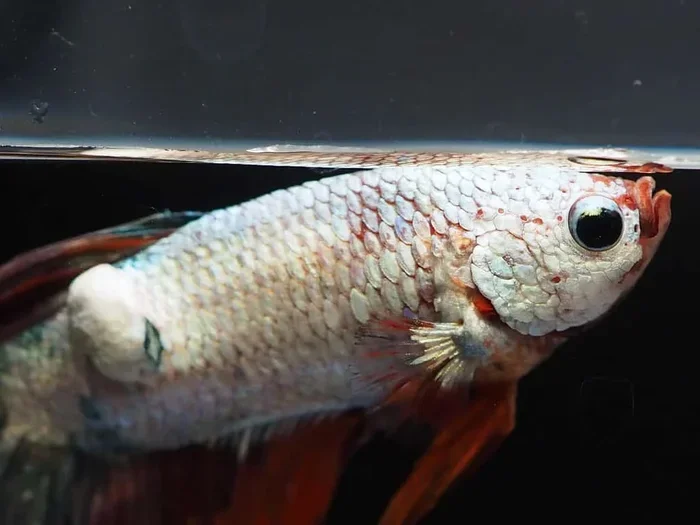
A healthy betta is vibrant and colorful. When stressed, their colors fade significantly. You may notice white or pale patches on their body. This happens because stress hormones redirect blood flow away from the skin. The result is a dull, washed-out appearance.
If your betta starts looking pale, check the water parameters first. Color fading is often an early warning sign. Catching it early gives you time to fix the problem before it gets worse.
Stress Stripes
Stress stripes are dark horizontal lines that appear on a betta’s body. They are more common in female bettas but can appear in males too. These stripes are a direct response to anxiety or discomfort.
You will usually see them running along the side of the fish. They look like thin, dark lines that run from head to tail. If you notice stress stripes, it means your betta needs attention. Fix the water quality and check for aggressive tank mates right away.
Clamped Fins
Healthy bettas hold their fins open and flowing. A stressed betta clamps its fins close to its body. This is one of the most recognizable stress signs. Clamped fins make the fish look tight and uncomfortable.
You might also notice fins twitching or shaking. This indicates irritation, possibly from poor water conditions. If your betta keeps its fins closed for more than a day, take action immediately.
Hiding and Lethargy
Bettas are naturally curious fish. They explore their tank and interact with their surroundings. A stressed betta hides behind decorations or stays in one spot all day. Lethargy is a serious sign that something is wrong.
Some bettas also stop eating when they are stressed. If your fish ignores food for more than two days, you need to investigate. This behavior often links to illness, so knowing how to tell if my betta fish is sick is important too.
Excessive Flaring
Flaring is normal in small amounts. Bettas flare when they see their reflection or a perceived threat. But constant, prolonged flaring is a sign of chronic stress. Your betta feels it must defend its territory all the time.
This constant display exhausts the fish. It weakens their immune system over time. If your betta flares at everything in the tank, consider reducing visual triggers. Move the tank to a quieter spot and avoid placing it near mirrors or bright reflections.
Rapid Breathing
A stressed betta breathes faster than normal. You may notice their gills moving rapidly. This can also be a sign of low oxygen levels in the water. Either way, rapid breathing means your fish is not comfortable.
Check the water temperature and filtration. A sponge filter provides gentle flow that does not stress the fish. Also make sure the water temperature stays between 78 and 80 degrees Fahrenheit. Bettas are tropical fish and need warm, stable conditions.
Loss of Appetite
Most bettas are eager eaters. A stressed betta loses interest in food quickly. They may spit out pellets or simply ignore them altogether. Loss of appetite is a clear signal that something is off.
Try offering different foods like frozen bloodworms or brine shrimp. If your betta still refuses to eat for several days, it is time to look deeper. Stress and illness often go hand in hand. Being able to tell if my betta fish is sick versus just stressed makes all the difference.
How Stress Affects Betta Fish Health
Stress is not just a mood problem. It has real physical effects on betta fish. A stressed immune system struggles to fight off disease. Common illnesses linked to stress include ich, fin rot, and velvet disease.
When your betta is constantly stressed, it burns energy just trying to cope. This leaves less energy for growth, color, and overall vitality. Over time, chronic stress can shorten a betta’s lifespan significantly.
If you suspect your betta is stressed and showing symptoms of illness, learning how to treat a stressed betta fish early can prevent more serious complications. The faster you act, the better the outcome for your fish.
Common Stress-Related Illnesses
- Ich: White spots appear on the body and fins. Caused by a parasite that thrives in stressed fish.
- Fin Rot: Frayed or dissolving fins. Often triggered by poor water quality and stress.
- Velvet Disease: A gold or rust-colored dusting on the skin. Spreads quickly in stressed tanks.
- Swim Bladder Issues: Difficulty maintaining buoyancy. Stress can worsen existing swim bladder problems.
- Fungal Infections: White cotton-like growths on the body. More common in fish with weakened immune systems.
How to Reduce Stress in Your Betta Fish
Once you identify stress, the next step is fixing it. Here are practical ways to calm your betta and create a peaceful environment.
Improve Water Quality
Start with the basics. Test your water for ammonia, nitrite, and nitrate levels. Ammonia and nitrite should always read zero. Nitrates should stay below 20 ppm. Perform regular water changes and vacuum the gravel during each one.
Adding live plants helps too. Plants absorb nitrates and produce oxygen naturally. They also give your betta places to explore and rest. Keeping your water clean is the foundation of a stress-free life for your fish.
Create Hiding Spots
Bettas feel safer when they have places to hide. Add caves, plants, and decorations that provide cover. Live plants like java fern and anubias are excellent choices. They look natural and give your betta a sense of security.
Avoid sharp decorations that can tear fins. Soft silk plants and smooth caves work best. A well-decorated tank helps your betta feel at home.
Maintain a Stable Routine
Bettas thrive on consistency. Feed them at the same time every day. Perform water changes on a regular schedule. Keep the tank in a quiet area away from loud noises and direct sunlight.
Avoid moving the tank around unnecessarily. Stability in temperature, light, and routine keeps your betta calm. A predictable environment reduces anxiety and promotes healthy behavior.
Choose the Right Tank Mates
If you keep other fish with your betta, choose carefully. Avoid fish that are brightly colored or have long fins. These trigger territorial aggression. Stick to peaceful, bottom-dwelling species that stay out of your betta’s way.
If your betta shows constant signs of aggression or stress, consider keeping it alone. Many bettas do best as the only fish in the tank. This removes the risk of conflict entirely.
Provide Mental Stimulation
Bettas are smarter than people think. They get bored in empty tanks. Add variety to their environment with gentle water flow, floating plants, and interesting decorations. Some owners even train their bettas to follow their finger or eat from their hand.
Building a bond with your fish also reduces stress. Spend time near the tank and talk softly. Your betta will learn to recognize you and feel more secure. Learning how to grow a bond with your betta fish is one of the most rewarding parts of fish keeping.
When to Seek Help
Not all stress goes away with simple changes. If your betta shows signs of stress for more than a week despite your efforts, it is time to dig deeper. Persistent stress often points to an underlying health issue.
Look for additional symptoms like white spots, torn fins, or bloating. These may indicate disease that needs specific treatment. Knowing how to tell if my betta fish is sick versus just stressed helps you choose the right response. You may need to quarantine the fish and treat it with medication.
If your betta is showing severe signs of distress, understanding how to treat a stressed betta fish with salt baths or medication can make a big difference. Always research treatments carefully and avoid harsh chemicals.
Common Mistakes Bettas Owners Make
Even loving owners make mistakes that cause stress. Here are the most common ones to avoid.
- Overfeeding: This pollutes the water quickly and causes bloating and lethargy.
- Skipping water tests: You cannot see ammonia or nitrite with the naked eye. Testing is essential.
- Too small a tank: Bowls and vases do not provide enough space or stable conditions.
- Ignoring temperature: Cold water stresses bettas and weakens their immune system.
- Placing the tank near loud appliances: Vibrations and noise keep bettas on edge.
- Adding new fish too quickly: Every new tank mate changes the dynamic. Introduce slowly.
Final Thoughts
Learning how to tell when a betta fish is stressed is one of the most important skills you can develop as a fish owner. Stress affects every part of your betta’s life, from their color and appetite to their immune system and lifespan. The signs are there if you know where to look.
Keep your water clean, your tank stable, and your environment peaceful. Watch for changes in behavior and appearance every day. Early detection and quick action prevent most stress-related problems. A happy betta is a healthy betta, and a healthy betta can live up to five years or more with proper care.
Take what you have learned here and put it into practice today. Your betta will thank you with bright colors, active swimming, and a calm, relaxed demeanor. That is what every fish owner wants to see.
Frequently Asked Questions
What are the first signs of stress in a betta fish?
The first signs are usually color fading, clamped fins, and hiding more than usual. You may also notice your betta eating less or staying still in one spot. These early signs are easy to spot if you observe your fish daily.
Can stress kill a betta fish?
Yes, chronic stress weakens the immune system and makes bettas vulnerable to diseases. Over time, untreated stress can lead to serious illness and even death. That is why catching stress early is so important.
How long does it take for a betta fish to recover from stress?
Mild stress often clears up within a few days once the cause is removed. More severe stress can take one to two weeks to fully resolve. Consistent tank maintenance and a calm environment speed up recovery.
Do betta fish get stressed by their own reflection?
Yes, bettas often flare at their reflection and see it as a rival. This constant territorial display causes chronic stress over time. Use a matte-finish tank background to reduce reflections and keep your betta calm.
Is a salt bath helpful for stressed bettas?
A mild salt bath can help reduce stress and treat minor infections. It works by easing gill function and promoting healing. Just make sure to use aquarium salt and follow proper dosing guidelines.
How can I tell the difference between stress and sickness in my betta?
Stress usually causes behavioral changes like hiding, clamped fins, and loss of appetite. Sickness often includes physical symptoms like white spots, torn fins, or bloating. If you are unsure, check your water quality first and look for visible physical signs. Learning how to tell if my betta fish is sick becomes easier with experience and observation.