How to Tell When a Betta Fish Is Sleeping
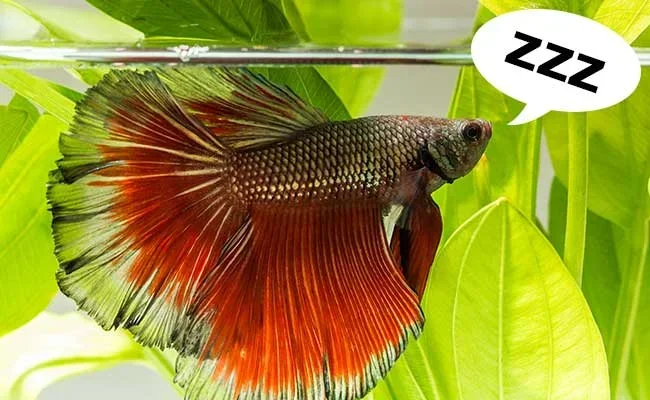
Betta fish do sleep, and they have some pretty interesting habits you might not expect. Knowing how to tell when a betta fish is sleeping helps you keep your fish healthy and happy. You can look for things like color changes, staying still, or hiding in unusual spots. This guide covers all the simple signs and tips every betta owner needs to know.
You stare at your betta fish tank late at night and wonder, “Is my fish sleeping?” It seems like they just float there or sit at the bottom doing nothing. But the truth is, betta fish do sleep. They just don’t do it the way we do. Understanding how to tell when a betta fish is sleeping is one of the most important skills you can learn as a fish owner. When you know what normal sleep looks like, you can spot problems early and keep your fish thriving.
Many new betta owners panic when they see their fish perfectly still. They think something is wrong. But often, the fish is just catching some zzzs. This article walks you through every sign of a sleeping betta. We will cover positions, timing, colors, and even how tank setup affects rest. By the end, you will be an expert at reading your betta’s sleep habits.
Key Takeaways
- Betta fish sleep differently than humans: They don’t close their eyes because they have no eyelids, so you need to watch for other clues.
- Common sleeping positions include lying on the bottom, floating near the surface, or curling up on plants: These are all normal behaviors.
- Sleep patterns change with light and tank conditions: A proper day-night cycle keeps your betta’s sleep schedule healthy.
- It’s important to tell the difference between sleeping and being sick: Some signs like lying on the bottom can mean either, so context matters.
- A dark, quiet tank at night helps bettas get quality rest: Small changes to your routine can improve their sleep dramatically.
- Young and older bettas may sleep more or less: Age plays a role in how much rest your fish needs each day.
- Water quality affects sleep: Clean, warm water supports healthy rest cycles for your betta.
📑 Table of Contents
- Do Betta Fish Actually Sleep?
- Signs Your Betta Fish Is Sleeping
- When Do Betta Fish Sleep?
- Sleeping vs. Sick: How to Tell the Difference
- How to Create the Perfect Sleep Environment
- Common Sleep-Related Mistakes Betta Owners Make
- Expert Insights on Betta Fish Sleep
- Frequently Asked Questions
- Conclusion
Do Betta Fish Actually Sleep?
Yes, betta fish sleep. Just like you and me, they need rest to stay healthy. Sleep helps their bodies heal, their minds reset, and their immune system stay strong. Without enough rest, a betta can become stressed, sick, or sluggish. But here is the tricky part: betta fish do not sleep the way we do.
They do not close their eyes because they do not have eyelids. So you cannot look for that classic sign of sleep. Instead, you need to watch for body language and behavior changes. Once you learn these cues, you will never second-guess yourself again.
How Much Sleep Does a Betta Fish Need?
Most betta fish need about 12 to 14 hours of rest each day. This does not mean they sleep for 12 hours straight. They take naps throughout the day and night. A healthy betta will have short periods of deep rest mixed with light dozing. Their sleep pattern often mirrors the light cycle in your home.
If your tank has a consistent day-night schedule, your betta will naturally fall into a rhythm. Morning light signals wake-up time. Dimming lights in the evening signal bedtime. This is why many experienced fish owners recommend turning off tank lights at night.
Signs Your Betta Fish Is Sleeping
Now let us get to the fun part. How can you actually tell when your betta is sleeping? There are several clear signs. Once you know what to look for, it becomes second nature.
Color Fading or Lightening
One of the most noticeable signs is a change in color. When a betta sleeps, its body produces less pigment. The vibrant colors you love can look pale or faded. Some bettas turn almost white when they nap. This is completely normal. When your fish wakes up, the colors will come back bright and bold.
This is also why many betta owners notice their fish looks “different” at night. Do not worry. Your fish is not losing color permanently. It is just resting.
Staying Completely Still
A sleeping betta fish will stay very still. It may hover in one spot or rest on the bottom of the tank. Some bettas lie flat on the substrate. Others rest on plant leaves or decorations. The key difference between sleeping and being in trouble is movement. A sleeping betta will still breathe steadily. You will see gentle gill movements. If the breathing is rapid or shallow, that might be a different issue.
Lying on the Bottom of the Tank
Many bettas love to rest on the bottom of the tank when they sleep. They may lie flat on the gravel or sand. This can look alarming if you do not expect it. But bottom-sleeping is a very common betta fish sleeping habit. Your fish feels safe and comfortable there.
However, if your betta is lying on the bottom and not eating or reacting, that could signal a health problem. This is where it helps to know the difference between how to tell if my betta fish is sick and normal sleep behavior. A sick fish will show other symptoms like clamped fins, loss of appetite, or labored breathing. A sleeping fish will wake up and respond normally.
Floating Near the Surface
Some bettas sleep near the water’s surface. They may float horizontally or tilt slightly. This position lets them rest while still being close to the air they need to breathe. Bettas are labyrinth fish, which means they breathe air from the surface. Sleeping near the top is perfectly natural for many fish.
Curling Up on Plants or Decorations
You might find your betta curled up on a leaf or tucked behind a decoration. This cozy position is another sign of peaceful sleep. Bettas often choose soft plants like java moss or broad-leaf plants as their favorite napping spots. If your tank has live plants, your betta might have a preferred “sleeping spot.”
When Do Betta Fish Sleep?
Betta fish are not strictly nocturnal or strictly diurnal. They sleep when the environment tells them to. Light is the biggest factor.
Nighttime Sleepers
Most bettas sleep more at night when the lights are off. In the wild, darkness signals safety and rest. Your tank should mimic this natural cycle. A consistent nighttime routine helps your betta feel secure and get quality rest.
Daytime Nappers
Many bettas also take naps during the day. You might notice your fish dozing in a patch of sunlight from a window. Or it might rest in a shady corner when the room is bright. These short naps add up throughout the day. Total rest time usually reaches 12 to 14 hours, including nighttime sleep and daytime naps.
How Tank Lighting Affects Sleep
The lighting in your home and tank plays a huge role in your betta’s sleep. Too much light can keep your fish stressed and awake. Too little light can confuse its internal clock. Here are some simple tips:
- Keep tank lights on for 8 to 10 hours a day. This gives your betta a clear day-night cycle.
- Use a timer. Automatic timers ensure lights turn on and off at the same time every day.
- Avoid placing the tank in direct sunlight. Uncontrolled light can disrupt sleep patterns.
- Dim room lights at night. A quiet, dim environment helps your betta settle down for sleep.
Sleeping vs. Sick: How to Tell the Difference
This is one of the most important parts of caring for a betta. Sometimes a sleeping fish looks very similar to a sick fish. You need to know the difference so you can act fast when it really matters.
Normal Sleep Behavior
A sleeping betta will:
- Stay still but breathe steadily
- Wake up when you approach the tank or feed it
- Return to normal color when active
- Maintain healthy fins and body posture
- Eat normally during feeding time
Signs of Illness That Look Like Sleep
A sick betta might:
- Stay still for long periods without waking up
- Have clamped fins held close to the body
- Show rapid or labored breathing even at rest
- Lose color and not recover when active
- Stop eating completely
- Lie on its side or tilt at an unusual angle
If you are ever unsure, it helps to understand how to know if a betta fish is dying versus simply resting. Dying fish often show multiple severe symptoms at once. Sleeping fish will bounce back to normal quickly once they wake up.
One common concern is when a betta lies on the bottom for hours. This could be sleep or it could be a sign of a serious issue. Use context clues. Did you just turn off the lights? Is it nighttime? Then your fish is probably sleeping. If it is midday and the fish has not moved for hours and refuses food, contact a vet or do further research.
How to Create the Perfect Sleep Environment
A good sleep environment makes a huge difference in your betta’s health and happiness. Here is how you can set up your tank for restful sleep.
Keep the Water Warm
Betta fish are tropical fish. They need warm water to stay healthy and sleep well. The ideal temperature range is 76 to 82 degrees Fahrenheit. Cold water can make a betta sluggish and disrupt its sleep cycle. If you do not have a heater, consider how to keep your betta fish warm without a heater as a temporary solution. But a proper aquarium heater is always the best long-term choice.
Maintain Clean Water
Dirty water stresses fish and ruins their sleep. Regular water changes and proper filtration keep the tank healthy. Learn more about how to take care of betta fish water to ensure your fish gets the best quality rest. Aim for 25 to 30 percent water changes every week. Test the water parameters regularly to keep ammonia and nitrite levels at zero.
Add Plants and Hiding Spots
Betta fish feel safer when they have places to hide and rest. Live plants like java moss, anubias, or java fern create cozy napping spots. You can also add caves, driftwood, or soft decorations. These give your betta choices for where it wants to sleep each night.
Reduce Noise and Vibrations
Bettas are sensitive to vibrations and loud noises. Placing the tank near a TV, speaker, or high-traffic area can disrupt sleep. Choose a quiet spot in your home. Keep the tank away from windows that get direct afternoon sun, as heat and algae growth can also cause problems.
Common Sleep-Related Mistakes Betta Owners Make
Even experienced fish owners make mistakes when it comes to betta sleep. Here are some common ones to avoid.
- Assuming stillness always means sleep: A motionless betta can also be stressed, dying, or seriously ill. Always check the context.
- Leaving lights on all the time: This confuses the fish’s internal clock and causes chronic stress.
- Disturbing the fish while it sleeps: Tap the glass or shine a flashlight on your sleeping betta. Let it rest peacefully.
- Ignoring nighttime activity: Some bettas are more active at night. This does not mean they are not sleeping. It just means they have a different schedule.
- Not adjusting for seasonal light changes: As days get shorter in winter, your betta may sleep more. This is normal and seasonal.
Expert Insights on Betta Fish Sleep
Fish experts and experienced betta breeders agree on a few key points about betta sleep. First, every fish has its own personality. Some bettas are heavy sleepers. Others are light sleepers and wake up easily. Second, age matters. Younger bettas tend to be more active and sleep less. Older bettas often nap more frequently. Third, tank mates can affect sleep. If your betta shares a tank with other fish, it may sleep more lightly or choose different spots to rest.
Understanding your individual fish is the best approach. Watch its patterns over a week or two. You will start to notice when it usually naps, where it likes to sleep, and what its normal resting behavior looks like. This knowledge is invaluable for catching health issues early.
Frequently Asked Questions
Do betta fish close their eyes when they sleep?
No, betta fish do not have eyelids, so they cannot close their eyes. This is why you must look for other signs like stillness, color fading, and specific sleeping positions to know when your betta is resting.
Why is my betta fish lying on the bottom of the tank?
Your betta might be sleeping, which is perfectly normal. However, if it stays on the bottom for a long time, refuses food, or shows other symptoms, it could be a sign of illness or stress. Use context to determine the cause.
How can I tell if my betta is sleeping or dead?
A sleeping betta will have steady, gentle gill movements and will respond when you approach or feed it. A dead betta will be completely unresponsive, may float or sink, and will show no signs of breathing. Check for gill movement and fin response to be sure.
Is it normal for my betta to sleep a lot?
Yes, bettas need 12 to 14 hours of rest daily. If your fish is young and healthy, it may take short naps throughout the day and sleep more at night. However, sudden changes in sleep patterns can signal stress or illness.
Should I turn off my betta fish tank light at night?
Yes, turning off the tank light at night helps your betta maintain a healthy sleep cycle. Aim for 8 to 10 hours of light per day and provide darkness for the remaining hours. A timer makes this easy to manage.
Can stress cause my betta to sleep more than usual?
Yes, stress can make a betta fish sleep more or behave differently. Common stressors include poor water quality, loud noises, aggressive tank mates, and sudden temperature changes. Address the source of stress to help your fish return to normal sleep patterns.
Conclusion
Learning how to tell when a betta fish is sleeping is one of the simplest and most rewarding things you can do as a fish owner. You now know the key signs to watch for. You understand how lighting and tank setup affect rest. And you can confidently tell the difference between a sleeping betta and a sick one. Your fish depends on you for a safe, comfortable environment. By paying attention to its sleep habits, you are giving it the best care possible. Watch closely, learn your fish’s unique patterns, and enjoy the peaceful moments when your betta is fast asleep.