How to Tell If Your Betta Fish Isdying
Knowing how to tell if your betta fish is dying can mean the difference between life and death for your pet. Betta fish show clear warning signs like color fading, lethargy, and loss of appetite before their condition becomes critical. This guide walks you through every symptom, cause, and action step you need to know to help your fish.
Watching your betta fish struggle can be scary and heartbreaking. You notice something is wrong, but you are not sure how serious it is. How to tell if your betta fish is dying is a question many fish owners face at some point. The good news is that betta fish give clear warning signs before their condition becomes critical. The sooner you recognize these signals, the better your chances of helping your fish recover.
This guide covers every sign, cause, and step you can take when your betta fish is in trouble. We will walk through physical symptoms, behavioral changes, common causes, and emergency actions. Whether your fish is showing minor warning signs or is in a serious state, you will find practical advice here. Let us get started so you can help your betta fish right away.
Key Takeaways
- Early detection saves lives: Spotting the first signs of a dying betta fish gives you the best chance to intervene and help.
- Physical changes are clear indicators: Color fading, clamped fins, and swollen bodies are all red flags that need immediate attention.
- Behavioral shifts matter just as much: Lethargy, hiding, and loss of appetite are among the top betta fish dying signs.
- Water quality is a leading cause: Poor tank conditions can quickly push a betta fish toward a life-threatening state.
- Quick action works: Knowing what to do when your betta fish is dying can help you stabilize your fish before seeking professional care.
- Prevention is always better than cure: Regular maintenance and proper feeding keep your betta fish healthy and thriving.
📑 Table of Contents
Common Signs Your Betta Fish Is Dying
Betta fish are hardy creatures, but they are not invincible. When a betta fish starts to decline, the signs are usually visible. Understanding these betta fish dying signs early on can make a huge difference in the outcome.
Here are the most common warning signs to watch for:
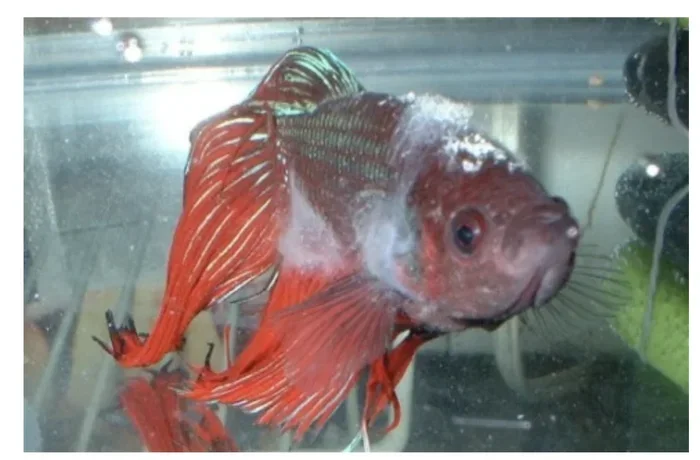
- Color fading: A healthy betta fish has vibrant, bright colors. When a fish is dying, its colors often turn pale or dull. You may notice white patches or a grayish tint developing on the body.
- Clamped fins: When a betta fish holds its fins close to its body instead of spreading them out, this is a sign of stress or illness.
- Lethargy: A dying betta fish becomes very still. It may rest at the bottom of the tank or float near the surface without moving much.
- Loss of appetite: If your fish refuses food for more than two days, this is a serious red flag.
- Labored breathing: Rapid or shallow gill movements indicate that your fish is struggling to breathe properly.
- Body swelling: A bloated or pinecone-like appearance (where scales stick out) is a sign of severe internal issues.
Not every symptom means your fish is dying. Some signs overlap with common betta fish illnesses that are treatable. But when multiple symptoms appear at once, you need to act fast.
How to Tell the Difference Between Sick and Dying
It is important to understand the difference between a sick betta fish and a dying one. A sick fish may show some of the same symptoms but still has a fighting chance with proper treatment. A dying fish is in the final stages of decline and needs immediate emergency care.
A sick betta fish might still eat occasionally, respond to your presence, or swim around the tank. A dying betta fish will show little to no response. It may not eat at all, stay in one spot, or breathe with visible difficulty. If your fish stops responding to its environment entirely, the situation is very serious.
For more details on identifying a sick fish, check out our guide on how to tell if my betta fish is sick. This resource helps you catch problems early before they become life-threatening.
Behavioral Changes That Signal Trouble
Betta fish are expressive creatures. They have distinct personalities and routines. When something is wrong, their behavior changes in noticeable ways. Paying attention to these behavioral changes is one of the best ways to catch problems early.
Here are the behavioral warning signs you should never ignore:
- Hiding or staying in corners: A healthy betta fish explores its tank. If your fish suddenly hides behind decorations or stays in one corner, it is trying to protect itself because it feels weak or unwell.
- Drifting or sinking: A fish that sinks to the bottom and cannot maintain its position is in serious trouble. This can also be a sign of swim bladder disease, which affects buoyancy.
- Flashing or rubbing against objects: If your fish rubs its body against the gravel or tank walls, it may be trying to relieve irritation from parasites or poor water conditions.
- Loss of interest in food: Bettas are typically eager eaters. A sudden disinterest in food is one of the strongest betta fish health indicators that something is wrong.
- Erratic swimming: Spiraling, twitching, or swimming sideways can indicate neurological issues or severe stress.
Keep in mind that every betta fish has a unique personality. Some are more active, while others are more relaxed. The key is to notice changes from your fish’s normal behavior. If your usually playful fish suddenly becomes unresponsive, that is a clear warning sign.
Why Behavior Changes Happen
Behavioral changes in betta fish can stem from several causes. Poor water quality, sudden temperature drops, aggressive tank mates, and disease all play a role. Sometimes, a simple change like aquarium water quality declining can cause stress that leads to more serious health problems over time.
If you notice your fish won’t eat and is acting strangely, this combination is especially concerning. For guidance on handling feeding issues, our article on what to do when your betta fish won’t eat offers practical solutions you can try right away.
Common Causes of Betta Fish Decline
Understanding why a betta fish starts dying helps you prevent it from happening in the first place. Several factors contribute to a betta fish’s decline, and many of them are within your control.
| Cause | Description | Prevention Level |
|---|---|---|
| Poor Water Quality | Buildup of ammonia, nitrites, and nitrates in the tank irritates the fish and weakens its immune system. | High |
| Incorrect Temperature | Betta fish need warm water between 76-82°F. Cold water slows their metabolism and makes them vulnerable to disease. | High |
| Overfeeding | Excess food rots in the tank and pollutes the water. It also causes bloating and swim bladder issues. | High |
| Infections and Diseases | Bacterial, fungal, and parasitic infections can take hold quickly, especially in stressed or weakened fish. | Medium |
| Old Age | Betta fish typically live 3 to 5 years. Natural aging comes with declining organ function and weakened immunity. | Low |
| Stress from Environment | Bright lights, loud noises, aggressive tank mates, and small tanks all cause chronic stress. | Medium |
The most common culprit behind a dying betta fish is poor water quality. In small tanks or bowls, toxins build up fast. Ammonia spikes can damage a fish’s gills within hours. Regular water changes and proper filtration are essential for keeping your betta fish healthy.
Temperature also plays a huge role. Betta fish are tropical fish that need consistent warmth. If the water drops below 74°F, their immune system weakens significantly. Using a reliable heater and thermometer helps maintain stable conditions.
The Role of Water Quality in Betta Fish Health
Think of water quality as the foundation of your betta fish’s health. Just like humans need clean air to breathe, fish need clean water to thrive. When the water becomes toxic, every system in the fish’s body starts to shut down.
Testing your water regularly with a liquid test kit is one of the best things you can do. You should check for ammonia, nitrites, and nitrates weekly. Zero ammonia and zero nitrites should always be your goal. Nitrates should stay below 20 ppm.
For tips on maintaining clean water, our guide on how to change your betta fish water provides step-by-step instructions that are easy to follow.
What to Do When Your Betta Fish Is Dying
If you have confirmed that your betta fish is dying, do not panic. There are several steps you can take right now to stabilize your fish and give it the best chance of recovery.
Step 1: Check the Water Parameters
Test the water immediately. Look for ammonia spikes, high nitrites, or pH swings. If any of these are out of range, perform a 50% water change with temperature-matched water. Use a water conditioner to remove chlorine and chloramine from tap water.
Step 2: Raise the Temperature Slightly
Increasing the water temperature to around 80-82°F can help boost your fish’s metabolism and immune response. Do not raise the temperature too quickly. Gradual changes are safer and less stressful for the fish.
Step 3: Isolate the Fish
If you have a community tank, move the sick fish to a separate hospital tank. This prevents the spread of disease and reduces stress from other fish. A simple 5-gallon tank with a gentle filter works well as a quarantine setup.
Step 4: Offer Easy-to-Digest Food
Try offering a small amount of high-quality betta pellets or frozen bloodworms. If your fish refuses to eat, do not force it. You can also try soaking the food in garlic juice, which can stimulate appetite in sick fish.
Step 5: Monitor Closely
Watch your fish every few hours. Note any changes in breathing rate, color, or movement. Keep a log of symptoms so you can track whether your fish is improving or getting worse.
For more detailed emergency care steps, check out our guide on how to make your betta fish healthy again. It covers treatment methods and recovery strategies in depth.
When to See a Vet
Sometimes home care is not enough. If your fish is gasping at the surface, completely immobile, or showing signs of severe infection, it is time to consult a fish veterinarian or an experienced aquatic specialist. Many online fish forums and local fish stores can also offer advice specific to your situation.
Prevention Tips for a Healthy Betta Fish
The best way to deal with a dying betta fish is to prevent the situation from happening in the first place. Prevention is simpler and far less stressful than trying to save a fish in critical condition.
Here are the most effective prevention strategies:
- Keep the tank clean: Perform partial water changes every week. A 25-30% water change is ideal for a 5-gallon tank or larger.
- Use a heater and thermometer: Maintain a steady temperature between 76-82°F. Fluctuations stress your fish and weaken its immune system.
- Feed appropriately: Feed your betta fish 2-3 pellets twice a day. Do not overfeed. Remove any uneaten food after 5 minutes.
- Provide enrichment: Add plants, caves, and open swimming space. A stimulating environment keeps your betta fish happy and active.
- Quarantine new fish: If you add new fish to your tank, keep them in a separate tank for 2-4 weeks to make sure they are healthy.
- Watch for early signs: Regular observation is your best tool. Spend a few minutes each day watching your fish for any changes in behavior or appearance.
For tips on keeping your tank warm and stable, read our guide on how to keep your betta fish warm. Temperature stability is one of the simplest yet most impactful things you can do for your fish’s health.
Quick Tips for Daily Betta Fish Care
- Check the temperature every morning.
- Look at your fish during feeding time for any appetite changes.
- Wipe down the inside of the tank glass to reduce algae buildup.
- Observe your fish’s fin position and swimming pattern.
- Keep the tank lights on a consistent schedule (8-10 hours per day).
These small daily habits add up over time. They help you catch problems early and keep your betta fish thriving for years. A well-cared-for betta fish is far less likely to reach a dying state.
Understanding the Natural Lifespan of a Betta Fish
Every betta fish has a natural lifespan, and understanding this helps you set realistic expectations. On average, betta fish live between 3 and 5 years in captivity. Some well-cared-for fish have been known to live up to 7 years.
As your betta fish ages, you may notice natural changes. Colors might fade slightly. The fish may become less active. These are normal aging signs and do not necessarily mean your fish is dying. However, sudden or dramatic changes should always be investigated.
To learn more about identifying the age of your betta fish and what to expect, check out our guide on how to tell the age of a betta fish. Knowing your fish’s age helps you understand what is normal and what is a cause for concern.
It is also worth noting that betta fish bought from pet stores are often only a few months old. This means they still have many years of life ahead with proper care. Giving your fish the best environment possible from day one sets the foundation for a long, healthy life.
Emotional Support for Fish Owners
Losing a pet fish is genuinely heartbreaking. Many people underestimate the bond they form with their betta fish. These creatures recognize their owners, respond to their presence, and develop unique personalities over time.
If you are going through the difficult experience of watching your betta fish decline, know that you are not alone. Many fish owners have been through the same emotional journey. The fact that you are here, learning how to help, shows how much you care.
Do what you can with the knowledge and tools you have. Sometimes, despite your best efforts, a fish may not recover. In those cases, give yourself grace. You showed your fish love and care, and that matters more than you know.
If your fish does pass, take time to grieve. Consider honoring your pet by sharing what you learned with other fish owners. Your experience can help someone else save their fish in the future.
Conclusion
Knowing how to tell if your betta fish is dying empowers you to act quickly and give your fish the best possible chance. The signs are there if you know what to look for. Color fading, clamped fins, lethargy, loss of appetite, and labored breathing are all signals that your fish needs help. Understanding the common causes, from poor water quality to disease, helps you address the root problem. And taking immediate action, whether through water changes, temperature adjustments, or emergency care, can make all the difference.
Prevention remains your strongest tool. Clean water, stable temperatures, proper feeding, and daily observation keep your betta fish healthy and vibrant. Every fish owner wants their pet to thrive, and with the right knowledge, you can make that happen.
Stay attentive, stay caring, and never hesitate to seek professional help when your fish needs it. Your betta fish depends on you, and you are its best chance at a happy, healthy life.
Frequently Asked Questions
How do I know if my betta fish is dying or just sick?
A dying betta fish shows multiple severe symptoms at once, such as extreme lethargy, complete loss of appetite, labored breathing, and unresponsiveness. A sick fish may show some of these signs but still eats occasionally or responds to its environment. If your fish stops eating entirely and becomes immobile, the situation is likely critical.
Can a dying betta fish be saved?
It depends on the cause and how quickly you act. If poor water quality is the issue, a large water change and temperature adjustment can work wonders. For diseases, early treatment with appropriate medication gives the best chance of recovery. However, if the fish is in its final stages of old age, recovery may not be possible.
What should I do immediately if my betta fish is gasping at the surface?
Gasping at the surface usually means low oxygen levels or toxic water. Perform a 50% water change with dechlorinated water right away. Check ammonia and nitrite levels. Raise the temperature slightly to increase oxygen exchange. If the gasping continues, consider adding an air stone to increase water movement and oxygen.
How long can a betta fish survive in poor water conditions?
A betta fish exposed to high ammonia or nitrite levels can deteriorate within 24 to 48 hours. The longer the exposure, the more damage occurs to the gills and internal organs. Regular water testing and weekly water changes are essential to prevent this rapid decline.
Is it normal for a betta fish to stop eating before it dies?
Loss of appetite is one of the most common signs of a dying betta fish. However, skipping a meal or two is not always a cause for alarm. If your fish refuses food for more than two days and shows other symptoms like lethargy or color fading, you should take immediate action.
What causes a betta fish to turn white before dying?
White coloration in a dying betta fish can be caused by several factors, including severe stress, fungal infections, columnaris disease, or organ failure. If your fish is turning white and showing other decline symptoms, test your water parameters immediately and consider isolating the fish in a hospital tank for closer monitoring and treatment.