How to Tell a Happy Betta Fish
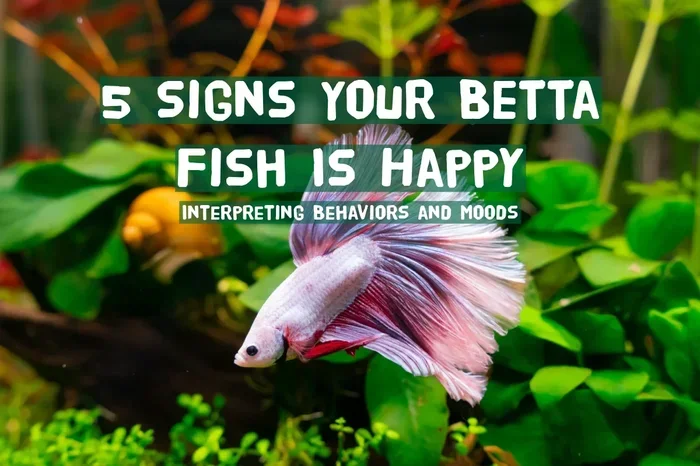
A happy betta fish shows bright colors, active swimming, a healthy appetite, and builds bubble nests. Understanding your betta’s body language, tank environment, and daily habits helps you spot the signs of a content and healthy fish. This guide covers the top indicators of betta fish happiness so you can keep your pet thriving.
Watching your happy betta fish glide through the water is one of the most rewarding feelings in the hobby. But how do you actually know if your betta is content? Many fish owners assume their fish is fine, but subtle changes in behavior, color, and appetite can tell a much deeper story. In this guide, you will learn the exact signs of a happy betta fish so you can be confident your pet is thriving.
Betta fish are more expressive than most people realize. They communicate how they feel through their body, their energy, and their daily routines. Once you know what to look for, reading your betta becomes second nature. Whether you are a new owner or have had bettas for years, this article will help you understand betta fish behavior on a whole new level.
The good news is that keeping a healthy betta fish is not complicated. It comes down to a few key areas: tank setup, water quality, feeding, and observation. We will walk through each one in detail so you have a clear action plan. Let us dive into the signs that show your betta is truly happy.
Key Takeaways
- Vibrant colors and extended fins are the clearest visual signs of a happy betta fish.
- Active swimming and curiosity show your betta feels safe and engaged in its environment.
- A healthy appetite and regular eating habits signal good physical and mental health.
- Bubble nest building is a strong indicator of a relaxed, content male betta.
- A clean, warm tank with proper water conditions is the foundation of betta happiness.
- Recognizing unhappy signs early helps you fix problems before they become serious.
- Daily interaction and enrichment strengthen the bond between you and your betta.
📑 Table of Contents
Signs Your Betta Fish Is Happy
The easiest way to gauge your betta’s mood is by watching for visible signs of happiness. These indicators are consistent across most bettas, regardless of their age or variant. If you notice several of these signs together, your fish is in great shape.
Bright, Vibrant Colors
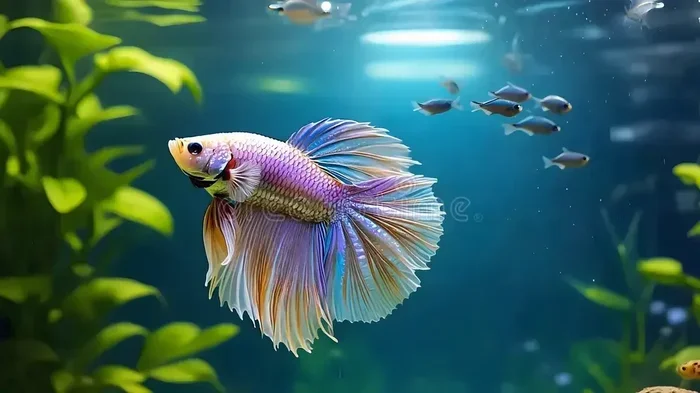
A happy betta fish displays rich, vivid colors. When a betta feels safe and content, its pigments become more intense. You will notice deeper reds, brighter blues, and more defined patterns across the fins and body. This is one of the most reliable betta fish health indicators you can observe at home.
On the flip side, a stressed or unhappy betta often looks pale or washed out. Color fading is an early warning sign that something in the environment needs attention. If your betta’s colors suddenly dull, check the water parameters and look for other stress factors.
Extended, Flowing Fins
When a betta is happy, its fins spread wide and flow gracefully through the water. A content fish holds its fins open rather than clamping them close to the body. This relaxed fin posture is a beautiful sight and a clear signal of comfort.
If you notice your betta constantly holding its fins tight against its body, this could indicate stress or illness. Fin clamping is one of the most common betta fish stress signs and should be addressed quickly. Improving water quality and reducing sudden movements near the tank often helps.
Active Swimming Patterns
A happy betta swims with purpose and energy. You will see your fish exploring the tank, gliding from one spot to another, and occasionally stopping to observe its surroundings. This kind of active betta fish behavior shows mental stimulation and physical well-being.
Some happy bettas even do little loops or dance-like movements near the surface. These playful behaviors are especially common in younger fish. If you notice your betta swimming energetically but not erratically, that is a great sign of a content fish.
Healthy Appetite
Eating habits are a powerful window into your betta’s emotional state. A healthy betta fish eagerly swims to the surface when it is feeding time. A happy betta will eat its full portion without hesitation and show interest in whatever food you offer.
Skipping meals occasionally is normal, but a consistent refusal to eat is a red flag. If your betta stops eating for more than two days, investigate the cause. It could be related to water temperature, illness, or environmental stress. For feeding guidelines, check out our guide on how many times a day to feed a betta fish for best practices.
Bubble Nest Building
Male bettas build bubble nests when they feel safe and comfortable. This behavior is one of the strongest signs of a content betta fish. The nest is a collection of tiny bubbles on the water surface, and it shows your male betta is in a relaxed state of mind.
Not all bettas build bubble nests, and that is okay too. Female bettas rarely build them. But if you have a male and notice a neat little nest forming, take it as a compliment. It means your tank conditions are meeting your betta’s needs. You can learn more about how to tell the age of a betta fish since younger, healthier males tend to build nests more frequently.
Understanding Betta Fish Body Language
Just like dogs wag their tails when happy, bettas use body language to communicate their feelings. Learning to read these signals helps you respond to your fish’s needs faster and more effectively.
Relaxed Body Posture
A happy betta fish holds its body in a neutral, relaxed position. The body is neither stiff nor hunched. Fins hang naturally, and the fish moves with a smooth, flowing motion. This posture tells you your betta feels no threat or discomfort in its environment.
A tense or hunched body often signals pain or stress. Watch for any sudden changes in posture, especially after water changes or tank rearrangements. Bettas are sensitive to their surroundings, and even small changes can affect how they hold their bodies.
Flaring Behavior
Betta flaring gets a bad reputation, but it is actually a normal behavior. A happy betta may flare its gills and fins occasionally, especially when it sees its reflection or encounters a new object. This is a natural display of confidence, not aggression.
However, constant flaring without a clear trigger can indicate chronic stress. If your betta flares at everything, including you, the tank may be too close to high-traffic areas. Try moving the tank to a quieter spot and see if the behavior improves.
Response to You
Many betta owners are surprised to learn that their fish recognizes them over time. A happy betta will often swim toward you when you approach the tank. This excitement shows your fish associates you with positive experiences, like feeding and care.
Some bettas even follow your finger along the glass or rest near the surface when you are nearby. This kind of betta fish bonding is a wonderful indicator of trust and comfort. It takes time to build, so be patient and consistent with your interactions.
The Role of Tank Environment in Betta Happiness
The environment you create for your betta directly shapes how happy and healthy it feels. A well-designed tank reduces stress and encourages natural behaviors. Here is what you need to focus on.
Water Temperature and Quality
Bettas are tropical fish that need warm, stable water. The ideal temperature range is between 78 and 80 degrees Fahrenheit. Cold water makes bettas sluggish and prone to illness, while hot water causes stress and oxygen depletion.
Water quality matters just as much. Ammonia and nitrite levels should always be at zero, and nitrate should stay below 20 parts per million. Regular water changes and proper filtration keep the environment clean. For a detailed guide on maintaining water quality, see our article on how to take care of betta fish water.
Tank Size and Setup
A common myth says bettas thrive in tiny bowls. In reality, a happy betta fish needs space to swim and explore. A tank of at least 5 gallons is recommended for a single betta. Larger tanks provide more stable water parameters and room for enrichment.
Adding gentle plants, hiding spots, and open swimming areas creates a stimulating habitat. Bettas love having places to rest near the surface and explore at mid-level. For tips on setting up the perfect home, check out our guide on how to set up a fish tank for betta fish.
Lighting and Noise Levels
Bettas do best with a regular day-night light cycle. A standard aquarium light on a timer works perfectly. Avoid placing the tank near loud speakers or high-traffic areas. Excessive noise and vibrations can make your betta feel anxious and threatened.
A calm, quiet environment helps your betta stay relaxed and display its natural behaviors. If you have children or pets, try to position the tank where it will not be disturbed constantly. Stable, predictable conditions are the foundation of betta happiness.
Feeding and Diet: How It Affects Happiness
What and how you feed your betta plays a bigger role in its mood than most people realize. A proper diet supports vibrant colors, strong immunity, and steady energy levels.
The Best Foods for Betta Fish
Bettas are carnivorous by nature. Their diet should be rich in protein from sources like brine shrimp, bloodworms, and high-quality betta pellets. Variety is key to keeping your fish interested and nourished. A healthy betta fish gets excited at mealtime and eats with enthusiasm.
Avoid feeding your betta exclusively flakes meant for tropical community fish. These lack the protein levels bettas need. Frozen and freeze-dried foods make excellent supplements. Soak dry foods before feeding to prevent digestive issues like bloating.
Feeding Schedule and Portions
Feeding your betta once or twice a day with small portions is the ideal routine. Overfeeding is one of the most common mistakes new owners make. Excess food fouls the water quickly and can lead to health problems.
A good rule of thumb is to offer only what your betta can eat in two minutes. Remove any uneaten food afterward to keep the tank clean. For more specific feeding guidance, visit our article on how many pellets to feed a betta fish.
Fasting Days
Giving your betta a fasting day once a week can do wonders for its digestive health. Many experienced keepers recommend skipping one feeding per week. This helps prevent constipation and keeps the tank water cleaner between feedings.
Do not worry if your betta seems extra eager on feeding day after a fast. That burst of excitement is actually a sign of a happy, healthy fish. Just make sure to resume the normal feeding schedule the next day.
Common Signs of an Unhappy Betta Fish
Knowing what happiness looks like helps you spot the opposite just as quickly. Recognizing unhappy betta fish signs early allows you to make changes before problems escalate.
- Faded or dull colors often signal stress, poor water quality, or illness.
- Clamped fins pressed tightly against the body indicate discomfort or fear.
- Lethargy and staying in one spot for long periods are warning signs.
- Loss of appetite lasting more than two days needs immediate attention.
- Rapid breathing or gasping at the surface can point to low oxygen or ammonia spikes.
- Hiding constantly behind decorations or in corners suggests the fish feels unsafe.
If you notice any combination of these signs, test your water parameters first. Most problems trace back to ammonia, nitrite, or temperature issues. Once the environment is corrected, many bettas bounce back quickly and return to their cheerful, active selves.
How to Keep Your Betta Fish Happy Long-Term
Maintaining betta fish happiness is an ongoing process. It requires consistency, observation, and a willingness to adjust as your fish’s needs change over time.
Daily Observation Routine
Spend a few minutes each day watching your betta. Look for changes in color, swimming pattern, and appetite. Catching subtle shifts early makes a huge difference in preventing problems. This daily habit also strengthens your bond with your fish.
Keep a simple log if you are tracking anything specific, like feeding amounts or water test results. Over time, you will start to notice patterns that help you understand your betta’s individual personality and preferences.
Regular Tank Maintenance
Consistent maintenance is the backbone of a happy betta. Perform partial water changes of 25 to 30 percent every week. Clean the glass, check the filter, and vacuum the substrate gently. A clean tank reduces the risk of disease and keeps your betta feeling its best.
For a deeper dive into cleaning routines, see our guide on how often to clean a betta fish tank. Sticking to a schedule makes maintenance feel less overwhelming and more like a natural part of your routine.
Enrichment and Stimulation
Bettas are curious creatures that benefit from mental stimulation. Add floating plants, gentle current makers, or even a mirror for short observation sessions. Some owners train their bettas to follow a finger or swim through a hoop, which provides excellent enrichment.
Keep in mind that every betta has a unique personality. Some are bold and playful, while others are calm and shy. Respecting your fish’s individual temperament goes a long way in keeping it genuinely content.
When to Seek Help
Even with the best care, bettas can sometimes fall ill. If you notice symptoms like white spots, torn fins, or unusual swelling, act quickly. Common conditions like ich and fin rot are treatable when caught early. For guidance on treating specific illnesses, our article on how to treat ich on a betta fish provides detailed steps.
Connecting with experienced betta keepers online can also provide valuable support. Forums and communities are full of people who have dealt with similar issues and can offer practical advice. Never hesitate to reach out when something seems off with your fish.
Conclusion
Telling if your betta fish is happy comes down to paying attention to the details. Bright colors, flowing fins, active swimming, a strong appetite, and bubble nest building are all clear signals of a content fish. On the other hand, faded colors, clamped fins, lethargy, and loss of appetite tell you something needs to change.
The environment you provide, the food you offer, and the time you spend observing all shape your betta’s overall well-being. By following the tips in this guide, you give your fish the best possible life. A happy betta is a joy to watch, and the bond you build with your fish makes every effort worthwhile. Keep learning, stay consistent, and enjoy the journey of being a betta fish owner.
Frequently Asked Questions
How can I tell if my betta fish is happy or sad?
A happy betta shows bright colors, active swimming, and a healthy appetite. A sad or stressed betta looks pale, stays in one spot, and may refuse food. Comparing these two sets of signs helps you quickly assess your fish’s emotional state.
Do betta fish get lonely?
Bettas are solitary fish and do not need tank mates to be happy. In fact, housing two male bettas together often causes aggression. A well-setup tank with enrichment and regular interaction from you is enough to keep a single betta content.
Can a betta fish die from stress?
Yes, chronic stress weakens a betta’s immune system and can lead to serious illness or death. Common stressors include poor water quality, cold temperatures, and overcrowding. Keeping the tank environment stable and clean is the best way to prevent stress-related problems.
How often should I interact with my betta fish?
A few minutes of observation and gentle interaction each day is plenty. Bettas respond well to a consistent routine. Over-handling or tapping on the glass can cause stress, so always approach the tank calmly and quietly.
What tank size is best for a happy betta?
A tank of at least 5 gallons is recommended for a single betta. Larger tanks provide more stable water parameters and more swimming space. Avoid keeping bettas in bowls smaller than 3 gallons, as these make it harder to maintain good water quality.
Do female bettas show happiness differently than males?
Female bettas display many of the same happiness signs as males, including bright colors and active swimming. However, females rarely build bubble nests. If you want to learn more about identifying gender-specific behaviors, check out our guide on how to tell a female betta fish from a male.
=== INTERNAL LINKS USED ===
Internal links used in this article:
- how to tell a female betta fish from a male
- how to tell the age of a betta fish
- how to set up a fish tank for betta fish
- how to take care of betta fish water
- how many times a day to feed a betta fish
- how many pellets to feed a betta fish
- how often to clean a betta fish tank
- how to treat ich on a betta fish