How to Tell a Betta Fish& 39
Figuring out how to tell a betta fish gender is easier than most people think. Male and female bettas have clear differences in body shape, fin length, color intensity, and behavior. This guide walks you through every visual and behavioral clue so you can confidently identify whether your betta is male or female.
This is a comprehensive guide about how to tell a betta fish& 39.
Key Takeaways
- Body shape matters: Males are sleek and elongated, while females are rounder and shorter, especially when carrying eggs.
- Fin length is a big clue: Male bettas have long, flowing fins, whereas females have noticeably shorter fins.
- Color intensity differs: Males typically display brighter, more vivid colors compared to females.
- The egg spot helps: Females have a small white spot near their vent called the ovipositor.
- Behavior tells a story: Males are more aggressive and build bubble nests, while females are generally calmer.
- Stripes and markings change: Female bettas often show horizontal striping when ready to breed.
- Size differences exist: Males tend to be slightly larger overall than females.
[FEATURED_IMAGE_PLACEHOLDER]
You just brought home a beautiful betta fish, and you want to know if it is a boy or a girl. Maybe you are setting up a tank and need to figure out tank mates. Or perhaps you are curious about breeding. Whatever the reason, learning how to tell a betta fish gender is a fun and useful skill.
The good news is that male and female bettas look and act quite differently. Once you know what to look for, the differences become obvious. You do not need any special tools or experience. Just a keen eye and a little patience.
In this guide, we break down every way you can identify your betta’s gender. From body shape and fin length to color and behavior, we cover it all. By the end, you will feel confident telling male and female bettas apart every time.
Let us dive in and explore the fascinating world of betta fish gender identification.
Why Knowing Your Betta Fish Gender Matters
Understanding whether your betta is male or female goes beyond simple curiosity. It affects how you care for your fish, what tank setup you need, and even what tank mates are safe.
Male bettas are known for their aggression toward other males. Housing two males together almost always leads to fighting. On the other hand, female bettas can sometimes live together in groups called sororities, though this requires careful planning.
If you are interested in breeding, knowing the gender of each fish is absolutely essential. You cannot breed two males or two females together. Proper pairing makes the difference between a successful breeding experience and a stressful one for your fish.
Even for general care, gender plays a role. For example, how to tell a betta fish gender helps you decide on the right tank size, the best decorations, and the ideal water conditions for each sex.
Gender and Tank Setup
Male bettas often do better in tanks with gentle floating plants and open swimming areas. Females need more hiding spots when kept in groups. Knowing the gender helps you design a habitat that suits your fish’s natural instincts and needs.
Physical Differences Between Male and Female Betta Fish
The most reliable way to determine gender is by looking at physical traits. Let us walk through each one in detail.
Body Shape and Size
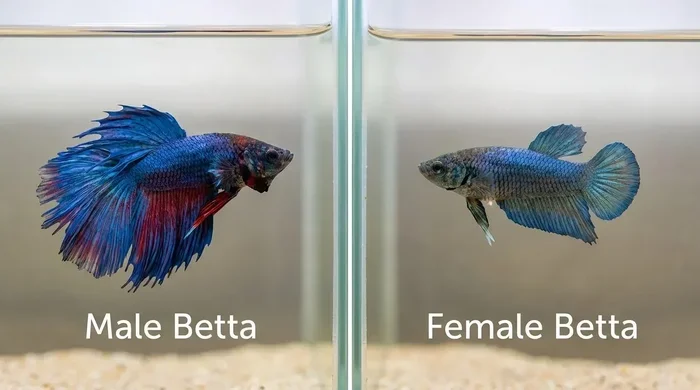
Male bettas have a long, slender, and streamlined body. They look sleek from head to tail. Female bettas, on the other hand, have a rounder, thicker body, especially around the belly area. When a female is carrying eggs, her belly becomes noticeably rounder and larger.
In terms of overall size, males tend to be slightly bigger than females. But the difference is subtle. The body shape is a much clearer indicator than size alone.
Fin Length and Shape
This is one of the most obvious differences. Male bettas have long, flowing fins that trail behind them as they swim. Their tail fins, also called caudal fins, can be several times longer than their body. The dorsal fin and anal fin are also elongated and dramatic.
Female bettas have much shorter fins. Their fins are still attractive but compact and close to the body. This shorter fin profile makes females look more streamlined and practical compared to the ornate appearance of males.
Color Intensity and Vibrancy
Male bettas tend to display brighter and more intense colors. Their reds are deeper, their blues are more vivid, and their patterns are more pronounced. This is because males evolved to attract mates, and bright colors play a big role in that process.
Females are usually more muted in color. They may still be colorful, but the hues are generally softer and less saturated. Some female bettas do show bright colors, especially when in breeding condition, but they are the exception rather than the rule.
The Egg Spot and Vent
Female bettas have a small white spot near their vent called the ovipositor. This is where eggs come out. It is a tiny dot, but once you know what to look for, it is a clear sign of a female.
Males do not have this spot. If you see a white dot near the underside of your betta, you are most likely looking at a female. This is one of the most definitive ways to confirm gender.
Stripes and Horizontal Markings
Female bettas sometimes develop horizontal striping across their bodies. These stripes, often called breeding stripes or vertical bars, appear when a female is ready to breed. They are a natural part of the breeding process and a strong indicator of female gender.
Males rarely show these stripes. If your betta has bold horizontal lines, there is a good chance it is a female.
Behavioral Differences Between Male and Female Betta Fish
Beyond physical appearance, male and female bettas behave differently. These behavioral clues can help confirm what you already suspect based on looks.
Aggression and Territorial Behavior
Male bettas are famously aggressive. They flare their gills, spread their fins, and even attack their own reflection. This territorial behavior is hardwired into male bettas, and it is one of the easiest ways to identify gender.
Females can also be territorial, but they are generally less aggressive than males. A group of females may establish a pecking order, but outright fighting is less common. If your betta constantly flares at anything it sees, it is very likely a male.
Bubble Nest Building
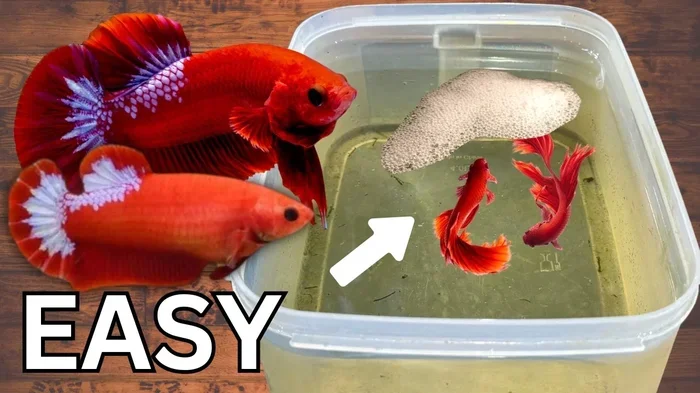
Male bettas are the bubble nest builders. They create a cluster of tiny bubbles on the surface of the water to prepare for potential offspring. This is a natural instinct and a clear sign that your betta is male.
Females do not build bubble nests. If you notice a cluster of bubbles floating near the surface, your betta is almost certainly a male. Some males build impressive nests, while others build small, messy ones. Either way, it is a male behavior.
Flaring and Display Behavior
Both males and females flare, but males do it far more often and with more intensity. A male will flare at other fish, at reflections, and even at moving objects outside the tank. Females may flare occasionally, but it is usually less dramatic and less frequent.
Quick Comparison: Male vs Female Betta Fish
Sometimes a side-by-side comparison makes things crystal clear. Here is a quick look at the key differences.
| Trait | Male Betta | Female Betta |
|---|---|---|
| Body Shape | Sleek and slender | Round and thicker |
| Fin Length | Long and flowing | Short and compact |
| Color Intensity | Bright and vivid | Muted and softer |
| Egg Spot | Absent | Present (small white dot) |
| Breeding Stripes | Rare | Common when ready to breed |
| Bubble Nests | Yes, regular builder | No |
| Aggression Level | High | Moderate |
| Overall Size | Slightly larger | Slightly smaller |
Keep in mind that individual fish can vary. Some females are more colorful than some males. Use multiple clues together for the most accurate identification.
Common Mistakes When Identifying Betta Fish Gender
Even experienced fish keepers sometimes mix up male and female bettas. Here are some common mistakes to avoid.
Relying on Color Alone
Color is not always a reliable indicator. Some females can be quite colorful, especially young females or specific color varieties. Always check multiple traits before making a conclusion.
Ignoring Age and Development
Young bettas may not yet show clear gender differences. Males develop longer fins and brighter colors as they mature. Females become rounder as they reach breeding age. If your fish is still young, wait a few weeks and recheck.
Confusing Female Aggression with Male Aggression
Females can be surprisingly feisty. A female that flares and chases other fish is not necessarily a male. Look at body shape and fin length to confirm.
Overlooking the Egg Spot
The egg spot is one of the most reliable indicators, yet many people forget to check for it. Get a good look at your betta’s underside. If you see a tiny white dot, you have a female.
Assuming All Long-Finned Fish Are Male
While males generally have longer fins, some females naturally grow slightly longer fins too. This is rare but does happen. Combine fin length with other traits for accuracy.
Expert Tips for Accurate Gender Identification
Want to get really good at telling betta fish apart? Here are some expert-backed tips that make a big difference.
Observe Your Fish from Multiple Angles
Look at your betta from the side, from above, and from the front. Each angle reveals different traits. The side view shows body shape. The top view highlights fin length. The front view can reveal the egg spot and color patterns.
Wait for the Right Moment
The best time to check for gender clues is during feeding time or when the fish is active. A stressed or sleeping betta may not display its true colors or behaviors. Watch your fish when it is alert and moving around.
Use a Flashlight for the Egg Spot
Shining a small flashlight gently behind the fish can make the egg spot more visible. The light passes through the body and highlights the small white dot near the vent area. This trick works especially well for females.
Compare with Reference Photos
If you are unsure, search for reference images of male and female bettas side by side. Comparing your fish to clear examples can help you spot the differences more easily. Many online resources and forums have high-quality photos for reference.
When in Doubt, Consult an Expert
Local fish stores and online betta communities are great resources. Experienced keepers can often identify gender just by looking at a photo. Do not hesitate to ask for help if you are stuck.
How Gender Affects Betta Fish Care
Once you know how to tell a betta fish gender, you can adjust your care routine accordingly. Males and females have slightly different needs.
Male bettas thrive in tanks with gentle water flow and plenty of open space. They also appreciate hiding spots to retreat to when they feel territorial. A heater is essential since bettas need warm water between 78 and 80 degrees Fahrenheit.
Female bettas kept in groups need more plants and decorations to break up sight lines. This reduces aggression and helps establish a peaceful hierarchy. Females also benefit from the same warm water temperatures as males.
Feeding habits are generally the same for both genders. However, females carrying eggs may eat more and benefit from extra protein in their diet. Offering high-quality pellets and occasional treats like brine shrimp supports their nutritional needs.
Knowing your betta’s gender also helps you plan for the future. Males should never be housed with other males. Females can sometimes coexist in groups of five or more, which distributes aggression and reduces stress on any single fish.
Conclusion
Learning how to tell a betta fish gender is a rewarding skill for any fish keeper. Whether you are a beginner or an experienced hobbyist, understanding the differences between male and female bettas improves your care and enriches your experience with these beautiful fish.
Remember to check body shape, fin length, color intensity, the egg spot, and behavior. Use the comparison table as a quick reference. And when you are unsure, combine multiple clues for the most accurate result.
With a little practice, you will be able to identify your betta’s gender at a glance. Your fish will thank you with better care and a happier, healthier life. Happy fish keeping!
Can you tell a betta fish gender by its fins?
Yes, fin length is one of the most reliable indicators. Male bettas have long, flowing fins that are several times longer than their body. Females have much shorter, more compact fins. However, always check other traits too for confirmation.
Do female bettas build bubble nests?
No, bubble nest building is a male behavior. If you see bubbles clustered at the surface of the water, your betta is almost certainly a male. Females do not exhibit this instinct.
Can two female bettas live together?
Yes, female bettas can sometimes live together in groups called sororities. This requires a tank of at least 10 gallons with plenty of plants and hiding spots. Introduce all females at the same time and monitor them closely for aggression.
Why is my female betta turning bright colors?
Females can become more colorful when they are in breeding condition. Hormonal changes trigger brighter coloration and the appearance of breeding stripes. This is a normal and healthy sign.
At what age can you tell a betta fish gender?
You can usually start identifying gender around 2 to 3 months of age. By this time, males begin developing longer fins and brighter colors. Females start showing rounder body shapes and may display the egg spot.
Is it easier to tell the gender of a veiltail betta?
Yes, veiltail bettas are among the easiest to identify by gender because the fin length difference is very pronounced. Males have dramatically long, flowing tail fins, while females have much shorter ones.
Frequently Asked Questions
What is how to tell a betta fish& 39?
how to tell a betta fish& 39 is an important topic with many practical applications.