How to Take Care of Veiltail Betta Fish

Taking care of a veiltail betta fish is easier than most people think. These beautiful fish thrive when you give them clean water, a warm tank, and the right food. This guide covers everything you need to know about veiltail betta fish care, from setting up their home to keeping them healthy and colorful for years to come.
Veiltail betta fish are some of the most stunning creatures you can keep at home. Their long, flowing fins and bright colors make them a favorite among fish lovers. But beauty alone does not make them easy to care for. If you want your veiltail betta fish to thrive, you need to understand their needs. This guide walks you through everything from tank setup to daily feeding routines. By the end, you will feel confident and ready to give your betta the best life possible.
Many beginners underestimate what it takes to keep a betta healthy. These fish may look tough, but they are sensitive to water quality and temperature changes. A small bowl on a windowsill is not enough. Your veiltail betta needs a properly filtered tank with stable conditions. The good news is that once you set up the right environment, betta fish care becomes simple and rewarding. Let us dive into the details.
Key Takeaways
- Tank Size Matters: A minimum 5-gallon tank gives your veiltail betta room to swim and stay healthy.
- Water Temperature Is Critical: Keep the water between 78 and 80 degrees Fahrenheit for optimal health.
- Diet Plays a Big Role: Feed high-quality betta pellets and occasional treats like bloodworms or brine shrimp.
- Regular Water Changes Prevent Illness: Change 25 to 30 percent of the water weekly to maintain clean conditions.
- Watch for Common Health Issues: Fin rot, ich, and stress are preventable with proper care and clean water.
- Enhance Their Natural Colors: The right diet and stress-free environment bring out the vivid colors of your veiltail betta.
📑 Table of Contents
What Makes Veiltail Betta Fish Special
The veiltail betta is the most common type of betta fish you will find in pet stores. Its tail droops downward like a graceful veil, which gives it the name. Male veiltails have extra-long fins and vibrant colors, while females are smaller with shorter fins. Both are beautiful in their own way. Understanding what makes this breed unique helps you tailor your care routine.
The History of Veiltail Bettas
Veiltail bettas originated in Southeast Asia, particularly in Thailand and Cambodia. People there bred them for fighting centuries ago, but today they are bred for their looks. The veiltail tail pattern is a result of selective breeding over many generations. This history means your betta carries genes that make it both resilient and visually striking. Knowing this background helps you appreciate the fish more and care for it properly.
How Long Do Veiltail Bettas Live?
A well-cared-for veiltail betta can live between three and five years. Some even reach five years with excellent care. The key factors that affect lifespan include water quality, diet, and stress levels. A clean tank with stable parameters gives your betta the best chance at a long, healthy life. If you are serious about veiltail betta fish care, think of it as a long-term commitment rather than a short-term hobby.
Setting Up the Perfect Tank for Your Veiltail Betta
The tank you choose sets the foundation for your betta’s health. Many people make the mistake of buying a tiny bowl. A bowl limits movement, traps waste, and makes it hard to keep water clean. Your veiltail betta deserves a proper home.
Tank Size and Shape
Aim for a tank that holds at least five gallons. A larger tank gives your betta more room to swim and explore. It also makes it easier to maintain stable water conditions. Avoid tall, narrow tanks because bettas are surface swimmers and need easy access to the top. A standard rectangular tank works best. If you want to learn more about general betta setup, check out our guide on veiltail betta fish care for additional tips.
Filtration and Heating
Bettas need a gentle filter. Strong currents stress them out, so choose a sponge filter or a filter with a baffle. The filter removes harmful toxins like ammonia and nitrite from the water. You also need a small aquarium heater. Keep the temperature between 78 and 80 degrees Fahrenheit. A thermometer helps you monitor this daily. Without stable heat, your betta becomes sluggish and prone to illness.
Decorations and Plants
Add live or silk plants to give your betta places to hide and rest. Avoid sharp plastic decorations that can tear their delicate fins. Driftwood and smooth rocks make great additions. A few floating plants are also excellent because bettas love to rest near the surface. Plants not only look nice but also help purify the water naturally.
Feeding Your Veiltail Betta the Right Way
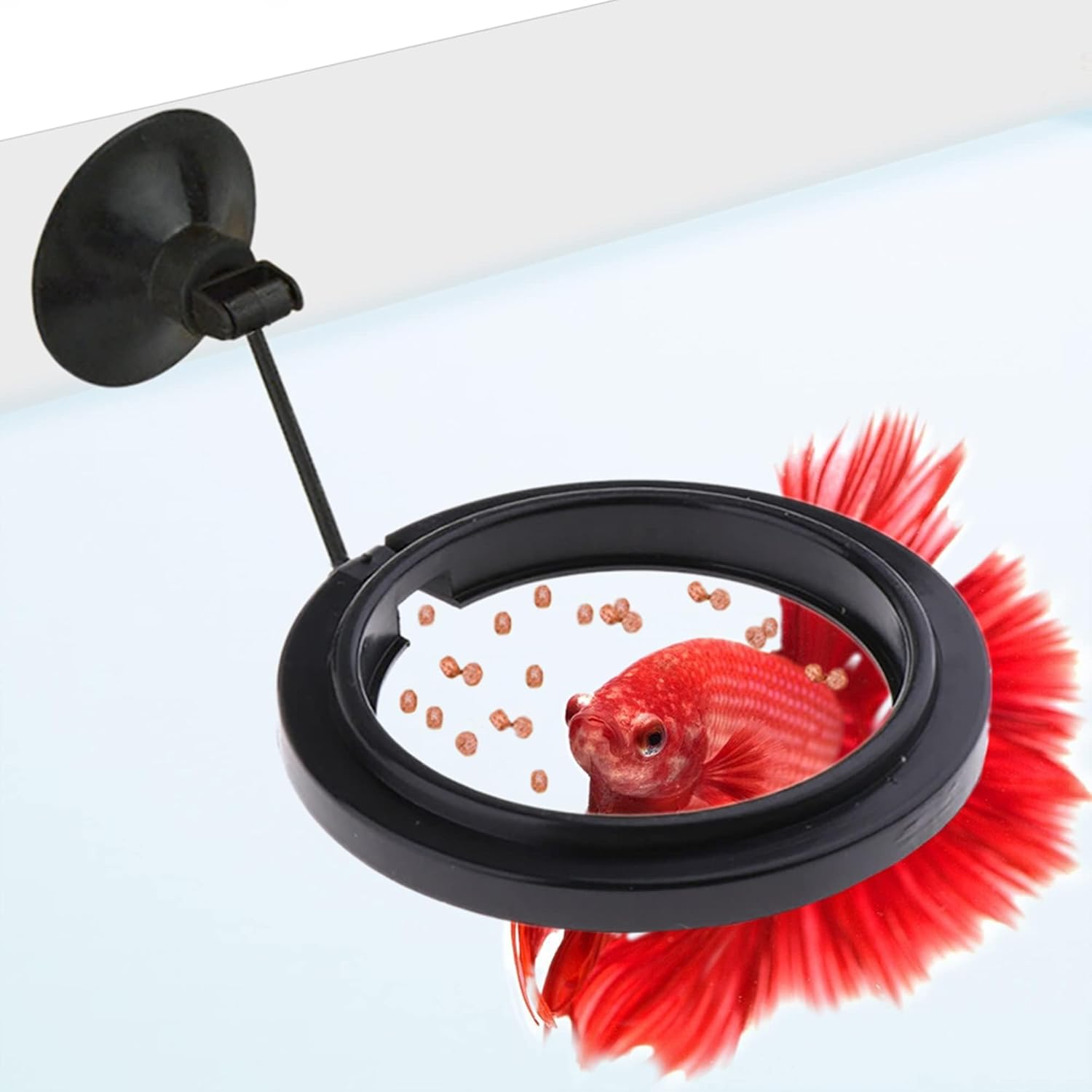
Feeding your betta properly is one of the most important parts of daily care. Overfeeding is the number one mistake new betta owners make. Bettas have small stomachs, and excess food pollutes the water quickly.
What to Feed Your Veiltail Betta
High-quality betta pellets should be the staple of your fish’s diet. Look for pellets that list fish meal or shrimp as the first ingredient. You can also offer frozen or live foods as treats. Bloodworms, brine shrimp, and daphnia are excellent choices. These foods boost energy and bring out vibrant colors in your betta’s fins. For more on enhancing your betta’s natural beauty, see our article on how to enhance betta fish color.
Feeding Schedule and Portions
Feed your betta two small meals per day. Each meal should be about two to three pellets. Some owners skip one day per week to help their betta digest food fully. Watch your fish during feeding time. If food falls to the bottom and sits there, you are giving too much. Remove uneaten food within a few minutes to keep the water clean.
Foods to Avoid
Never feed your betta goldfish flakes or generic tropical fish food. These lack the protein bettas need. Avoid bread, crackers, or any human food. These can cause serious digestive problems. Stick to a betta-specific diet and your fish will stay healthy and active.
Maintaining Water Quality for Your Veiltail Betta
Clean water is the single most important factor in keeping your betta healthy. Poor water quality leads to stress, disease, and a shortened lifespan. You do not need to be an expert to maintain good water conditions, but you do need to be consistent.
Understanding Water Parameters
Bettas prefer slightly acidic to neutral water with a pH between 6.5 and 7.5. The ammonia and nitrite levels should always read zero. Nitrate should stay below 20 parts per million. Test your water weekly with a simple liquid test kit. If any parameter is off, take action immediately. For more detailed information on water care, visit our guide on betta fish water care.
How to Perform Water Changes
Change 25 to 30 percent of the tank water every week. Use a gravel vacuum to remove debris from the substrate while you siphon out old water. Always treat new water with a water conditioner before adding it to the tank. Tap water contains chlorine and chloramine that harm fish. A good conditioner neutralizes these chemicals instantly. Never replace all the water at once, as this shocks your betta and disrupts the beneficial bacteria in your tank.
Temperature Stability
Sudden temperature drops are dangerous for bettas. Place the tank away from windows, drafts, and air conditioning vents. If the room gets cold in winter, make sure your heater is working properly. For tips on caring for bettas during cold months, check out our article on taking care of betta fish in winter. A stable temperature keeps your betta’s immune system strong.
Common Health Issues and How to Prevent Them
Even with the best care, bettas can get sick. Knowing the signs of common diseases helps you catch problems early. Most health issues are preventable with clean water and a low-stress environment.
Fin Rot
Fin rot is one of the most common problems veiltail bettas face. It causes the edges of the fins to look ragged or discolored. Poor water quality is usually the main cause. If you notice fin rot, start with a water change and clean the tank. For mild cases, this alone often fixes the problem. Severe cases may need medication. Keep your betta in a clean tank to prevent fin rot from coming back.
Ich (White Spot Disease)
Ich shows up as small white dots on your betta’s body and fins. It is caused by a parasite that thrives in stressed or cold fish. Raise the temperature slowly to 82 degrees Fahrenheit and add aquarium salt to help your betta recover. For more information on treating this condition, read our guide on how to treat ich on a betta fish. Prevention is always better than treatment, so keep water clean and temperature stable.
Stress and Its Effects
Stressed bettas are more likely to get sick. Signs of stress include clamped fins, loss of color, and hiding constantly. Common causes of stress include loud noises, bright lights, aggressive tank mates, and poor water quality. Give your betta a calm environment with gentle lighting. If your fish shows signs of stress, check the water parameters first. For advice on helping a stressed betta recover, see our article on treating a stressed betta fish.
When to Seek Help for a Sick Betta
If your betta stops eating, stays at the bottom of the tank, or shows unusual swelling, it may be seriously ill. Sometimes home treatment is not enough. Do not hesitate to consult a veterinarian who specializes in fish. For tips on finding the right help, check out our guide on taking your betta fish to the vet. Acting quickly can make the difference between recovery and loss.
Tips for Keeping Your Veiltail Betta Happy and Healthy
Beyond the basics, there are simple things you can do every day to keep your betta thriving. These small habits add up to a big difference over time.
- Observe your fish daily. Spend a few minutes watching your betta each morning. Notice any changes in behavior, appetite, or appearance. Early detection of problems saves lives.
- Keep the tank clean but not sterile. Beneficial bacteria in your tank help break down waste. Do not over-clean or you will remove these helpful organisms. A gentle maintenance routine works best.
- Avoid placing the tank in high-traffic areas. Bettas are sensitive to movement and noise. A quiet spot in your home reduces stress and keeps your fish calm.
- Rotate their environment slightly. Adding a new plant or rearranging decorations gently stimulates your betta mentally. This prevents boredom and encourages natural behavior.
- Handle with care during tank maintenance. Use a soft net and move slowly. Bettas can become frightened by sudden movements near their tank.
Quick Tips for Daily Veiltail Betta Care
Here is a simple daily and weekly routine you can follow to keep your betta in top shape:
- Feed your betta twice a day with the right amount of food.
- Check the water temperature and make sure it stays between 78 and 80 degrees Fahrenheit.
- Look at your fish for any signs of illness or stress.
- Once a week, test the water parameters with a liquid test kit.
- Perform a 25 to 30 percent water change every week.
- Rinse the filter media in old tank water once a month, never in tap water.
Following this routine consistently gives your veiltail betta the best possible life. It does not take much time, and the results are worth it. A healthy betta is an active, colorful, and curious fish that brings joy to any room.
Conclusion
Caring for a veiltail betta fish is a rewarding experience that anyone can enjoy. You do not need years of experience or expensive equipment. A properly set up tank, a consistent feeding routine, and regular water maintenance are all you need. Your betta will reward you with brilliant colors, graceful swimming, and a peaceful presence in your home. Start with the basics, stay consistent, and never stop learning about your fish. The more you understand your veiltail betta, the better care you can provide. Enjoy the journey, and watch your beautiful fish thrive.
Frequently Asked Questions
How big of a tank do I need for a veiltail betta fish?
A minimum of five gallons is recommended for a single veiltail betta. While some people keep bettas in smaller containers, a five-gallon tank gives your fish enough room to swim and helps maintain stable water conditions. Larger tanks, such as ten gallons, are even better if you have the space.
Can I keep other fish with my veiltail betta?
Male veiltail bettas should generally be kept alone because they are aggressive toward other bettas. However, you can sometimes keep them with peaceful community fish like corydoras or small tetras in a well-planted tank. Always monitor for signs of stress or aggression when introducing tank mates.
How often should I feed my veiltail betta?
Feed your betta two small meals per day. Each meal should consist of two to three high-quality betta pellets. Overfeeding is a common mistake that leads to health problems and dirty water, so stick to a consistent schedule and remove any uneaten food after a few minutes.
What water temperature is best for veiltail bettas?
Keep the water temperature between 78 and 80 degrees Fahrenheit for optimal health. Use a reliable aquarium heater and a thermometer to maintain a stable temperature. Sudden temperature changes can stress your betta and weaken its immune system.
Why are the colors of my veiltail betta fading?
Fading colors can be a sign of stress, poor diet, or bad water quality. Make sure you are feeding your betta a high-quality diet with protein-rich foods. Also check your water parameters and perform regular water changes. A healthy, stress-free environment brings out the natural vibrancy of your betta’s colors.
How do I know if my veiltail betta is sick?
Common signs of illness include loss of appetite, clamped fins, white spots on the body, lethargy, and unusual swimming behavior. Check your water parameters immediately if you notice any of these symptoms. Early intervention with water changes or appropriate treatment often leads to a full recovery.