How to Take Care Betta Fish Tank
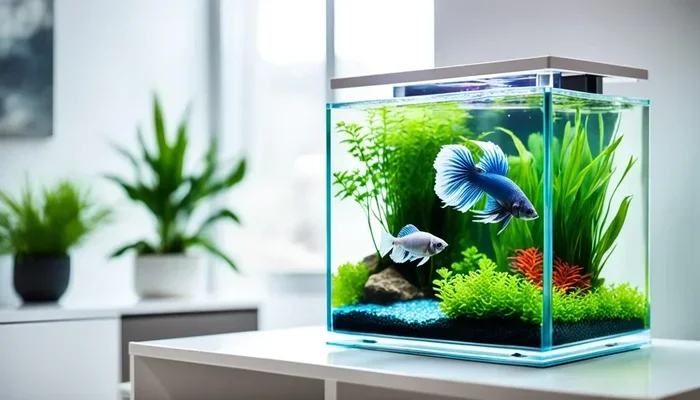
Taking care of a betta fish tank means getting the setup right, keeping the water clean, and watching your fish for signs of trouble. This guide covers everything from choosing the right tank size to feeding schedules, water changes, and common mistakes new owners make. You will learn practical betta fish tank maintenance tips that are simple enough for beginners but useful for experienced hobbyists too.
Taking care of a betta fish tank is one of the most rewarding parts of keeping these beautiful, colorful fish at home. Whether you just brought your betta home or you have had one for a while, understanding the basics of how to take care betta fish tank makes a huge difference. A well-maintained tank means a happy, active fish with vibrant colors and a long lifespan.
Many people think bettas are low-maintenance pets because they can survive in small bowls. That is a myth. Bettas need proper filtration, stable water temperatures, and regular care just like any other tropical fish. The good news is that once you understand the basics, betta fish tank maintenance becomes a simple routine you can stick to every week.
In this guide, we will walk you through everything you need to know. From setting up the tank the right way to feeding schedules and water changes, you will find practical tips you can use right away. Let us dive in and make sure your betta has the best home possible.
Key Takeaways
- Choose the right tank size: A minimum of 5 gallons gives your betta room to swim and stay healthy.
- Keep water conditions stable: Maintain temperature between 76-82°F and monitor pH and ammonia levels regularly.
- Clean the tank on schedule: Partial water changes every week prevent waste buildup and keep your betta thriving.
- Set up proper filtration and heating: A gentle filter and reliable heater are essential for a healthy betta habitat.
- Watch for illness early: Knowing the signs of common betta diseases helps you act fast and save your fish.
- Avoid common mistakes: Overfeeding, overcrowding, and skipping water changes are the top causes of betta problems.
📑 Table of Contents
Setting Up Your Betta Fish Tank
The first step in how to take care betta fish tank is getting the setup right. A proper tank setup creates a healthy environment from day one. Skipping this step leads to stress, illness, and a much shorter life for your fish.
Choosing the Right Tank Size
Many pet stores sell bettas in tiny cups. That does not mean they should stay there. A minimum 5-gallon tank is the best starting point for a single betta. Larger tanks, like 10 gallons, give you more room for decorations and make water maintenance easier.
Small tanks under 5 gallons can work, but they require more frequent water changes and careful monitoring. Think of it this way. More water means more stability. And stable water conditions mean a healthier betta.
Essential Equipment for Your Betta Tank
You need a few key pieces of equipment to keep your betta tank running smoothly:
- Heater: Bettas are tropical fish and need warm water between 76 and 82 degrees Fahrenheit. A small aquarium heater with a thermostat works perfectly.
- Filter: A gentle sponge filter is ideal. Bettas do not like strong currents, so avoid powerful filters that create too much flow.
- Thermometer: A simple stick-on thermometer helps you monitor water temperature daily.
- Lighting: Standard LED aquarium lights work well. Avoid placing the tank in direct sunlight, which can cause algae blooms.
- Substrate: Fine gravel or sand is a great choice. Make sure it is rinsed thoroughly before adding it to the tank.
Decorations and Hiding Spots
Bettas love places to explore and hide. Add live or silk plants, caves, and driftwood to create a natural feel. Avoid sharp plastic decorations that can tear your betta’s delicate fins. A well-decorated tank also reduces stress, which is a big part of proper betta fish tank maintenance.
If you are new to all of this, check out our guide on how to set up a fish tank for betta fish for a detailed walkthrough of the entire process.
Water Quality and Temperature Control
Water quality is the single most important factor in how to take care betta fish tank. Bettas are sensitive to changes in water chemistry. Poor water quality leads to stress, disease, and early death.
Understanding Water Parameters
Here are the ideal water parameters for a healthy betta tank:
- Temperature: 76 to 82 degrees Fahrenheit
- pH Level: 6.5 to 7.5
- Ammonia: 0 ppm (parts per million)
- Nitrite: 0 ppm
- Nitrate: Below 20 ppm
You can test these parameters using a simple liquid test kit. Test strips work too, but liquid kits are more accurate. Test your water at least once a week, especially during the first few weeks after setting up the tank.
The Importance of Cycling Your Tank
Cycling your tank means building beneficial bacteria that break down harmful waste. This process takes 4 to 6 weeks. Never add your betta to an uncycled tank. If you need help with this process, our article on how to cycle a betta fish tank covers everything step by step.
Once your tank is cycled, you still need to do regular maintenance. Bacteria colonies can become overwhelmed, especially in smaller tanks. That is why consistent care matters so much for betta fish tank maintenance.
Cleaning and Maintenance Routine
Keeping the tank clean is at the heart of how to take care betta fish tank. A dirty tank causes ammonia spikes that can harm or even kill your fish. The good news is that you do not need to do a full tank clean every week. Partial water changes are the way to go.
Weekly Water Changes
Replace 25 to 30 percent of the tank water every week. Use a gravel vacuum to remove debris from the substrate while you siphon out old water. Always use water that has been treated with a dechlorinator. Tap water contains chlorine and chloramine that are harmful to bettas.
Cleaning the Tank Glass and Decorations
Use an algae magnet or soft scrubber to clean the inside of the glass. Do not use soap or household cleaners. For decorations, rinse them in old tank water to preserve beneficial bacteria. Remove any uneaten food or visible waste during your weekly routine.
Filter Maintenance
Rinse your filter media in old tank water once a month. Never use tap water, as the chlorine will kill the beneficial bacteria your tank needs. Replace filter media only when it falls apart. Keeping some old media helps maintain the bacterial colony.
If your betta has passed away and you need to clean the tank afterward, our guide on how to clean the fish tank after a betta died offers step-by-step instructions to sanitize and reset the tank properly.
Feeding Your Betta Fish
Feeding is another critical part of how to take care betta fish tank. Overfeeding is one of the most common mistakes new betta owners make. Uneaten food sinks to the bottom, decays, and pollutes the water.
What to Feed Your Betta
Bettas are carnivorous fish that need a protein-rich diet. Good food options include:
- High-quality betta pellets
- Frozen or live bloodworms
- Brine shrimp
- Daphnia
Pellets should be the staple of their diet. Treats like bloodworms and brine shrimp are great for variety but should only be given a few times a week.
How Much and How Often to Feed
Feed your betta 2 to 3 pellets twice a day. That is it. If your fish leaves food behind, you are giving too much. A good rule of thumb is to feed only what your betta can eat in two minutes. Skipping one feeding day per week can also help with digestion.
For more detailed feeding guidance, check out our how to properly take care of betta fish article for a complete care overview.
Common Betta Fish Tank Problems and Solutions
Even with the best care, problems can happen. Knowing what to look for helps you catch issues early and keep your betta healthy.
Cloudy Water
Cloudy water usually means a bacterial bloom or excess waste. Do a 30 percent water change and check your filter. Avoid overfeeding and make sure you are not overstocking the tank. Cloudiness often clears up within a few days after a water change.
Algae Growth
Algae is a common issue, especially in tanks with too much light. Reduce lighting to 8 to 10 hours per day. Live plants can also help absorb excess nutrients that feed algae. For stubborn algae, our guide on how to clean algae from betta fish tank gives practical solutions.
Signs of a Sick Betta
Watch for these warning signs:
- Clamped fins
- Loss of color
- White spots on the body or fins
- Labored breathing
- Refusing to eat
- Lethargy or hiding constantly
If you notice any of these symptoms, test your water parameters first. Poor water quality is the leading cause of illness in bettas. If the water is fine, consider treating for common diseases like ich or fin rot. Our article on how to care for sick betta fish provides detailed treatment options.
Expert Tips for Long-Term Betta Tank Care
Beyond the basics, there are a few expert-level habits that take your betta fish tank maintenance to the next level. These tips help you create the best possible environment for your fish over the long term.
- Keep a care log. Write down water test results, feeding amounts, and any changes you notice. This helps you spot patterns and catch problems before they become serious.
- Quarantine new fish or plants. If you add anything new to the tank, isolate it first for two weeks. This prevents the spread of diseases and parasites.
- Do not overclean. You need some beneficial bacteria in your tank. Avoid replacing all the filter media at once or scrubbing every surface with tap water.
- Monitor your heater. Heaters can malfunction. Check that the temperature stays consistent and replace your heater if it is more than two years old.
- Be patient. A stable tank takes time. Resist the urge to make big changes all at once. Gradual adjustments keep the environment balanced for your betta.
Remember that every tank is different. What works perfectly for one betta owner might need small adjustments for another. The key is consistency. Stick to your routine, watch your fish daily, and you will build a thriving betta fish habitat that brings joy for years.
Conclusion
Learning how to take care betta fish tank does not have to be overwhelming. Start with a proper tank setup, maintain clean water, feed wisely, and stay alert for signs of trouble. These simple habits form the foundation of great betta care. Your fish will reward you with bright colors, playful behavior, and a long, healthy life.
The most important thing is consistency. Small, regular efforts make a bigger impact than occasional deep cleans. Follow the tips in this guide, adjust as needed, and enjoy the journey of being a betta fish owner. Your betta deserves a home that is as beautiful and vibrant as it is.
Frequently Asked Questions
How often should I clean my betta fish tank?
Do a partial water change of 25 to 30 percent every week. This removes waste and toxins without disrupting the beneficial bacteria your tank needs. A full tank clean should only happen once every few months.
What size tank does a betta fish need?
A minimum of 5 gallons is recommended for a single betta. Smaller tanks like 3 gallons can work but require more frequent water changes and careful monitoring. Larger tanks of 10 gallons or more are even better because they provide more stable water conditions.
Can betta fish live without a filter?
Bettas can survive without a filter, but a filter makes betta fish tank maintenance much easier. A gentle sponge filter helps remove waste and supports beneficial bacteria. Without a filter, you will need to do water changes more frequently to keep the water clean.
Why is my betta fish tank cloudy?
Cloudy water is usually caused by a bacterial bloom, excess food, or high ammonia levels. Do a water change, reduce feeding, and check your filter. In most cases, the cloudiness clears up within a few days once you address the root cause.
What is the best water temperature for a betta fish tank?
The ideal temperature range is 76 to 82 degrees Fahrenheit. Use a reliable aquarium heater and thermometer to keep the temperature stable. Sudden temperature drops can stress your betta and make it more susceptible to illness.
How do I know if my betta fish is sick?
Common signs include clamped fins, loss of color, white spots, labored breathing, and refusing food. Test your water parameters first since poor water quality is the most common cause of illness. If the water is fine, look into treating for specific diseases like ich or fin rot.