How to Take Care Betta Fish Fry
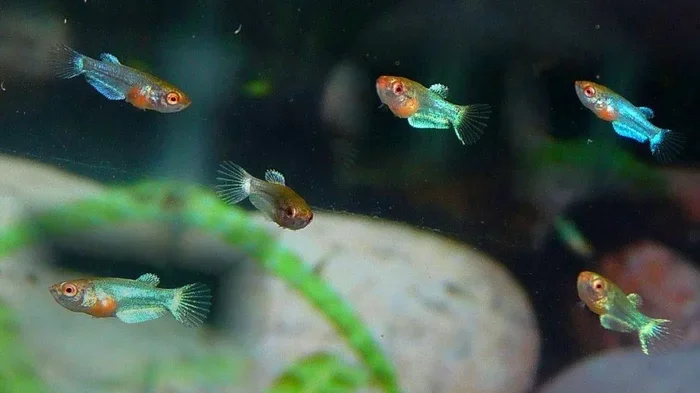
Learning how to take care betta fish fry is essential for any fish keeper who wants to raise healthy babies. This guide covers everything from setting up a proper fry tank to feeding schedules and growth stages. You will learn practical tips that boost survival rates and help your betta fry thrive from day one.
Raising betta fish fry is one of the most rewarding experiences in the aquarium hobby. But it is also one of the most challenging. Baby bettas are tiny, fragile, and need very specific care to survive their first few weeks. If you have ever wondered how to give your betta fry the best start in life, you are in the right place.
In this guide, we walk you through every step of raising betta fry successfully. From the moment the eggs hatch to when the babies start eating on their own, we cover it all. Whether you are a beginner or a seasoned hobbyist, these tips will help you improve your betta fry survival rate and raise strong, healthy fish.
Key Takeaways
- Separate fry early: Move betta fry to their own tank within days of hatching to prevent predation and stress.
- Feed tiny, frequent meals: Baby bettas need micro-foods like infusoria and baby brine shrimp multiple times a day.
- Keep water pristine: Frequent small water changes are critical for fry health and growth.
- Maintain stable temperature: A consistent 78-80°F environment supports proper betta fry development.
- Monitor growth stages: Understanding betta fish growth stages helps you adjust care as they develop.
- Avoid common mistakes: Overfeeding and poor water quality are the top killers of baby betta fish.
📑 Table of Contents
- Understanding Betta Fish Fry Basics
- Setting Up the Perfect Fry Tank
- Feeding Betta Fish Fry Properly
- Water Maintenance and Tank Cleaning
- Betta Fry Growth Stages and Development
- Common Mistakes to Avoid When Raising Betta Fry
- Health Issues and Disease Prevention for Betta Fry
- When and How to Move Fry to a Grow-Out Tank
- Conclusion
Understanding Betta Fish Fry Basics
Before you dive into daily care, it helps to understand what betta fry actually are. Baby bettas hatch from eggs and are incredibly small at birth. They are about the size of a grain of rice. In the first few days, they live off their yolk sac for nutrition.
Once the yolk sac is absorbed, the fry must start eating on their own. This is the most critical period. Without proper baby betta fish care, many fry will not survive the first week. Knowing what to expect helps you prepare and avoid common problems.
How Long Does It Take Betta Fish Eggs to Hatch?
Betta fish eggs typically hatch within 24 to 72 hours after spawning. The exact time depends on water temperature. Warmer water speeds up the process, while cooler water slows it down. During this time, the male betta guards the nest and keeps the eggs safe.
Once the eggs hatch, you should remove the male parent immediately. Male bettas may eat the fry if left in the same tank. This is why setting up a separate fry tank early is so important. You can learn more about how long betta fish eggs take to hatch in our detailed guide.
Setting Up the Perfect Fry Tank
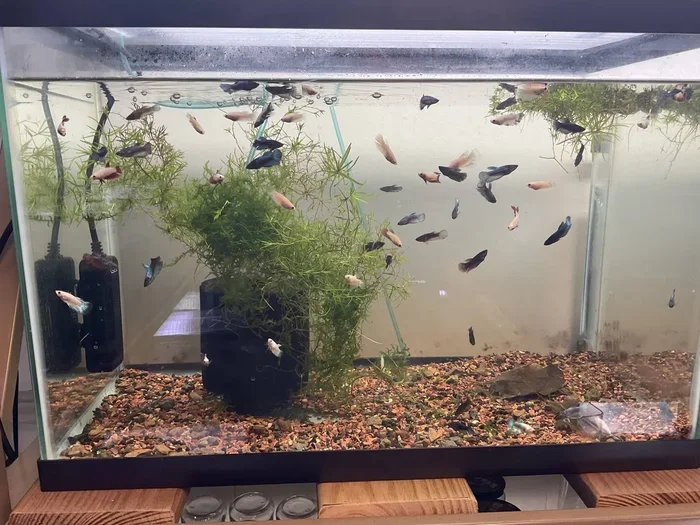
The fry tank setup is the foundation of successful betta fry care. A proper environment reduces stress, prevents disease, and supports healthy growth. You do not need a large tank, but you do need the right setup.
Tank Size and Equipment
A 5-gallon tank works well for betta fry. It is large enough to maintain stable conditions but small enough to manage easily. Here is what you need in the tank:
- Air sponge filter: Use a very gentle filter. Strong currents can harm tiny fry. An air sponge filter provides biological filtration without a powerful flow.
- Heater: Keep the water temperature between 78 and 80 degrees Fahrenheit. Stable warmth is essential for fry development.
- Thermometer: Monitor the temperature daily to make sure it stays consistent.
- Floating plants: Live or silk plants give fry places to hide and feel safe. Avoid sharp plastic plants.
If you are new to tank setup, check out our guide on how to set up a fish tank for betta fish for step-by-step instructions that also apply to fry tanks.
Water Preparation for Fry
Water quality is even more important for fry than for adult bettas. Baby fish are much more sensitive to chemicals and toxins. Always use treated water for your fry tank.
Use a water conditioner to remove chlorine and chloramine from tap water. Let the water sit for a few minutes before adding it to the tank. Also, make sure the new water matches the tank temperature. Sudden temperature drops can shock and kill fry.
For more details on preparing safe water, visit our article on how to prepare water for a betta fish.
Feeding Betta Fish Fry Properly
Feeding is the most important part of betta fry care. These tiny fish have very small mouths and high metabolisms. They need to eat frequently, but the food must be the right size.
What to Feed Betta Fry
In the first few days after hatching, fry still rely on their yolk sac. Once they start swimming freely, you need to offer appropriate foods. Here are the best options:
- Infusoria: These are tiny microorganisms found in pond water or cultured at home. They are the perfect first food for newly hatched fry.
- Baby brine shrimp: This is a staple food for growing betta fry. It is nutrient-rich and easy to digest.
- Microworms: These small nematodes are another excellent live food option for fry.
- Commercial fry food: Specialty powders and liquids designed for betta fry are available at most fish stores.
Feed the fry 3 to 5 times a day in very small amounts. Overfeeding is a common mistake that can foul the water quickly. Remove any uneaten food after a few minutes.
For a detailed feeding schedule and diet plan, read our article on how to feed betta fish fry.
Feeding Schedule and Portions
Baby bettas need small, frequent meals throughout the day. Think of it like feeding a newborn baby. They cannot eat large amounts at once, so multiple small feedings work best.
A good schedule looks like this:
- Morning: A tiny pinch of infusoria or liquid fry food.
- Midday: A few baby brine shrimp nauplii.
- Afternoon: Another small feeding of microworms or fry powder.
- Evening: A light final feeding before lights out.
Watch the fry during feeding. If they are actively hunting for food, they are healthy and hungry. If they ignore food, check the water quality and temperature first.
Water Maintenance and Tank Cleaning
Keeping the water clean in a fry tank is essential. Fry produce waste just like adult fish, but they are much more sensitive to poor water conditions. Regular maintenance prevents disease and keeps your betta fry growing strong.
How Often to Do Water Changes
Perform small water changes every single day or every other day. Replace about 10 to 20 percent of the tank water each time. This removes waste buildup without disrupting the biological balance of the tank.
Always use a turkey baster or syringe to remove debris from the substrate. Be very gentle so you do not suck up the fry. Use a fine mesh net if you need to catch any fish during water changes.
Signs of Poor Water Quality
Watch for these warning signs in your fry tank:
- Fry staying at the top of the tank and gasping for air.
- Food left uneaten after feeding sessions.
- Cloudy or foul-smelling water.
- Fry becoming lethargic or hiding excessively.
- White spots or discoloration on fry bodies.
If you notice any of these signs, test the water parameters immediately. Ammonia and nitrite levels should always be at zero for fry tanks. Even small amounts can be deadly to baby bettas.
Betta Fry Growth Stages and Development
Watching betta fry grow is truly fascinating. They go through several distinct stages in their first few months. Understanding these stages helps you provide the right care at each phase.
Stage 1: Newborn (0 to 3 Days)
At birth, betta fry are attached to surfaces in the tank by a thin thread. They do not swim freely yet. During this time, they absorb nutrients from their yolk sac. You do not need to feed them. Just keep the water clean and the temperature stable.
Stage 2: Free-Swimming (3 to 7 Days)
Once the yolk sac is fully absorbed, the fry become free-swimming. This is when you start feeding them. Offer infusoria or liquid fry food in very small amounts. The fry are still extremely tiny and vulnerable during this stage.
Stage 3: Early Growth (1 to 4 Weeks)
After the first week, the fry start growing rapidly. You can introduce baby brine shrimp and microworms. Their colors may begin to show, and you can start to see their personalities emerge.
Stage 4: Juvenile (1 to 3 Months)
By one month old, the fry look like small versions of adult bettas. You can start feeding them larger foods like crushed flakes and pellets. At this stage, you can also begin separating them by size to prevent aggression and ensure all fish get enough food.
For more information on how betta fish grow and develop, check out our article on how to take care of betta fish for general care guidelines that apply throughout their life.
Common Mistakes to Avoid When Raising Betta Fry
Even experienced fish keepers make mistakes when raising fry. Learning from common errors can save you time, effort, and most importantly, the lives of your baby fish.
Overfeeding the Fry
This is the number one mistake new breeders make. Excess food decomposes quickly and spikes ammonia levels. In a small fry tank, this happens fast. Feed only what the fry can consume within a few minutes. When in doubt, underfeed rather than overfeed.
Skipping Water Changes
Some people think a filter is enough to keep the water clean. But with fry, frequent water changes are non-negotiable. The small tank volume means waste builds up rapidly. Daily or every-other-day water changes are essential.
Not Separating Fry Early Enough
As fry grow, they become more aggressive toward each other. Fin nipping and territorial behavior can start as early as two weeks old. Separate fry by size into different containers or tanks to reduce stress and injury.
Using the Wrong Food
Adult betta pellets are too large for fry. They simply cannot eat them. Always offer food that is appropriately sized for tiny mouths. If the food does not fit into the fry’s mouth, it is too big.
Health Issues and Disease Prevention for Betta Fry
Baby bettas are more susceptible to diseases than adult fish. Their immune systems are still developing, which makes them vulnerable. Prevention is always better than treatment when it comes to fry health.
Keep the tank clean, maintain stable water parameters, and quarantine any new plants or decorations before adding them to the fry tank. If you notice a fry that looks sick, isolate it immediately and research the symptoms.
If your fry do get sick, do not panic. Many common fish diseases are treatable. For guidance on caring for ill fish, read our article on how to care for sick betta fish. Early intervention makes a big difference in recovery.
Signs of a Healthy Betta Fry
A healthy fry is active, swims confidently, and eats eagerly. Their colors should be vibrant, and their bodies should be plump and free of spots or lesions. Regular observation helps you catch problems early.
When and How to Move Fry to a Grow-Out Tank
As your betta fry grow, they will need more space. Around 4 to 6 weeks old, you should start thinking about moving them to a grow-out tank. This gives them room to develop properly and reduces competition for food.
Set up the grow-out tank with the same careful attention to water quality and temperature. Gradually introduce larger foods as the fry grow. By the time they reach two months old, they should be eating a similar diet to adult bettas.
Remember that raising betta fry takes patience and dedication. But the reward of watching them grow into beautiful, healthy fish is well worth the effort.
For more comprehensive care tips that apply to all stages of betta fish life, visit our guide on how to properly take care of betta fish for expert advice and best practices.
Conclusion
Taking care of betta fish fry requires attention to detail, patience, and a commitment to maintaining excellent water quality. From setting up the right fry tank to feeding the proper foods at the right frequency, every step matters. Follow the tips in this guide and you will give your betta fry the best chance at a healthy life.
Remember that every successful fry raise is a learning experience. Pay attention to your fish, adjust your care as needed, and do not be afraid to seek advice from experienced hobbyists. With the right approach, you can raise strong, vibrant betta fish from tiny eggs to stunning adults.
Start applying these betta fry care tips today, and watch your baby fish thrive. The effort you put in now will pay off with a tank full of healthy, beautiful bettas that you can be proud of.
Frequently Asked Questions
How often should I feed betta fish fry?
Feed betta fry 3 to 5 times a day in very small amounts. Their tiny stomachs cannot handle large meals, so frequent, small feedings are best. Remove any uneaten food after a few minutes to keep the water clean.
When do betta fish fry start eating on their own?
Betta fry start eating on their own once the yolk sac is fully absorbed, usually around 3 to 5 days after hatching. At this point, you should introduce infusoria or liquid fry food as their first independent meal.
Can betta fry live in the same tank as adult bettas?
No, adult bettas may eat the fry or harm them. Always separate fry into their own tank as soon as they are free-swimming. This gives them the best chance of survival and reduces stress for both the adults and the babies.
What is the best food for newly hatched betta fry?
The best first food for newly hatched betta fry is infusoria or liquid fry food. These are small enough for their tiny mouths. After the first week, you can gradually introduce baby brine shrimp nauplii and microworms.
How can I improve the survival rate of my betta fry?
Focus on three key factors: clean water through frequent small water changes, proper feeding with appropriately sized food, and a stable warm temperature between 78 and 80 degrees Fahrenheit. These steps dramatically improve fry survival rates.
How long does it take for betta fry to reach full size?
Betta fry typically reach full size in about 3 to 4 months. However, their colors and fin development continue to improve for up to 6 months or longer. Regular care and good nutrition during this period are essential for optimal growth.