How to Take Care Betta Fish Baby
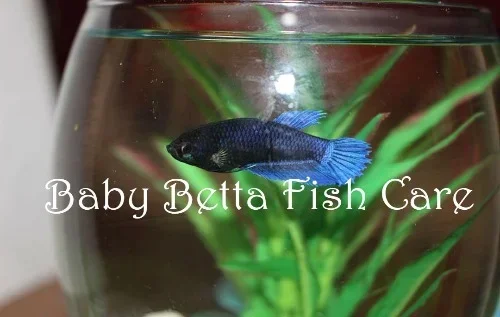
Taking care of a betta fish baby requires the right tank setup, warm water, and a proper feeding schedule. This guide covers everything you need to know about betta fry care, from the first day to full growth. You will learn simple steps to keep your baby betta healthy, happy, and thriving.
Welcoming a betta fish baby into your home is exciting. These tiny creatures are fragile, colorful, and full of potential. But they also need special attention to survive and thrive.
If you are new to raising betta fry, do not worry. This guide walks you through every step. From setting up the right tank to feeding your baby betta the perfect meal, we have you covered. Betta fish baby care is simpler than most people think. You just need the right knowledge and a little patience.
In this article, we will cover the essential baby betta fish care tips. You will learn about tank setup, feeding schedules, water conditions, and common mistakes to avoid. Whether you just hatched your first batch of betta eggs or brought home a tiny fry, this guide will help you succeed.
Key Takeaways
- Proper Tank Setup: A small, filtered tank with gentle water flow is essential for betta fish baby survival.
- Warm Water Matters: Keep the temperature between 78-80°F to mimic natural betta habitats.
- Frequent Feeding: Baby bettas need small, frequent meals multiple times a day for healthy growth.
- Water Quality is Critical: Regular water changes and proper conditioning prevent common diseases.
- Separate Housing: Keep betta fry isolated from adult fish to avoid stress and injury.
- Patience Pays Off: Betta fry grow slowly and need consistent care over several weeks.
📑 Table of Contents
Understanding Betta Fish Baby Needs
Betta fry are incredibly small when they first hatch. They are barely visible to the naked eye. During the first few weeks, their needs are very different from adult bettas. Understanding these differences is the key to raising healthy fish.
Baby bettas grow fast, but only if conditions are right. They need clean water, warmth, and tiny food they can actually eat. Unlike adult bettas, fry cannot handle strong water currents. They also need plenty of hiding spots to feel safe.
Many new fish keepers underestimate how delicate betta fry really are. A betta fish baby can easily become stressed if the tank environment is wrong. Stress leads to disease, poor growth, and even death. That is why getting the basics right from day one matters so much.
If you want to learn more about the challenges of caring for young bettas, check out our guide on Are Baby Betta Fish Hard to Take Care Of. It covers common struggles new betta owners face.
The First Few Days After Hatching
During the first 48 hours, betta fry live off their yolk sac. They do not need any external food yet. This is a critical resting period. Do not try to feed them during this time.
After the yolk sac is absorbed, usually around day three or four, the fry become free-swimming. This is when feeding begins. At this stage, they are extremely tiny. Their mouths are barely big enough for regular fish food. You will need to offer them specialized baby betta food or live infusoria.
Setting Up the Perfect Tank for Betta Fry
Creating the right environment is the most important part of how to take care betta fish baby. A proper tank setup protects your fry from harm and gives them the best chance to grow. You do not need a huge tank. In fact, a smaller tank is easier to manage for baby bettas.
A 5-gallon tank works well for a small batch of fry. If you have many fry, you can use a larger tank. The key is to keep the water clean and the flow gentle. Baby bettas are weak swimmers and cannot handle strong filters.
Filter and Water Flow
Use a sponge filter with very gentle output. A hang-on-back filter is too strong for betta fry. The current can tire them out and prevent them from eating. A sponge filter provides mechanical and biological filtration without harming tiny fish.
If you already have a sponge filter in another tank, you can transfer it. The filter should run 24/7 to maintain beneficial bacteria. This helps keep the water safe and stable for your betta fish baby.
Heating the Tank
Betta fish are tropical. They need warm water to stay healthy. For betta fry, the ideal temperature is between 78 and 80 degrees Fahrenheit. Use a small aquarium heater with a thermostat to maintain a steady temperature.
Temperature fluctuations can stress fry and slow their growth. A stable environment helps them develop strong immune systems. If you need tips on maintaining warmth, our article on how to warm a betta fish bowl has helpful suggestions.
Adding Plants and Hiding Spots
Betta fry feel safer in tanks with live or silk plants. Dense plants give them places to hide from light and any tank mates. Java moss is an excellent choice because it grows dense and is easy to maintain.
Avoid using sharp decorations or rough gravel. Tiny fry can injure themselves on rough surfaces. Soft substrates like sand or fine gravel work best. Adding a few marbles at the bottom can also help waste fall away from the fry.
Feeding Your Betta Fish Baby
Feeding is the most important part of baby betta fish care. Baby bettas have tiny stomachs and need frequent meals. Unlike adult bettas that eat once or twice a day, fry need to eat several times daily.
The right food makes all the difference in their growth rate and health. Offering the wrong food can lead to starvation or water pollution. Let us look at the best feeding practices for betta fry.
What to Feed Betta Fry
Newly hatched brine shrimp are the gold standard for betta fry. They are tiny, nutritious, and easy to culture at home. Other good food options include:
- Infusoria: Microscopic organisms that are perfect for the first week.
- Microworms: Small nematodes that are easy to grow in a starter culture.
- Crushed flake food: Very finely ground commercial betta flakes.
- Baby betta pellets: Specialized small pellets designed for fry.
- Daphnia: Tiny crustaceans that make excellent live food.
For more detailed feeding guidance, read our article on What to Feed Baby Betta Fish. It covers exact portions and feeding frequencies for each growth stage.
Feeding Schedule and Portions
Feed your betta fry three to four times a day. Each feeding should be very small. The amount should be what they can consume in two to three minutes. Overfeeding is one of the biggest mistakes new fry raisers make.
Excess food sinks to the bottom and decays quickly. This pollutes the water and raises ammonia levels. Clean water is essential for baby betta survival. Remove any uneaten food with a turkey baster after each feeding session.
Water Quality and Maintenance
Clean water is the foundation of healthy betta fish baby care. Fry are much more sensitive to water parameters than adult fish. Even small changes in ammonia or nitrite levels can be deadly.
You need to test your water regularly. Use a liquid test kit to check ammonia, nitrite, nitrate, and pH levels. The goal is to keep ammonia and nitrite at zero. Nitrate should stay below 20 parts per million.
Water Changes for Fry Tanks
Perform small water changes every day or every other day. Replace about 10 to 20 percent of the water each time. This prevents waste buildup without disturbing the beneficial bacteria in your tank.
Always use water that is the same temperature as the tank. Cold water shocks fry and can cause stress. Add a water conditioner to remove chlorine and chloramine. For detailed instructions on preparing safe water, check out our guide on how to prepare water for a betta fish.
Tank Cycling Before Adding Fry
If possible, cycle your tank before adding betta fry. A cycled tank has established beneficial bacteria that convert toxic ammonia into less harmful substances. This process takes about four to six weeks.
If you do not have time to cycle, you can use bottled beneficial bacteria supplements. These help speed up the process. Never add fry to an uncycled tank. The ammonia spike in a new tank can kill baby fish within hours.
Common Mistakes to Avoid
Even experienced fish keepers make mistakes when raising betta fry. Being aware of common errors helps you avoid them. Here are the top mistakes people make with baby betta fish care.
Overfeeding the Fry
This is the number one mistake. Baby bettas have tiny stomachs. Too much food causes bloating, constipation, and dirty water. Stick to small portions and feed frequently rather than giving large meals less often.
Using a Too-Strong Filter
A powerful filter creates currents that baby bettas cannot swim against. This exhausts them and prevents proper feeding. Always use a sponge filter or reduce filter output with a sponge pre-filter.
Keeping Fry with Adult Betta Fish
Adult bettas may see fry as food or competitors. Even a calm adult betta can accidentally eat tiny fry. Always keep baby bettas in a separate tank until they are large enough to defend themselves.
Neglecting Water Temperature
Cold water slows betta fry growth and weakens their immune system. A stable warm temperature is non-negotiable. Invest in a reliable aquarium heater and monitor it daily.
Not Enough Hiding Spots
Fry that feel exposed become stressed. Stress weakens their immune system and leads to disease. Add plenty of plants and gentle decorations to make the tank feel safe.
Tracking Your Betta Fry Growth
Watching betta fry grow is one of the most rewarding parts of fish keeping. During the first month, they grow quickly. By week four, most fry are visible to the naked eye and starting to develop their fins.
By week eight, you can begin to see their colors develop. Male bettas will start showing off their long fins around three to four months. Females tend to have shorter fins and more subdued colors.
Keep a log of your fry’s progress. Note their size, color development, and appetite. This helps you spot any problems early. It also gives you valuable data if you plan to breed bettas in the future.
For more information on raising healthy bettas from start to finish, read our complete guide on how to care for a betta fish. It covers every stage of betta care in detail.
When to Separate Fry by Size
As your fry grow, some will outgrow others quickly. Larger fry may bully or even eat smaller ones. This is natural behavior in bettas. To prevent this, separate them by size once they reach about half an inch long.
Use small containers or cups for temporary separation. Each container should have a sponge filter and gentle heating. This ensures every fish gets enough food and space to grow properly.
By the time your bettas reach one inch in length, they are ready to move into larger tanks. At this stage, they can eat standard betta pellets and flakes. Their immune systems are also stronger, making them more resilient to common diseases.
Health Issues in Betta Fry
Even with the best care, betta fry can sometimes get sick. The most common issues include fungal infections, bacterial infections, and parasites. Early detection is key to treating these problems effectively.
Watch for signs like lethargy, loss of appetite, white spots on the body, or frayed fins. If you notice any of these symptoms, act quickly. Isolate the affected fry and treat the water appropriately.
For guidance on treating common betta diseases, our article on how to care for sick betta fish provides practical treatment steps. Always maintain clean water to prevent most health issues before they start.
Conclusion
Raising a betta fish baby is a rewarding experience that requires patience and consistency. You now know the essentials of tank setup, feeding, water quality, and growth tracking. Each of these steps plays a vital role in helping your fry grow into healthy, beautiful adult bettas.
Remember that every batch of fry is different. Some may grow faster than others, and that is completely normal. The most important thing is to maintain stable water conditions and provide proper nutrition. With the right care, your baby bettas will thrive and bring you joy for years to come.
Start with the basics, stay consistent, and enjoy the process. Your betta fry journey begins now, and every small step you take makes a big difference in their lives.
Frequently Asked Questions
How often should I feed a betta fish baby?
Feed your betta fry three to four times a day. Give them small amounts they can finish in two to three minutes. Consistent, frequent feeding supports their rapid growth during the first weeks of life.
What temperature should a betta fry tank be?
Keep the water temperature between 78 and 80 degrees Fahrenheit. This range mimics their natural tropical habitat and promotes healthy growth. Use a small aquarium heater with a thermostat to maintain stability.
Can baby betta fish live in a bowl?
It is better to use a small tank rather than a bowl. Tanks allow for proper filtration and easier water maintenance. A 5-gallon tank with a sponge filter works well for a group of betta fry.
How long does it take for betta fry to grow into adults?
Betta fry reach full adult size in about four to six months. Their colors and fins develop more fully around three months of age. Growth rate depends on water quality, feeding, and genetics.
Why are my betta fry not eating?
Fry may not eat if the water temperature is too low or if the food is too large. Try offering smaller, live foods like infusoria or newly hatched brine shrimp. Also check that the water quality is clean and stress-free.
Do I need a separate tank for betta fry?
Yes, betta fry should always be kept in a separate tank. Adult bettas may eat the fry, and fry need different water conditions and food sizes. A dedicated fry tank gives them the best chance to grow safely.