How to Stimulate a Betta Fish
Stimulating your betta fish is one of the easiest ways to boost its health, color, and lifespan. A bored betta fish can become stressed, lethargic, or even sick. This guide covers simple and effective ways to stimulate a betta fish through tank enrichment, interactive play, proper feeding, and a stimulating habitat that brings out its natural curiosity.
A betta fish is one of the most colorful and fascinating pets you can keep. But did you know that bettas need more than just a clean tank and regular food? They need mental stimulation. Just like any other pet, a betta fish thrives when its environment engages its natural instincts. Without stimulation, bettas can become bored, stressed, and even develop health problems.
If you have ever wondered why your betta fish sits at the bottom of the tank or ignores its food, lack of stimulation might be the cause. The good news is that stimulating your betta fish is easier than you think. With a few simple changes to the tank, feeding routine, and daily interaction, you can transform your betta’s life. This guide walks you through everything you need to know about betta fish enrichment and keeping your fish happy and active.
Key Takeaways
- Enrichment matters: A stimulating environment keeps your betta fish active and healthy.
- Tank setup is key: Plants, caves, and open swimming space all play a role in stimulation.
- Interactive play works: Bettas can recognize their owners and enjoy simple games.
- Feeding enrichment helps: Puzzle feeders and varied diets spark natural hunting behavior.
- Water quality affects mood: Clean, warm water is the foundation of a happy betta.
- Watch for boredom signs: Lethargy and hiding are red flags your betta needs more stimulation.
📑 Table of Contents
- Why Stimulating Your Betta Fish Matters
- Setting Up a Stimulating Tank Environment
- Interactive Play and Bonding Activities
- Feeding Enrichment: Making Mealtime Mental
- Tank Mates and Social Stimulation
- Water Quality and Its Role in Stimulation
- Common Mistakes to Avoid
- Expert Insights on Betta Fish Enrichment
- Conclusion
Why Stimulating Your Betta Fish Matters
Many people think bettas are low-maintenance pets that just float around doing nothing. That is far from the truth. In the wild, bettas are active hunters. They explore their surroundings, chase prey, and build bubble nests. A stimulated betta fish displays brighter colors, a healthier appetite, and more energetic swimming patterns.
On the flip side, a betta fish that lacks stimulation often shows these signs:
- Lethargy: The fish stays still for long periods.
- Loss of color: Fading colors are a common stress response.
- Hiding constantly: Your betta refuses to explore.
- Refusing food: A bored betta often loses interest in eating.
- Flaring at nothing: This can be a sign of frustration or overstimulation.
Providing betta fish enrichment is not just about entertainment. It directly impacts your fish’s immune system, digestion, and overall well-being. Think of it as giving your betta a better quality of life.
Setting Up a Stimulating Tank Environment
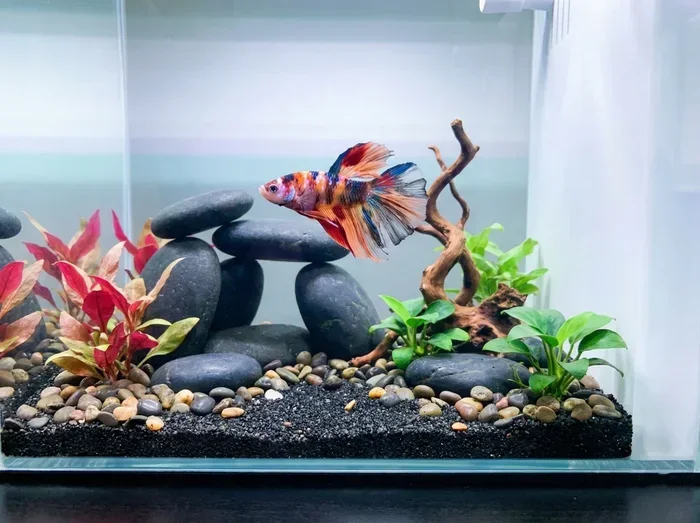
The single most important factor in how to stimulate a betta fish is the tank setup. A bare-bottom tank with nothing in it is a recipe for boredom. Your goal is to create a habitat that mimics the betta’s natural environment while keeping the water clean and safe.
Add Live Plants and Decorations
Live plants do wonders for a betta fish tank. They provide hiding spots, resting areas, and something to explore. Bettas love to swim through leaves and rest on broad plant surfaces. Some great options include java fern, anubias, and Amazon sword plants. If live plants are not an option, silk plants work well too. Avoid plastic plants with sharp edges that can tear your betta’s delicate fins.
Create Zones for Exploration
A stimulating tank has different levels and zones. Use rocks, caves, and driftwood to create a layout that encourages your betta to explore. You want a mix of open swimming areas and cozy hiding spots. This variety keeps your fish curious and active throughout the day. If you are unsure about the right setup, check out our guide on how to set up a fish tank for betta fish for detailed tank design tips.
Choose the Right Tank Size
Many people keep bettas in tiny bowls, but a larger tank provides far more stimulation. A tank of at least 5 gallons gives your betta room to swim and explore. More space means more opportunities for betta fish enrichment. A bigger tank also makes it easier to maintain stable water parameters, which reduces stress and keeps your fish healthy.
Interactive Play and Bonding Activities
One of the most rewarding parts of keeping a betta fish is the bond you can build through interaction. Bettas are intelligent creatures capable of recognizing their owners. With regular interaction, your betta can learn to follow your finger, swim to the surface for food, and even respond to feeding time.
Teach Your Betta to Follow Your Finger
This is one of the simplest and most fun ways to stimulate a betta fish. Place your finger on the outside of the tank near the glass. At first, your betta might not react. But over time, it will start following your finger as you move it slowly along the glass. This activity mimics natural hunting behavior and gives your fish a mental workout. Keep sessions short, about 2 to 3 minutes, so your betta stays interested.
Use a Laser Pointer Safely
Some betta owners use a small laser pointer to encourage their fish to chase a light spot on the tank wall. This can be a great form of betta fish stimulation, but you need to be careful. Never shine the laser directly into your betta’s eyes. Move the dot slowly and let your fish “catch” it occasionally by placing a food treat nearby. This makes the game rewarding and fun.
Float a Floating Mirror
A small floating mirror placed outside the tank can trigger your betta’s natural flaring behavior. Bettas see their reflection and think it is a rival. This short burst of activity provides mental stimulation. However, use a mirror only for a few minutes at a time. Too much mirror time can cause stress and exhaustion. Limit mirror sessions to once or twice a week for best results.
Feeding Enrichment: Making Mealtime Mental
Feeding time is one of the best opportunities to add mental stimulation to your betta’s routine. In the wild, bettas hunt for their food. Replicating that hunting experience in a home tank keeps your fish sharp and engaged. A simple food bowl on the tank floor does not challenge your betta at all.
Use Puzzle Feeders
Puzzle feeders are designed to make your betta work for its food. These feeders require the fish to push, nudge, or manipulate a mechanism to release food. This type of betta fish enrichment activates problem-solving instincts and provides hours of engagement. You can find betta-specific puzzle feeders online or make a simple version using a small container with holes.
Scatter Feeding
Instead of dropping all the food in one spot, try scatter feeding. Toss a few pellets or bloodworms into different areas of the tank. Your betta will have to search for the food, which mimics natural foraging behavior. This simple change turns every meal into a mini adventure. For more on proper feeding techniques, our article on how to feed a pea to a betta fish offers great insights on diversifying your betta’s diet.
Offer Variety in Diet
A varied diet keeps your betta interested in food and provides better nutrition. Rotate between high-quality pellets, frozen bloodworms, brine shrimp, and daphnia. Offering different textures and flavors stimulates your betta’s senses. Just make sure to feed in small amounts to avoid overfeeding and water quality issues.
Tank Mates and Social Stimulation
While bettas are often kept alone, adding certain tank mates can provide social stimulation. However, this requires careful planning. Not all fish get along with bettas, and some species can cause stress instead of enrichment.
Good tank mates for bettas include small, peaceful species like neon tetras, corydoras catfish, and snails. These creatures add movement and activity to the tank without bothering your betta. A snail gliding along the glass or a school of tetras darting through the water gives your betta something interesting to watch.
Before adding any tank mates, research their needs carefully. A stressed betta is the opposite of stimulation. If you are considering a new tank setup, our guide on how to set up a betta fish tank covers compatible tank mates and ideal setups in detail.
Water Quality and Its Role in Stimulation
It might sound surprising, but water quality plays a huge role in your betta’s energy and curiosity. A betta living in dirty or stale water will be sluggish and uninterested in its surroundings. Clean, properly conditioned water creates an environment where your fish feels safe enough to explore and play.
Here are some quick tips for maintaining great water quality:
- Test the water regularly: Check ammonia, nitrite, and nitrate levels weekly.
- Do partial water changes: Replace 25% of the water every week.
- Use a gentle filter: Bettas prefer slow-moving water. A strong filter can stress them out.
- Keep the temperature stable: Bettas thrive in water between 76 and 82 degrees Fahrenheit.
- Add beneficial bacteria: This helps maintain a healthy nitrogen cycle.
When the water is clean and comfortable, your betta has the energy and confidence to explore its environment. This is the foundation of all betta fish enrichment. If you want to learn more about maintaining water quality, our article on how to take care of a betta fish water covers everything you need to know.
Common Mistakes to Avoid
While stimulating your betta fish is important, some common mistakes can actually make things worse. Here are a few pitfalls to watch out for:
- Overstimulation: Too much activity or constant mirror use can exhaust your betta. Give your fish time to rest.
- Boring tank decor: A tank with nothing in it provides zero stimulation. Add variety with plants, caves, and driftwood.
- Ignoring feeding enrichment: Handing food on a silver platter every day removes the mental challenge from mealtime.
- Skipping water changes: Poor water quality leads to stress, which kills any chance of an active, curious betta.
- Keeping the tank in a noisy area: Constant vibration and loud sounds stress bettas out and make them withdraw.
Avoiding these mistakes ensures that your enrichment efforts actually work. A calm, clean, and interesting environment is the sweet spot for a happy betta fish.
Expert Insights on Betta Fish Enrichment
Many experienced betta keepers agree that enrichment is not a luxury, it is a necessity. Breeders and aquarists who specialize in bettas consistently report that enriched bettas show better coloration, stronger appetites, and longer lifespans. The key is to start small and build a routine that your fish enjoys.
Start with one or two enrichment activities and observe how your betta responds. Some fish love chasing finger movements, while others prefer exploring new tank decorations. Every betta has its own personality, and part of the joy of keeping them is discovering what makes your fish light up. Over time, you will learn what works best and can adjust your approach accordingly.
Remember that stimulating a betta fish is not about creating a show. It is about giving your pet a life that engages its natural instincts and keeps it healthy. Even small changes, like adding a new plant or scattering food in a different spot, can make a big difference in your betta’s daily experience.
Conclusion
Keeping your betta fish mentally and physically active is one of the best things you can do as an owner. From setting up an enriching tank environment to interactive play and feeding challenges, there are many simple ways to stimulate a betta fish. The key is consistency and observation. Watch how your betta responds to different activities and adjust your approach based on its personality and preferences.
A stimulated betta fish is a healthy betta fish. It will display vibrant colors, a strong appetite, and playful behavior that makes every interaction enjoyable. Start with the tips in this guide, and you will see a noticeable difference in your betta’s energy and happiness. Your little fish deserves a life full of curiosity, adventure, and engagement.
Frequently Asked Questions
How often should I stimulate my betta fish?
Daily interaction is ideal. Spend 5 to 10 minutes each day engaging with your betta through finger-following games, scatter feeding, or simply observing its reaction to the tank environment. Consistency matters more than long sessions.
Can a betta fish get bored?
Yes, bettas can become bored. A fish that sits at the bottom of the tank, refuses food, or loses its color may be bored or understimulated. Adding enrichment activities and tank decorations can help bring back its natural curiosity and energy.
Do betta fish like toys?
Bettas enjoy simple toys and activities like floating mirrors, laser pointers, and puzzle feeders. These items tap into their natural hunting instincts and provide mental engagement. Always supervise play sessions to prevent stress or exhaustion.
What is the best way to stimulate a betta fish?
The best approach combines tank enrichment, interactive play, and feeding challenges. A well-decorated tank with plants and caves, daily finger-following games, and scatter feeding creates a stimulating environment that keeps your betta active and healthy.
Can I use a mirror to stimulate my betta fish?
Yes, a floating mirror can trigger your betta’s natural flaring behavior, which provides short-term stimulation. However, limit mirror sessions to a few minutes and only a couple of times per week to prevent stress and fatigue.
Does tank size affect how much a betta fish gets stimulated?
Absolutely. A larger tank gives your betta more space to swim and explore, which naturally increases stimulation. A tank of at least 5 gallons is recommended for providing enough room for enrichment activities and a varied environment.