How to Revive a Sick Betta Fish
Reviving a sick betta fish starts with spotting the warning signs early and acting fast. This guide covers the most effective methods to nurse your betta back to health, including water changes, salt baths, and proper feeding. You will learn simple, step-by-step techniques that every fish owner can use at home.
Watching your betta fish act strange can be scary. Maybe it stopped eating, or its colors look dull. Perhaps it is barely moving at the bottom of the tank. Whatever the sign, the thought of losing your fish is terrifying. The good news is that how to revive a sick betta fish is something you can do at home with the right approach.
Most betta fish illnesses are treatable if you catch them early. The key is knowing what to look for and acting quickly. In this guide, we will walk you through every step to bring your betta back to health. From water changes to salt baths, you will have a clear action plan. Let us get started.
Key Takeaways
- Early Detection Saves Lives: Recognizing symptoms like lethargy, loss of appetite, and faded color early gives your betta the best chance of recovery.
- Water Quality Is Everything: Poor water conditions are the number one cause of betta fish illness, so regular testing and changes are essential.
- Salt Baths Work Wonders: A properly dosed aquarium salt bath can treat many common betta diseases and speed up healing.
- Isolation Prevents Spread: Moving a sick betta to a quarantine tank protects other fish and lets you focus on treatment.
- Patience and Consistency Matter: Recovery takes time, and sticking to a care routine makes all the difference.
- Know When to Seek Help: Some conditions need professional treatment, and recognizing those moments is just as important as home care.
📑 Table of Contents
Spot the Warning Signs Early
The first step in saving a sick betta is recognizing the problem. Fish cannot tell you when they feel unwell, so you must watch closely. The sooner you notice changes, the better the chances of a full recovery.
Common Symptoms of a Sick Betta Fish
- Lethargy: Your betta stays at the bottom of the tank or barely moves.
- Loss of Appetite: Your betta ignores food or spits it out.
- Faded or Discolored Scales: Bright colors dull or white patches appear.
- Clamped Fins: Fins stay closed against the body instead of flowing freely.
- Rapid Breathing: Your betta breathes fast even while resting.
- White Spots or Patches: These often signal ich or a fungal infection.
- Bulging Eyes: This can indicate dropsy or a serious bacterial infection.
If you notice any of these signs, do not wait. Start treatment right away. How to revive a sick betta fish begins with understanding what went wrong in the first place.
Check and Fix the Water Quality
Bad water is the leading cause of betta fish illness. Even if your tank looks clean, harmful chemicals can build up fast. Testing your water should always be your first move when a fish gets sick.
What to Test for in Your Betta Tank
Use a liquid test kit to check these parameters:
- Ammonia: Should be at 0 ppm. Any amount is dangerous.
- Nitrite: Should be at 0 ppm. Even low levels cause stress.
- Nitrate: Keep below 20 ppm. Higher levels weaken the immune system.
- pH Level: Bettas thrive in a pH between 6.5 and 7.5.
- Water Temperature: Keep the water between 78 and 80 degrees Fahrenheit.
If any of these levels are off, do a 50 percent water change immediately. Use a water conditioner to remove chlorine and chloramine. Always match the temperature of new water to the tank water before adding it. Clean, stable water gives your betta the best environment to heal.
Create a Quarantine Tank
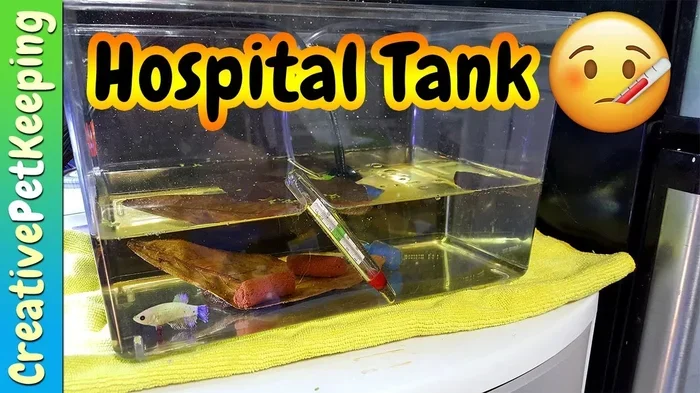
When your betta fish is sick, you need to isolate it. A quarantine tank keeps your sick fish safe and prevents any disease from spreading to other fish. It also makes treatment much easier.
How to Set Up a Simple Quarantine Tank
You do not need an expensive setup. A small tank or large plastic container works fine. Follow these steps:
- Use a tank of at least 1 to 2 gallons.
- Add a simple sponge filter or air stone for gentle water flow.
- Keep the water temperature at 78 to 80 degrees Fahrenheit.
- Add a few drops of water conditioner to remove toxins.
- Place the tank in a quiet spot away from bright lights.
A quarantine tank lets you monitor your betta closely. You can also adjust treatments without worrying about other fish in the main tank. This is a critical step in how to revive a sick betta fish and should not be skipped.
Use Salt Baths as a Natural Treatment
Aquarium salt is one of the most effective and affordable treatments for betta fish illnesses. It helps fight parasites, reduces stress, and supports the fish’s natural slime coat. Many experienced fish keepers rely on salt baths as a first line of defense.
How to Give Your Betta a Salt Bath
Follow this simple process for a safe and effective salt bath:
- Fill a clean container with tank water from your betta’s quarantine tank.
- Add aquarium salt at a rate of 1 tablespoon per gallon of water.
- Stir the water until the salt dissolves completely.
- Place your betta in the salt bath for 5 to 10 minutes.
- Watch your fish closely. If it seems distressed, return it to the main tank.
- Repeat this process once a day for up to 7 days.
Never use table salt or sea salt. Always use pure aquarium salt or aquarium salt specifically made for freshwater fish. Salt baths work well for treating mild ich, fin rot, and general stress. For more details on this method, check out our guide on how to give a betta fish a salt bath.
Adjust Feeding and Nutrition
A sick betta fish often loses its appetite. But proper nutrition fuels the immune system and speeds up recovery. You need to be smart about what and how you feed your fish during this time.
Best Foods to Offer a Sick Betta
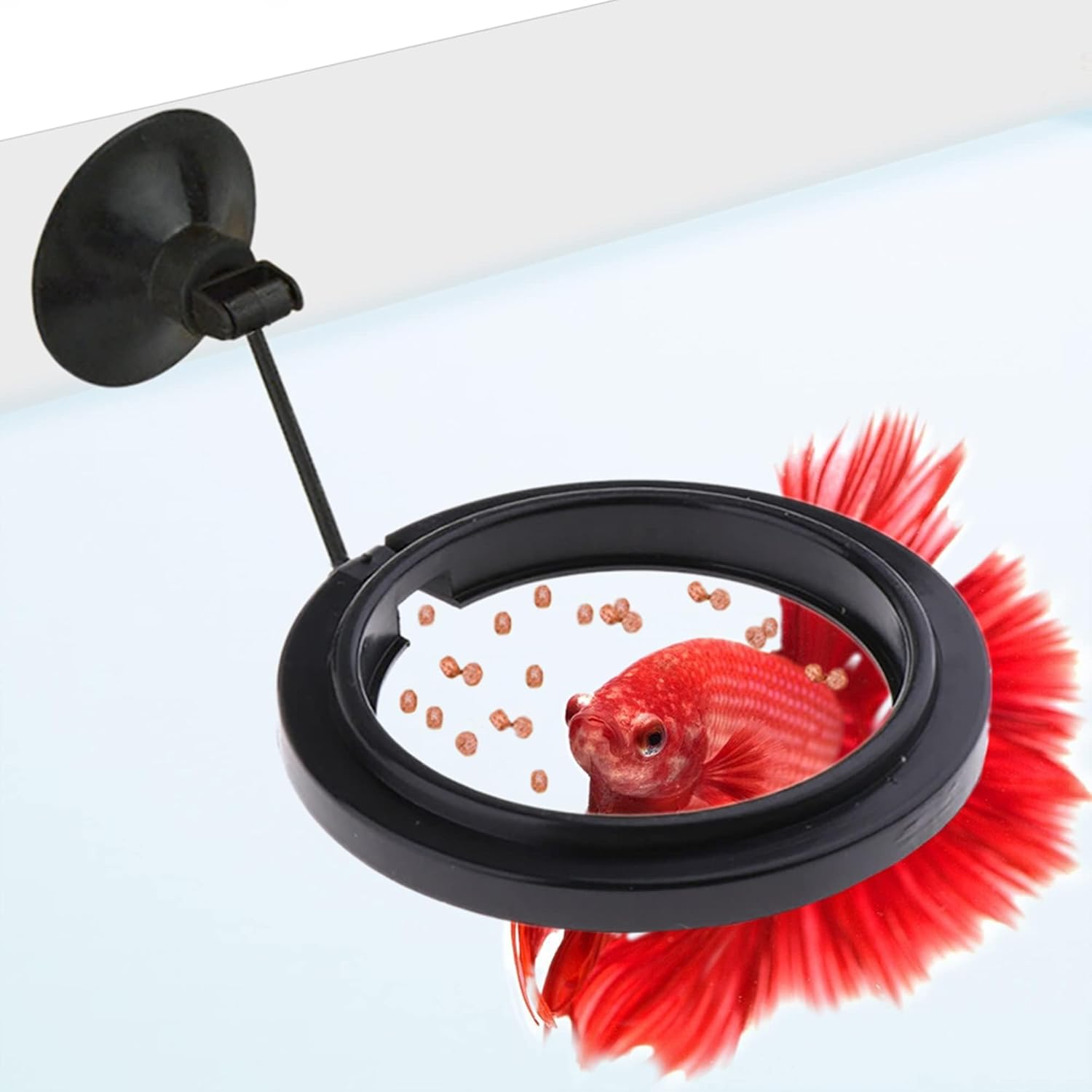
- Soaked Pellets: Soak commercial betta pellets in tank water before feeding. This makes them easier to digest.
- Frozen Bloodworms: A small amount of thawed bloodworms can tempt a picky eater.
- Brine Shrimp: Live or frozen brine shrimp are highly nutritious and easy to eat.
- Peas: A single softened pea, shell removed, can help with digestive issues.
Feed small amounts twice a day. Remove any uneaten food after five minutes to keep the water clean. Overfeeding a sick betta can make things worse. If your fish refuses to eat for more than two days, try offering a different food type or slightly warming the food to release a stronger scent.
Treat Common Diseases That Weaken Bettas
Different illnesses need different treatments. Here is a quick look at the most common diseases and how to handle them.
Fin Rot
Fin rot shows up as ragged or discolored fins. It is usually caused by poor water quality or bacterial infection. Improve water conditions first, then add aquarium salt to the tank. In stubborn cases, a broad-spectrum fish antibiotic may be needed.
Ich (White Spot Disease)
Ich appears as tiny white spots on the body and fins. It spreads fast and is highly contagious. Raise the water temperature slowly to 82 degrees Fahrenheit and add aquarium salt. This combination disrupts the ich parasite’s life cycle. For a detailed treatment plan, see our article on how to treat ich on a betta fish.
Swim Bladder Disease
A betta with swim bladder disease will float sideways or struggle to stay upright. This condition is often caused by overfeeding or constipation. Stop feeding for two days, then offer a single softened pea. The fiber helps clear the digestive blockage.
Dropsy
Dropsy is one of the most serious conditions. Symptoms include a swollen body, raised scales, and bulging eyes. It is caused by a bacterial infection affecting the kidneys. Early treatment with antibiotics and pristine water can help, but dropsy has a lower survival rate. Prompt action gives the best chance.
When to Seek Professional Help
Not every illness can be treated at home. Some conditions progress too fast or are too complex for home care alone. Knowing when to call in the experts is just as important as knowing how to treat minor issues.
Seek professional help if you notice any of the following:
- Your betta stops moving entirely and does not respond to any treatment.
- The fish’s body becomes severely swollen or distorted.
- You see open sores or deep wounds on the body.
- Multiple fish in the tank show symptoms at the same time.
- Home treatments have been tried for 5 to 7 days with no improvement.
A veterinarian who specializes in fish or an experienced aquarium store professional can offer stronger medications and advanced care options. Do not feel discouraged if you need extra help. Every fish owner wants the best for their pet, and sometimes that means going beyond home remedies.
Prevention: Keep Your Betta Healthy Long Term
The best way to revive a sick betta is to prevent illness in the first place. A healthy fish lives in a clean, stable environment and eats a balanced diet. Small daily habits make a huge difference over time.
Simple Habits for a Healthy Betta
- Test water weekly: Keep ammonia, nitrite, and nitrate levels in check.
- Do regular water changes: Change 25 to 50 percent of the water every week.
- Feed a varied diet: Rotate between pellets, frozen foods, and occasional treats.
- Keep the tank at stable temperatures: Use a heater and avoid placing the tank near drafts or direct sunlight.
- Clean the filter regularly: A clogged filter reduces water quality fast.
- Avoid overcrowding: Bettas do best in tanks of at least 5 gallons, alone.
- Quarantine new fish: Always isolate new additions for two weeks before adding them to the main tank.
For more information on setting up a proper home for your betta, visit our guide on how to set up a betta fish tank. Prevention is the most powerful tool you have, and these habits will keep your betta thriving for years.
How to revive a sick betta fish comes down to quick action, clean water, proper treatment, and patience. Most betta fish can recover fully if you catch the illness early and follow the right steps. Trust your instincts as a fish owner. You know your betta better than anyone. Start with water quality, add salt baths if needed, adjust feeding, and do not hesitate to seek help when things get serious. Your betta is lucky to have someone who cares enough to learn and act. With the right care, your fish will be swimming happily again before you know it.
Frequently Asked Questions
How long does it take to revive a sick betta fish?
Recovery time depends on the illness and how early you start treatment. Mild cases like fin rot or ich can improve within 3 to 7 days with proper care. More serious conditions like dropsy may take longer, and some might not respond to treatment at all. Consistency with water changes and medication is the key to a faster recovery.
Can I use regular table salt to treat my betta fish?
No. Table salt contains additives like iodine and anti-caking agents that can harm your fish. Always use pure aquarium salt or freshwater aquarium salt specifically designed for fish tanks. It is inexpensive and available at most pet stores or online.
What is the fastest way to help a sick betta fish?
The fastest approach is to improve water quality immediately and start a salt bath. Do a 50 percent water change with conditioned water, raise the temperature slightly, and add aquarium salt at one tablespoon per gallon. These steps address the most common causes of betta illness and give your fish a strong fighting chance right away.
Should I feed a sick betta fish that has stopped eating?
Do not force feed. Instead, try offering small amounts of tempting foods like thawed bloodworms or a softened pea after a 24-hour fasting period. If your betta still refuses food after two days, check your water parameters and consider a broader health issue. A short fast can also help reset the fish’s digestive system naturally.
Can a betta fish recover from dropsy?
Dropsy is one of the hardest betta diseases to treat, and recovery is not guaranteed. Early detection and aggressive treatment with antibiotics and pristine water offer the best chance. However, many cases are caught too late. This is why regular water testing and quick action at the first sign of illness are so important for betta fish care.
Do I need a separate tank to treat a sick betta fish?
A quarantine tank is highly recommended for treating sick betta fish. It prevents the spread of disease to other fish, makes medication dosing easier, and reduces stress on the sick fish. Even a small 1 to 2 gallon tank with basic filtration works well. This simple step can make a big difference in your betta’s recovery and overall betta fish care routine.